Kenya Conservancy vs National Reserve: Which Safari Is Worth the Premium?
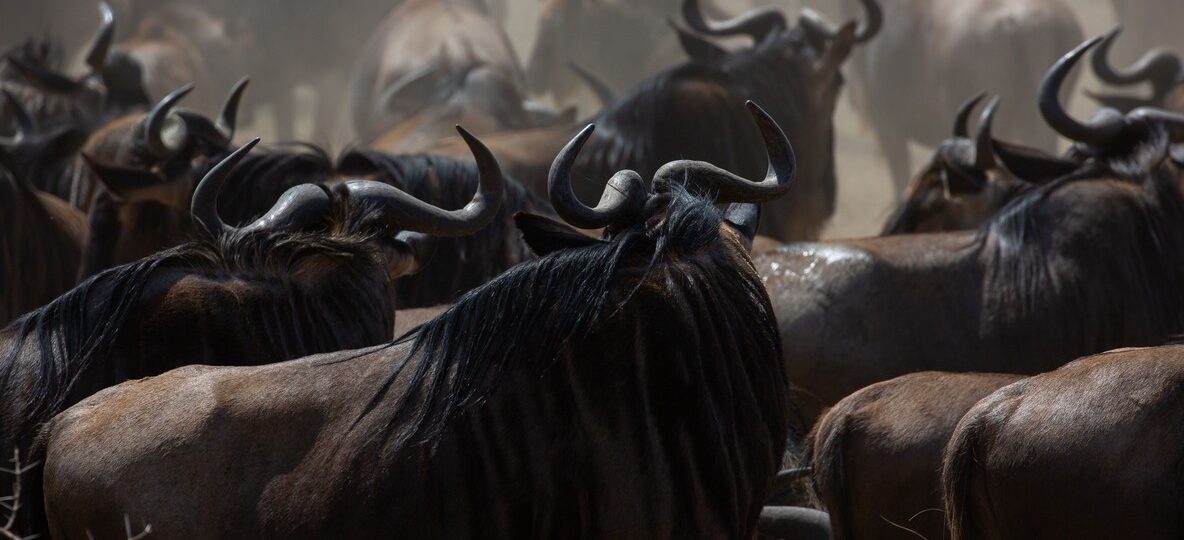
You have done the Masai Mara main reserve. You watched the wildebeest crossing from a minibus surrounded by seventeen other vehicles. The game was extraordinary. The experience felt like a wildlife traffic jam.
Now you are planning your next Kenya safari and asking the one question every repeat visitor eventually confronts: is a private conservancy worth the extra money?
The answer requires math, not marketing copy.
This guide breaks down the real differences between a kenya conservancy vs reserve experience across six factors: vehicle limits, crowd density, wildlife access, accommodation quality, cost, and booking structure. By the end, you will know exactly which option fits your goals and what Trunktrails Safaris recommends for guests who have already ticked the standard reserve box. 🌍
What Is a National Reserve in Kenya?
Kenya’s national reserves are gazetted wildlife areas managed by county governments under oversight from the Kenya Wildlife Service. The Masai Mara National Reserve (1,510 km2), Samburu, and Shaba are the most-visited. Entry is open to all licensed vehicles with no cap on numbers. During peak migration (July to October), the Mara’s riverbanks can hold 50 to 80 vehicles at a single crossing. The spectacle is real. So is the noise.
Key characteristics: open vehicle access, entry fees set by county government (Masai Mara: $80 pp/day in 2026), a full mix of camp tiers on or near the boundary, and shared ranger patrols across the entire reserve. For first-time visitors, national reserves are the right starting point.
What Is a Private Conservancy in Kenya?
A private conservancy is land that Maasai, Samburu, or other community landowners lease to a safari operator or conservancy body under a conservation agreement. In exchange for monthly lease payments and community development funds, no agriculture or livestock grazing occurs, and wildlife moves freely.
The critical difference: the conservancy operator controls how many guests and vehicles are permitted at any one time.
Major Kenya conservancies include Olare Motorogi (65 km2), Mara North (305 km2), Mara Naboisho (200 km2), Ol Kinyei (76 km2), Loisaba (580 km2, Laikipia), Borana (35,000 acres), and Ol Pejeta (90,000 acres). Each sets its own vehicle-per-sighting protocol and total guest ceiling. The numbers are where the conservancy advantage becomes mathematically undeniable.
The Vehicle-Cap Math: Why Numbers Change Everything
This is the core argument every repeat visitor needs to understand before making a booking decision.
At a river crossing in the main Masai Mara reserve during peak season, the Kenya Wildlife Service does not cap vehicle numbers. A single leopard sighting near a popular road can attract 30 or more vehicles within minutes because guide-radio networks alert every operator simultaneously.
In Olare Motorogi Conservancy, the entire conservancy hosts a maximum of around 60 guests at any one time. Vehicle-per-sighting guidelines limit the number of game-drive vehicles at a single sighting to six. That is not a soft preference. It is enforced by conservancy rangers with radio authority to clear the scene.
In Mara Naboisho, a 200 km2 area leases to roughly six camps with a combined capacity near 100 guests. Compare that to the main reserve, where the Mara Triangle alone receives 200,000+ visitor-days per year across dozens of operators.
The practical result: a conservancy cheetah hunt unfolds in silence. No engine revs from a queue of minibuses. No doors slamming. The cheetah stalks, the impala bolts, and you watch it from a range of thirty metres with one other vehicle.
That is a fundamentally different wildlife experience from the same species sighting in the open reserve.
Kenya Conservancy vs Reserve: Full Comparison Table
| Factor | National Reserve | Private Conservancy |
|---|---|---|
| Vehicle cap per sighting | None (30-80 at peak crossings) | 4-6 maximum (enforced) |
| Daily visitor volume | High (200,000+ visitor-days/yr at peak parks) | Low (60-120 guests total per conservancy) |
| Night drives | Not permitted in most reserves | Permitted — standard on all game drives |
| Off-road driving | Prohibited (must stay on tracks) | Permitted in most conservancies |
| Walking safaris | Not permitted in reserves | Available with armed ranger |
| Entry fee (2026) | $80 pp/day (Masai Mara) | Included in conservancy camp rate |
| Camp location | Reserve boundary or inside (variable) | Exclusive to conservancy land |
| Wildlife density | High during migration (seasonal) | High year-round (resident populations) |
| Big Five access | All five present (Mara, Amboseli) | All five present; lion + leopard density higher in Mara conservancies |
| Daily rate range | Budget camps from $200 ppn; luxury from $600 ppn | Conservancy camps: $500-$1,800 ppn all-inclusive |
| Who controls the land | County government | Community landowners + conservancy operator |
| Booking flexibility | High (many operators, any date) | Lower (fewer beds; book 6-12 months ahead for peak) |
Wildlife Density: Is the Premium Scientifically Justified?
Critics of conservancy pricing argue that the same lions live in both areas. That is true in the Mara ecosystem, where animals cross freely between the main reserve and adjacent conservancies. The predator population is shared.
What the conservancy provides is observer-to-animal ratio. A pride of six lions in the main reserve may be observed by 40 vehicles on a Sunday morning in August. The same pride entering Olare Motorogi is observed by four vehicles maximum.
Research on wildlife behaviour under vehicle pressure shows that large cats alter their movement patterns and hunt timing when vehicles exceed eight to ten per sighting. The conservancy experience is not just more comfortable. It is behaviourally more authentic.
For repeat visitors who have already seen the Big Five in busy conditions, the conservancy premium buys access to natural behaviour, not just location.
Night Drives, Walking Safaris, and Off-Road: The Activities Gap
The reserve vs conservancy gap is widest in activity permissions.
Kenya’s national reserves prohibit night driving. The nocturnal predator peak (9 PM to 2 AM, when lions are most active on hunts and leopards move to water) is entirely inaccessible to reserve-based guests.
Conservancies operate under their own ranger authority. Night drives are standard, not optional. Walking safaris with armed rangers are routine. Off-road driving to follow a tracking sequence through thick bush is permitted with guide discretion.
For wildlife enthusiasts and photographers, this is a two-activity-per-day advantage: a full morning drive plus a night drive delivers six or more hours of active game time versus the reserve’s four hours of daylight driving. 📸
Cost Breakdown: When the Premium Pays Off
Conservancy tours and safaris carry a higher sticker price. Understanding what that price includes changes the comparison.
A mid-range camp on the Mara reserve boundary charges $350-$550 per person per night. Park fees ($80/day) are separate. Game drives are included, but night drives and walking safaris are not offered.
A conservancy camp in Olare Motorogi or Mara North charges $600-$1,200 per person per night, all-inclusive. That covers conservancy fee (typically $90-$150/day for the land access), all game drives including nights, all meals, house wines and spirits, and laundry. The per-activity cost normalised across a four-night stay is often within 20% of an equivalent reserve-boundary camp once park fees and activity costs are added.
For the Laikipia conservancies (Loisaba, Borana), the pricing gap narrows further because national park fees do not apply. Laikipia is conservancy land, not a gazetted reserve, so the conservation fee replaces rather than supplements park entry.
See our Kenya safari cost per day breakdown for a full per-category itemisation.
The Trunktrails Advantage
Trunktrails Safaris has operated both reserve-based and conservancy-based tours and safaris since the company’s founding in Nairobi. We hold partnerships with camps in Olare Motorogi, Mara North, and Loisaba, which means we access conservancy beds that are not available through standard booking platforms.
For repeat visitors, our tours and safaris team applies a structured upgrade framework:
- Behaviour vs spectacle assessment: If your previous safari was spectacle-focused (migration crossing, large herds), we move you toward a conservancy where behavioural observation replaces crowd observation.
- Activity gap analysis: If you have never done a night drive or walking safari, we position a conservancy stay as your first access to nocturnal Africa.
- Value engineering: We calculate the all-in conservancy cost against your reserve alternative including fees, activities, and logistics, and show you the real delta — which is often smaller than the headline rate difference suggests.
- Hybrid itineraries: For guests who want both the migration spectacle and conservancy exclusivity, we design split itineraries: three nights in a Mara reserve camp during peak crossing season, then three nights in a conservancy for behavioural observation at lower density.
Our guides are Kenya-born naturalists who have worked in both environments. The difference in what they can show you from a conservancy vehicle, off-road at night with tracking lamps, is substantial.
See our related guides on the Mara North Conservancy, Olare Motorogi Conservancy, and the Laikipia Plateau safari for destination-specific detail. 🦁
Which Should a Repeat Visitor Book?
If you are a first-time visitor, a national reserve is the correct starting point. The scale of the Mara, the density of wildlife during migration, and the range of price points make it the world’s best introduction to East African safari.
If you have already done the reserve and want something that changes the quality of the experience rather than just the location, a private conservancy is the correct upgrade.
The vehicle-cap math is not a marketing claim. It is a structural difference in how the land is managed. Six vehicles maximum per sighting versus sixty is a sensory and observational difference that repeat visitors describe as the transition from watching wildlife to being present with it.
The premium is real. So is what it delivers.
Book Your Kenya Conservancy Safari
Trunktrails Safaris designs conservancy tours and safaris for guests who know what they want: fewer vehicles, longer sightings, night drives, and camps that exist in the landscape rather than beside it.
We have current availability in Olare Motorogi, Mara North, and Loisaba for the 2026 season. Conservancy beds book out 6-12 months ahead of peak dates.
Contact Trunktrails Safaris now:
Further reading
- WhatsApp: +254 113 208888
- Email: info@trunktrailssafaris.com
- Website: trunktrailssafaris.com
Tell us your travel dates, whether you want Mara ecosystem or Laikipia, and how many in your group. We will send you a conservancy itinerary with current availability and all-in pricing within 24 hours. 🌅
Image credits: Photo by Mike Knibbs on Pexels; Photo by Gil DAIX on Pexels; Photo by Rachel Claire on Pexels; Photo by Charmain Jansen van Rensburg on Pexels; Photo by Wladimir Kühne on Pexels