Laikipia Plateau Safari: Kenya’s Best Private Conservancy Experience
The Masai Mara is Kenya’s most famous wildlife destination. Laikipia is where travellers go when they want the wildlife without the crowds. The plateau stretches across 9,600 square kilometres of private and community land north and east of Mount Kenya, holding the second-highest density of wildlife in the country. Within that space, a network of private conservancies and ranches operates without the visitor number restrictions and shared road networks of the national parks.
Trunktrails Safaris runs tailor-made tours and safaris into Laikipia’s conservancy network. This guide covers what makes the plateau exceptional, which conservancies to prioritise, and why a laikipia plateau safari rewards travellers who are willing to go beyond the standard Kenya circuit. ✨
Why Laikipia Is Different From Kenya’s National Parks
Kenya’s national parks operate under KWS management with fixed entry fees, shared road networks, and in some cases visitor number limits during peak season. Laikipia’s private conservancies operate differently.
Each conservancy is managed independently, which means:
- Night drives. Not permitted in national parks. Most Laikipia conservancies allow guided night drives, which is when leopard, aardvark, porcupine, and other nocturnal species are most visible.
- Walking safaris. Guided walks are permitted on most Laikipia conservancies, giving access to small mammal behaviour, bird life, and tracker skills impossible from a vehicle.
- Off-road driving. Conservancies are not restricted to designated tracks. Your guide can follow wildlife wherever they move.
- Low visitor numbers. Some Laikipia properties limit guests to 8-12 people at a time across the entire property. You may see no other vehicles for an entire day.
- Rhino tracking on foot. Ol Pejeta Conservancy, the largest in the network at 90,000 acres, permits guided rhino tracking walks. Watching a black rhino move through thick bush at 20 metres is a different wildlife encounter from a vehicle sighting.
These four advantages — night drives, walking, off-road, and low numbers — collectively define what separates a Laikipia experience from anything available inside Kenya’s national parks.
The Ol Pejeta Conservancy: Kenya’s Rhino Capital
Ol Pejeta Conservancy is the anchor of the Laikipia network and the centrepiece of most Trunktrails Safaris Laikipia itineraries. Located 16 kilometres west of Nanyuki on the equator, Ol Pejeta holds:
- The largest black rhino population in East Africa
- The last two northern white rhinos on earth (Najin and Fatu — a female pair under 24-hour guard)
- A chimpanzee sanctuary (the only place in Kenya to see chimpanzees)
- Lions, leopards, elephants, buffalo, and all members of the Big Five
- African wild dogs (one of Kenya’s most reliable sighting locations)
The northern white rhino situation is one of the most significant conservation stories of our time. Fatu and Najin cannot reproduce naturally, but a scientific programme using stored genetic material from the last male (Sudan, who died at Ol Pejeta in 2018) is working toward IVF reproduction. Visiting Ol Pejeta puts you physically inside this story.
Ol Pejeta for wildlife enthusiasts:
| Species | Viewing Reliability | Best Time of Day |
|---|---|---|
| Black rhino | High | Early morning, late afternoon |
| African wild dog | Moderate-high (when resident packs are present) | Dawn and dusk |
| Lion | High | Morning |
| Elephant | High | All day |
| Chimpanzee | High (sanctuary visits) | 10:00-12:00 |
| Leopard | Moderate | Night drives |
Trunktrails Safaris arranges full-day and multi-day packages at Ol Pejeta including the chimpanzee sanctuary visit, rhino tracking experience, and night drive access.
Other Key Laikipia Conservancies
Laikipia is not just Ol Pejeta. The wider plateau holds a network of conservancies, each with distinct character and specialist offerings.
Lewa Wildlife Conservancy:
Adjacent to Ol Pejeta, Lewa is one of Africa’s most decorated conservation operations and a UNESCO World Heritage Site. It holds one of the world’s largest rhino populations, both black and white, plus significant populations of Grevy’s zebra (found only in northern Kenya) and reticulated giraffe. Access is restricted to lodge guests. Trunktrails Safaris can book accommodation and transfers. For more detail, read our Northern Kenya Safari Packing List What To Bring Remote Routes. For more detail, read our Northern Kenya Safari Cost Guide Budget Midrange Luxury Breakdown.
Solio Ranch:
A private ranch east of Nyahururu, Solio holds a very high density of black and white rhinos and has supplied animals to parks across Africa as part of rhino recovery programmes. Game drives here are focused entirely on rhino, and encounter rates are among the highest in Kenya.
Borana Conservancy:
A luxury ranch conservancy north of Nanyuki, Borana borders Lewa and shares a wildlife corridor with it. Known for intimate game drives, walking safaris, and horse safaris. The Borana Lodge is one of the most highly regarded small lodges in Kenya.
Ol Jogi Conservancy:
A private family-run conservancy with a wildlife sanctuary rehabilitation programme. Less visited than Ol Pejeta but holds exceptional diversity including rhino, wild dog, and cheetah.
African Wild Dog in Laikipia: One of Kenya’s Rarest Sightings
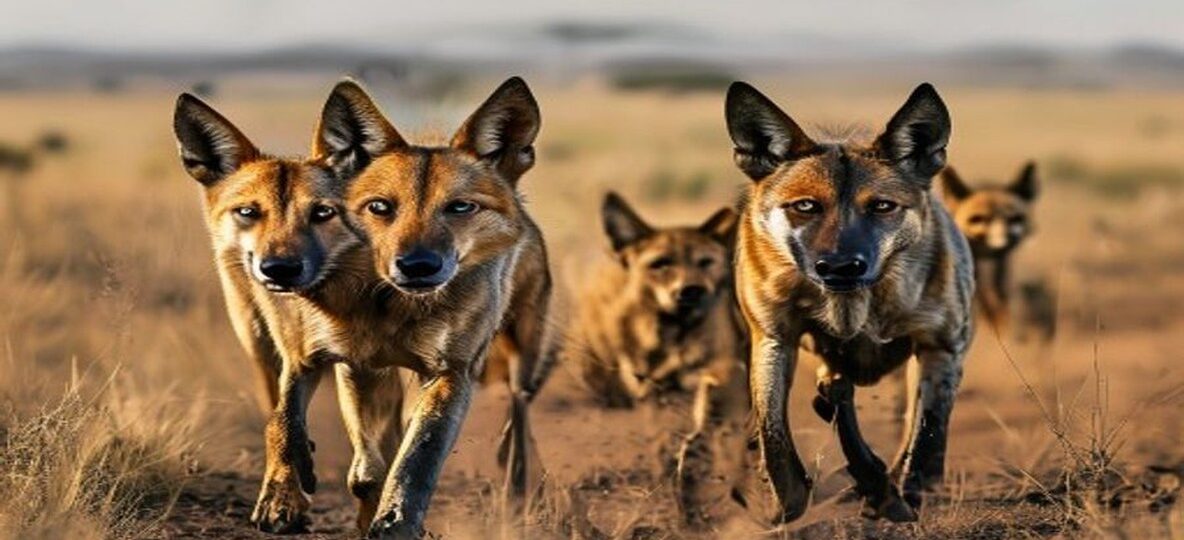
African wild dogs are the most endangered large carnivore in Africa. Kenya’s population is estimated at fewer than 700 animals, with Laikipia holding one of the most stable packs.
The wild dog packs at Ol Pejeta and surrounding conservancies are tracked by researchers, which means sighting success rates are higher here than almost anywhere else in Kenya. Dawn and dusk are the key windows — wild dogs hunt cooperatively in packs at high speed, and watching a full pack coordinate a hunt across open Laikipia acacia scrub is a rare and genuinely memorable event.
Trunktrails Safaris works with conservancy trackers when planning wild dog game drives. If a pack is denning (typically February to May), success rates are very high. Outside denning season, pack tracking requires more effort but remains more reliable at Laikipia than anywhere else in the country.
Night Drives in Laikipia: What You See After Dark
The night drive access that private conservancies provide changes the entire wildlife picture. Species that are simply not visible on standard national park game drives become primary sightings.
Night drive species at Laikipia:
- Leopard (significantly more visible at night when hunting)
- Caracal (a medium-sized wild cat, extremely rarely seen in daylight)
- Aardvark (one of Africa’s most elusive nocturnal mammals)
- Porcupine
- Zorilla (African striped polecat)
- Bat-eared fox
- Large-spotted genet
- White-tailed mongoose
The vehicle uses a red-filtered spotlight that does not disturb the animals’ night vision. Your guide reads eye-shine patterns to identify species before they move into full view. A single two-hour Laikipia night drive often produces more species sightings than a full day of national park game driving.
Getting to Laikipia: Roads and Fly-In Options
By road from Nairobi: 3-4 hours to Nanyuki town (the gateway for most Laikipia conservancies) on the A2 highway via Nyeri. The road is tarred to Nanyuki; tracks to individual conservancies vary from good gravel to rough 4WD-only routes.
By air: Charter flights from Wilson Airport (Nairobi) to Nanyuki Airport or private conservancy airstrips take 40-50 minutes and cost $250-$400 per person depending on plane size and route. For travellers combining Laikipia with Samburu or the Masai Mara, flying between properties removes the long road drives.
Trunktrails Safaris arranges both road transfers and charter flights. For a 3-5 day Laikipia circuit, we typically recommend driving one direction (scenic Nyeri highway) and flying the return, or flying if you are continuing to a northern park like Samburu.
How to Combine Laikipia With Other Kenya Parks
The plateau’s central position makes it a natural hub for central and northern Kenya circuits.
Most popular combinations with Laikipia:
| Circuit | Duration | Key Experiences |
|---|---|---|
| Laikipia + Aberdare | 4-5 days | Rhino, wild dog, tree hotel, moorland |
| Laikipia + Samburu | 5-6 days | Wild dog, Samburu Special Five, remote north |
| Laikipia + Masai Mara | 7-8 days | Full Kenya diversity, migration context |
| Laikipia + Ol Pejeta + Mount Kenya | 5 days | Conservation circuit, altitude contrast |
The Laikipia-Samburu circuit is particularly strong for wildlife-specialist travellers. Both areas have species not found elsewhere in Kenya: wild dog (Laikipia), Grevy’s zebra and reticulated giraffe (both), and gerenuk (Samburu). A 6-day circuit visiting both covers a wildlife checklist unavailable anywhere else in East Africa.
The Trunktrails Advantage for Laikipia Safaris
Trunktrails Safaris is a native Kenyan-owned operator, with direct relationships with the Laikipia conservancy network. We run tours and safaris into this corridor regularly and know which conservancies are performing best for which species at any given time of year.
What this means for you:
- We know when wild dog packs are denning (February-May) and book accordingly for clients prioritising this sighting
- We maintain direct contacts at Ol Pejeta for advance rhino tracking booking
- We can pivot an itinerary mid-trip if a sighting pattern shifts
- We book accommodation across all price tiers: mid-range guesthouses in Nanyuki to exclusive-use lodge experiences inside the conservancies
- 5% of every booking funds wildlife conservation, including the Laikipia rhino and wild dog programmes directly
You deal with us, not a booking platform. Your Laikipia itinerary is built around your interests, your species priorities, and what you want to experience rather than what is easiest to sell.
Practical Information: What to Know Before You Go
Best time for Laikipia: June to October (dry season, easiest wildlife viewing, dry tracks). January to February is excellent. March to May (long rains) can make conservancy tracks impassable.
What to pack:
- Neutral-coloured clothing (khaki, olive, sand)
- Warm layers for night drives (plateau nights are cool)
- Quality binoculars
- Camera with at least a 300mm lens for wild dog and nocturnal species
Accommodation range:
- Budget guesthouse in Nanyuki: from $60 per person
- Mid-range conservancy tent: $180-$300 per person
- Luxury conservancy lodge: $450-$900 per person
Park fees: Conservancy fees vary by property and are separate from any KWS charges. Ol Pejeta entry is $90 per adult per day (2026). Trunktrails Safaris includes all conservancy fees in quoted package prices.
Further reading
More safari planning resources
- Ol Pejeta and Sweetwaters safari package from Valley Safaris
- Samburu National Reserve guide on Touring Insights
- Big Five safari collection on FindMySafari
- Map of Samburu from Valley Safaris
Ready to Plan Your Laikipia Conservancy Safari?
Laikipia is the answer for travellers who have done the classic Kenya circuit and want more. Night drives. Walking with a tracker. Wild dog at dawn. A conversation at dinner with a conservancy ranger about the northern white rhino programme. These experiences do not exist anywhere in Kenya’s national parks.
Trunktrails Safaris builds every laikipia plateau safari around what you specifically want to see and experience. Tell us your species priorities and timeline, and we will build the conservancy combination that delivers them.
Contact Micah directly:
📞 WhatsApp: +254 113 208888 📧 Email: info@trunktrailssafaris.com 🌐 Website: https://trunktrailssafaris.com