Description
Top Class Customer Service Global Travel Network Support At Every Step – Your happiness is our number one priority
Ol Pejeta Conservation area is a wildlife conservancy located equator west of Nanyuki between the Aberdare Range and Mount Kenya.
Ol Pejeta Climate Through the Year
Ol Pejeta’s climate is as dynamic as the wildlife it protects, with each season offering a fresh backdrop for your visit.
January to March: Sunlit Days and Crisp Nights
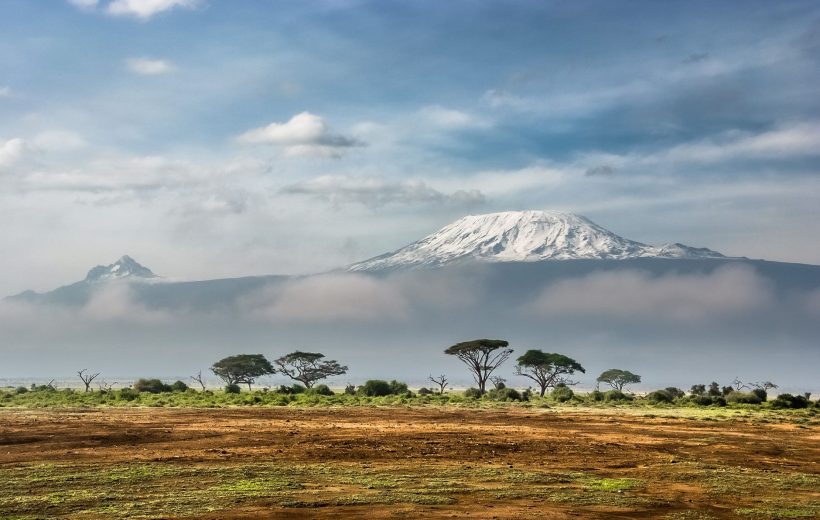
The early months usher in warm, dry days with plenty of sunshine, making it one of the best times to take in clear views of Mount Kenya. Mornings and evenings can be brisk at Ol Pejeta’s elevation (about 1,800 meters above sea level)—think pleasant afternoons peaking near 27°C (81°F) and nighttime temperatures dipping to a cool 7°C (45°F). February is renowned for its birdlife, as flocks of white storks swoop in against the backdrop of open skies.
April to June: Rainfall and Renewal
The long rains begin in mid-March and run through May, transforming the landscape into vibrant green. While April tends to see the heaviest showers, things start drying out by June. Temperatures are typically milder, with highs around 25°C (77°F) and cooler mornings near 11°C (52°F). Although some roads can get muddy, this is prime time for solitude seekers and photographers chasing dramatic, moody skies.
July to September: Prime Wildlife Viewing
As the rains recede, the plains dry out and the grass recedes, making wildlife viewing a breeze. July and August are predominantly dry, save for the occasional afternoon shower. Expect daytime temperatures to hover around 23°C (72°F) with nights cooling off to about 9°C (48°F). September brings a gentle warming trend and, as local school holidays end, the wilderness feels a touch quieter.
October to December: Green Revival and Fewer Crowds
With the arrival of short rains in late October or early November, the conservancy’s grasslands spring back to life. This lushness peaks by December, when migratory birds return and cheetahs take advantage of the renewed cover. Highs are comfortable—typically 24°C (75°F)—while evenings remain refreshingly cool, around 9°C (48°F).
No matter when you visit, Ol Pejeta’s changing skies and thriving landscapes guarantee a safari that feels both untamed and utterly unforgettable.
Getting to Ol Pejeta Conservancy
Travelers can reach Ol Pejeta Conservancy in a couple of convenient ways. If you’re coming from Nairobi, the drive takes about four hours, winding through scenic central Kenya landscapes—perfect for those who like to soak in the countryside along the way. Alternatively, for a quicker journey, light aircraft flights are available from Nairobi’s Wilson Airport or directly from the Masai Mara, touching down at the conservancy’s airstrip and saving travelers a good deal of time.
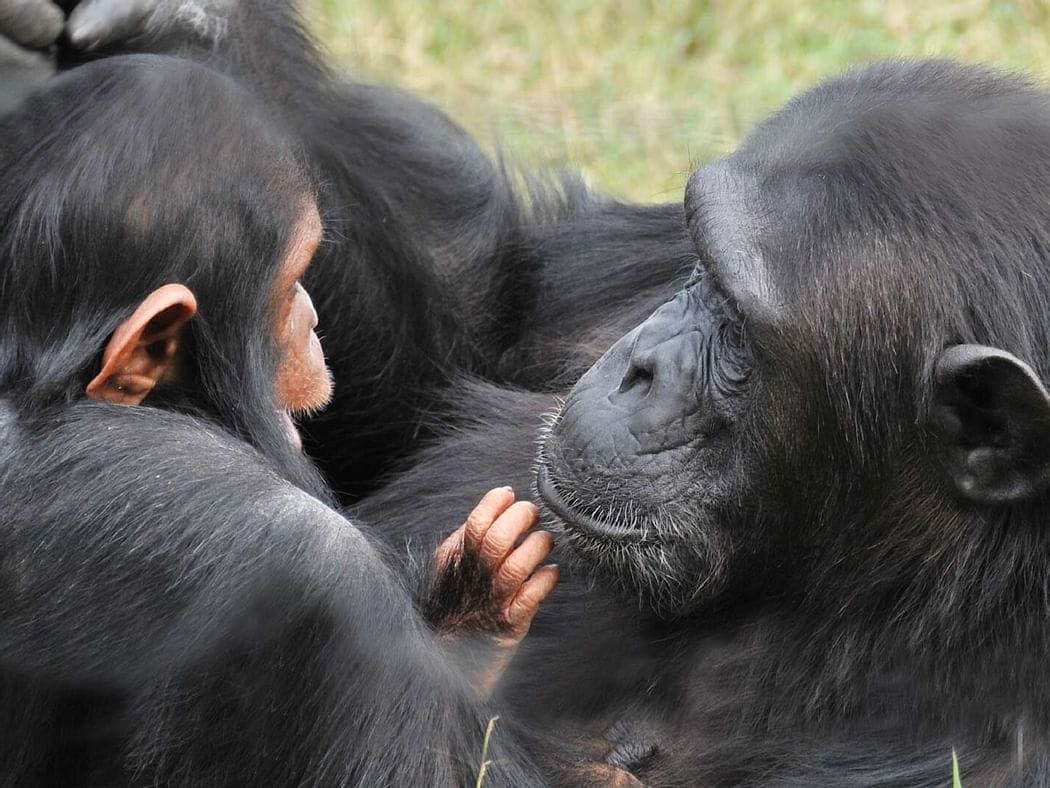
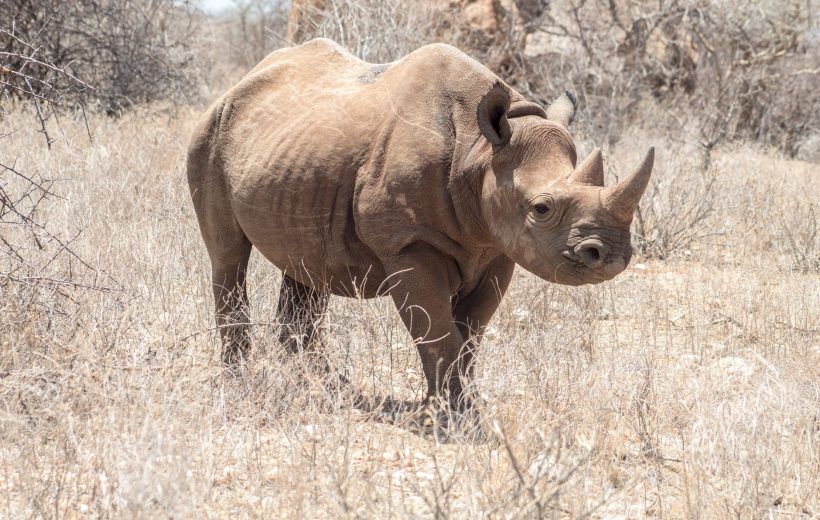
The Conservancy covers an area of 360 square Kilometers which provide sanctuary for great apes and is where only two remaining northern white rhino in the world are under great security care from its extinction. Sweetwater’s Chimpanzee sanctuary, is situated within
olpejeta conservancy to take care of abandoned, orphaned and rescued Chimpanzee, the only place in Kenya to see these great apes. Olpejeta Conservancy, is a famous safari destination in Kenya due to its successful sighting of all Big Five and selection of other African wildlife.
Unique Experiences for Visitors
Guests at Ol Pejeta Conservancy can do much more than simply watch from afar—they have the rare chance to get actively involved in conservation initiatives alongside researchers and wildlife experts.
- Lion Tracking Adventures: Step into the shoes of a wildlife researcher as you set out across the savanna, radio in hand, to track collared lions. This hands-on experience lets you observe different prides, learn to identify individual lions by their unique markings, and gain insight into their behavior and territories. It’s an excellent opportunity for anyone curious about big cat research in action.
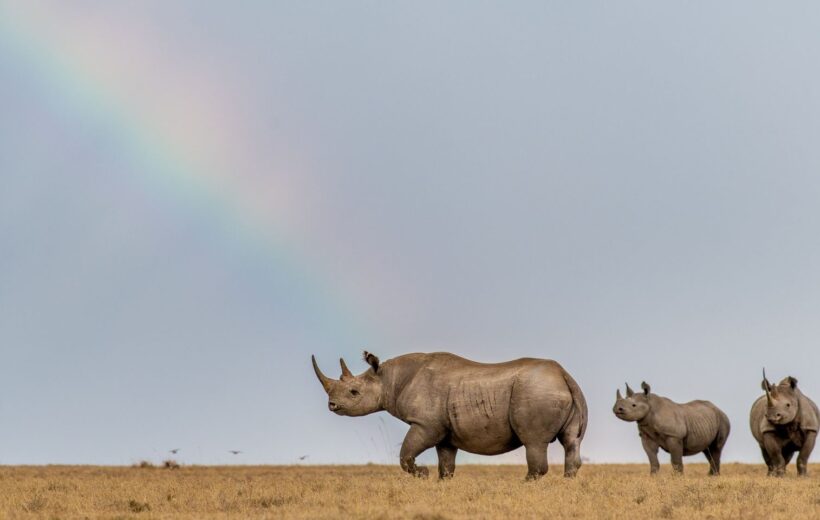
- Rhino Monitoring Walks: If rhinos are more your speed, you can join the monitoring team on foot as they carry out their vital fieldwork. Learn how experts identify individual rhinos by their ear notches and horn shapes, and take part in collecting essential data on their health, movement, and daily activities. Not only do you get a close-up view of these magnificent creatures, but you also help contribute to their ongoing protection.
- Meet the Anti-Poaching Canine Unit: Curious how conservationists outsmart poachers? Visit the conservancy’s bloodhound kennels and get a glimpse into the unique bond between rangers and their canine partners—dogs that are trained to track down wildlife criminals and protect endangered species.
- Explore Wildlife-Livestock Management: Witness firsthand how Ol Pejeta balances cattle farming with conservation. Tours and talks with staff demonstrate how they sustainably manage over 6,000 cattle within the same land that supports thriving populations of wild species.
Whether your interest lies in big cats, rhinos, or the intricate web of conservation strategies, Ol Pejeta offers meaningful ways to get involved and see real conservation in action.
Photographic Highlights at Ol Pejeta
Visitors to Ol Pejeta Conservancy are treated to some truly distinctive photographic moments, making it a dream destination for both amateur and seasoned wildlife photographers.
- Stand on the Equator: One of the must-capture moments is the famous equator line running right through Ol Pejeta. Snap a photo with one foot in each hemisphere—a classic memory to cherish from your safari.
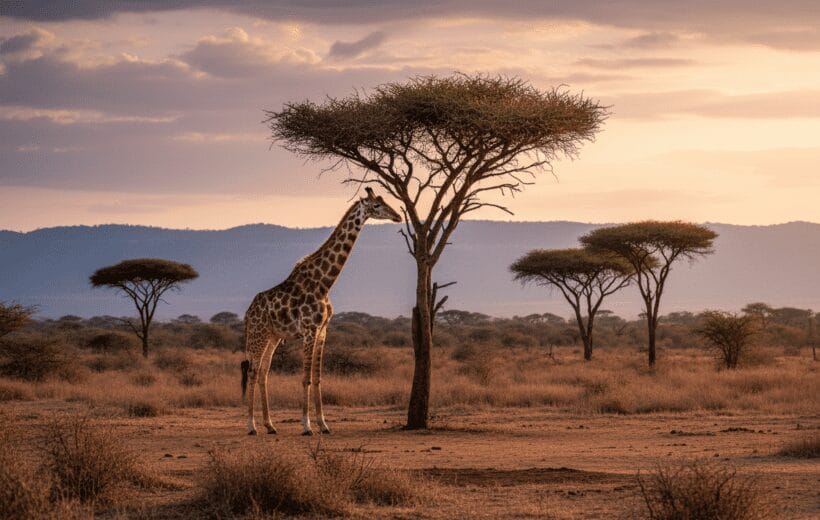
- Unique Wildlife Encounters: Ol Pejeta is prime territory for spotting the striking reticulated giraffe, easily identified by its bold, geometric patterns found primarily in Kenya’s Laikipia region. Here, you can get close enough for remarkable portraits.
- Dramatic Predator Sightings: Keep your camera ready for cheetahs as they patrol the open plains—the chance to photograph Africa’s fastest predator in action is a true highlight. Early morning often brings unforgettable scenes, from hyenas emerging through the mist to the delicate bond between a rhino mother and calf.
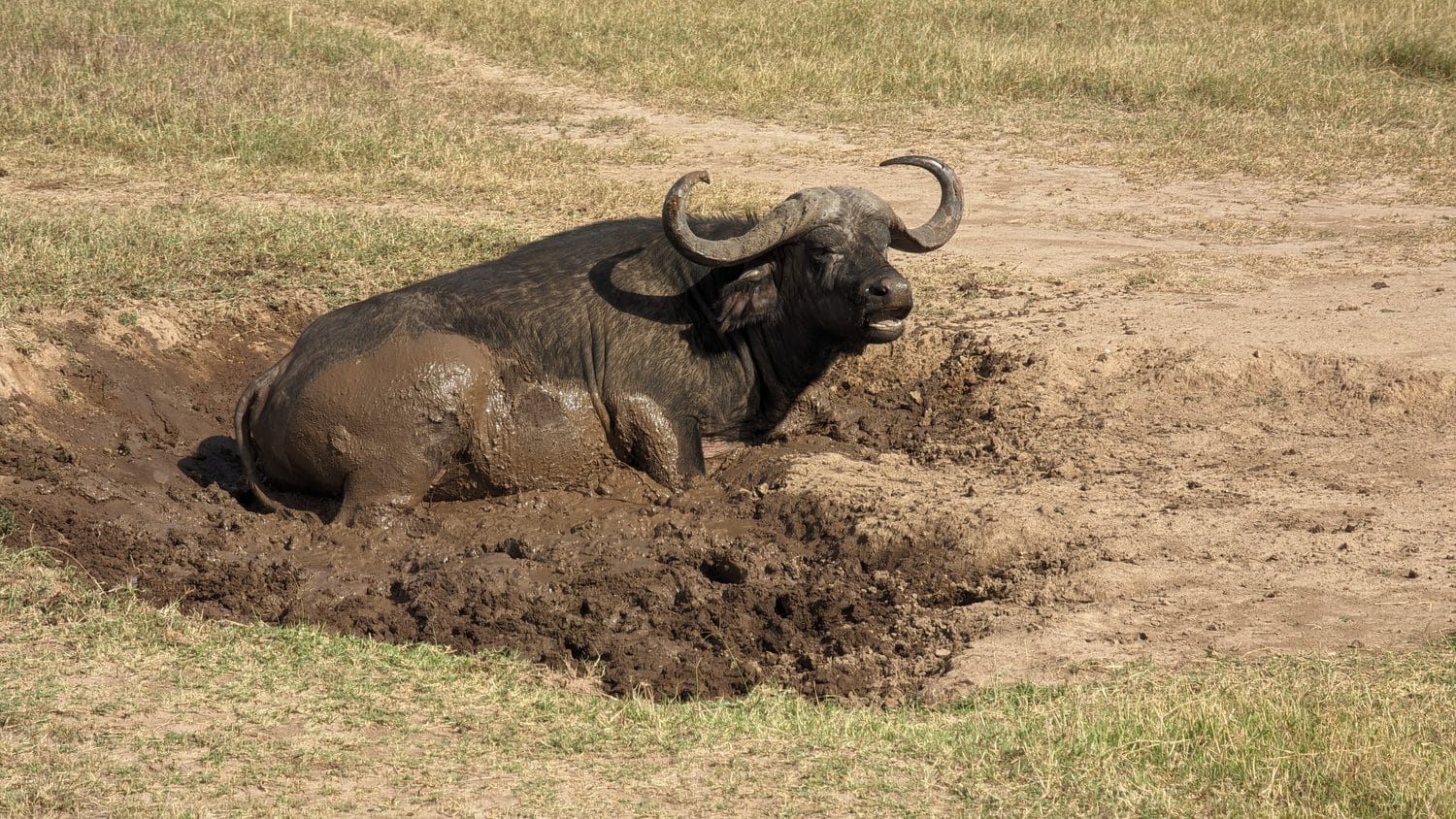
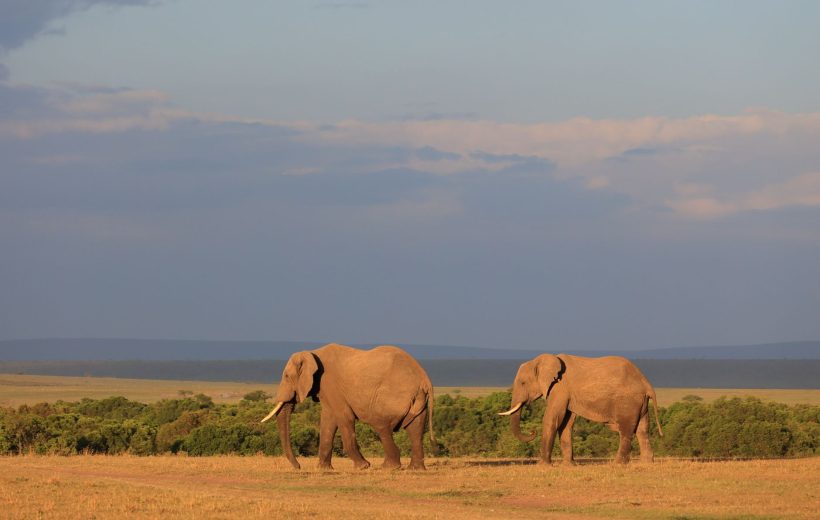
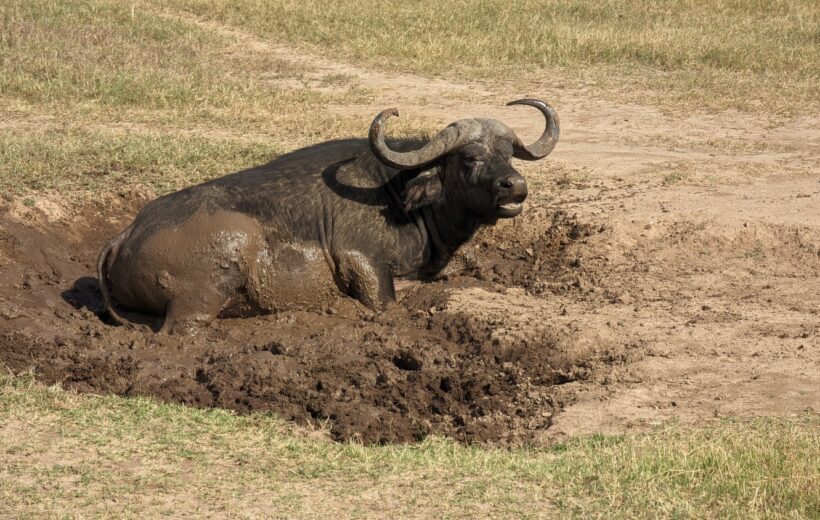
- Big Five and Beyond: Beyond the iconic rhinos and chimpanzees, the Conservancy’s open savannahs offer a front-row seat to elephants, lions, buffaloes, and leopards, ensuring every game drive delivers fresh photo opportunities.
Whether it’s catching a glimpse of rare species under the shadow of Mount Kenya or capturing the vibrant life that thrives on both sides of the equator, Ol Pejeta promises a portfolio of images as diverse as the landscape itself.
Blending Conservation and Cattle Ranching
Ol Pejeta stands out not only for its wildlife, but also for its innovative approach to land management. Rather than choosing between cattle ranching or conservation, the conservancy skillfully combines both. Over 6,000 cattle graze across its vast plains, carefully managed to ensure harmony with the natural habitats.
This integration isn’t just about coexistence—it actively benefits the landscape. Rotational grazing helps maintain healthy grasslands for both wild grazers and livestock, supporting biodiversity and reducing the risk of overgrazing. This thoughtful approach ensures that both Africa’s iconic wildlife and Ol Pejeta’s cattle thrive side by side, making it a pioneering model for sustainable use of protected areas.
Birdwatching at Ol Pejeta Conservancy
Ol Pejeta isn’t just a haven for impressive mammals—it’s also a paradise for bird enthusiasts. The conservancy’s diverse habitats play host to an exceptional variety of birdlife throughout the year.
From late autumn through early spring, you’ll find migratory species such as white storks stopping by in large numbers, especially during February, when their presence is hard to miss. The rejuvenating rains in November and December turn the savannahs and wetlands lush and green, attracting flocks of both resident and migratory birds.
Keen-eyed visitors can spot everything from vibrantly colored bee-eaters to stately crowned cranes. Whether you’re a seasoned birder with a checklist or just enjoy the dawn chorus as you sip your morning coffee, Ol Pejeta offers rewarding birdwatching opportunities—making it an unforgettable destination for nature lovers of all feathers.
Where to Stay: Accommodation Options at Ol Pejeta Conservancy
When it comes to finding a place to rest your head after a day of adventure, Ol Pejeta Conservancy offers a variety of stays built with both comfort and conservation in mind. Whether you’re seeking a classic safari experience under canvas or the amenities of a modern eco-lodge, you’re covered.
- Tented Camps: Enjoy the romance of a traditional safari at camps that line the banks of the Ewaso Nyiro River or nestle in scenic spots inside the conservancy. These tented options blend rustic charm and comfort, bringing you close to nature without skimping on essential comforts like en-suite bathrooms and hot showers.
- Luxury Lodges: For those who prefer a touch more refinement, several lodges offer spacious rooms, private verandas, and gourmet dining. Many also have swimming pools and panoramic views of the plains where wildlife often roams close by.
- Self-Catering Cottages: Ideal for families or groups, self-catering options allow guests to enjoy a home-away-from-home experience, complete with kitchen facilities and communal spaces.
- Camping Sites: Adventurous souls can pitch a tent at one of the conservancy’s designated campsites, waking up to the sounds of the bush and perhaps even the distant trumpet of an elephant.
From comfortable tented camps to fully equipped lodges, Ol Pejeta makes it easy for travelers of any style and budget to embrace the wild without leaving a heavy footprint.
When to Visit Ol Pejeta: Seasonal Highlights
Ol Pejeta’s year unfolds in distinct seasons, each offering unique reasons to visit and distinct wildlife encounters.
January to March: Crystal-Clear Views and Cool Evenings
These are the months of crisp, clear skies and vibrant landscapes. The air is fresh, wildlife viewing is spectacular, and Mount Kenya puts on a show with daily displays. February attracts migratory birds, making it a photographer’s paradise. Days tend to be pleasantly warm, while evenings—especially at Ol Pejeta’s higher altitudes—get cool enough for cozy fireside chats.
April to June: Lush Wilderness and Quieter Tracks
April kicks off the period of long rains, transforming the conservancy into a lush, green expanse. With fewer visitors around, game drives are adventurous and wonderfully peaceful. Big cats favor the drier paths, offering unique sighting opportunities, and the dramatic skies make for moody landscapes. By June, showers taper off and the area returns to drier, comfortable conditions—just in time for the return of longer days outdoors.
July to September: Peak Game Viewing
If you dream of classic safari scenes, this is the time. The grasses are low and sparse, watering holes draw a steady stream of wildlife, and the famous “Big Five” are easier to spot against the golden plains. The air is cool, the crowds swell in July and August but thin by September, giving you more space to soak in the action. Expect mostly dry days punctuated by occasional showers.
October to December: Quiet Wildlife and Vibrant Greenery
As the short rains return late in the year, Ol Pejeta’s landscapes spring back to life. October is surprisingly quiet—fewer tourists and plenty of wildlife out and about. November and December bring a lush green backdrop and welcome migratory birds back to the conservancy. Predators like cheetahs take advantage of taller grasses for hunting, giving nature enthusiasts plenty of thrilling moments.
No matter when you visit, Ol Pejeta offers something special—whether it’s dramatic scenery, abundant wildlife, or simply enjoying the rhythm of the wild at your own pace.
When to Visit Ol Pejeta: Best Times for Wildlife and Scenery
If you’re planning a trip to Ol Pejeta Conservancy, you’ll find something special in every season—with each part of the year offering its own highlights.
January to March: Clear Views and Birding Bonanza
Early in the year, the landscape is fresh and green, the air is crisp, and skies are typically clear—perfect for snapping photos of the savannah with Mount Kenya in the background. Wildlife is easier to spot among the scattered bushes, and February delivers a real treat for bird-lovers as migratory flocks, including white storks, swoop in. Daytime temperatures are warm, while evenings cool down nicely—ideal for cozying up beside a campfire after a thrilling game drive.
April to June: Rain, Quietude, and Big Cats
As the rains arrive, so does a lush transformation of the grasslands. Fewer travelers make for a peaceful safari and, with the tall grasses, big cats often take to the roads—making for excellent sightings. If you don’t mind a little mud, you’ll be rewarded with lower rates, dramatic skies, and bursts of new life on the plains. By June, as the weather dries up, the Conservancy is especially vibrant.
July to September: Peak Game Viewing
These are classic safari months: dry weather draws animals to waterholes, the vegetation recedes, and the odds of seeing the Big Five soar. It’s Ol Pejeta at its liveliest, with large herds, prowling predators, and plenty of action around every bend. While July and August see more visitors, if you can hold on until September, you’ll catch spectacular wildlife minus the school-holiday crowds.
October to December: Quiet Magic and Green Horizons
Late in the year, the crowds dwindle and the Conservancy reclaims its tranquillity. Short rains in November and December bring a fresh burst of green and a surge of migratory birds. Cheetahs take advantage of the longer grass for hunting, making for some truly memorable sightings, and cooler evenings mean evening game drives are especially pleasant.
No matter when you venture to Ol Pejeta, you’ll find a season that offers both adventure and moments of serenity. Pack accordingly—layers are your friend, just like a pair of binoculars—and you’ll be ready for whatever the wild heart of Laikipia has in store.
Seamless Safari & Beach Adventures
Looking to extend your Ol Pejeta safari with something entirely different? Many guests choose to follow up thrilling days in the bush with a relaxing escape to Kenya’s white-sand coastline or the stunning shores of Zanzibar. Start with close-up wildlife moments and game drives beneath Mount Kenya, then trade your binoculars for a sun hat on the Indian Ocean.
The combination is effortless:
- Catch a short flight from the heart of safari country to the vibrant beach towns of Diani, Malindi, or Watamu.
- Opt for a ferry or a quick hop to Zanzibar, where ancient stone towns and spice-scented breezes await.
It’s the perfect blend of adventure and downtime—wildlife-filled mornings, followed by lazy afternoons with your toes in the sand. Whether you crave a few more days of exploration or pure relaxation, Ol Pejeta easily connects to Kenya’s iconic coast and beyond.

Gallery