Description
Tsavo West National Park is located on the coastal part of Kenya covering an area of 9065 Square Kilometers.
When Was Tsavo West National Park Established—and Why?
Tsavo West National Park was officially established in 1948. This move aimed to protect the remarkable diversity of wildlife and habitats found within its vast borders. By setting aside this immense area, the Kenyan government sought to conserve the park’s rich ecosystems—everything from its sprawling savannas to its volcanic hills and rivers.
The creation of Tsavo West not only helped shield its resident animals and unique landscapes from encroachment, but also laid the foundation for sustainable tourism and community development. Today, Tsavo West stands as a proud example of Kenya’s dedication to preserving its natural heritage for future generations to enjoy.
History of Tsavo West National Park
The story of Tsavo West National Park stretches back long before tourists and wildlife photographers appeared on the scene. For thousands of years, the region has been home to indigenous communities like the Kamba, whose lives were deeply intertwined with the land and its wild inhabitants. These early residents developed their own rhythms alongside the park’s diverse ecosystems—relying on the rivers, forests, and grasslands for sustenance and spiritual connection.
The late 19th century brought a dramatic turn when the famous Kenya-Uganda Railway—better known as the “Lunatic Express“—carved its path right through the Tsavo wilderness. This massive undertaking is remembered with equal parts engineering awe and hair-raising legend. The most infamous tale? The man-eating lions of Tsavo, who wreaked havoc among railway workers and inspired books, films, and many a shiver down the spine of later visitors. Today, echoes of the railway’s legacy still linger in the area, offering a glimpse into a bygone era of bold adventure.
In 1948, Tsavo West gained official protection as a national park, laying the foundation for lasting wildlife conservation in Kenya. Since then, the park has grown into a sanctuary not only for its dazzling variety of animals and plants, but also for the stories that shape its identity. From early human settlements to the drama of railway construction, and on to decades of conservation, Tsavo West stands as a testament to Kenya’s deep-rooted commitment to its wild heritage. Tsavo West is a more popular tourist destination on account of its magnificent scenery like Mzima Springs, rich and varied wildlife, good road system, rhino reserve, rock climbing potential and guided walks along the Tsavo River.
Operating Hours
Visitors can explore Tsavo West National Park from early morning through the evening, as the gates are open daily between 6:00 a.m. and 7:00 p.m. This gives guests ample time to enjoy the park’s landscapes, wildlife, and diverse attractions during daylight hours.
Indigenous Heritage
The area that now forms Tsavo West National Park has long been the ancestral home of indigenous communities, most notably the Kamba people. They have lived in close connection with these landscapes for generations—relying on the diverse ecosystems for food, water, and traditional livelihoods. Their intimate knowledge of the land and wildlife played a key role in shaping the unique heritage and ecological balance found in the park today.
The Kenya-Uganda Railway: Tsavo’s Dramatic Chapter
The story of Tsavo West wouldn’t be complete without mentioning the Kenya-Uganda Railway—affectionately dubbed the “Lunatic Express.” Winding its way through the heart of the park in the late 1800s, the railway marked a turning point in the region’s history. It wasn’t just a feat of engineering; it was a battleground of endurance.
Perhaps the most legendary episode? The saga of the man-eating lions. As workers toiled to lay tracks through the rugged wilderness, they found themselves stalked by a pair of infamous lions—so notorious they inspired books like John Henry Patterson’s “The Man-Eaters of Tsavo” and the Hollywood film “The Ghost and the Darkness.” These dramatic events showcased both the dangers and the untamed beauty of the land.
This turbulent chapter put Tsavo firmly on the map—not just for its wildlife and scenery, but for the remarkable human spirit that triumphed against all odds.
Been a better place for game viewing, popular attractions at the park includes; Lions, Hippos, lions, cheetah, leopards, Buffalos, diverse plant and bird species including the threatened corncrake and near threatened Basra Reed Warbler.
Wildlife in Rhino Valley
Venture south within Tsavo West and you’ll find Rhino Valley—a haven for some of Kenya’s most iconic animals. True to its name, Rhino Valley plays a crucial role in rhino conservation, offering a rare chance to see both black and white rhinos in their natural environment.
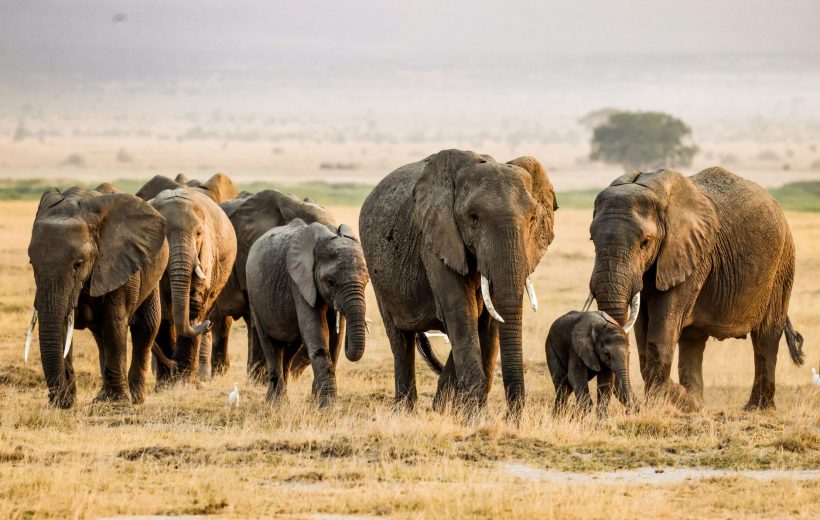
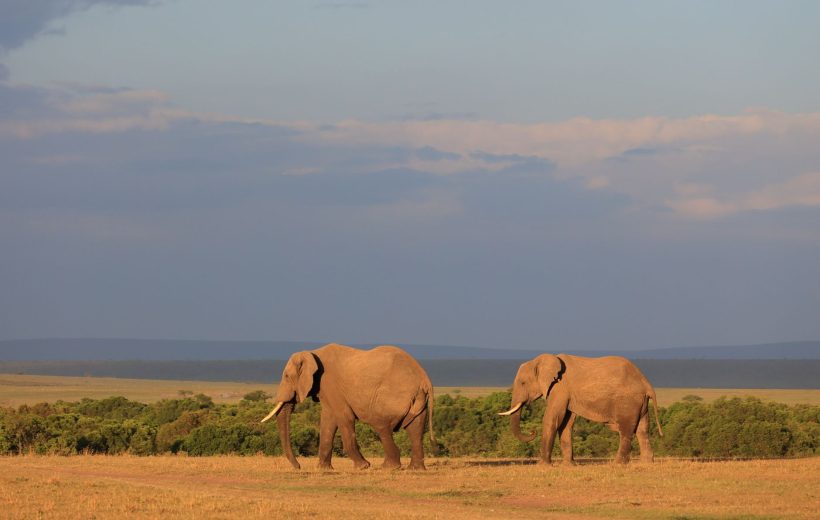
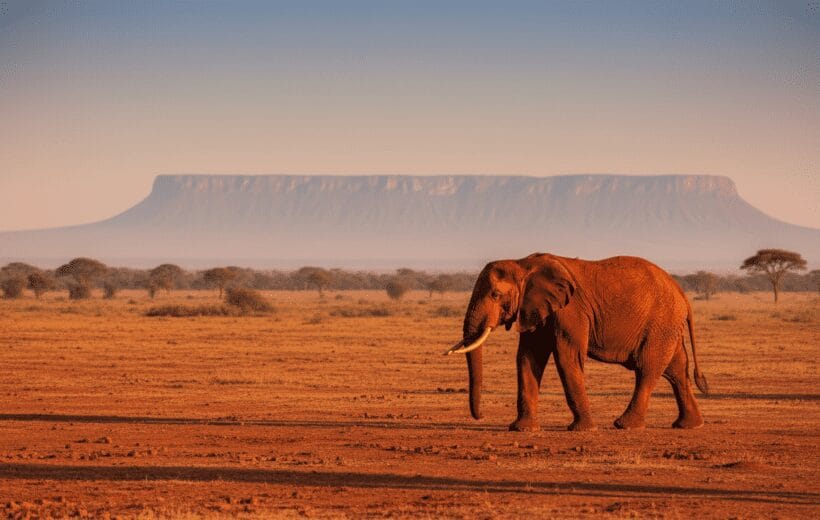
But the valley’s appeal doesn’t end there. As you explore, keep your eyes peeled for herds of elephants ambling across the plains, stealthy lions lounging in the shade, and giraffes nibbling on acacia leaves. Other frequent sightings include zebras, buffalo, various antelope species, and a plethora of birdlife accenting the dramatic landscape. In short, Rhino Valley is a must-visit for anyone hoping to experience Tsavo West’s abundant wildlife up close.
Best Time to Visit Tsavo West National Park
Timing your visit to Tsavo West can make a world of difference, depending on what you hope to experience. For wildlife enthusiasts hoping to catch the famous residents—think lions, elephants, and hippos—your best bet is the dry season, which runs from June through September. The landscape thins out, water sources shrink, and animals gather at the springs and rivers, making them much easier to spot.
On the other hand, if birdwatching is at the top of your list, the wetter months from October to May transform the park into a lush green haven. This is when migratory birds arrive, joining local species like the corncrake and Basra Reed Warbler. Photographers and nature lovers will also enjoy the dramatic scenery and vibrant plant life that comes with the rains.
So whether you’re after spectacular game viewing or hoping to tick rare birds off your list, planning your visit around your interests is key to making the most of your Tsavo West adventure.
[Image: Tsavo West National Park is located on the coastal part of Kenya covering an area of 9065 Square Kilometers. Tsavo West is a more popular tourist destination on account of its magnificent scenery like Mzima Springs, rich and varied wildlife, good road system, rhino reserve, rock climbing potential and guided walks along the Tsavo River.
What Makes the Shetani Lava Flows Unique?
One of Tsavo West’s most unusual natural features is the Shetani Lava Flows. The name “Shetani” means “devil” in Swahili, inspired by the dramatic, jet-black landscape that stretches across the terrain. Formed by volcanic eruptions hundreds of years ago, these solidified rivers of magma create an almost lunar scene—miles of rugged, twisted rock that starkly contrasts with the surrounding greenery.
The vast expanse of hardened lava not only offers a glimpse into the park’s volcanic past but also serves as a favorite spot for visitors keen on geology, photography, or simply marveling at nature’s untamed artistry. Walking near the flows, you can truly appreciate how time and natural forces have shaped this unforgettable landmark.
Volcanic Features
Tsavo West National Park is renowned not only for its wildlife but also for its remarkable volcanic landscapes. Among the park’s most striking geological highlights is the Shetani lava flow—a vast, undulating bed of black volcanic rock that stretches impressively across the landscape. The name “Shetani,” which means “devil” in Swahili, reflects local lore about the dramatic eruption that created this feature several centuries ago. Today, visitors can stroll across these hardened flows, taking in their rugged contours and imagining the fiery origins beneath their feet.
Another spot not to miss is the Chaimu Crater, often referred to as the “Devil’s Crater” in the local Kamba language. This relatively recent volcanic cone stands out with its dark, volcanic gravel and panoramic views of the park. Adventurous travelers can hike up the slopes of the crater for sweeping vistas and a close-up look at the lava formations.
For those interested in unique viewpoints and a bit of light climbing, Kichwa Tembo and the Ivory Tower offer elevated positions perfect for soaking in more of Tsavo West’s dramatic terrain. Exploring these volcanic landmarks not only adds an extra dimension to the park experience but also provides a fascinating glimpse into the geological history of this part of Kenya.
The Ngulia Rhino Sanctuary
Nestled within Tsavo West National Park lies the renowned Ngulia Rhino Sanctuary. Established to safeguard one of Africa’s most iconic and endangered species, this 70-square-kilometer sanctuary has become a safe haven for over 80 black rhinos. The sanctuary was created in response to widespread poaching in the 1960s, and today, it stands as a testament to ongoing conservation efforts.
A visit to Ngulia offers a rare opportunity to observe these elusive giants in their natural habitat—something not easily experienced elsewhere. While rhinos are typically difficult to spot due to their shy nature and dwindling numbers, the efforts at Ngulia have led to a steady population increase, allowing visitors a better chance to witness these awe-inspiring animals thriving in safety.
Activities at Safari Lodges and Camps in Tsavo West
Whether you prefer a grand lodge bustling with fellow adventurers or a quiet camp tucked beside a river, Tsavo West’s safari accommodations offer enough variety to suit any traveler’s taste. No matter your choice, a stay here is more than just a room with a view—the lodges and camps make full use of their wild surroundings, offering an array of immersive activities designed to connect you with the park’s untamed beauty.
Popular Safari Experiences Include:
- Game Drives: Most lodges arrange expertly guided drives, timed for the golden hours of early morning or late afternoon when wildlife is most active. With luck, you might spot lions lounging in the grass, herds of elephants crossing the plains, or graceful antelopes leaping through the brush.
- Bush Walks: For those seeking a more up-close perspective, guided bush walks offer a chance to experience the park’s smaller wonders—unique plants, animal tracks, and the calls of birds echoing through acacia woodlands.
- Bird Watching: Tsavo West is a haven for bird enthusiasts. Many camps are strategically located near rivers or wetlands, making them perfect launching points to spot colorful kingfishers, raptors circling above, or even rare species like the Basra Reed Warbler.
- Boat Excursions: Select lodges along the Galana or Mzima Springs may organize relaxed boat rides—ideal for viewing hippos, crocodiles, and an ever-changing parade of waterbirds.
- Salt Lick Viewing Platforms: Some lodges feature platforms overlooking salt licks or waterholes, where animals regularly gather. From the safety and comfort of these vantage points, you can watch elephants, buffalo, and the occasional leopard as they visit for a drink, especially at dusk.
- Sustainable Practices: Many camps are increasingly focused on eco-friendly operations, using solar energy, rainwater collection, and other green initiatives so you can enjoy your adventure while supporting conservation efforts.
No matter which lodge or camp you choose, you’ll find a rich menu of activities that make every sunrise and sunset in Tsavo West a new opportunity for discovery.
How to Get to Tsavo West National Park
Reaching Tsavo West National Park is straightforward and offers a few scenic options for travelers:
- By Road: The park is easily accessible by road, with good connections from Nairobi and Mombasa. Many visitors opt to drive themselves or join an organized tour for convenience.
- By Air: There are several airstrips nearby, including Chyulu, Mtito Andei, Tsavo, Jipe, and Ziwani, making it possible to fly in and start your adventure right away.
- By Rail: For a unique travel experience, you can hop aboard the Madaraka Express—Kenya’s modern railway line—which conveniently stops near the park.
Whether you prefer a leisurely drive, a quick flight, or a comfortable train journey, Tsavo West is well-connected and ready to welcome you. Been a better place for game viewing, popular attractions at the park includes; Lions, Hippos, lions, cheetah, leopards, Buffalos, diverse plant and bird species including the threatened corncrake and near threatened Basra Reed Warbler.

Gallery