Description
Masai Masai Mara National Reserve is a reserved savannah wilderness in the southwestern part of Kenya. Together with Serengeti National Park in Tanzania, as they share the same ecosystem they form one of the world top safari game viewing ecosystem.
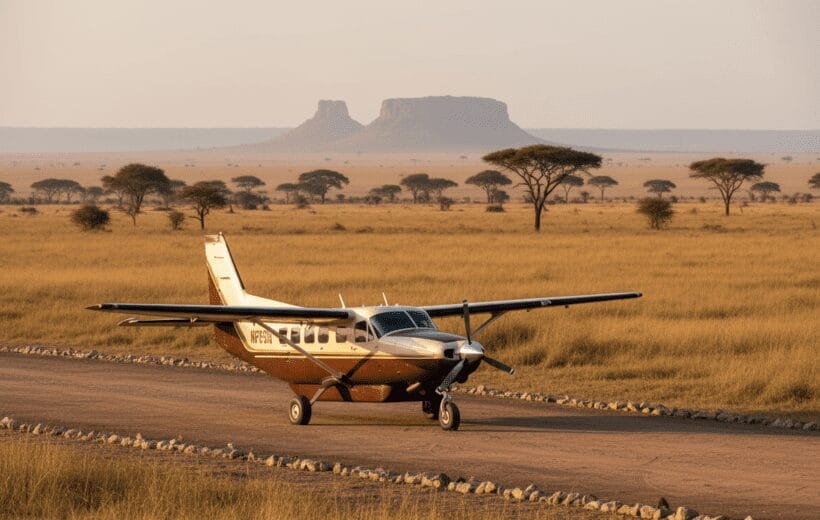
Masai Mara National Reserve covers 1,510square Kilometers and is about 27km from Nairobi Capital city by road which takes 5-6 hours and 40-45 minutes by flight from Nairobi Wilson Airport. 5-6 hours road drive, takes you to one of the games of Masai Mara National reserve; Oloololo Gate, Oloolaimutia Gate, Sekenani Gate, Musiara Gate, Talek Gate, and Sand river Gate.
The reserve offers
Crowd Levels Throughout the Year
Crowd sizes in the Masai Mara shift with the seasons. From July to October, the reserve buzzes with visitors eager to witness the iconic Great Migration, when vast herds of wildebeest and zebra thunder across the plains. This spectacle draws safari-goers from around the globe, so expect the busiest camps and lodges during these months.
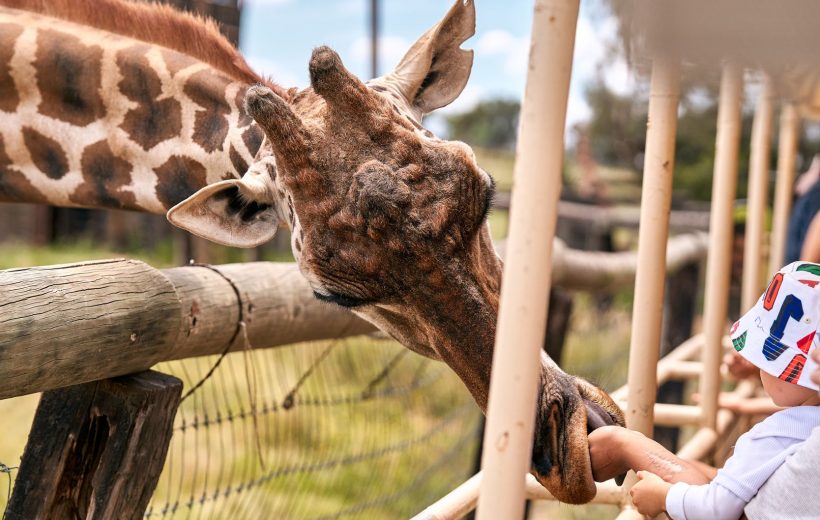
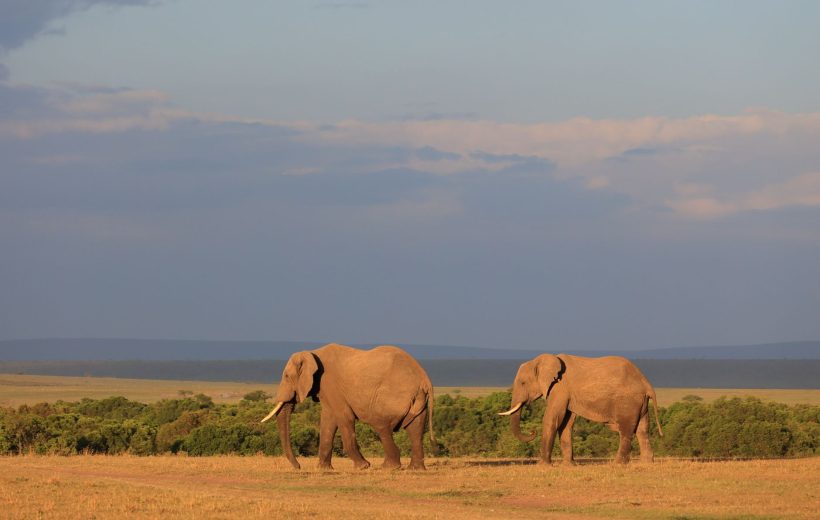
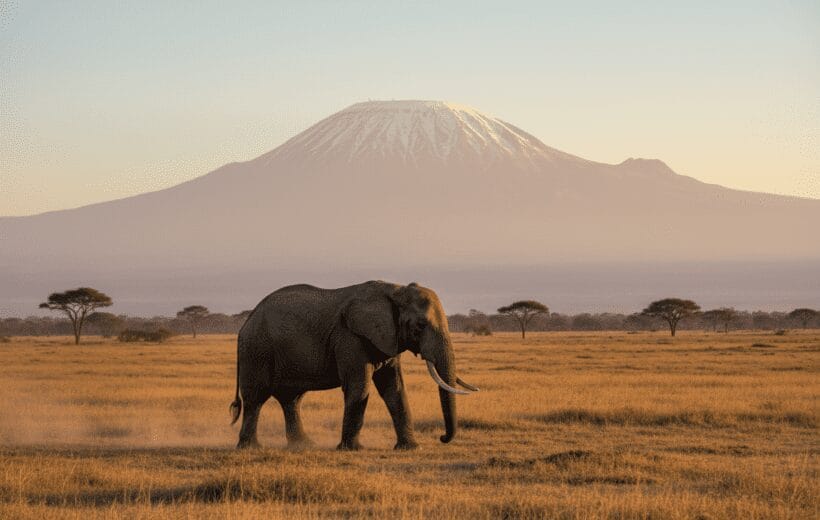
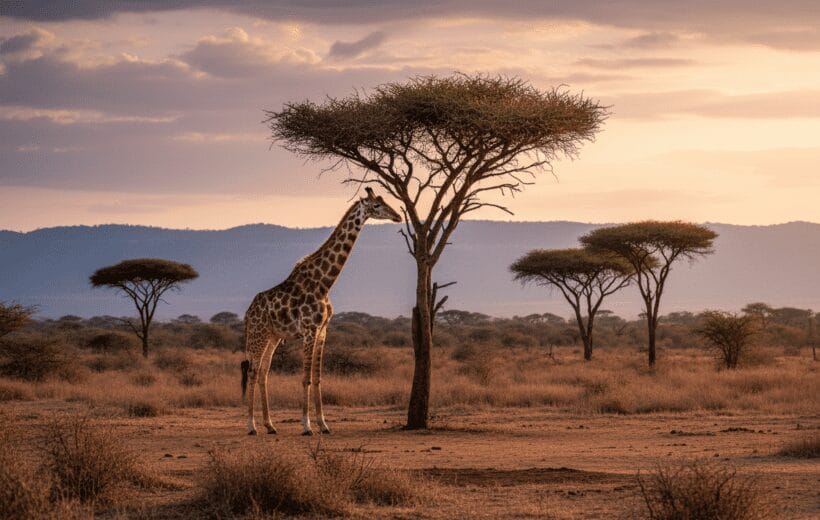
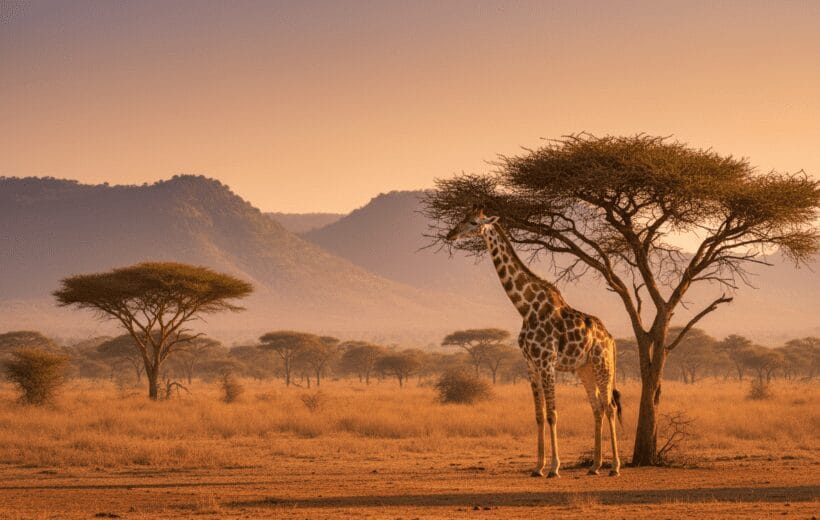
If you prefer a quieter experience without compromising on wildlife sightings, consider visiting from December to March. The migrating herds may have moved on, but resident animals—like lions, elephants, and giraffes—are plentiful, and there are fewer tourists. This period is perfect for those seeking both exceptional game viewing and a more tranquil atmosphere. many attractions as its home to a year around excellent concentration of game viewing paradise including famous millions of wildebeest, zebras, elephants, big cats (Lions, cheetahs and Leopards) alongside migratory corridor, endangered black rhino, large hippos and crocodiles and recorded 450 bird species in the reserve. Mara Ecosystem, encompasses Mara Triangle and lots of conservancies including Koiyaki, Lemek, Ol Chorro Oirowua, Mara North, Olkinyei, Siana, Maji Moto, Naikara, Ol Derkesi, Kerinkani, Oloirien, and Kimintet. Also, there are many accommodations built within and outside the Masai Mara National Reserve consisting Lodges, Tented Camps and camping grounds.
Safari Experiences in the Masai Mara
The Masai Mara is far more than a haven for wildlife viewing—it’s a vibrant destination brimming with diverse adventures for every kind of traveler.
Classic Game Drives:
Embark on guided game drives through the open savannah, where you’ll witness everything from roaming herds of elephants to the stealthy prowlers of the big cats. The early morning and late afternoon hours are prime times for spotting the reserve’s famous inhabitants, including the legendary Big Five.
Hot Air Balloon Safaris:
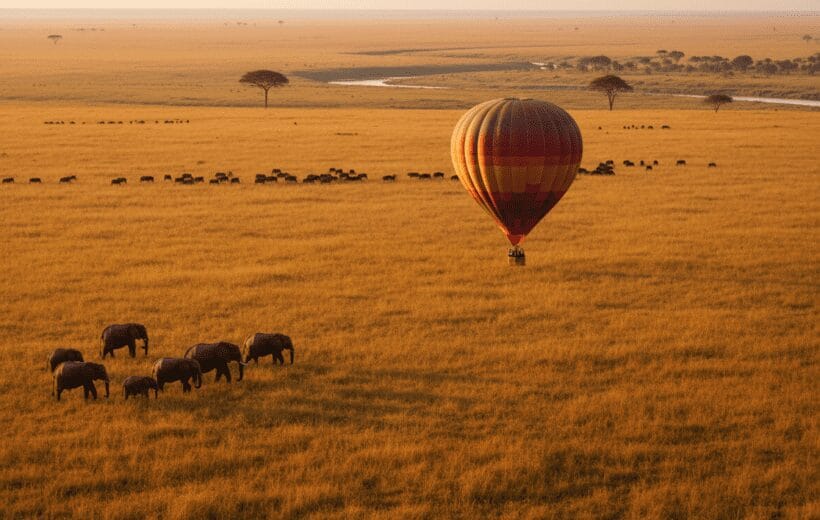
For a truly unique perspective, soar above the plains in a hot air balloon at sunrise. As the golden light bathes the landscape, you’ll float silently over grazing animals and rolling grasslands—an unforgettable way to appreciate the scale and beauty of this ecosystem.
Guided Nature Walks:
Step out on foot with an experienced Maasai guide to discover the smaller wonders of the Mara. Learn about animal tracks, traditional bush lore, and the intricate balance of life on the savannah that you might miss from a vehicle.
Cultural Encounters:
Take the opportunity to visit a Maasai village and gain insight into the traditions and daily life of the Maasai people. Engaging with local communities adds a deeper dimension to your safari, allowing you to experience authentic Kenyan hospitality, music, and storytelling.
The Great Migration:
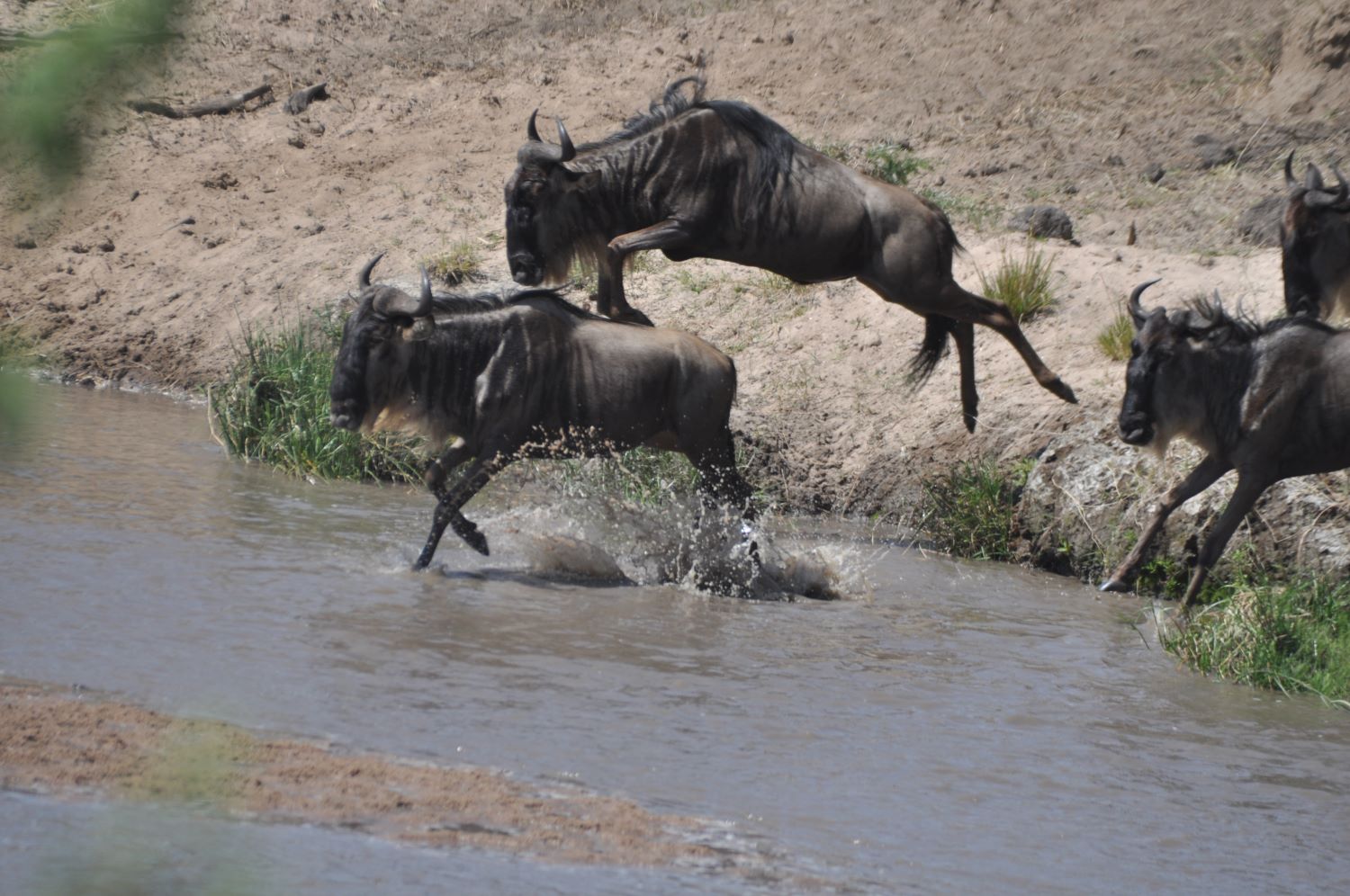
Timing your visit to coincide with the Great Migration offers a truly spectacular showcase of nature. Each year, millions of wildebeest, accompanied by zebras and gazelles, make their dramatic river crossings—a display of survival and determination unmatched anywhere else.
Whichever paths you choose, the Masai Mara promises an array of experiences for wildlife lovers, cultural enthusiasts, and adventure seekers alike.
Personalizing Your Safari Experience
One of the great joys of visiting the Masai Mara is how flexible and customizable your adventure can be. Whether you dream of early morning game drives to catch lions at sunrise, hot air balloon rides for a bird’s-eye view of the savannah, or private walking safaris with Maasai guides, it’s all possible here.
Many local outfitters and established tour operators—such as Gamewatchers Safaris, Asilia Africa, and Elewana Collection—allow you to shape your itinerary to match your interests and comfort. Options include:
- Private Game Drives: Arrange drives at your own pace, focusing on your favorite animals or landscapes, with a knowledgable local guide.
- Exclusive Camps: Choose between luxury lodges or intimate tented camps that offer customized meal plans, bush breakfasts, sundowners, and even spa treatments in the wild.
- Specialized Activities: Add cultural visits to nearby Maasai villages, guided nature walks, or birding excursions, tailored to your curiosity.
- Family-Friendly Packages: Select family-friendly lodges with special children’s activities, babysitting, and educational experiences.
Simply let your safari organizer know what you hope to see and do—the beauty of the Masai Mara lies in creating a journey as unique as you are.
Notable Camps and Lodges in the Masai Mara
Accommodation options in and around the Masai Mara are as varied as the landscape itself, offering everything from classic tented camps to stylish, contemporary lodges. Whether you’re seeking a romantic retreat beneath the stars, a family-friendly basecamp, or an authentic safari experience, there’s something for every type of traveler.
Some well-regarded choices include:
- Mara Plains Camp – Nestled in a private conservancy on the edge of the reserve, Mara Plains Camp is set within a lush forest overlooking the Ntiakitiak River. This camp blends exclusivity with the feel of nature right outside your tent.
- Olonana Lodge – Situated on the picturesque banks of the Mara River, this sophisticated tented camp offers the chance to spot hippos from your veranda and unwind in a peaceful riverside setting after a day on safari.
- Sala’s Camp – Located in a quieter corner of the Masai Mara, Sala’s Camp promises both tranquility and easy access to spectacular wildlife sightings, especially during the annual migration.
- Cottar’s 1920s Safari Camp and Bush Villa – Step back in time at this renowned camp, where vintage safari elegance meets superb guiding and exceptional service, all on the park’s southeastern boundaries.
Beyond these, the region hosts plenty of smaller bush camps, community-run lodges, and eco-conscious retreats, each offering a unique window onto the Mara’s rich ecosystem. Many of these properties work closely with local Maasai communities and support conservancy initiatives, allowing guests to experience the region’s incredible diversity while helping to preserve its future.
Experiencing Maasai Culture in the Masai Mara
Visitors to the Masai Mara have a unique opportunity to immerse themselves in the rich cultural heritage of the Maasai people, one of Kenya’s most renowned communities. Many local villages—known as “Manyattas”—welcome guests for guided visits, where you can observe traditional dances, try your hand at beading or spear-throwing, and learn firsthand about their customs and way of life.
During your stay, you may also witness genuine Maasai ceremonies, listen to captivating stories passed down through generations, and participate in everyday activities such as milking cattle or crafting intricate beadwork. These experiences, often organized in partnership with local communities and conservancies, provide an authentic insight into the Maasai’s deep connection with the land and wildlife that surrounds the Masai Mara.
Exploring these cultural encounters not only enriches your safari adventure but also supports community development and conservation efforts across the region.
[Image: masaiMasai Mara National Reserve is a reserved savannah wilderness in the southwestern part of Kenya. Together with Serengeti National Park in Tanzania, as they share the same ecosystem they form one of the world top safari game viewing ecosystem. Masai Mara National Reserve covers 1,510square Kilometers and is about 27km from Nairobi Capital city by road which takes 5-6 hours and 40-45 minutes by flight from Nairobi Wilson Airport. 5-6 hours road drive, takes you to one of the games of Masai Mara National reserve; Oloololo Gate, Oloolaimutia Gate, Sekenani Gate, Musiara Gate, Talek Gate, and Sand river Gate. The reserve offers many attractions as its home to a year around excellent concentration of game viewing paradise including famous millions of wildebeest, zebras, elephants, big cats (Lions, cheetahs and Leopards) alongside migratory corridor, endangered black rhino, large hippos and crocodiles and recorded 450 bird species in the reserve.
Best Time to Visit Masai Mara National Reserve
While the Masai Mara is a prime safari destination all year round, your experience will depend on what you hope to see. For travelers eager to catch the awe-inspiring Great Migration—where millions of wildebeest and zebras thunder across the plains—the peak season runs from July through October. This is when river crossings happen and predators like lions and crocodiles are never far behind.
If you prefer a quieter safari with fewer vehicles but still want excellent wildlife sightings, consider visiting between December and March. During these months, the resident game remains abundant, birdlife is prolific, and the landscape is lush after the short rains. No matter when you go, the Masai Mara promises memorable encounters with Africa’s iconic animals.
The Great Migration: Nature’s Grandest Spectacle
One of the Masai Mara’s most celebrated marvels is the annual Great Migration. This awe-inspiring event typically occurs between July and October, when over two million wildebeest, along with hundreds of thousands of zebras and gazelles, journey north from Tanzania’s Serengeti into Kenya’s Masai Mara.
Drawn by the promise of fresh grazing after seasonal rains, these immense herds thunder across the savannah, braving dramatic river crossings at the Mara and Talek rivers. The spectacle is more than just the movement of animals—it’s a thrilling contest of survival, where crocodiles wait below swift currents and predators like lions, leopards, and cheetahs lie in pursuit.
If you visit the Masai Mara during the migration months, you’ll witness one of nature’s most impressive pageants—a constantly shifting tapestry of wildlife, dust, and drama that unfolds each year in this world-renowned reserve.
How to Witness the Great Migration in East Africa
Perhaps the most spectacular wildlife phenomenon in the world, the Great Migration unfolds across the shared savannahs of the Serengeti and the Masai Mara. But seeing it in all its grandeur requires a bit of strategy—and a dash of adventure.
The wildebeest, zebra, and gazelle herds are guided by the promise of fresh grazing, moving in a massive circuit that’s dictated not by calendars, but by the unpredictable hand of seasonal rains. Timing your visit—whether you plan months ahead or decide on a last-minute adventure—hinges on understanding this ancient rhythm.
Tips for Finding the Migration:
- Track the Rainfall: The animals follow the rains, so if the grasses are green, the herds are not far behind. Typically, the migration moves north from Tanzania‘s Serengeti between June and July, and enters Kenya’s Masai Mara around August, remaining through October before heading south again.
- Stay Close to Action: Accommodations in the Mara Triangle, Talek, or near the Mara River offer an excellent base. These areas are renowned for dramatic river crossings, where crocodiles and big cats lie in wait.
- Travel with an Experienced Guide: Local guides and rangers possess an uncanny ability to read the landscape—spotting fresh tracks, following calls, and positioning your safari vehicle at the edge of the action, all while respecting the delicate balance of nature.
- Consider Private Conservancies: Places like Mara North, Olare Motorogi, and Naboisho Conservancy often provide a more exclusive experience, with guided walks and fewer vehicles crowding the viewing spots.
No matter where you end up, keep your camera ready and your expectations wide open—the migration offers something marvelous at every turn, whether it’s a thunderous crossing or a hush over the endless grasslands. Mara Ecosystem, encompasses Mara Triangle and lots of conservancies including Koiyaki, Lemek, Ol Chorro Oirowua, Mara North, Olkinyei, Siana, Maji Moto, Naikara, Ol Derkesi, Kerinkani, Oloirien, and Kimintet. Also, there are many accommodations built within and outside the Masai Mara National Reserve consisting Lodges, Tented Camps and camping grounds.]