Most Kenya safaris stay south. This one heads north first: and the difference in what you see is remarkable.
Why Kenya Is Perfect for First-Time Visitors
Kenya is often described as the ideal introduction to Africa—and it’s easy to see why. For starters, getting there is refreshingly simple. Major airlines fly direct from London and other international hubs, allowing you to snooze through your flight and wake up just in time for your first bush breakfast.
But it’s not just about convenience. Kenya rolls out the red carpet for newcomers with stunning landscapes that leap from the pages of National Geographic—think broad savannahs speckled with acacia trees and postcard-perfect sunsets. Even before you’ve landed in Nairobi, you might spot giraffes browsing peacefully on the outskirts of the city.
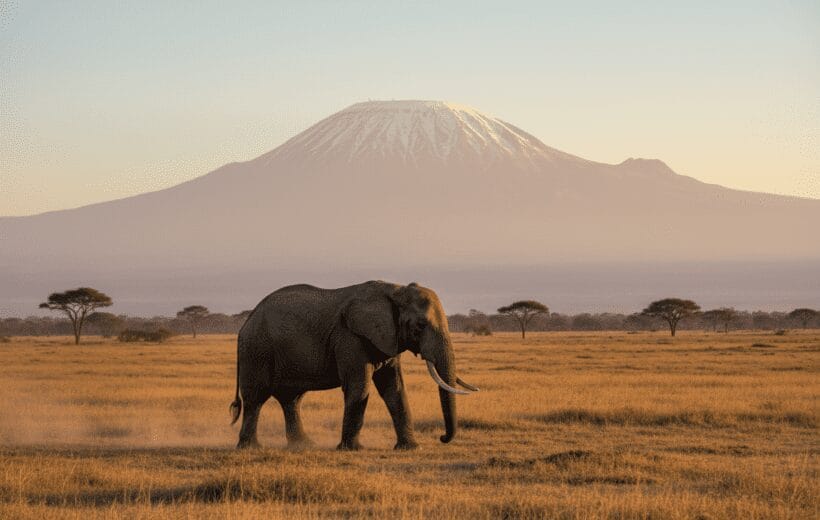
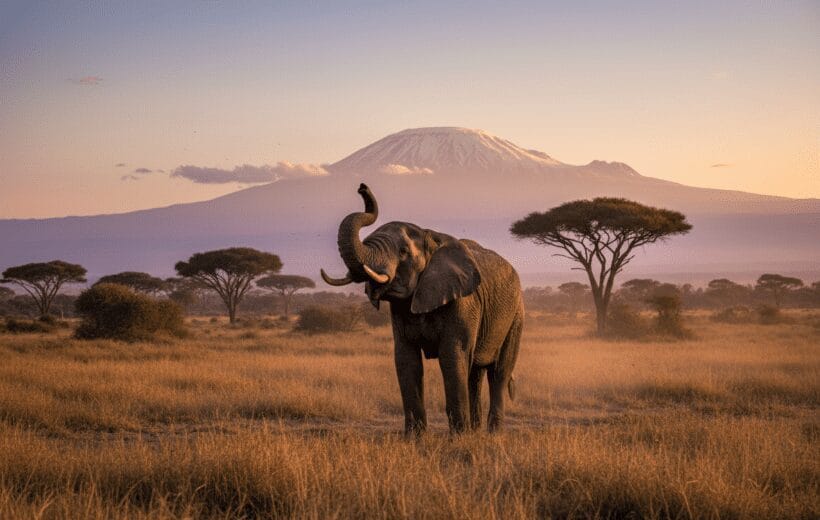
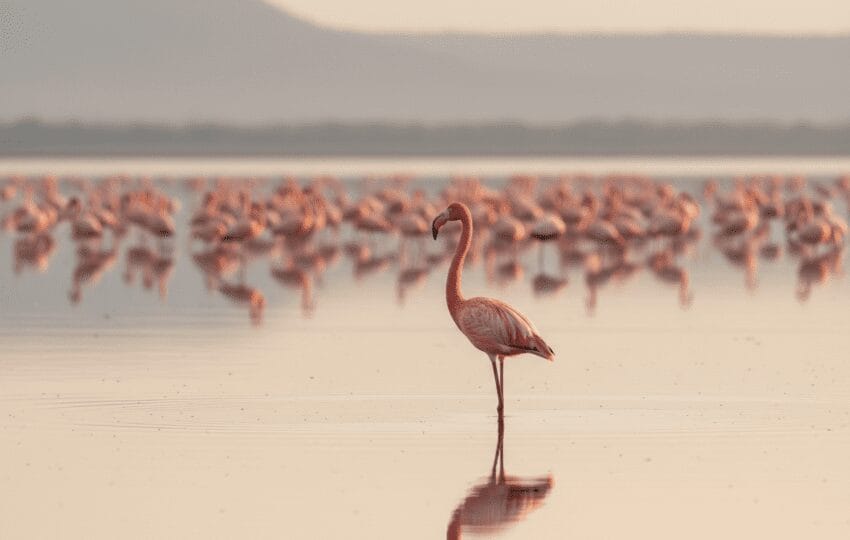
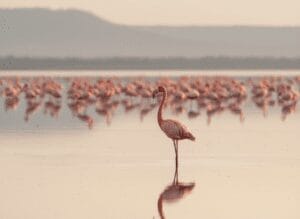
Navigating Kenya feels straightforward and stress-free, too. Superb guides and operators handle everything from airport pickups to wildlife tracking, so you can focus on soaking up the magic. If you’re new to safaris, classic parks like Amboseli and Lake Nakuru offer a gentle, awe-inspiring start—where elephants and flamingos are as plentiful as the stories you’ll come home to tell.
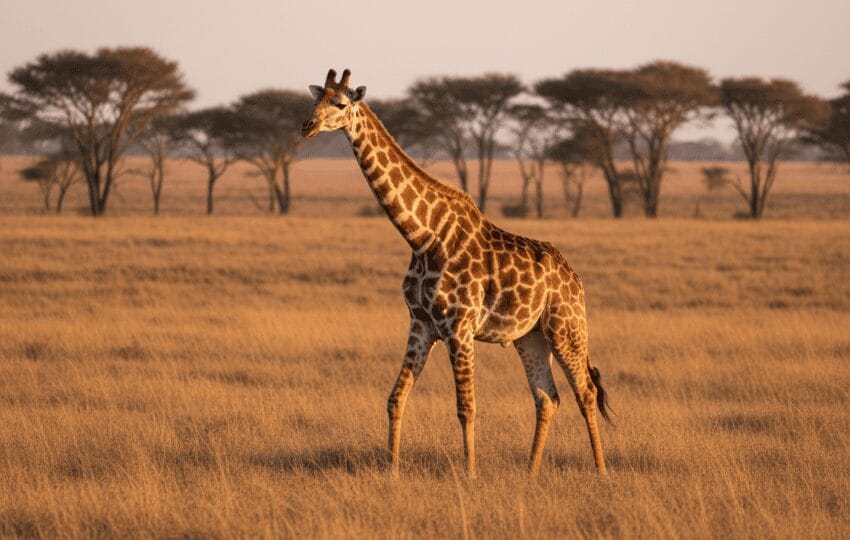
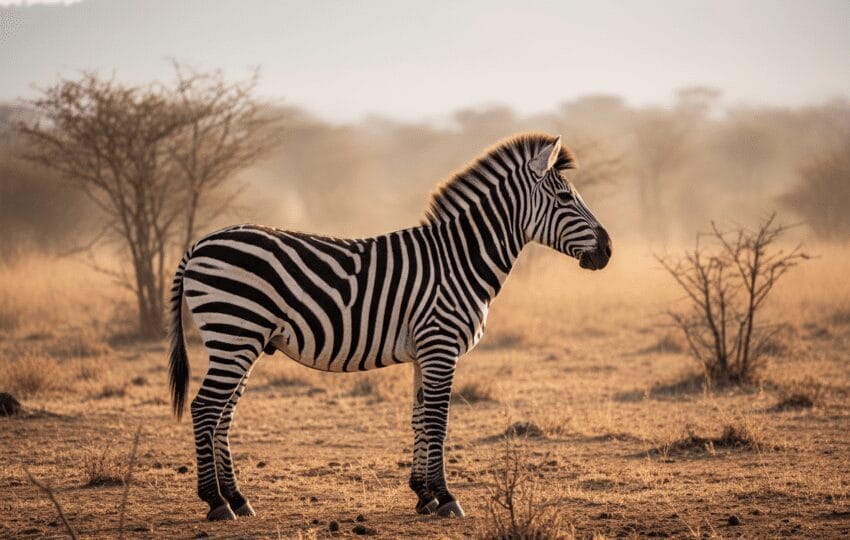
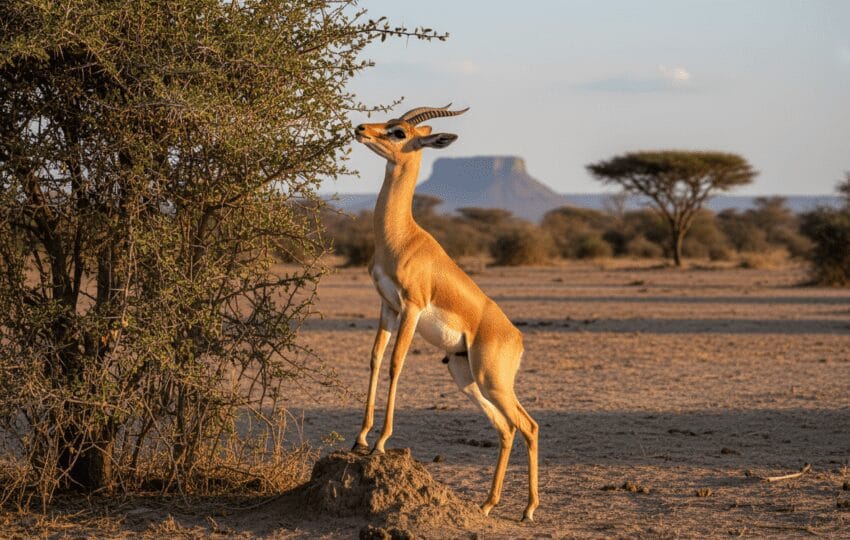
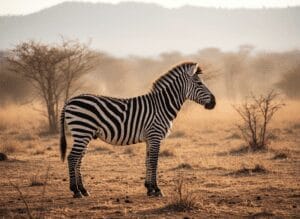
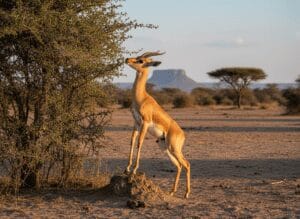
In short, Kenya offers a smooth, spectacular first step into Africa: logistically easy to reach and rich with scenes you’ll remember for a lifetime. Samburu National Reserve sits on the edge of Kenya's semi-arid north, where five animals live that are found nowhere else in the country: the reticulated giraffe (world's tallest), the Grevy's zebra (world's largest zebra, with narrower stripes than the common species), the long-necked gerenuk, the Somali ostrich, and the Beisa oryx. These are the Northern Five: a completely different cast from the Masai Mara, and many experienced safari-goers say Samburu is Kenya's best-kept secret. After two days in Samburu we head south through the Rift Valley, stopping at Lake Nakuru for its flamingo spectacle and rhino sanctuary, and then into the Masai Mara for the Big Five finale. By the end of this circuit you will have seen more Kenya wildlife species than on any other 7-day itinerary we offer.
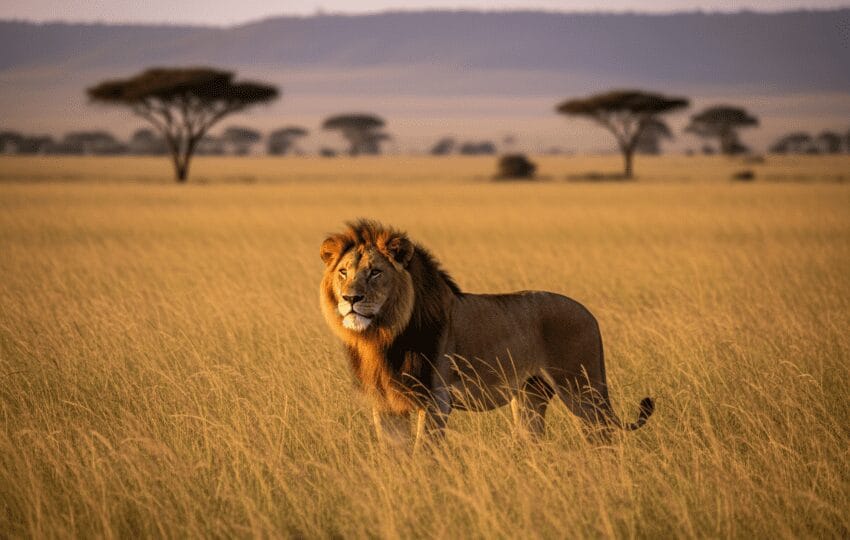
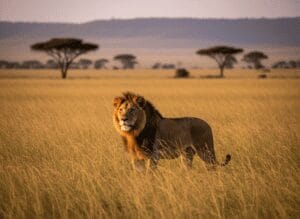
Not only will you tick off the Northern Five in Samburu—reticulated giraffe, Grevy's zebra, Somali ostrich, gerenuk, and Beisa oryx—but you’ll also have an excellent chance to spot the classic “Big Five”: lion, leopard, elephant, buffalo, and rhino. The route passes through a remarkable range of habitats, so you can expect to see not just the headline animals but also countless other species you may not have even known to look for—everything from big cats in the Mara, to flamingos carpeting the shores of Lake Nakuru, to herds of buffalo and unique dry-country specialists you won’t find in the south.
Of course, every safari day is different—nature never guarantees a checklist. But this itinerary gives you the best possible odds, traversing Kenya’s most diverse regions and maximizing your chances for exceptional sightings, from zebra and giraffe to lesser-known wonders that make each drive a surprise.
When to Visit: The Ideal Safari Season in Kenya
So, when should you pack your binoculars and set out in search of the Big (and Northern) Five? Kenya’s wildlife drama plays out year-round, but the timing of your visit shapes what you’ll see—and how you’ll experience it.
June to October is widely considered the sweet spot. This is Kenya’s Dry season, when the bush thins out, and animals flock to waterholes and rivers. Game viewing is at its peak: you’re more likely to spot lions, elephants, and Samburu’s unique residents. Dusty roads, yes, but also glorious, wildlife-packed days.
If you prefer a quieter, greener wilderness, plan your safari between November and February. This “short rains” window transforms landscapes into a lush, emerald wonderland. Animals are still easy to find, and you’ll enjoy fewer crowds and sometimes tempting low-season rates. It’s a photographer’s dream, with crisp air and dramatic skies.
However, April and May—the heavy rains—can be a challenge. Some lodges in Samburu and the Mara close, and muddy tracks may slow you down. But for sheer spectacle, time your Masai Mara visit for August through October: this is the legendary Great Migration season, when wildebeest torrents thunder across the plains on their annual journey.
In short, while Kenya never fully takes a break from its wildlife show, the best seats are usually available during the drier months. Plan accordingly for the experience that calls to you most—whether that’s flamingo-filled lakes, secretive northern species, or the epic river crossings of the Mara.