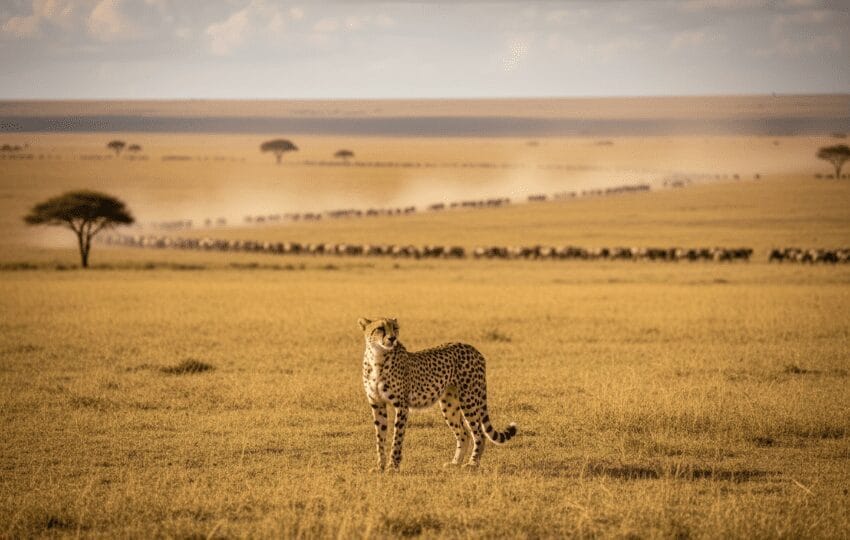
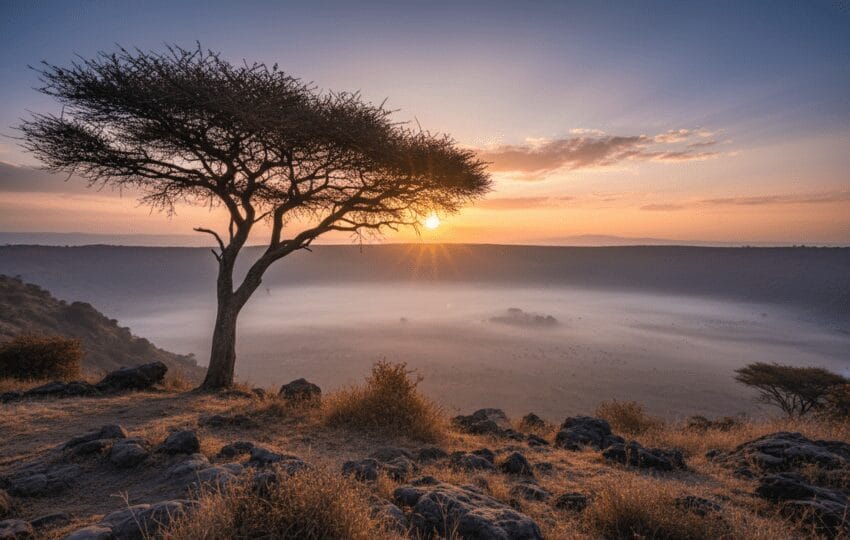
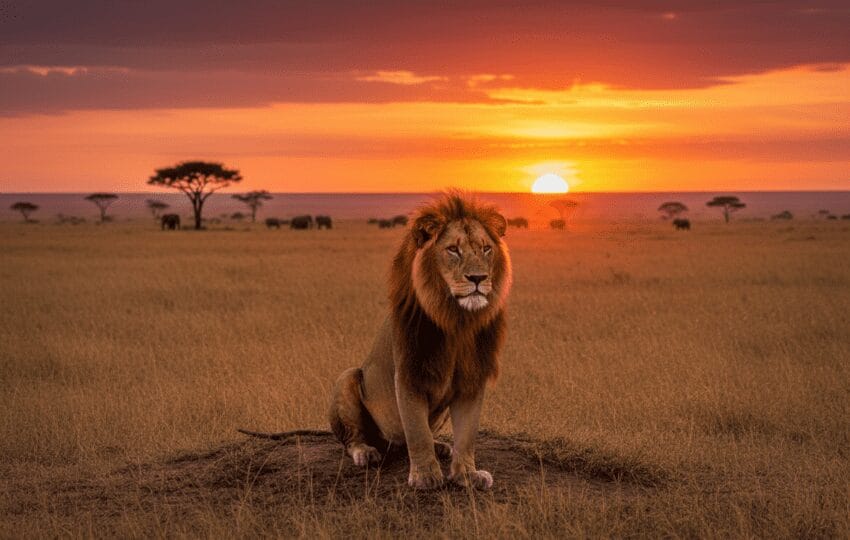
Kenya and Tanzania share the same sky, the same wildlife, and the same Great Migration. This 10-day safari crosses from one to the other.
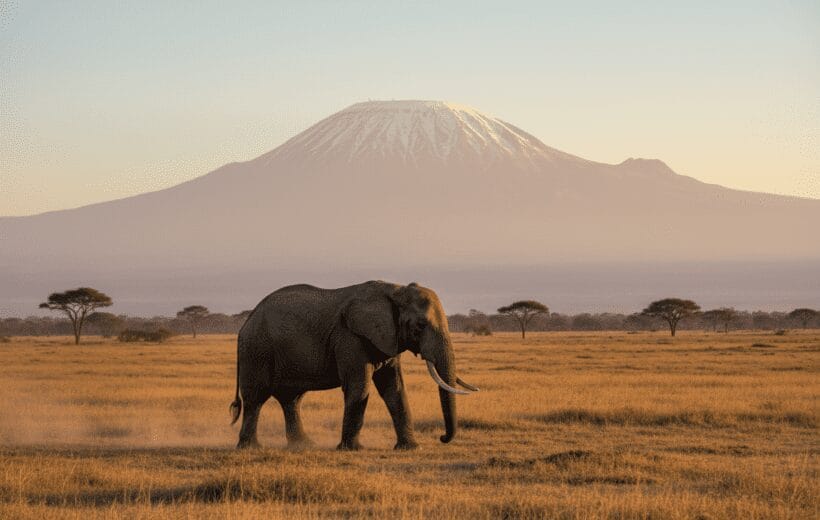
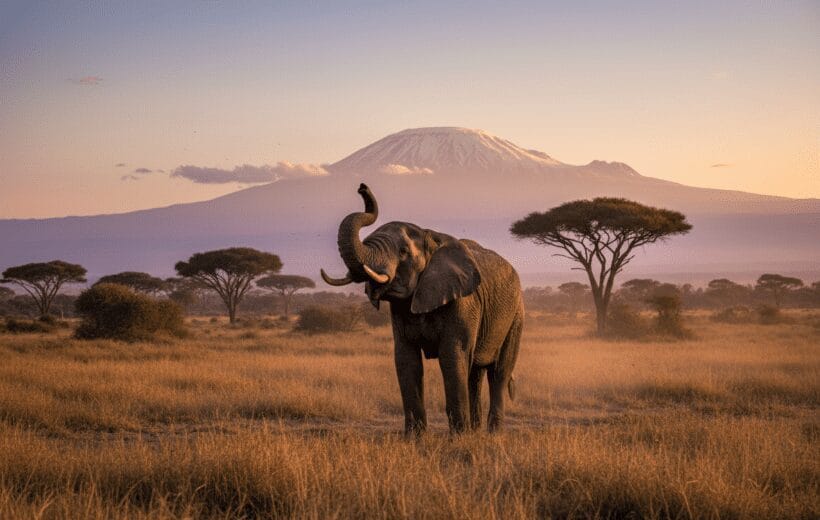
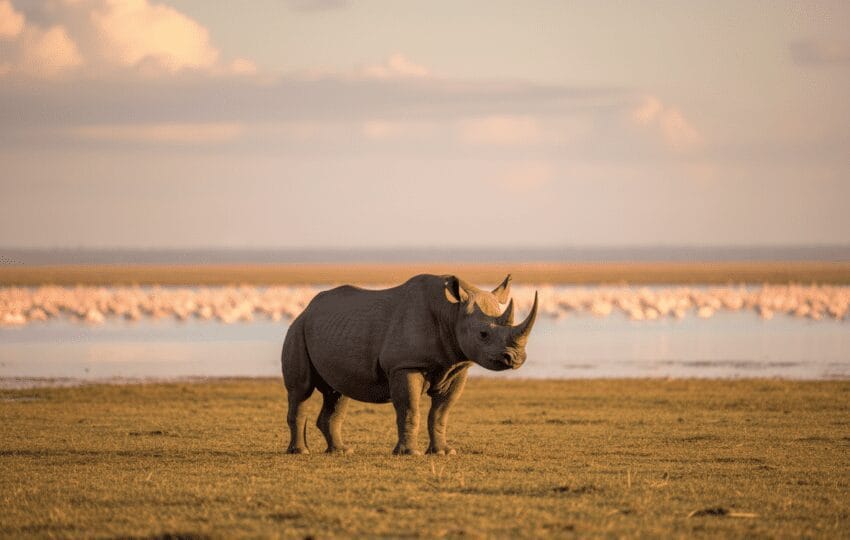
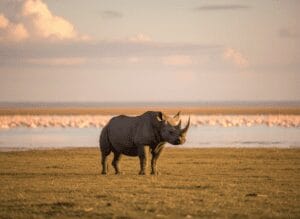
We spend the first five days in Kenya: two nights in the Masai Mara for Big Five game drives and Mara River crossings, a full day at Lake Nakuru for flamingoes and rhino, and two nights in Amboseli for the Kilimanjaro elephant backdrop. Alongside these classic highlights, Kenya’s safari experience is enriched by its diversity: not only do we traverse the iconic Masai Mara and Amboseli, but we also journey through landscapes that range from acacia-dotted plains to shimmering alkaline lakes. In Kenya, it pays to look beyond the well-known parks—especially around the Mara, where community-run conservancies offer a more exclusive experience, fewer vehicles, and special permissions for night drives, off-road safaris, and authentic encounters with local Maasai communities.
This blend of world-famous reserves and lesser-visited conservancies sets the stage for a truly rewarding safari, both for wildlife viewing and for immersing yourself in Kenya’s vibrant landscapes and cultures. Then we cross the Namanga border: we handle all the paperwork: and drive south into Tanzania. Four more days follow in Tanzania's legendary Northern Circuit: the Serengeti for the Great Migration herds and the big cats that follow them, and Ngorongoro Crater: a 260 sq km ancient caldera where all Big Five are present year round and the viewing is unlike anywhere else in Africa.
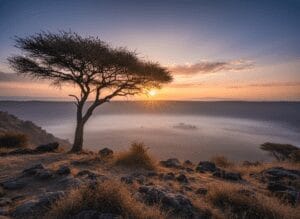
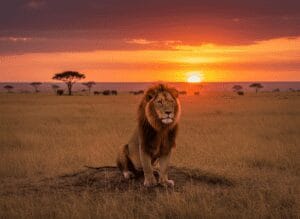
Tanzania’s landscapes are pure magic—endless, acacia-dotted plains and dramatic volcanic craters set the stage for some of Africa’s most spectacular wildlife experiences. Every game drive here feels like you’ve stepped into a live nature documentary: lions and cheetahs on the prowl, elephants lumbering through the grasses, giraffes and zebra painting the horizon. The sheer abundance and diversity of wildlife, from baboons to buffalo, dazzles even the most seasoned safari-goers.
Whether you visit during the lush green of the rains or the golden glow of the dry season, each month brings its own unique charm. Sunsets are unforgettable, and the warmth of Tanzanian hospitality is ever-present in the camps and lodges along the way.
The descent into the crater at dawn is one of the moments we hear about from guests for years. This is the most complete East Africa circuit we offer.
Best Time for a Kenya and Tanzania Safari
If you’re planning your East Africa safari, timing really is everything. The sweet spot? June through October. This is the Dry season, when blue skies dominate, the temperatures are pleasant, and wildlife viewing is at its easiest. With water sources in short supply, animals gather around rivers and waterholes—meaning you’re more likely to catch those dramatic Big Five encounters (and less likely to worry about an unexpected downpour).
But don’t count out the rest of the year. If your binoculars live for wings and feathers, November to April is peak birdwatching—millions of migratory birds flock to Kenya and Tanzania during these months. This period also coincides with the calving season in the southern Serengeti, which means a safari can bring glimpses of newborn wildebeest and the predators that follow.
And if sand and surf are calling, you’re in luck. The Indian Ocean coastlines—from Diani in Kenya to Zanzibar in Tanzania—are warm year-round, regardless of a brief rainy spell. In short, whether you seek the drama of the Great Migration, flocks of flamingoes at Lake Nakuru, or just a sundowner by the sea, there’s a season for every traveler here.
Why Visit During the Dry Season?
Timing your safari between June and October, the heart of East Africa’s dry season, comes with a couple of major perks.
First, you’ll enjoy reliably clear skies—perfect for photos and uninterrupted game drives. With the rainy season on pause, you won’t be dodging sudden showers or worrying about muddy tracks.
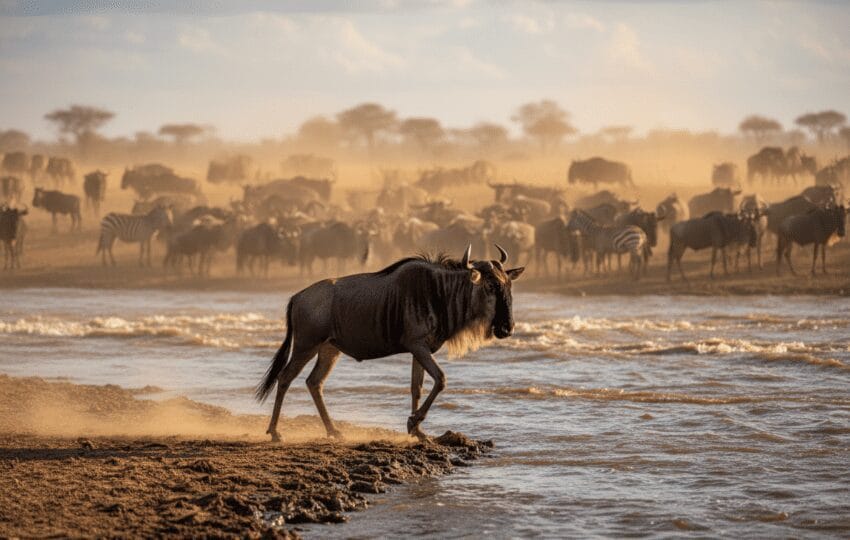
Second, as the bush dries out and water becomes scarce, wildlife congregates around rivers and watering holes. This natural gathering makes it far easier to spot elephants, lions, rhinos, and more—no need to play hide and seek in thick foliage. Remarkably, this is also when the Great Migration unfolds in full force, making your chances of catching dramatic river crossings in the Mara or Serengeti that much higher.
Combined, these advantages make the dry season the most rewarding window for anyone hoping to witness East Africa at its wildest and most vibrant.
Is Tanzania Right for First-Time and Repeat Safari Travelers?
Absolutely—Tanzania is a classic for a reason. Whether you're new to safari life or returning for another adventure, Tanzania delivers in spades. First-timers will be awestruck by the scale: the Serengeti’s endless savannas, the drama of the Great Migration, and mornings surrounded by wildebeest herds as far as the eye can see.
But return travelers never find the same story twice. Each season brings fresh wildlife spectacles—ranging from the calving of wildebeest in February to the predator-charged crossings of the Mara River in July. The Ngorongoro Crater serves up close encounters with lions, rhinos, and elephants all year, and the birdlife shifts dramatically between the green and dry seasons.
So whether you’re ticking off your first Big Five sighting or tracking new migration routes, Tanzania offers both the sense of discovery and the comfort of wild familiarity. Every game drive feels like a new chapter in an old favorite book.
What Travelers Say: Firsthand Impressions of Tanzania’s Parks and Wildlife
If you're wondering what to actually expect on the ground in Tanzania, rest assured: the verdict from seasoned explorers and first-time visitors alike is overwhelmingly glowing.
Travelers rave about Tanzania’s abundance of wildlife, often comparing it to walking onto the set of a real-life nature documentary. Many recount watching lions lounging in the shade, elephants herding their calves, and giraffes gliding across open plains—sometimes all within a single game drive. The landscape diversity also leaves a lasting impression, from the scattered baobab groves of Tarangire to the dramatic, misty bowl of Ngorongoro Crater.
A few highlights repeat across reviews:
- Wildlife Everywhere: Guests are consistently astonished by how much they see up close—from prides of lions to playful baboon troops, and even elusive rhinos. Every drive seems to unveil something new.
- Guides Who Go the Extra Mile: Whether traveling with local experts or established international operators like &Beyond or Wilderness Safaris, visitors often praise their guides for turning every excursion into a blend of adventure and education.
- All Seasons, Something Special: No matter the time of year, travelers find the parks magical. Some love the lush green after the rains for its vivid scenery and baby animals, while others rave about the dry-season drama of river crossings and predator action.
- Warm Hospitality: Beyond the animals, there’s frequent mention of the genuine warmth you’ll meet everywhere, from Maasai hosts to camp staff and rangers.
- Unforgettable Moments: From sundowners with views of Mount Kilimanjaro’s snowcap, to predawn descents into Ngorongoro, to the pink spectacle of flamingos at Lake Manyara, reviewers highlight countless “pinch-me” experiences.
Whether you’re a wildlife aficionado or simply looking for your first taste of the African bush, Tanzania’s national parks seem to deliver those lifelong memories in spades.
Northern vs Southern Circuits: Two Faces of Tanzanian Safari
So, what sets Tanzania’s northern and southern safari circuits apart?
The northern circuit is the classic “greatest hits” route—think Serengeti, Ngorongoro Crater, Lake Manyara, and Tarangire. These parks are magnets for the Big Five and migration herds, with infrastructure and logistics tailored for smooth overland journeys. The northern route is also easy to combine with Kenya safaris, which makes it the staple for first-timers: you get the iconic scenes—endless savannah, river crossings, tree-climbing lions—wrapped up in a neat, well-organized package.
Head south, and the landscape—and experience—shifts. The southern circuit offers vast, wilder parks like Ruaha, Nyerere (formerly Selous), and Mikumi, where you’ll encounter fewer vehicles and travelers. It’s fly-in territory, with a slower pace and a more remote feel. Game viewing is still outstanding, but it’s less about the crowds on the migration trail and more about private moments—boat safaris, extensive walking trails, and hidden wildlife encounters. For the truly adventurous (or the chimp-obsessed), the far west calls with places like Gombe and Mahale, legendary for chimpanzee trekking along Lake Tanganyika’s shore.
In sum, the north is about classic blockbuster wildlife and streamlined routes, while the south is your ticket to off-the-beaten-path intimacy and a healthy dose of solitude. Choose your own adventure—or let both circuits surprise you.
Community-Run Conservancies in Kenya
Kenya, especially around the Masai Mara, is home to a network of community-run conservancies that offer a refreshing alternative to traditional safari circuits. These conservancies work closely with local Maasai communities—so you’re not just a visitor on the landscape, but a guest on lands managed by those who know them best.
What makes these conservancies stand out?
- Smaller Crowds: Visitor numbers are carefully managed, which means you’re far less likely to end up in a traffic jam of safari vehicles.
- Unique Activities: Many conservancies allow for night drives and off-road excursions, giving you access to wildlife encounters and sights not typically offered in the main parks.
- Local Engagement: Safari walks, cultural visits, and even participation in conservation projects can be organized directly with community members—adding real depth to your experience while supporting sustainable tourism.
If you’re seeking a more intimate and immersive safari with the added bonus of supporting grassroots conservation and local livelihoods, these Kenyan conservancies are hard to beat.
Origin of the Term "Big Five"
Before they became the rock stars of wildlife photography, the "Big Five"—lion, leopard, elephant, rhino, and buffalo—were defined by something else entirely: danger. The term was coined in East Africa by big-game hunters of the late 19th and early 20th centuries. These animals weren’t just the largest around; they were considered the most challenging and perilous to hunt on foot.
Today, of course, the story has flipped. Now travelers flock from all over the world to marvel at the Big Five in their native habitats, cameras in tow rather than rifles. While the term’s origins may be rooted in the era of safari pioneers, its spirit endures—except now, the only thing we’re aiming for is the perfect shot (the photographic kind).
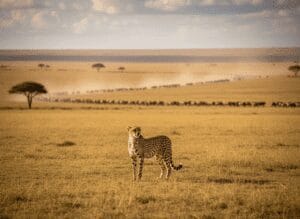
And while spotting all five in one trip is a badge of honor, East Africa’s wild stage offers up plenty more crowd-pleasers: think cheetahs streaking over the savanna, vast herds of wildebeest on the move, stately giraffes, and striped zebras that seem to have wandered out of a surrealist painting. This safari is every bit as much about those moments as it is about checking a box next to legendary names.