
Aberdare National Park: Tree Hotels, Big Five and What to Expect on Safari
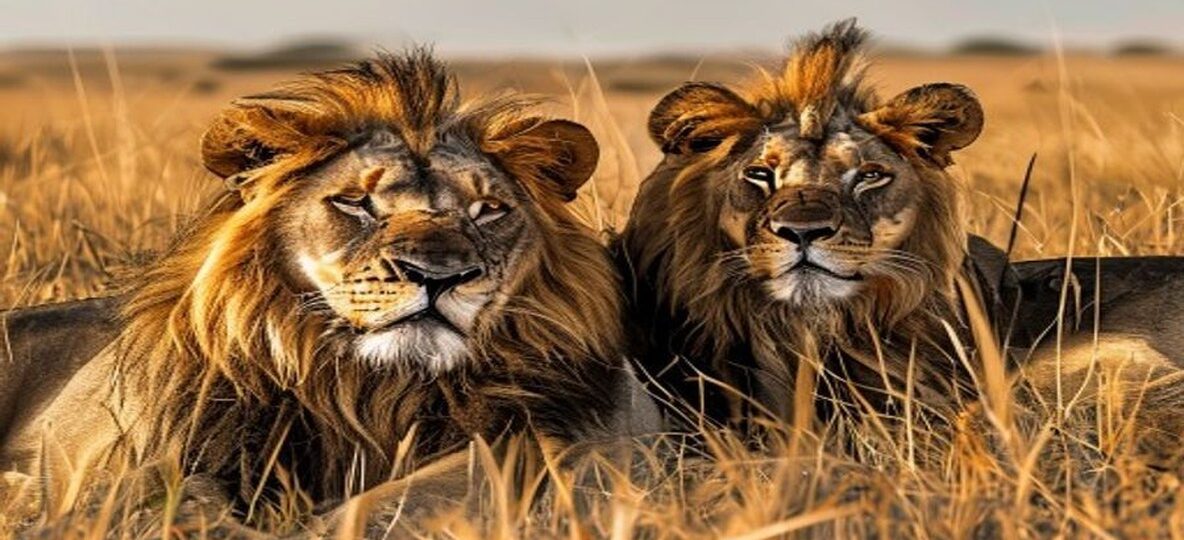
Most first-time Kenya safari travellers spend their entire trip below the equatorial heat line: Masai Mara, Amboseli, Tsavo. The Aberdares sit above all of that, at altitudes between 2,000 and 4,000 metres, in a landscape of bamboo forest, montane moorland, and hidden waterfalls. Wildlife here includes all of the Big Five, and the park’s most famous safari experience is unlike anything else in Kenya: sitting in an elevated tree hotel above a floodlit waterhole, watching elephant, rhino, buffalo, and leopard arrive through the night. For more detail, read our Community Conservancy Stay Park Lodge Near Amboseli.
Trunktrails Safaris includes Aberdare in many of our central Kenya circuits, often combined with Ol Pejeta Conservancy and Mount Kenya. This guide covers everything you need to plan an aberdare national park safari properly. 🌍
What Is Aberdare National Park and Why Is It Different?
Aberdare National Park covers 767 square kilometres of highland forest, bamboo belt, and open moorland in the Aberdare Range of central Kenya. The range forms part of Kenya’s main watershed, and several of Kenya’s major rivers, including the Tana, originate here.
The park’s highland location means temperatures are cool compared to savannah parks, frequently 10-18 degrees Celsius even at midday. Rainfall is higher, the vegetation denser, and the wildlife encounters feel more intimate: animals emerge from thick forest rather than open plain, often at very close range.
What makes the Aberdares genuinely different:
- The only Kenya park with certified tree hotels above wildlife waterholes
- Black rhino in highland forest habitat (unusual for Kenya)
- Bongo antelope (extremely rare, forest-specialist; Aberdare is one of their last strongholds)
- Waterfalls: Karuru Falls and Gura Falls are among the tallest in Africa
- Montane moorland terrain (unlike any other Kenya park ecosystem)
- All five of the Big Five within a single fenced reserve
The aberdare big five are present in genuine density. Elephant herds of 20-50 animals are common at the waterholes. Buffalo are frequently seen in the bamboo belt. Leopard is spotted more reliably here than in many open savannah parks because the tree hotels place observers directly above the animals’ night routes.
Aberdare Tree Hotels: The Treetops and Ark Experience
The tree hotel concept originated at Aberdare. Treetops Lodge opened in 1932 and was the hotel where Princess Elizabeth learned she had become Queen Elizabeth II in 1952. The original structure has been rebuilt multiple times since, but the concept remains: a lodge built on stilts above a natural saltlick and waterhole, where wildlife arrives through the day and night.
The two main tree hotels:
| Property | Style | Waterhole | Best For |
|---|---|---|---|
| Treetops Lodge | Colonial heritage, 50 rooms | Large salt lick, floodlit night viewing | History seekers, large groups |
| The Ark | Ship-shaped design, 4 decks | Multiple pools, underground bunker viewing | Photography, intimate viewing |
Both properties have night viewing decks and an alarm system that alerts guests when large animals arrive at the waterhole. This means you can sleep and be woken when a rhino or leopard appears. Night-time wildlife at the waterhole is the defining Aberdare experience — nothing in Kenya replicates it.
What wildlife arrives at the waterholes:
- African elephant (large herds, frequent)
- Cape buffalo
- Black rhino (less frequent but confirmed sightings)
- Spotted hyena
- Leopard (nocturnal arrivals are possible; tree hotel logs record sightings)
- Giant forest hog (endemic to Aberdare’s highland forests)
- Waterbuck, reedbuck, bushbuck
The aberdare tree hotels kenya model requires a full night’s stay. You check in before 17:00, watch the waterhole through the evening, sleep, and are alerted to any significant arrivals overnight. Morning viewing before checkout often delivers elephant and buffalo herds at the waterhole in early light.
Trunktrails Safaris books both properties and recommends The Ark for serious wildlife watchers and photographers, and Treetops for travellers who enjoy the historical narrative.
Aberdare Game Drives: The Salient and Moorland Circuit
Beyond the tree hotels, the park offers game drives through two distinct habitats: the Salient (the lower forested zone near the tree hotels) and the moorland plateau.
The Salient (1,600-2,500m):
This dense forest and bamboo zone is where the tree hotels are located and where the waterhole wildlife concentrates. Game drives here focus on elephant tracks through the bamboo, colobus monkey troops in the canopy, and secondary viewing of the wildlife the hotels track.
The Salient is where aberdare big five sightings are most reliable. Rhino tracks are found regularly; actual sightings are less predictable but occur. Lion is rare in the Salient but confirmed in the park.
Moorland circuit (3,000-4,000m):
The moorland plateau is one of the most unusual landscapes in Kenya: open heath, giant heather, giant groundsel, and alpine grassland at high altitude. Lion is more commonly seen on the moorland than in the forest. Eland, reedbuck, and serval are regular sightings.
The moorland drive is cold. Bring a warm jacket. The views across the Rift Valley and toward Mount Kenya are extraordinary in clear weather, and the landscape feels more like Scotland than equatorial Africa. This contrast is part of what makes Aberdare genuinely memorable.
When to Visit Aberdare National Park
| Season | Conditions | Wildlife | Notes |
|---|---|---|---|
| Jan-Feb | Dry, clear | Excellent waterhole activity | Best photography light |
| Mar-May | Long rains | Track access limited; rich vegetation | Fewer visitors, green scenery |
| Jun-Aug | Dry, cool | Very good; elephant herds peak | Main peak season |
| Sep-Oct | Short dry | Excellent | Good all-round |
| Nov-Dec | Short rains | Variable track conditions | Quieter period |
The tree hotels operate year-round. Waterhole activity is consistently good regardless of season because the permanent water source draws wildlife in dry periods and the forest edge provides cover in wet periods.
Best overall timing: January to February and June to August for clearest conditions. March to May is worth considering for lower rates and fewer guests at the tree hotels.
Combining Aberdare With Ol Pejeta and Mount Kenya
The most efficient central Kenya circuit combines Aberdare, Ol Pejeta Conservancy, and Mount Kenya in a 4-5 day loop from Nairobi. The drive between them is scenic and short.
Sample 4-day central Kenya circuit:
| Day | Destination |
|---|---|
| Day 1 | Nairobi to Aberdare; afternoon waterhole viewing; overnight tree hotel |
| Day 2 | Morning tree hotel check-out; Aberdare moorland drive; drive to Ol Pejeta |
| Day 3 | Full day Ol Pejeta (rhino tracking, chimpanzee sanctuary, Big Five game drives) |
| Day 4 | Ol Pejeta to Nairobi via Mount Kenya views; optional Nanyuki stop |
This circuit delivers the tree hotel experience, the highest rhino density in Kenya (Ol Pejeta), and the dramatic equatorial landscape of Mount Kenya, all within manageable driving distances. 🐘
Trunktrails Safaris runs this circuit regularly and can extend it with a Mount Kenya wildlife safari or a Laikipia Plateau add-on for travellers with more time.
The Trunktrails Advantage for Aberdare Safaris
Trunktrails Safaris is a native Kenyan-owned operator based in Nairobi. The central Kenya circuit, including Aberdare, is one of our most established routes.
What we provide for your Aberdare trip:
- Pre-booked tree hotel accommodation at The Ark or Treetops (early booking essential, especially in peak season)
- Private 4WD game drive in the Salient and moorland zones
- Park fee handling via KWS Fimbo system
- Temperature-appropriate gear advice (the moorland cold catches travellers off guard)
- Integration with Ol Pejeta and Mount Kenya for multi-day circuits
- Conservation contribution: 5% of every booking funds wildlife protection
When you book tours and safaris with Trunktrails Safaris, you are booking with the team who actually runs your trip — not a platform passing you to a sub-contracted operator.
Trunktrails Safaris also offers tailor-made Aberdare itineraries for solo travellers, couples, and families. The tree hotel is appropriate for all ages, and the night waterhole experience is something that genuinely excites children and adults alike.
Practical Information for Aberdare National Park
Getting there from Nairobi: 2.5-3 hours by road via Nyeri or Naivasha. The approach through the Escarpment and Aberdare foothills is scenic.
Park fees (2026): $52 per adult non-resident per day; children $26. Tree hotel fees are separate from park entry. Both are included in Trunktrails Safaris packages.
What to pack:
- Warm layers (moorland temperatures drop to 5-8 degrees at night)
- Waterproof jacket
- Binoculars for moorland wildlife
- Camera with wide-angle lens (waterhole scenes are wide and close)
- Torch for night waterhole viewing from the tree hotel deck
Connectivity: Both tree hotels have limited WiFi. The Salient has mobile signal; the moorland plateau often does not. Plan accordingly.
Further reading
More safari planning resources
- Ol Pejeta and Sweetwaters safari package from Valley Safaris
- Big Five safari parks guide on Touring Insights
- Big Five safari collection on FindMySafari
- Kenya national parks map from Valley Safaris
Ready to Plan Your Aberdare National Park Safari?
Aberdare is not the Kenya park that appears on every first-timer’s itinerary — and that is exactly why it should be on yours. The tree hotel experience is unique in East Africa. The highland landscape is unlike anything in the Mara or Amboseli. And the wildlife, while requiring patience, delivers encounters at close range that open-savannah parks rarely match.
Trunktrails Safaris designs every aberdare national park safari around your group, your pace, and your interests. Two-night tree hotel stay, full central Kenya circuit, or quick overnight addition to a wider itinerary — we build it around you.
WhatsApp Micah to start planning:
📞 WhatsApp: +254 113 208888 📧 Email: info@trunktrailssafaris.com 🌐 Website: https://trunktrailssafaris.com