Mount Kenya Wildlife Safari and Trekking Combined: The Ultimate Guide
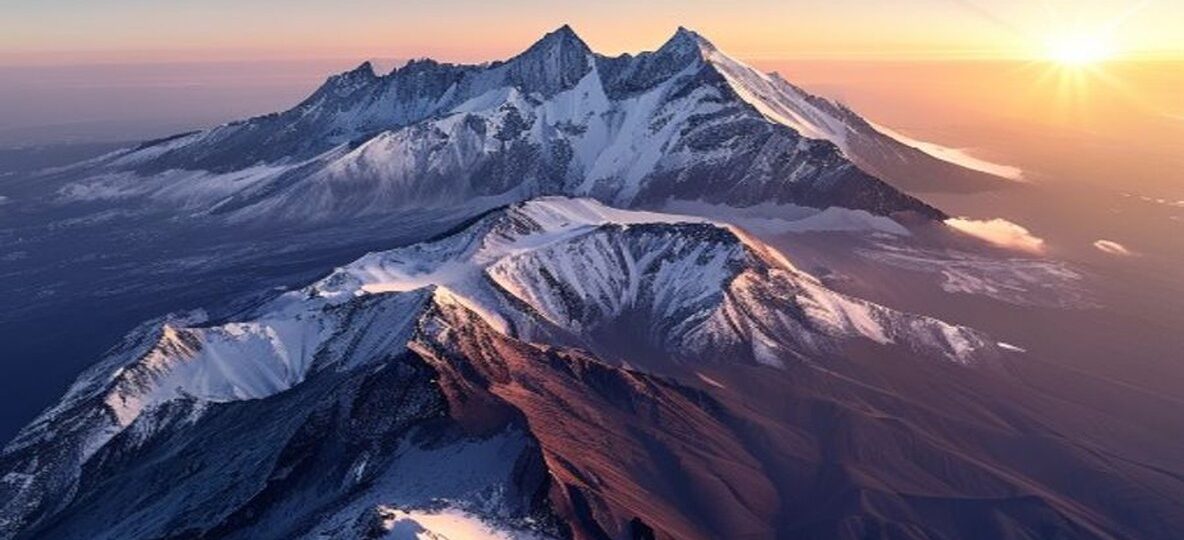
The second-highest mountain in Africa sits almost exactly on the equator, yet its upper slopes hold permanent glaciers. Its forest zone is home to elephant, buffalo, giant forest hog, and bongo antelope. Its moorland holds eland, reedbuck, and serval. Its alpine zone, above 4,000 metres, is a landscape of volcanic rock, giant lobelia, and groundsel that looks like no other place on Earth.
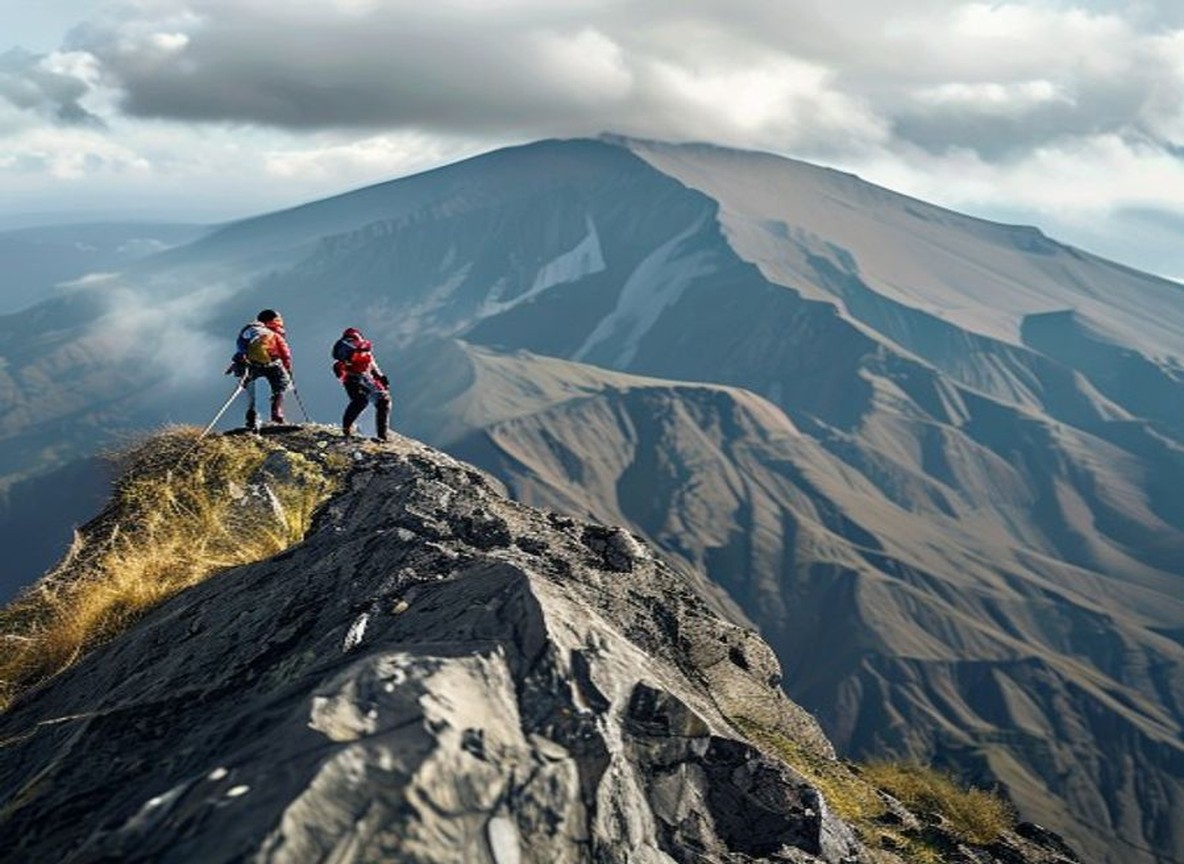
Mount Kenya is not just a trekking objective. It is one of Kenya’s most biodiverse landscapes, and the experience of combining a wildlife-rich approach through the lower forest zones with a high-altitude summit attempt — or a trek to the spectacular peaks without the final technical summit push — is genuinely unlike anything else the country offers.
At Trunktrails Safaris, we design combined mount kenya safari trekking guide itineraries that use the mountain not just as a fitness challenge but as a complete wildlife and landscape experience. ✨
What Is Mount Kenya? The Essential Context
Mount Kenya is the remnant of an ancient shield volcano that erupted approximately 3 million years ago. At 5,199 metres (Batian peak), it is Africa’s second-highest mountain after Kilimanjaro. The highest trekking peak, Point Lenana at 4,985 metres, is reachable without technical climbing equipment by reasonably fit hikers with proper acclimatisation. For more detail, read our Ngare Serian Camp Mara North Conservancy Accessible Only Via Rope Bridge Maasai Mara.
The mountain is a UNESCO World Heritage Site and forms the core of Mount Kenya National Park. The park covers 715 square kilometres, but the wider forest reserve extends the protected zone to 2,000 square kilometres.
Why Mount Kenya is different from Kilimanjaro:
- More technical: The higher summits (Batian and Nelion) require rock climbing skills. Kilimanjaro is a walk-up to the summit; Mount Kenya’s technical peaks require ropes and technical gear.
- More wildlife: The approach zones on Mount Kenya pass through dense elephant and buffalo habitat at the forest level. Kilimanjaro’s forest zone is less wildlife-rich.
- More varied: The vegetation zones on Mount Kenya shift dramatically over short distances from bamboo to hagenia forest to heather to moorland to alpine desert. The visual variety is extraordinary.
- Less crowded: Mount Kenya sees a fraction of Kilimanjaro’s visitor numbers.
- More accessible from Nairobi: Mount Kenya’s main trailheads are 2.5-3 hours from Nairobi, versus Kilimanjaro’s 6-7 hour minimum journey from Nairobi via Tanzania.
Mount Kenya Wildlife: What You Will See at Each Altitude Zone
One of the least-discussed aspects of Mount Kenya is how good the wildlife is through the lower altitude zones. This is not a mountain you trek through sterile forest before reaching the scenic upper zones. The lower forest is actively managed as part of the national park, and wildlife is present at close range.
Forest zone (2,000-3,000m):
This zone is where elephant encounters are most likely. The forest around Naro Moru Gate and Sirimon Gate holds substantial elephant herds that move between the forest and the adjacent Laikipia plateau. Buffalo are common. The giant forest hog, Africa’s largest pig species, is frequently seen on dawn and dusk forest walks.
The bongo antelope, one of Kenya’s rarest mammals and the most secretive of the forest antelopes, occurs in Mount Kenya’s bamboo zone. Sightings are uncommon but confirmed. Our Trunktrails Safaris guides who regularly work this zone know the specific bamboo gullies where bongo tracks and feeding signs appear most often.
Heather and moorland zone (3,000-4,200m):
Wildlife thins at this altitude but does not disappear. Common sightings:
- Eland (mountain form, often in large groups of 20-50)
- Common reedbuck
- Serval (a medium-sized wild cat, more visible on moorland than in forest)
- Rock hyrax (on the rocky outcrops near the peaks)
- Alpine chat, scarlet-tufted malachite sunbird, and other alpine bird specialists
Alpine zone (above 4,200m):
Very little wildlife above the upper moorland except ravens, alpine swifts, and the occasional eland in the upper Teleki Valley. The landscape itself becomes the dominant experience.
Mount Kenya Trekking Routes: Which One to Choose
There are three main routes to Point Lenana, each with different character and wildlife potential.
| Route | Trailhead | Duration | Difficulty | Wildlife |
|---|---|---|---|---|
| Naro Moru | Naro Moru (south) | 3-4 days | Moderate-hard | Moderate (elephant possible near gate) |
| Sirimon | Sirimon (north) | 4-5 days | Moderate | High (best wildlife corridor, Laikipia plateau views) |
| Chogoria | Chogoria (east) | 4-5 days | Moderate | High (spectacular Lake Michaelson, forest elephant) |
Trunktrails Safaris recommendation for combined safari-trekking:
The Sirimon Route is the best for wildlife integration. The approach through Sirimon Gate passes through productive elephant and buffalo habitat in the forest zone. The route then climbs through the moorland with the best views of the Laikipia plateau below. A combination Laikipia and Mount Kenya itinerary — wildlife game drives at Ol Pejeta Conservancy followed by a 4-day Sirimon trek — covers two completely different landscapes in the same trip.
The Chogoria Route (descent) combined with Sirimon (ascent) creates a circuit that takes in Lake Michaelson (one of the most beautiful high-altitude lakes in Africa), the spectacular Gorges Valley, and the widest variety of altitude zones. Most serious Mount Kenya trekkers recommend this as the definitive circuit.
Combined Safari and Trekking Itinerary: 7-Day Mount Kenya Circuit
This is the itinerary Trunktrails Safaris has refined over multiple trips combining Laikipia wildlife safaris with a Point Lenana summit attempt.
Day 1: Nairobi to Nanyuki (3 hours by road). Afternoon game drive at Ol Pejeta Conservancy (rhino, wild dog, chimpanzee). Overnight at Nanyuki area lodge.
Day 2: Full day Ol Pejeta Conservancy. Evening at the Mount Kenya Safari Club (Nanyuki) for briefing and gear check.
Day 3: Sirimon Gate (2,650m) to Old Moses Camp (3,300m). Trek through bamboo and heather. 4-5 hours, 650m ascent. Wildlife alert: forest zone elephant and buffalo possible.
Day 4: Old Moses Camp to Shipton’s Camp (4,200m). Cross the moorland, pass the Mackinder’s Valley. 6-7 hours, 900m ascent.
Day 5: Rest and acclimatisation at Shipton’s. Afternoon walk to Austrian Hut (4,790m) for acclimatisation. Glacier views. Early sleep for summit attempt.
Day 6: Midnight start from Shipton’s for Point Lenana (4,985m) summit via the Summit Circuit. Reach Point Lenana for sunrise over the African plains — one of the most extraordinary dawn views available on the continent. Descend to Chogoria road-head via Gorges Valley and Lake Michaelson.
Day 7: Return to Nairobi or continue to Aberdare or Samburu for additional safari days.
Altitude and Acclimatisation: What to Know Before You Go
Altitude sickness is the primary risk on Mount Kenya. Point Lenana at 4,985m is high enough to cause serious altitude sickness in unacclimatised trekkers. The key risk factors are:
- Ascending too fast (common on 3-day itineraries trying to save time)
- Pre-existing respiratory conditions
- Dehydration at altitude
Acclimatisation principles:
- “Climb high, sleep low” — the standard principle of ascending for the day and returning to lower altitude for sleep
- Drink 3-4 litres of water per day at altitude
- Ascend no more than 300-400m per day above 3,000m
- A 4-5 day itinerary is safer than a 3-day sprint
Acetazolamide (Diamox): Commonly prescribed for altitude sickness prevention. Consult your GP or travel medicine clinic before departure. Take only if prescribed.
Symptoms to take seriously: Severe headache not relieved by paracetamol, confusion, ataxia, persistent vomiting. Immediate descent is the only treatment.
Trunktrails Safaris provides all clients with a full altitude briefing before departure and carries supplemental oxygen on all Mount Kenya treks. Our guides are trained in altitude sickness recognition and management.
Mount Kenya Wildlife Safari: The Lower Zone Game Experience
For travellers who want the wildlife of Mount Kenya without the full trekking commitment, the lower forest and moorland zones are accessible by 4WD vehicle through the national park gates.
Wildlife game drive options at Mount Kenya:
- Naro Moru Gate to Meteorological Station (3,050m) by 4WD: elephant habitat, forest buffalo, giant forest hog
- Sirimon Gate to Old Moses Camp area by 4WD: best elephant viewing corridor, Laikipia views
- Seasonal access to the Hagenia forest belt (2,500-3,000m): colobus monkey, blue monkey, African crowned eagle
A half-day wildlife drive to the 3,000m zone and back offers excellent forest wildlife viewing and the dramatic visual contrast of equatorial glaciers above dense tropical forest below. This is one of Kenya’s strangest and most memorable wildlife settings — forest elephants feeding at 3,000 metres with glaciated peaks visible above the canopy.
We pair this as a morning wildlife drive experience for clients staying at the Mount Kenya Safari Club or Nanyuki-area lodges before or after a Laikipia or Samburu safari.
The Trunktrails Advantage for Mount Kenya Trips
Trunktrails Safaris is a native Kenyan operator. Mount Kenya and the central Kenya circuit are part of our core operations. Our guides have extensive experience on the mountain across all routes. For more detail, read our Northern Kenya Road Conditions Guide Routes Timing Transfer Planning.
What we provide for Mount Kenya combined itineraries:
- Seamless integration of safari days (Ol Pejeta, Laikipia, Aberdare) with trekking days on the mountain
- Private guide team — you are not joining a group trek; your route, pace, and camping is customised
- Porter and cook service for all trekking days (reduces pack weight significantly)
- Pre-trek gear check at our Nanyuki base: sleeping bag, trekking poles, waterproofs — we verify what you have and supplement gaps where needed
- Satellite communicator carried on all mountain routes
- Post-trek recovery at quality Nanyuki lodge with hot shower, laundry, and good food before continuing to next safari destination
5% of every booking goes to wildlife conservation, including the forest habitat management that keeps Mount Kenya’s lower zones productive for elephant and buffalo.
Practical Mount Kenya Information
Best trekking season:
| Month | Conditions | Summit Success Rate |
|---|---|---|
| January-February | Dry, cold, excellent visibility | Very high |
| March-May | Long rains — wet, muddy tracks | Lower; some routes impassable |
| June-September | Dry, cold — peak season | Very high |
| October | Short dry, good conditions | High |
| November-December | Short rains; some wet days | Moderate-high |
Entry fees: Mount Kenya National Park entry is $52 per adult per day. Camping fees are additional. Trunktrails Safaris includes all fees in quoted package prices.
Equipment hire: Basic trekking gear is available for hire in Nanyuki town. We coordinate gear hire for clients who are not bringing full mountain equipment from home.
Physical fitness: Point Lenana (4,985m) requires a moderate-good fitness level but is not a technical climb. No special mountain skills are needed with a proper 4-5 day acclimatisation schedule.
Further reading
More safari planning resources
- Ol Pejeta and Sweetwaters safari package from Valley Safaris
- Big Five safari parks guide on Touring Insights
- Big Five safari collection on FindMySafari
- Nairobi to Maasai Mara route guide from Valley Safaris
Ready to Plan Your Mount Kenya Safari and Trek?
Mount Kenya is not a mountain you visit for a single reason. You come for the wildlife in the forest zone, for the otherworldly moorland, for the sunrise from Point Lenana, and for the feeling of standing on Africa’s equatorial spine with both glaciers and savannah in view below you.
Trunktrails Safaris designs every mount kenya safari trekking guide itinerary around your fitness level, your wildlife priorities, and your available time. First-time mountain trekkers who want a 4-day Point Lenana experience. Wildlife specialists who want the forest zone drives without the full trek. Serious hikers combining Sirimon, the Chogoria circuit, and a Laikipia safari in a 10-day central Kenya adventure.
Tell us what you want. We build the rest.
Contact Micah directly to start planning:
📞 WhatsApp: +254 113 208888 📧 Email: info@trunktrailssafaris.com 🌐 Website: https://trunktrailssafaris.com