

Marsabit National Park Guide: Forest, Crater Lakes, and Northern Corridor Safaris
A useful marsabit national park guide should explain why this area feels different from most Kenya safaris. Marsabit brings highland forest, volcanic terrain, and crater-lake scenery into an itinerary that often starts in arid country. This contrast is the reason many travellers add it to northern tours and safaris.
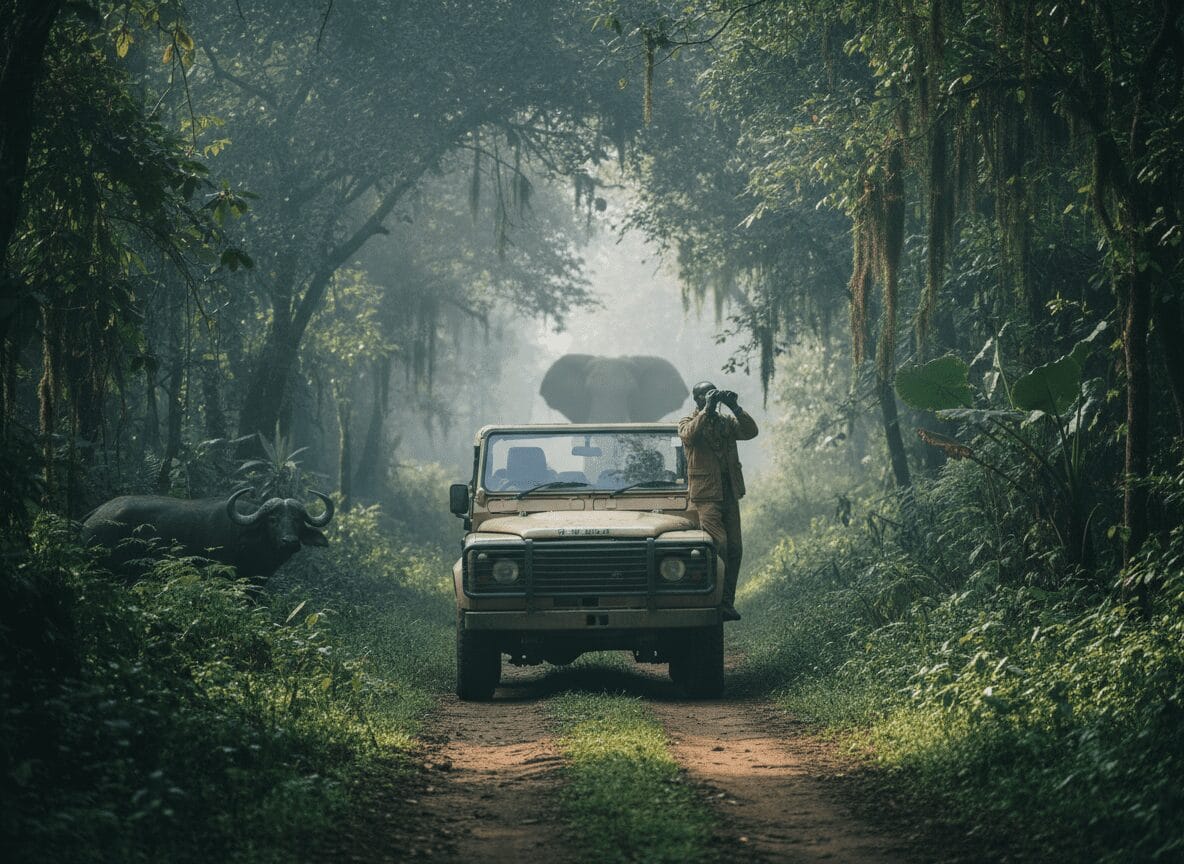
At Trunktrails Safaris, we position Marsabit as a transition landscape between Samburu-style wildlife blocks and deeper northern corridor travel. This creates variety without forcing unrealistic drive schedules.
What Makes Marsabit Distinct
Most northern routes focus open scrub and river systems. Marsabit changes that pattern with:
- Cooler highland pockets
- Forest drives with different visibility conditions
- Volcanic relief and crater-lake viewpoints
- A slower, exploratory safari rhythm
A strong marsabit national park guide should set expectations: this destination is not built for fast checklist sightings. It is built for landscape diversity and route depth.
Wildlife and Viewing Expectations
Wildlife exists across the Marsabit ecosystem, but viewing style differs from classic high-density reserve game drives. You should plan for:
- Lower sighting frequency but high environmental variety
- Longer observation periods when movement appears
- Better outcomes with local guiding and patient pacing
Trunktrails Safaris prepares guests for this style before departure so the trip objective stays aligned with what Marsabit does best.
Route Design: How Marsabit Fits Larger Itineraries
Common planning flows include Samburu to Marsabit, then onward north, or reverse direction depending on flight and road logic. A practical marsabit national park guide typically compares these options:
- Samburu first, Marsabit second for ecological contrast
- Marsabit first if you are entering via a northern access point
- Hybrid routes where one long sector is flown and the rest overland
For many tours and safaris, option three gives the best balance of time and comfort.
Best Months to Visit Marsabit
- January to March: generally stable conditions for route execution
- June to October: strong planning window for dry-leaning travel
- November to early December: greener scenery and occasional value
- April to May: possible with buffers and flexible timing
Trunktrails Safaris issues month-specific notes on road reliability, comfort factors, and itinerary pacing.
Accommodation and Logistics Notes
Because Marsabit sits within a wider northern movement plan, logistics should guide camp selection. Priorities include:
- Efficient transfer staging
- Generator and power reliability for charging gear
- Clear meal timing around drive windows
- Communication options for trip updates
In remote tours and safaris, these operational details matter as much as room category.
Who Should Include Marsabit
Marsabit is a strong fit for travellers who value:
- Geographic diversity over pure sighting volume
- Photography with changing terrain and weather texture
- Expedition-style northern routes with layered ecosystems
If your main goal is maximum predator density in short windows, other zones may perform better. If your goal is a broader northern Kenya perspective, Marsabit adds serious value.
Sample 5-Day Marsabit Segment
- Transfer from Samburu corridor and rest stop staging
- Enter Marsabit sector with afternoon exploratory drive
- Full day forest and crater-lake viewpoints
- Secondary field day with flexible route extension
- Transition north or return sector
Trunktrails Safaris keeps this sequence adaptable to weather and road status.
Why Book Marsabit With Trunktrails Safaris
Trunktrails Safaris plans remote tours and safaris with realistic drive blocks, conservative timing, and active support while you travel. For Marsabit, that means clear route logic, practical expectations, and fewer avoidable disruptions.
Marsabit National Park: Key Facts
Marsabit is a green, forested mountain rising out of the northern desert, famous for its crater lakes and the big-tusked elephants in the legacy of Ahmed, Kenya’s most protected elephant.
| Detail | Info |
|---|---|
| Setting | Forested mountain in the northern desert |
| Crater lakes | Lake Paradise (Sokorte Guda), Gof Bongole |
| Signature | Big-tusked elephants, greater kudu, buffalo |
| From Nairobi | ~560 km (remote, 4×4) |
| Best for | Expedition and off-grid travellers |
Remote and rarely crowded, Marsabit works best as part of a northern-corridor expedition toward Lake Turkana rather than a standalone short trip.
Further reading

Build your Marsabit and northern Kenya itinerary with expert planning support.
WhatsApp: +254 113 208888 Email: info@trunktrailssafaris.com Website: https://trunktrailssafaris.com
FAQs: Marsabit National Park Guide
Is Marsabit suitable for first-time safari travellers?
Yes, if the itinerary is paced properly and you understand this is a landscape-rich experience, not only a high-density game-drive destination.
How many nights should I plan in Marsabit?
Two to three nights usually works for meaningful exploration while maintaining overall route efficiency.
Can Marsabit be combined with Lake Turkana?
Yes. This is a common northern combination when logistics are planned early.
Do private departures work best?
Yes. Private departures provide the flexibility Marsabit routes often need.
APPROVED FOR PUBLICATION – Marsabit National Park Guide: Forest, Crater Lakes, and Northern Corridor Safaris – 2026-04-30