
Borana Conservancy Kenya: Laikipia’s Private Reserve With Rhinos and Rare Wildlife
You have done the Masai Mara. You have crossed the Mara River at sunrise and watched a lion pride claim a kill before breakfast. Now you want something different. Something quieter, more exclusive, and harder to reach. 🌍
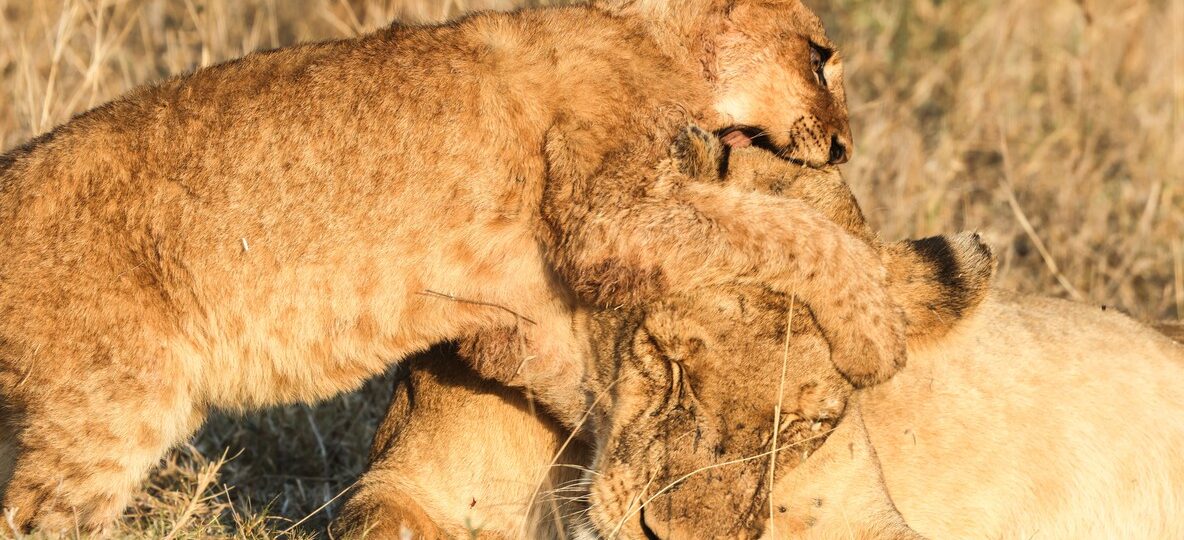
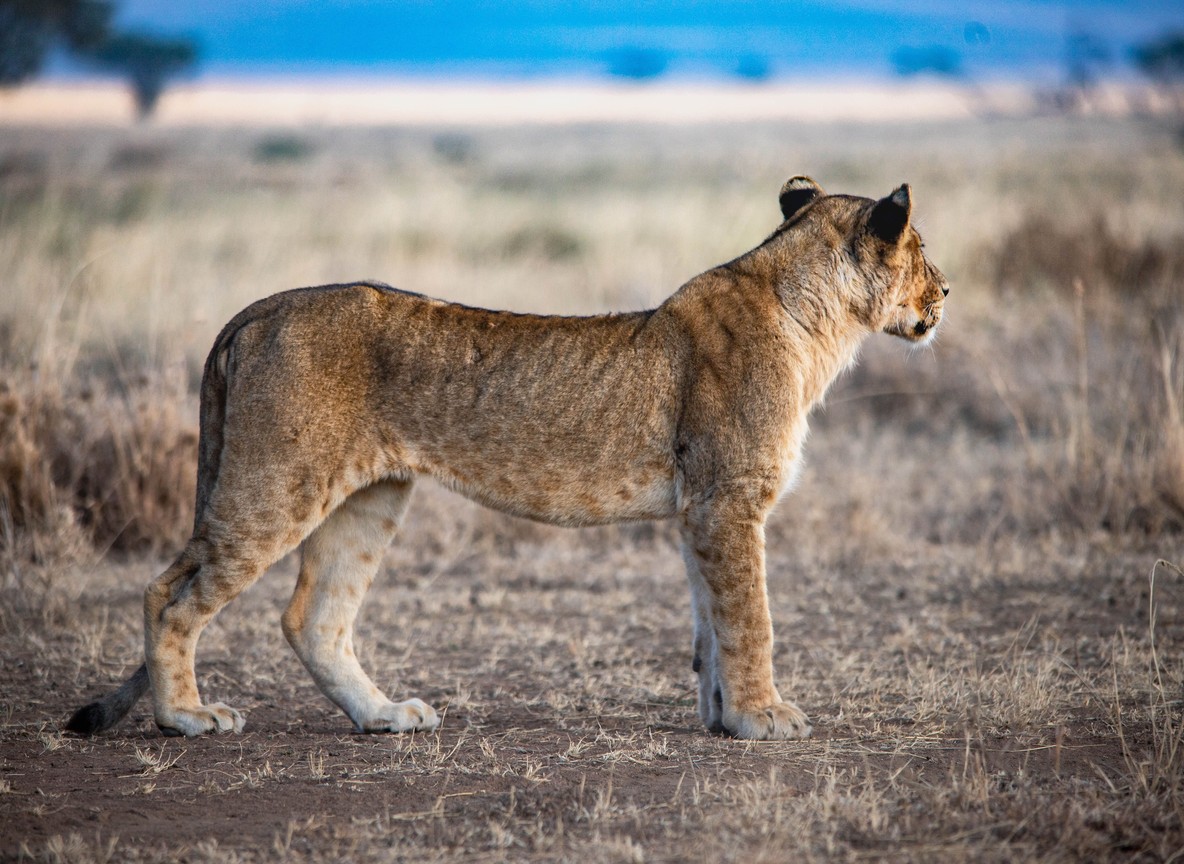
Borana Conservancy sits on 32,000 acres of the Laikipia Plateau in central Kenya, and it delivers exactly that. This is private land with one of the highest densities of black rhinos found anywhere on non-national-park land in Kenya. It is also home to African wild dog, cheetah, Grevy’s zebra, reticulated giraffe, and the Big Five, all without the vehicle queues you encounter at the big-name parks.
For experienced travelers who have been around Kenya’s safari circuit, the borana conservancy kenya experience is not just a repeat visit. It is a different category of trip entirely.
Why Borana Stands Apart in the Laikipia Wildlife Landscape
Laikipia is Kenya’s second-largest wildlife area, but most visitors never get past Lewa or the Ol Pejeta name on a tour itinerary. Borana sits adjacent to Lewa Wildlife Conservancy and together the two properties form a connected wildlife area exceeding 90,000 acres. That combined corridor is a UNESCO World Heritage Site, one of only a handful of private landholdings in East Africa to hold that designation.
The Dyer family has managed Borana since the 1980s. That generational commitment to conservation shows in the depth of the wildlife programs, the quality of the guiding, and the caliber of the guests who return year after year.
What sets a laikipia conservancy safari at Borana apart from a standard park visit:
- No daily visitor limits at a national level mean your guide can take you off-road, on foot, and onto a horse without a park permit queue
- Activities beyond the vehicle include rhino tracking on foot, horse riding, guided bush walks, and mountain biking
- Strict low-volume model at Borana Lodge means you are never sharing a sighting with twelve other Land Cruisers
- Private land management allows year-round access with no gate closures
Rhino Conservation at Borana: Black and White Rhinos on Private Land 🦁
Borana conservancy rhinos are the headline draw, and for good reason. The conservancy holds one of the highest-density black rhino populations found on any private property in Kenya. White rhinos are also present, with a population that has grown steadily under the conservancy’s management.
Tracking rhino on foot with a Borana ranger is among the most visceral wildlife experiences available anywhere in East Africa. You move quietly through the bush, reading spoor and fresh dung, before the guide stops and points to a silhouette in the fever-tree shadows. There is no vehicle between you and the animal.
The laikipia rhino conservancy approach taken here is rigorous. Rangers monitor individual animals by name. Movements are logged. Poaching is met with a zero-tolerance response backed by a full anti-poaching unit. In 2026, Borana continues to expand its rhino monitoring program in partnership with the Lewa Wildlife Conservancy next door, pooling intelligence and patrol capacity across the entire 90,000-acre landscape.
For a traveler who wants to move past spectator-level game viewing, this is where tours and safaris earn their fee.
Wildlife at Borana Conservancy: What You Will Actually See
The borana conservancy wildlife list is long and genuinely unusual. This is not a reserve that trades on one flagship species. The Laikipia ecosystem supports a range of animals rarely seen together on a single property.
| Species | Presence at Borana | Notes |
|---|---|---|
| Black rhino | Resident breeding population | One of Kenya’s highest-density private populations |
| White rhino | Resident | Growing population |
| African wild dog | Regular sightings | Packs denning inside the conservancy |
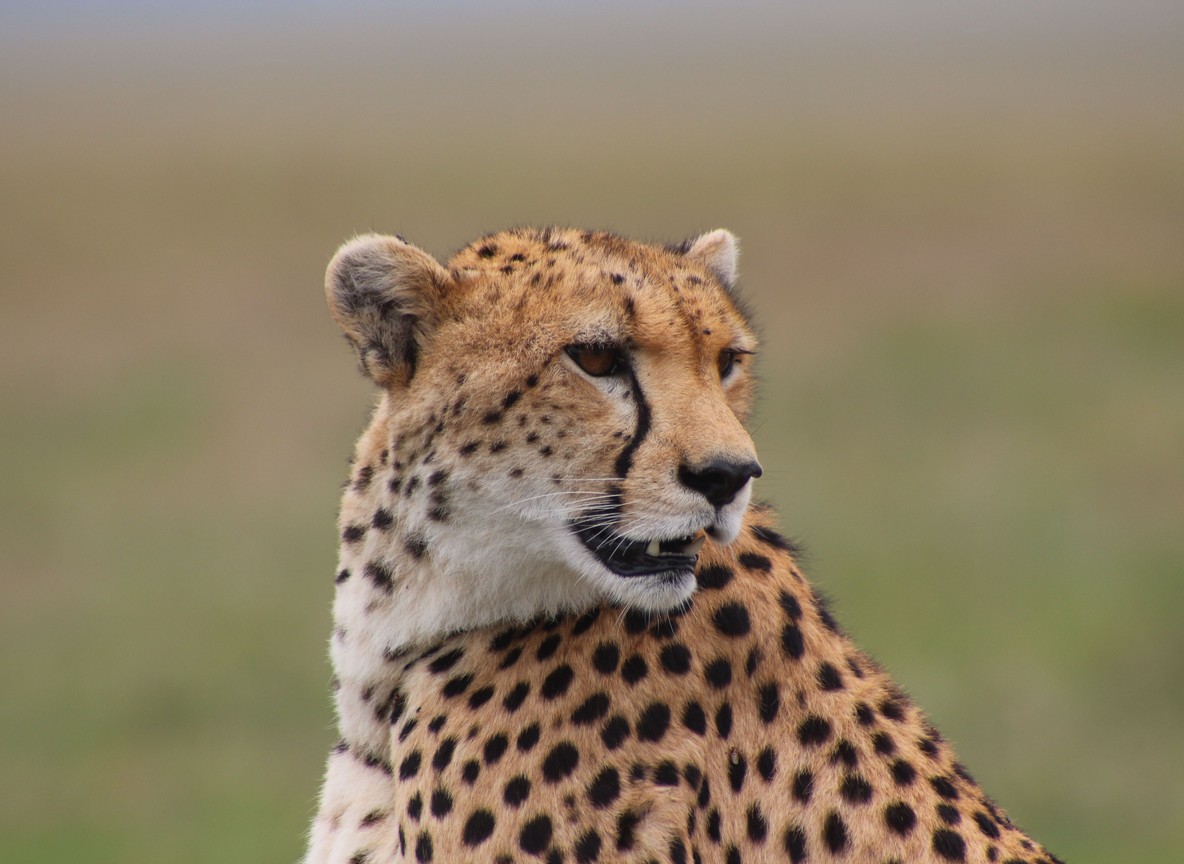
| Cheetah | Regular | Open plains habitat ideal for daytime hunts |
| Grevy’s zebra | Resident | Endangered; Laikipia holds the largest wild population |
| Reticulated giraffe | Resident | Northern Kenya endemic subspecies |
| Elephant | Large herds | Move freely across the Lewa-Borana corridor |
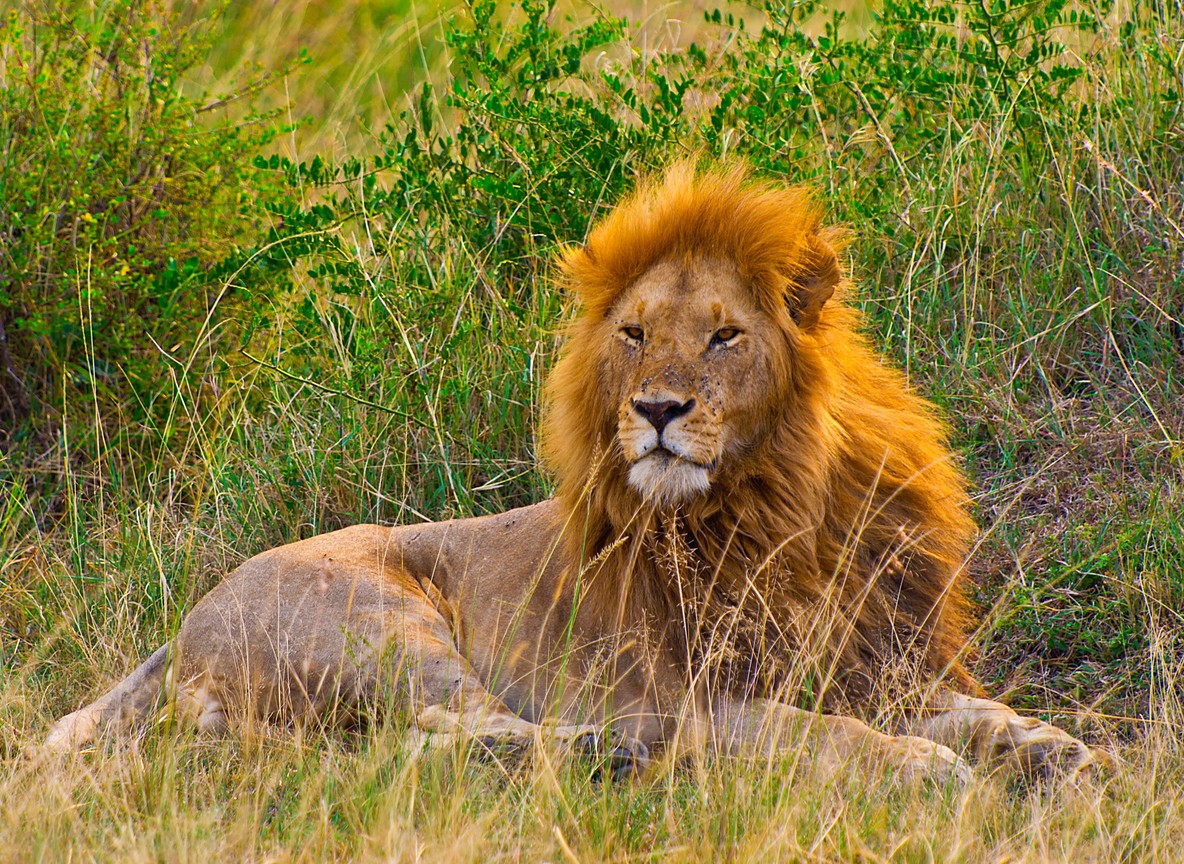
| Lion | Resident prides | |
| Leopard | Resident | Night drives increase sighting frequency |
| Striped hyena | Occasional | Rare; northern species at the edge of its range |
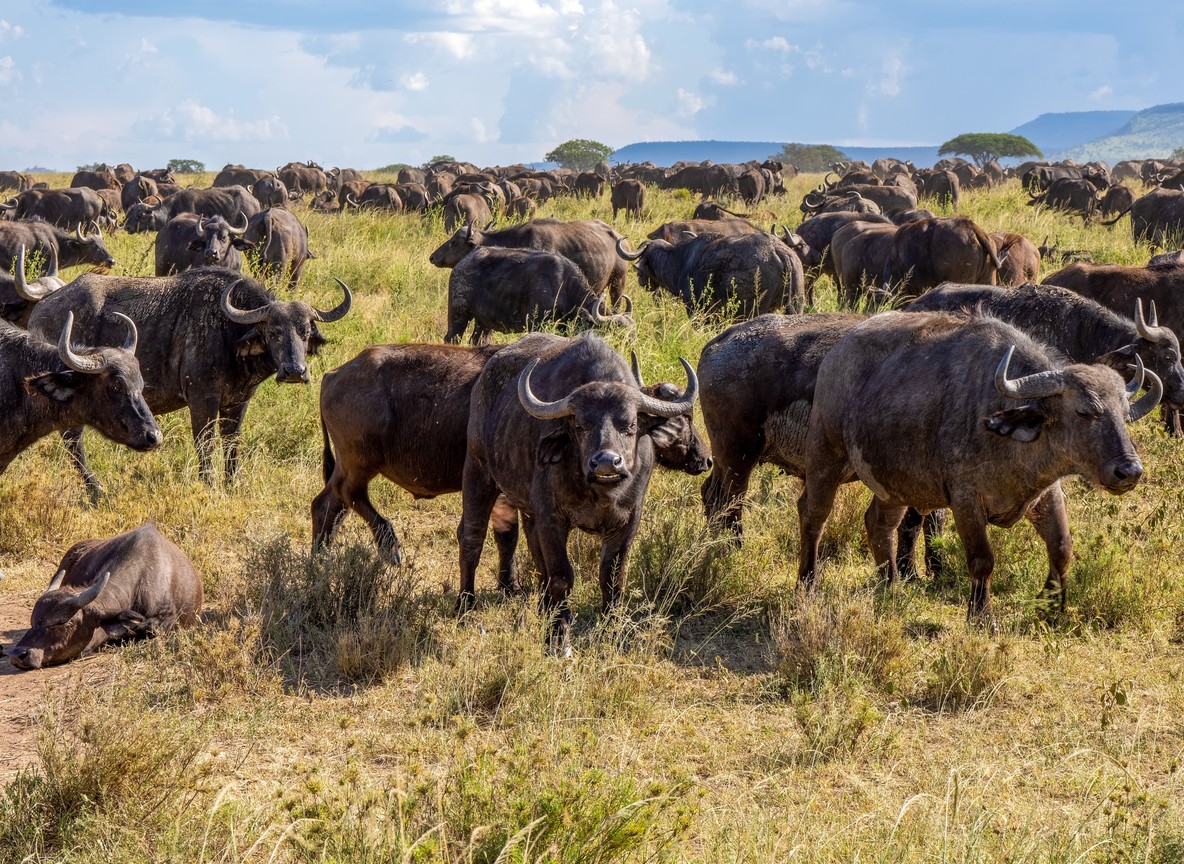
| African buffalo | Resident herds |
The Grevy’s zebra deserves particular attention. Laikipia holds the largest remaining wild population of this endangered species anywhere on earth. Borana’s grasslands provide prime habitat, and sightings are near-certain during any visit.
Activities at Borana: Beyond the Standard Game Drive
If you have been doing tours and safaris for twenty years, you know what a standard morning game drive looks like. Borana’s activity menu is built for guests who want more than that.
Rhino tracking on foot is the signature experience. A ranger and armed scout take a small group of two to four guests into the bush on foot to locate and approach rhino. This is conducted under strict protocols and is not a guarantee, but success rates at Borana are high given the resident population density.
Horse riding safaris allow guests to move through wildlife in near silence. Horses are provided for riders of all abilities. There is something completely different about watching a giraffe feeding at eye level from horseback compared to sitting in a vehicle roof hatch.
Guided bush walks range from two-hour morning walks focused on tracking and ecology to full-day routes that cross into adjacent wildlife areas.
Mountain biking on private conservancy trails is available for guests wanting active exercise between game activities.
Cultural visits connect guests with Laikipia Maasai and Samburu communities adjacent to the conservancy, providing context for the human dimension of wildlife conservation on private land.
Night drives are permitted on private conservancy land, opening up leopard, striped hyena, aardvark, and other nocturnal species that a national park itinerary would miss entirely.
The Laikipia Connection: Borana as Part of a Wider Wildlife Network
Borana does not sit in isolation. The adjacent Lewa Wildlife Conservancy shares an unfenced boundary with Borana, and together they form the Lewa-Borana Landscape, a UNESCO World Heritage Site. Animals move freely between both properties, which means the effective wildlife range of any Borana visit extends well beyond the 32,000-acre conservancy boundary.
To the north and west, Borana connects with the broader Laikipia wildlife network, which links ranches and conservancies across the plateau. This network is why Laikipia supports such an unusual combination of northern and southern species: reticulated giraffe and plains zebra, Grevy’s zebra and common zebra, lion and wild dog, all sharing the same ecosystem.
For guests booking through Trunktrails Safaris, we can design multi-conservancy itineraries that move across the Laikipia landscape from Borana through to other properties, giving you the depth and variety that a single-property visit cannot provide.
Best Time to Visit Borana Conservancy
Borana is open year-round. The choice of when to visit shapes what you prioritize.
June to October (dry season) is the peak period for wildlife concentration. Waterholes become focal points for large herds. Vegetation thins, making it easier to spot rhino and leopard. The cool highland air on the Laikipia Plateau makes walking activities genuinely comfortable.
January to February offers a different experience. Short rains in November and December bring new grass, and by January the calving season is in full effect. Predator activity is high. Bird life is at its richest. Daytime temperatures are clear and warm without being extreme.
March to May (long rains) is the low season. Some guests find the green landscape and near-empty conservancy appealing. Rates are lower. Rhino tracking continues year-round regardless of rainfall.
Where to Stay at Borana: Borana Lodge and Satellite Camps
Borana Lodge is the main property, set on a ridge with views across the conservancy toward Mount Kenya. Ten stone cottages provide accommodation. Each cottage has a private veranda. The lodge runs on a full-board model: all meals, all activities, and all park fees are included. Capacity is deliberately capped to maintain the exclusive character of the borana conservancy accommodation experience.
Laragai House operates as a private house rental for groups. A single party takes over the entire property, including dedicated vehicles, guides, chef, and staff. This format suits families, small groups of friends, or anyone who wants a completely private safari without sharing a dining room with strangers.
Both options are bookable through Trunktrails Safaris as part of a wider Kenya itinerary, including transfers from Nanyuki (45 minutes by road from the conservancy airstrip) or direct charter flights from Nairobi Wilson Airport.
The Trunktrails Advantage
Trunktrails Safaris is a native Kenyan-owned operator with direct relationships across the Laikipia conservancy network, including Borana. When you book through us, you are not working through a travel agent in London or an aggregator platform. You are working directly with people who have been inside these properties, know the guides by name, and understand which season delivers which experience. 🐘
Here is what that means in practice for a Borana booking:
- Tailor-made itineraries that combine Borana with other Laikipia properties or extend into the Masai Mara, Amboseli, or the Kenya coast, built around your specific interests and travel dates
- All budgets considered: from mid-range Laikipia conservancy options to the full private-house model at Laragai
- 24/7 direct operator support during your trip with no middlemen between you and on-the-ground help
- 5% of every booking contributed to wildlife conservation, directly supporting the kind of rhino protection work happening at Borana
- and fully credentialed: we operate within Kenya’s tourism regulatory framework
When experienced travelers ask us to plan tours and safaris that go beyond the standard routes, Borana is consistently one of the first properties we put in front of them. The combination of rhino density, diverse wildlife, and genuinely immersive activity options is rare, and the Laikipia setting gives it a completely different feel from the Mara or Amboseli.
If Borana Conservancy belongs on your 2026 Kenya itinerary, the next step is a conversation with us.
Plan your Borana safari today:
Further reading
More safari planning resources
- Ol Pejeta and Sweetwaters safari package from Valley Safaris
- Big Five safari parks guide on Touring Insights
- Big Five safari collection on FindMySafari
- Best time to visit Kenya month-by-month map from Valley Safaris
📞 WhatsApp: +254 113 208888 📧 Email: info@trunktrailssafaris.com 🌍 Website: https://trunktrailssafaris.com ✅