
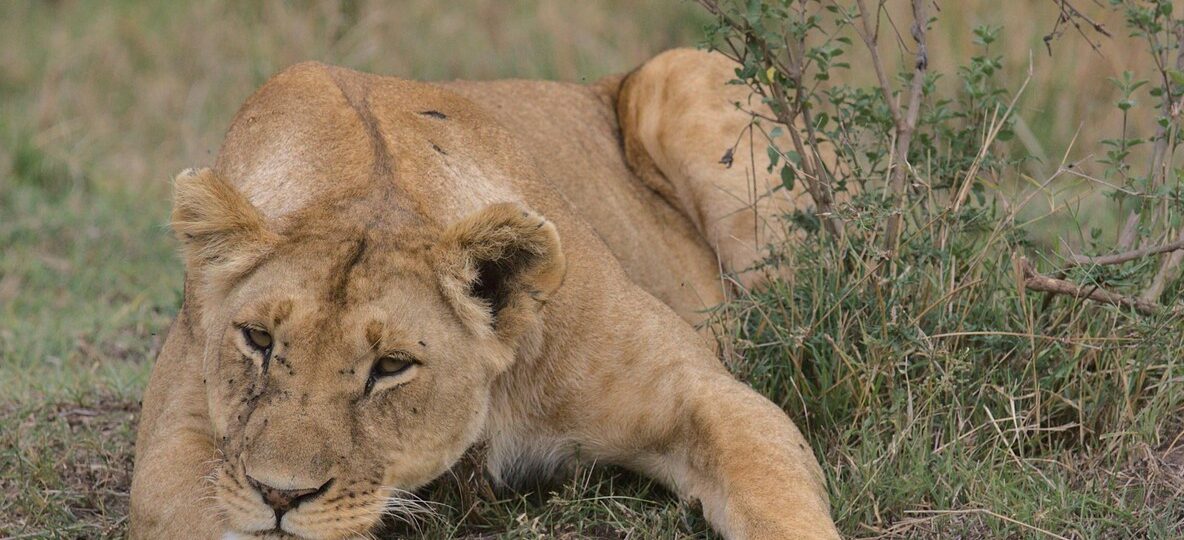
Mara North Conservancy: The Game-Rich Mara Beyond the Crowded Reserve
The Masai Mara National Reserve carries a global reputation and an August crowd that matches it. On the reserve’s northern boundary, sharing the same ecosystem and the same wildlife corridors, sits the Mara North Conservancy. The game density is equivalent. The vehicle density is not.
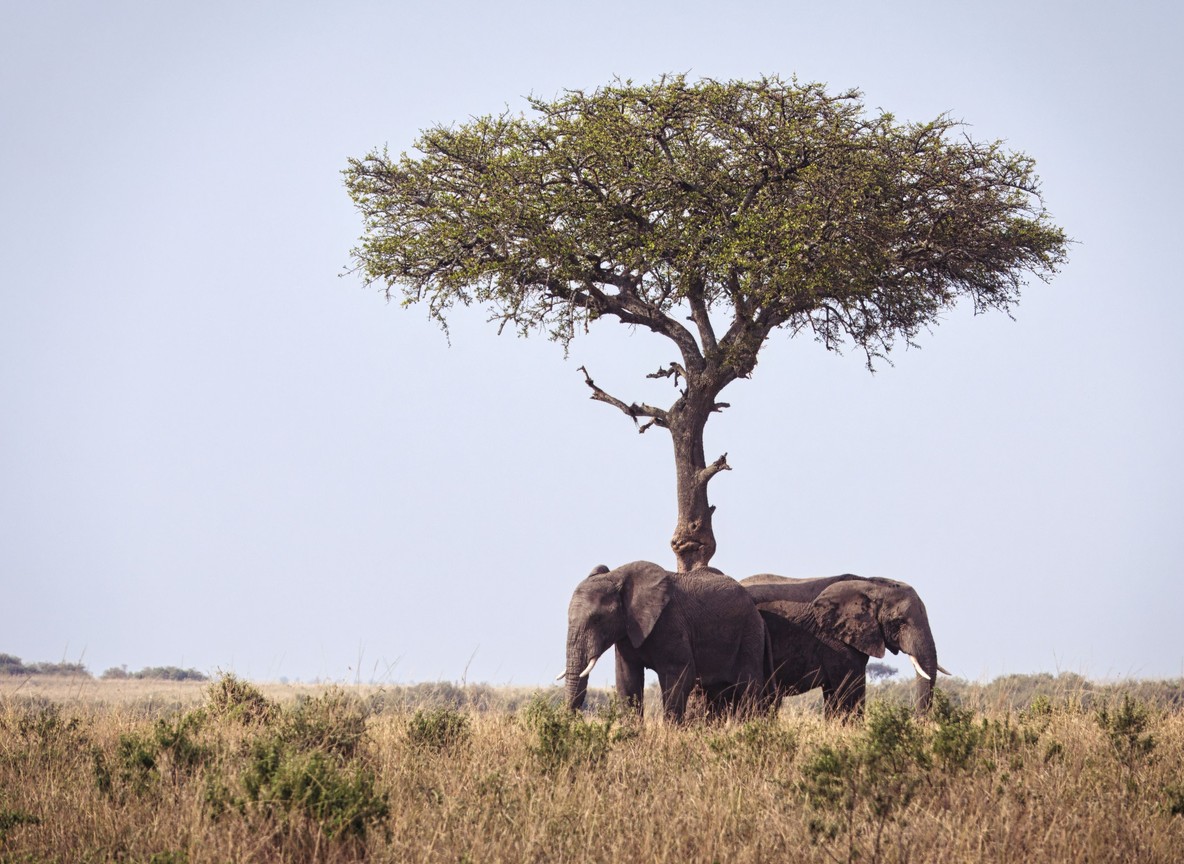
Mara North covers 74,000 acres of Maasai-owned land adjacent to the reserve. The conservancy model means a limited number of camps, a limited number of vehicles per camp, and no casual day-tripping from Nairobi. The wildlife here has no reason to distinguish between the reserve and the conservancy. The wildebeest migration passes through. The lions are the same lions. The difference is that you may share a sighting with two other vehicles instead of twenty-two.
Trunktrails Safaris runs tours and safaris into Mara North. Here is what you need to know.
What Is the Mara North Conservancy?
Mara North Conservancy is a community-owned wildlife conservancy established in 2009 on land leased from the Maasai community. The conservancy lies directly north of the Masai Mara National Reserve, sharing its western boundary with Naboisho Conservancy and its northern edge with the wider Mara ecosystem.
The conservancy model is built on lease payments to Maasai landowners in exchange for the agreement to maintain the land as wildlife habitat rather than converting it to agriculture or permanent settlement. The revenue comes from a small number of high-end camps whose fees fund both the lease payments and a community-managed ranger force.
The key operational difference from the national reserve:
| Feature | Masai Mara National Reserve | Mara North Conservancy |
|---|---|---|
| Vehicle access | Open to all commercial operators | Resident camp guests only |
| Game drive timing | Restricted to specific hours | Night drives and off-road permitted |
| Vehicles per sighting | No limit (often 20+) | Soft cap per camp |
| Exclusivity | Low | High |
| Annual entry | KWS fee based | Conservancy fee via camp |
The night drives permitted in Mara North change the safari entirely. Lions on a night hunt, leopards moving through riverine forest, aardvarks crossing tracks in headlight beams. These encounters simply do not happen inside the reserve.
Wildlife in Mara North Conservancy
Because Mara North connects directly to the national reserve without a fence, its wildlife is the full Mara ecosystem. During the peak migration months of July to September, wildebeest columns move across the conservancy as part of their northward push. The Mara River system that drains into the conservancy includes crossing points that receive wildebeest at particular hours of the day.
Resident predators are the conservation headline. Mara North has been documented as having one of the highest lion densities in the Mara ecosystem. Multi-pride territories overlap in the conservancy, and with night drive access and off-road capability (where vegetation permits), the big cat encounters are different in character from what you experience in the reserve.
Cheetah sightings are reliable in the open grassland sections of the conservancy. The short grass plains that extend south toward the reserve boundary are classic cheetah habitat.
Leopard density in the riverine forest and rocky outcrops is high. Mara North’s Sekenani River section produces consistent morning leopard sightings from specific trees that resident cats use for resting and caching kills.
Camps in Mara North Conservancy
The conservancy model requires that camps be few and exclusive. Each camp has an agreement with the conservancy limiting the number of vehicles it puts into the field. This is the structural guarantee of low-traffic game viewing.
Key camps operating in Mara North include:
Serian Mara North: One of the flagship properties in the conservancy, run by Alex Walker. Two small camps positioned at different points of the conservancy with mobile and fixed options. Night drives and expert guiding are the standard here.
Kicheche Mara Camp: A well-regarded owner-managed camp with a strong guiding reputation. Kicheche limits itself to twelve guests, which makes field vehicle density one of the lowest in the Mara ecosystem.
Elephant Pepper Camp: An Elewana property with a longer history in Mara North. Known for its location near migration corridor crossings and its reliable year-round big cat sightings.
Camp selection matters in Mara North because each camp’s guide team has territory knowledge specific to their section of the conservancy. Trunktrails Safaris matches clients to camps based on seasonal patterns and wildlife priorities.
Migration in Mara North
The wildebeest migration does not confine itself to the national reserve. Herds moving north from the Serengeti push into the Mara ecosystem broadly, and Mara North sits on the natural movement corridor between the reserve’s Sand River crossing sites and the open country north of the Mara River.
During peak migration months (July through September), guests in Mara North may witness crossings at secondary river points within the conservancy as well as driving to the main Mara River crossings that fall partly within the reserve boundary.
The advantage of being based in Mara North during migration is that your camp guide monitors herd movement daily. When crossing activity builds at a specific point, the camp can position vehicles hours before the event rather than joining a convoy of reserve day-trip vehicles. In practical terms, this means your guide is already parked at the bank when the first wildebeest enter the water.
When to Visit Mara North Conservancy
| Month | Conditions | Wildlife Highlight |
|---|---|---|
| July | Migration arrives | Early river crossings, high lion activity |
| August | Peak migration | Maximum wildebeest density, daily crossings |
| September | Migration active | Crossings continue, cheetah cubs often visible |
| October | Migration retreats | Resident wildlife focus, less crowded |
| January-March | Dry season | Big cats, good road conditions, lower rates |
| June | Pre-migration | Resident predators, good conditions, pre-peak prices |
The conservancy is open year-round. Outside migration season, the resident big cat population and the exclusivity of the experience remain compelling.
Combining Mara North with the Wider Mara Ecosystem
Many Trunktrails Safaris clients split their Mara visit between Mara North and the national reserve or another Mara conservancy such as Olare Motorogi or Naboisho. This gives you both the open vehicle access and specific terrain of the reserve and the exclusivity and night drive access of the conservancy.
A typical 5-night Mara itinerary:
- Night 1-2: Masai Mara National Reserve (full game drive coverage of central and Triangle)
- Night 3-5: Mara North Conservancy (night drives, off-road where permitted, migration corridor access)
This structure maximises terrain variety and encounter types without spending the entire Mara budget in one location.
Practical Planning for Mara North
Getting there: The main access route is by scheduled or charter flight to the Mara North Conservancy airstrip, which is served by Safarilink and Air Kenya from Wilson Airport (WIL) Nairobi. Flight time is approximately 45 minutes. Camp vehicles collect guests from the airstrip.
Road access from Nairobi takes approximately 5-7 hours depending on the route and traffic. The road to the conservancy entrance involves unpaved sections that are manageable in dry season but require 4WD in wet months.
Booking lead time: Mara North’s exclusive camps fill quickly for peak migration season (July-September). For July and August specifically, 8-12 months lead time is the realistic expectation for first-choice camp availability. Shoulder months and green season are more flexible.
Conservation fee: In addition to standard camp rates, guests pay a daily conservancy fee that contributes directly to the Maasai landowner lease payments and the conservancy ranger programme. This fee is typically built into the camp rate rather than charged separately.
Photography: Mara North’s low vehicle density makes it a preferred destination for serious wildlife photographers who need space around a sighting. Most camps permit tripods and window mounts as standard. Night drive photography with handheld spotlight is a specific skill that Trunktrails Safaris can brief clients on before arrival.
The Trunktrails Advantage
Mara North is not a destination you walk into blind. The conservancy model means camp selection, guide assignment, and seasonal timing have a direct impact on what you experience. Trunktrails Safaris has worked with the principal camps in Mara North long enough to know which guide team has the deepest big cat knowledge, which camp positions are best for migration season versus dry season game drives, and how to time a Mara North stay to avoid the August peak accommodation squeeze.
Our clients who have done the Mara three times and want to do it again properly come back to Mara North with us. The wildlife is unchanged. The experience is different. That is exactly the point.
Trunktrails Safaris runs tours and safaris across the full Mara ecosystem. We are with full ground support from Nairobi arrival to final drop-off.
Book Your Mara North Conservancy Safari
Ready to experience the Mara the way it should be experienced?
Further reading
More safari planning resources
- Wildebeest migration route map from Valley Safaris
- Mara River crossing guide on Touring Insights
- Great Migration safari collection on FindMySafari
- Best time to visit Kenya month-by-month map from Valley Safaris
WhatsApp: +254 113 208888 Email: info@trunktrailssafaris.com Website: https://trunktrailssafaris.com
Contact Trunktrails Safaris today. We will match your dates to the right camp in Mara North and build the rest of your Kenya tours and safaris around it. 🦁
Image credits: Photo by Nirav Shah on Pexels; Photo by Jos van Ouwerkerk on Pexels; Photo by Harvey Sapir on Pexels; Photo by alvin demule on Pexels