Olare Motorogi Conservancy: Inside the Mara’s Highest Lion Density
Wildlife researchers working in the greater Mara ecosystem have documented something significant about Olare Motorogi Conservancy: the area consistently records the highest lion density in the wider Masai Mara landscape. This is a statement that carries weight in the continent’s most lion-watched ecosystem.
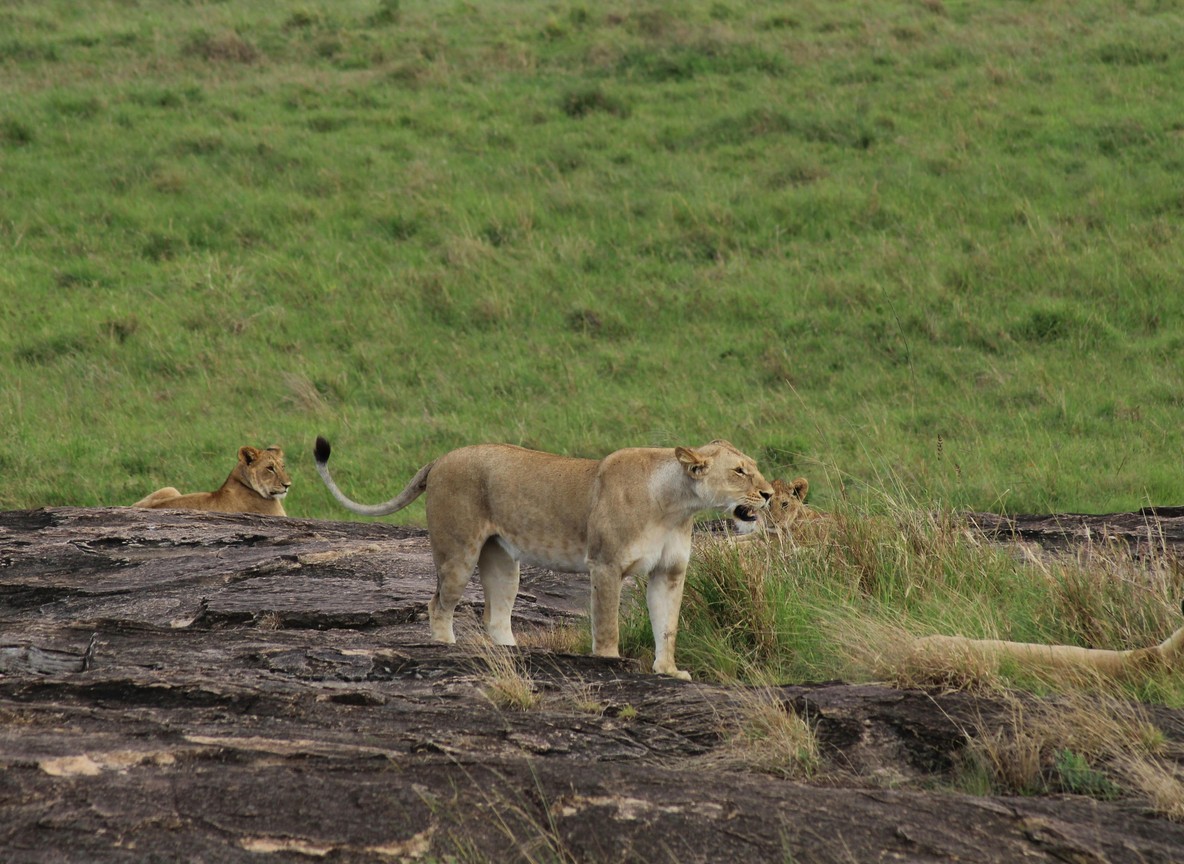
Olare Motorogi Conservancy (OMC) covers approximately 35,000 acres on the northeastern edge of the Masai Mara National Reserve. It shares unfenced boundaries with the reserve and Naboisho Conservancy to the north, creating a continuous movement corridor for wildlife. What it does not share with the national reserve is the vehicle density. As a private conservancy with guest-only access, OMC is the version of the Mara that experienced wildlife observers choose when they want encounters rather than audiences.
Trunktrails Safaris runs tours and safaris into Olare Motorogi. Here is what makes it exceptional.
Why Olare Motorogi Has Such High Lion Density
The answer starts with habitat and ends with human impact. The conservancy’s mixed terrain of open grassland, riverine forest, and rocky outcrops provides ideal conditions for multiple pride territories to coexist. The Ntiakatiak River bisects the conservancy, creating a ribbon of thick vegetation that lions use for denning and ambush hunting.
More critically, the low vehicle and human density in OMC means that lion prides have not been pressured into modified behaviour. Lions in heavily visited sections of the national reserve exhibit significant behavioural shifts in the presence of vehicles. Their hunting patterns change. Their den site selection changes. Their rest periods shift away from open areas.
Lions in Olare Motorogi are observed at their own pace. Prides rest in open grassland. Hunts happen across open ground. Cubs play in exposed areas where they would be vulnerable to vehicles in the reserve. The result is a quality of lion observation that the reserve’s most popular big cat areas cannot consistently produce.
The Marsh Pride that made the BBC’s Big Cat Diary and subsequent series ranges between the reserve and OMC. Several other well-documented prides, including the Olare Pride and the Fig Tree Pride, are resident within the conservancy’s boundaries.
What Private Conservancy Access Means in Practice
The conservancy model restricts game drive vehicles to guests of the camps operating within OMC. This restriction is the entire point.
| Feature | Masai Mara National Reserve | Olare Motorogi Conservancy |
|---|---|---|
| Vehicle access | Open public access | Camp guests only |
| Off-road driving | Not permitted | Permitted where vegetation allows |
| Night game drives | Not permitted | Standard activity |
| Walking safaris | Not permitted | Permitted with armed guide |
| Vehicles at sighting | No limit (10-25 is common) | 3-4 maximum per camp agreement |
Walking safaris in OMC are a genuine bushwalk experience. With an armed guide, you cover terrain on foot and read the environment at ground level. Track identification, dung analysis, bird alarm calls, wind direction. This is a different relationship with the landscape than any vehicle drive delivers.
Night drives change the lion narrative. Lions are crepuscular and nocturnal hunters. The hunts that visitors in the reserve never see happen after dark. In OMC, your guide drives the conservancy with a handheld spotlight, and you watch the same prides that nap through the afternoon come alive as the temperature drops.
Camps in Olare Motorogi Conservancy
OMC operates on an exclusivity agreement that limits total guest numbers in the conservancy at any time. The camps are small by design.
Porini Lion Camp: The flagship camp associated with the conservancy and the one whose name has become most associated with OMC’s lion observation programme. Gamewatchers Safaris operates Porini Lion Camp with a specific conservation commitment to the Maasai landowners. Ten tents maximum. The camp’s position is chosen to maximize proximity to the Marsh Pride territory.
Olare Mara Kempinski: A luxury tented camp that combines the conservation access of the OMC model with a higher finish level. Spa, pool, and superior tented rooms set against the OMC bush. This camp attracts clients who want premium comfort alongside the exclusivity.
Mara Plains Camp: An andBeyond property positioned for both reserve access and OMC privileges. Known for its photographic driving approach and guiding standards.
Each camp has its specific territory knowledge and guide teams built around particular sections of the conservancy. Camp selection determines which section of the conservancy forms the core of your game drives. Trunktrails Safaris matches clients to camps based on wildlife priorities and budget.
The Migration Through Olare Motorogi
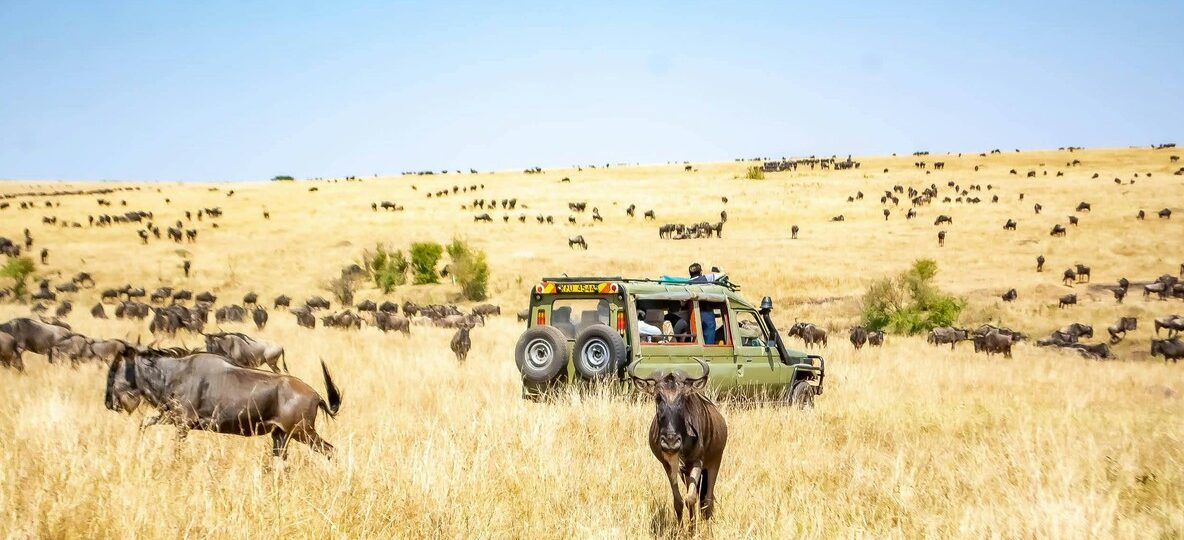
The wildebeest migration corridor passes through OMC during the July-September peak. The conservancy’s position on the northeastern edge of the reserve means that wildebeest columns entering Kenya from the Serengeti’s northern sections pass through OMC terrain before reaching the Mara River proper.
The Ntiakatiak River provides secondary crossing points during high migration flow. When the main Mara River crossings become congested with vehicles, OMC guests can access crossings within the conservancy that see a fraction of the observer traffic.
During peak migration, OMC is exceptional for the combination of crossing access and lion activity. The wildebeest attract lions from across the ecosystem. Kill frequencies during August in OMC are among the highest recorded in any section of the Mara.
Lion Research and Conservation in OMC
Olare Motorogi’s status as a high-density lion zone has made it a significant research site. The Mara-Meru Cheetah Project, the Zoological Society of London’s Maasai Mara Lion Project, and several academic institutions have conducted ongoing studies within the conservancy.
Long-term individual identification of lions means that camp guides know named individuals and their family trees. When your guide says “that is Rani, she has two nine-month-old cubs and her coalition male was last seen at the river yesterday,” that is not a performance. It is the result of years of individual-level observation by guides who have worked the same territory for entire lion generations.
For wildlife enthusiasts with a serious interest in carnivore ecology, OMC offers the rarest possible combination: dense populations, habituated behaviour, night drive access, and guides with individual-level knowledge built over years of consistent observation.
When to Visit Olare Motorogi Conservancy
| Month | Conditions | Best For |
|---|---|---|
| July-Sept | Migration peak | Crossing access + maximum lion activity |
| Oct-Dec | Post-migration, short rains | Resident big cats, lower prices, good conditions |
| Jan-March | Dry shoulder | Excellent predator sightings, fewer visitors |
| June | Pre-migration | Good resident wildlife, before peak rates |
The conservancy performs well in every season. Outside migration months, the resident lion prides and the absence of peak season vehicle numbers make OMC an excellent choice for any month.
Fees and Practical Planning for Olare Motorogi
Conservancy fees: Olare Motorogi charges a daily conservancy fee on top of camp rates. As of 2026, the fee is approximately USD 120-150 per person per day, paid through the camp. This funds the Maasai landowner lease payments, the ranger programme, and the conservancy management infrastructure that produces the low-vehicle experience you are paying for.
Camp rates: OMC camps operate at the upper end of Kenya’s safari accommodation pricing. Full-board rates at camps like Olare Mara Kempinski and Porini Lion Camp range from USD 400-900 per person per night depending on the season and room type. This includes all game drives, park/conservancy fees, and most drinks. The premium reflects the exclusivity model.
Booking lead time: July, August, and December require 6-12 months advance booking for first-choice camp availability. The conservancy’s popularity among repeat Kenya visitors and conservation-focused travellers means availability in peak season is genuinely constrained. Trunktrails Safaris can confirm current availability on request.
Getting there: Olare Motorogi is accessed via the Ol Kiombo or Keekorok airstrips in the Mara ecosystem, served by Safarilink and Air Kenya from Wilson Airport Nairobi. Camp vehicles collect guests from the airstrip. The drive from the airstrip into the conservancy is itself a game drive.
What to bring: The conservancy permits night drives, meaning an early evening departure after sunset is standard. A warm layer for the open vehicle at night is essential. The Mara at night in the cooler dry season can be 10-12°C on an open-topped vehicle at speed.
The Trunktrails Advantage
Trunktrails Safaris knows the OMC camp ecosystem well. We have direct relationships with the principal camps in the conservancy and understand how guide team assignments vary by camp and season.
Our conservation-focused clients who come to Kenya for lions specifically are directed to OMC as the strongest option in the entire Mara ecosystem. We combine OMC stays with Mara reserve game drives, Naboisho visits, or wider Laikipia and northern Kenya circuits depending on what the client wants to achieve.
You are paying for exclusivity when you go to Olare Motorogi. Trunktrails Safaris makes sure you get full value from that investment by placing you in the right camp at the right time of year with a guide whose knowledge of the territory is not general but specific.
Trunktrails Safaris runs tours and safaris across all Kenya conservancies. We are and handle every detail of your Mara itinerary.
Book Your Olare Motorogi Conservancy Safari
The Mara’s highest lion density, private access, night drives, and walking safaris. This is the safari specification serious wildlife observers look for.
Further reading
More safari planning resources
- Wildebeest migration route map from Valley Safaris
- Big Five safari parks guide on Touring Insights
- Big Five safari collection on FindMySafari
- Mara River crossing guide on Touring Insights
WhatsApp: +254 113 208888 Email: info@trunktrailssafaris.com Website: https://trunktrailssafaris.com
Contact Trunktrails Safaris and we will build your OMC tours and safaris itinerary around the dates, budget, and wildlife priorities that matter most to you. 🐆
Image credits: Photo by Abdullatif Bukeni on Pexels; Photo by Ethan Ngure on Pexels; Photo by Sanjeed Quazi on Pexels; Photo by Zebari Visuals on Pexels