
Porini Camps Masai Mara: A Wildlife Lover’s Complete Guide
Africa has thousands of safari camps. Very few of them share a fence line with the highest lion density on the continent. Porini camps in the Masai Mara are the exception. Tucked inside Ol Kinyei Conservancy and Olare Motorogi Conservancy, these small, community-owned camps give serious wildlife watchers what the main reserve rarely can: exclusive game-viewing territory with fewer than a dozen vehicles in sight, anti-poaching patrols that protect the corridors where big cats hunt, and a direct financial link between your booking and the Maasai families who own the land.
This guide covers everything you need to know about porini camps in the Masai Mara: which conservancies they operate in, what makes the wildlife experience different from the main reserve, what to expect at camp, and how to book through Trunktrails Safaris.
What Are Porini Camps and Where Are They?
“Porini” means “in the wild” in Swahili, and the name is not marketing language. Porini camps operate under Gamewatchers Safaris, one of Kenya’s longest-running conservation-focused tour operators. Each camp sits inside a private conservancy adjacent to the main Masai Mara National Reserve, on community land leased directly from Maasai landowners.
There are two primary Porini camp locations relevant to the Mara ecosystem:
| Camp | Conservancy | Size | Max Guests |
|---|---|---|---|
| Porini Lion Camp | Olare Motorogi Conservancy | 33,000 acres | 12 |
| Porini Mara Camp | Ol Kinyei Conservancy | 10,000 acres | 16 |
Olare Motorogi Conservancy borders the northern section of the Masai Mara National Reserve and connects directly to the Mara Triangle. It has been documented as one of the highest lion-density areas in Africa, largely because vehicle access is strictly managed. Only conservancy permit-holders may drive here, and each camp is limited in the number of game vehicles it can send out daily.
Ol Kinyei Conservancy sits to the east of the main reserve. It is smaller and quieter. Wildlife here includes all of the Mara’s big cats, large elephant herds, and some of Kenya’s most reliable leopard-viewing corridors. Night drives, which are prohibited inside the national reserve, are permitted here.
The Conservation Architecture Behind Every Camp 🦁
Porini camps are community owned safari Kenya operations at their most structured. Every lease payment goes directly to the Maasai landowners. Every staff member is recruited from the surrounding villages. The model is not just ethical tourism language. It is a documented anti-poaching mechanism: when a family earns more from a living lion than from poaching, the lion survives.
The Olare Motorogi Lion Research Programme works with conservancy rangers and international researchers to track resident prides across both conservancies. The African Wildlife Foundation recognises the Mara conservancy network as one of Africa’s most effective community-based lion conservation models. This is not a passive monitoring exercise. It feeds into population management decisions, anti-snare patrols, and corridor negotiations with adjacent land parcels. Guests at Porini Lion Camp regularly encounter researchers in the field. Some guided drives are timed around active tracking sessions.
Key conservation numbers for travelers who want the data:
- Over 90 Maasai landowner families receive direct lease income from Olare Motorogi alone
- Anti-poaching patrols run 24 hours inside conservancy boundaries
- Vehicle limits: typically no more than 3 vehicles per sighting in the conservancy, compared to 20-plus in the main reserve at a popular crossing
- Night drives available from both camps: the only legal way to observe Masai Mara’s leopard and aardvark after dark
What the Wildlife Experience Looks Like
Morning in the conservancy starts before 6:00 a.m. Your guide drives directly from camp into open grassland. There are no entry gates, no queuing, no other vehicles pulling up at the same lion kill. This is low impact safari Masai Mara at its core operational definition.
A typical three-day stay at Porini Lion Camp will yield:
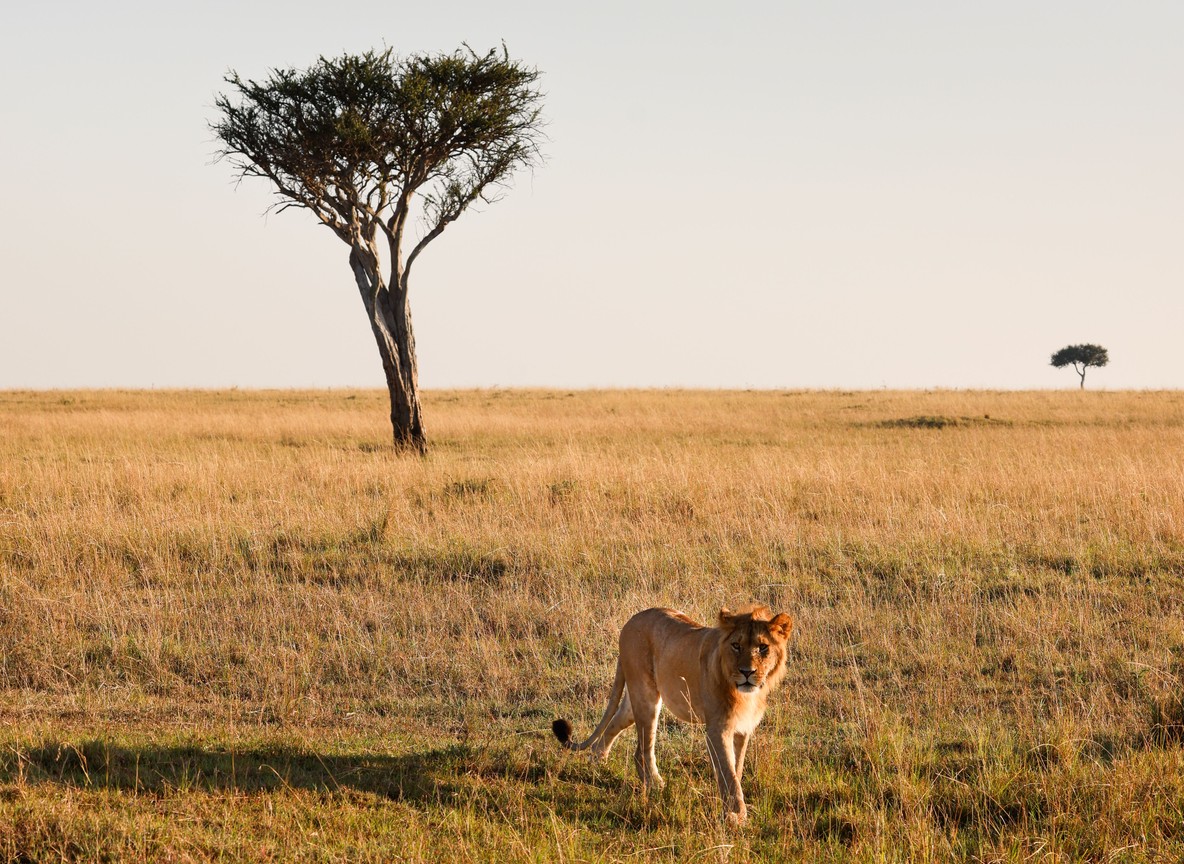
- Lion: Multiple daily sightings are the norm in Olare Motorogi. The resident prides in this conservancy include some of the most studied and habituated lions in Kenya. You will see them at rest, at kills, and with cubs, at distances that no park regulation vehicle limit would allow on a crowded reserve road.
- Leopard: Ol Kinyei’s riverine thickets are one of the most reliable leopard habitats in the Mara ecosystem. Night drives increase sighting probability significantly.
- Elephant: Both conservancies have large matriarchal herds that move freely between the conservancy and the reserve. August through October, herds concentrate near water sources in Olare Motorogi.
- Great Migration: From July through October, the wildebeest columns that funnel through Olare Motorogi on their way to the Mara River crossings can be watched without the crush of vehicles typical of the main reserve viewing points.
- Cheetah: Olare Motorogi’s open grasslands suit cheetah hunting territories. The low vehicle traffic reduces the disturbance that causes cheetah to abandon kills in busier areas.
Night drives from both camps are available year-round. This is the only legal way to see Masai Mara predator behavior after sunset. Aardvark, genet, civet, and porcupine appear regularly. Lion hunts that begin at dusk can be followed through to completion.
Camp Life: What to Expect Inside
Both camps are small by design. Porini Lion Camp holds a maximum of 12 guests. Porini Mara Camp holds 16. This is intentional: small camp sizes mean your guide-to-guest ratio stays high and the camp’s footprint on the conservancy land stays minimal.
Accommodation is canvas tented, with proper beds, en-suite bathrooms with running hot water, and flush toilets. The camps are solar-powered. Each tent faces the bush. There are no swimming pools, no spa facilities, no WiFi in guest tents. This is not a design failure. It is the correct signal: the camp is built for people who are here for the wildlife, not the amenities.
Meals are prepared from seasonal produce sourced locally where possible. Bush breakfasts are eaten in the open air after a morning drive, and they are a standard offering at both properties. Bush dinners under a canopy of stars are set up on request.
What you will not find:
- Generators running past 9:00 p.m.
- Vehicle queues at sightings
- Other tourists’ lodge buildings visible from camp
- Barriers between camp and the surrounding bush
What you will find:
- A resident naturalist guide with conservancy-specific tracking knowledge
- Community cultural visits to Maasai villages within the lease area
- Walking with a Maasai elder along the conservancy boundary
- Access to researcher briefings if an active lion monitoring session is underway during your stay
Best Time to Visit Porini Camps in the Masai Mara 🌍
Porini camps are an exceptional destination year-round. The two peak windows for specific experiences are:
July to October: Great Migration. Wildebeest and zebra move into the conservancies from Tanzania. Olare Motorogi receives migration columns directly and the Mara River crossings are reachable within 20 minutes of camp. This is also the dry season: grass is short, visibility is maximum, and predator action peaks. This window books out 6-12 months ahead.
November to February: Green season. The short rains finish in November and the landscape turns to deep green. Calving season begins for resident wildebeest in January. Predator activity is high because there are vulnerable animals on the ground. Guest numbers are lower, prices drop, and the photographic light is exceptional: dramatic storm light, green horizons, and long golden hours.
March to May: Long rains. The camps are quieter and some roads through the conservancy become challenging after heavy downpours. Wildlife density remains high and the low guest numbers mean even more exclusive driving. This is the season for birding enthusiasts: over 570 species are recorded across the Mara ecosystem and the migrant species arrive in this window.
The Trunktrails Advantage 🐘
Trunktrails Safaris works directly with conservancy-based camps like Porini because the missions align. We are a, Nairobi-based tours and safaris operator with on-the-ground relationships across the Mara conservancy network. When you book porini camps Masai Mara through Trunktrails, several things happen that a generic booking platform cannot provide:
Conservancy knowledge: We know which camps have the most active lion prides during your travel window. We know when a researcher is in residence at Porini Lion Camp and can time a stay to coincide with an active tracking session. We know which dates the migration columns are expected through Olare Motorogi based on current-year rainfall and grass conditions.
Combination itineraries: Most wildlife enthusiasts want more than three days in one conservancy. Trunktrails Safaris builds multi-conservancy itineraries that move guests from Porini Lion Camp to Ol Kinyei, then on to other northern Kenya conservancies: Laikipia, Lewa, Samburu, for a complete big cat and conservation experience.
Honest pricing: Porini camps quote in USD. We translate every cost into a clear total before you commit: conservancy fees, park levies, transfers, and our Trunktrails Safaris service included. There are no surprise add-ons at checkout.
Direct community connection: Because Trunktrails tours and safaris are built on the same community-ownership principles Porini operates under, we can arrange direct engagement with the Maasai landowner families. This is not a cultural performance. It is a conversation about how conservancy economics work and what your booking means to the families who chose wildlife over cattle.
How to Get to Porini Camps 📸
Both camps are accessible by road or fly-in.
By road: Nairobi to the Mara conservancies is a 5-6 hour drive via the A104 and through Narok. Trunktrails Safaris provides private road transfers in 4WD vehicles.
By air: Fly from Wilson Airport in Nairobi to Kichwa Tembo or Olare Orok airstrips (45 minutes). Camp transfers from the airstrip take 15-30 minutes. Safarilink and AirKenya operate scheduled services. Trunktrails tours and safaris coordinate all domestic flight bookings as part of your package.
Getting to camp from the airstrip: Porini camps send a guide vehicle to collect from the airstrip. The drive through the conservancy from the airstrip is already a game drive.
Frequently Asked Questions
What is the difference between Porini camps and other Masai Mara lodges? Porini camps are small, community-owned safari Kenya properties inside private conservancies. Most lodges in the main reserve do not have the same vehicle limits or community lease structures. The conservancy model means fewer vehicles, more exclusive access, and a direct conservation contribution from your booking fee.
Are Porini camps suitable for solo travelers? Yes. The small camp sizes mean solo travelers join a group of at most 11 other guests. Porini camps are popular with solo wildlife photographers and researchers. Trunktrails Safaris can arrange single-supplement waivers on specific travel dates. Contact us for availability.
Can I combine Porini camps with other Kenya destinations? This is the recommended approach for a full Kenya wildlife experience. Trunktrails Safaris regularly builds 7-10 day itineraries pairing Porini Lion Camp with Samburu National Reserve or Laikipia conservancies, giving guests the full range of Kenya’s distinct wildlife ecosystems.
What is the price range for Porini camps? Expect conservancy-inclusive rates in the range of $450-$700 per person per night, all-inclusive. Trunktrails Safaris will provide a full cost breakdown including conservancy fees, park levies, domestic transfers, and our service before you commit to any booking.
Book Your Porini Camps Safari with Trunktrails Safaris
The Olare Motorogi and Ol Kinyei conservancies book out fast, particularly for July-October. The camps are small by design. Once a guest list fills, dates close.
Trunktrails Safaris holds advance allocations at Porini camps for confirmed client bookings. If you are planning a 2026 or 2027 Masai Mara conservancy safari, the time to move is now.
Contact Micah and the Trunktrails Safaris team directly:
Further reading
More safari planning resources
- Interactive Maasai Mara map from Valley Safaris
- Big Five safari parks guide on Touring Insights
- Big Five safari collection on FindMySafari
- Maasai Mara National Reserve guide on Touring Insights
- WhatsApp: +254 113 208888
- Email: info@trunktrailssafaris.com
- Website: https://trunktrailssafaris.com
- | Kenya-based tours and safaris specialists
Tell us your travel dates, group size, and whether you want to combine Porini camps with other Kenya destinations. We will send you a full itinerary and cost breakdown within 24 hours.
Image credits: Photo by Zebari Visuals on Pexels; Photo by Fali Poncha on Pexels; Photo by Sanjeed Quazi on Pexels; Photo by Ethan Ngure on Pexels

