
Anti-Poaching Dogs of Kenya: The Tracker Teams Guarding the Rhinos
Before first light breaks over the Laikipia Plateau, a bloodhound named Zulu has already logged three kilometres of scent trail. His handler, ranger Moses Kipchoge, follows without a torch. Zulu does not need one. By the time the sun clears the acacia line, the two of them have traced a poacher’s entry route, confirmed no rhino was disturbed overnight, and radioed coordinates back to the operations centre at Loisaba Conservancy.
This is what anti-poaching dogs in Kenya actually look like in practice: quiet, methodical, and devastatingly effective. No headlines. No drones. Just a dog, a ranger, and a 40-kilometre nose.
If you travel as a conservation volunteer or a safari guest who measures value by ecological impact, understanding this layer of wildlife protection changes how you experience the bush. Trunktrails Safaris includes ranger briefings and conservation visits as part of our guided safaris into Kenya’s northern conservancies. Seeing these dogs work, even briefly, is one of those moments that reframes everything.
Why Kenya Turned to Dogs for Rhino Protection
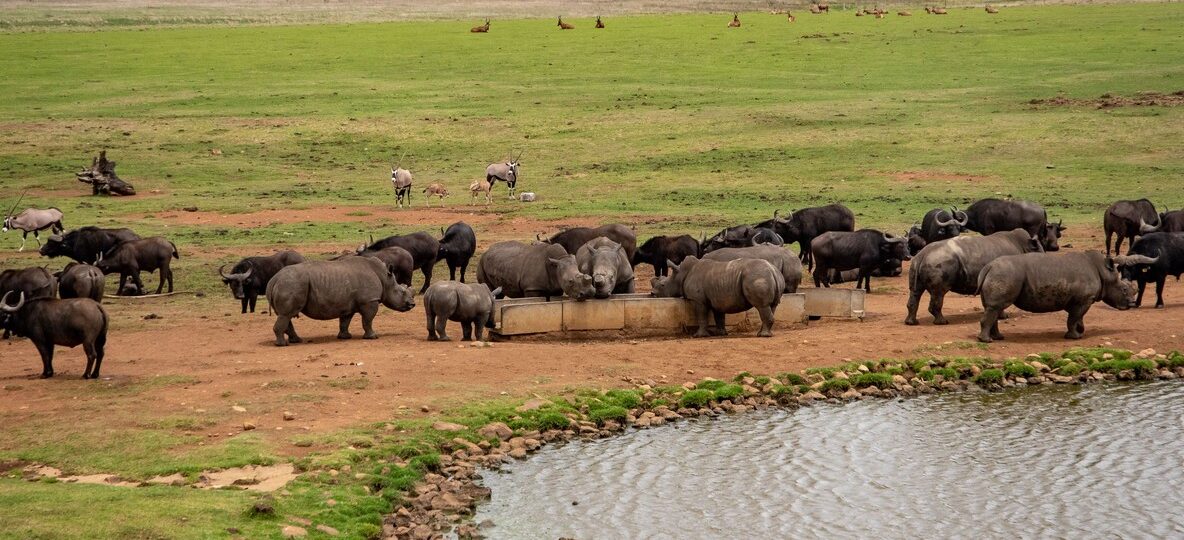
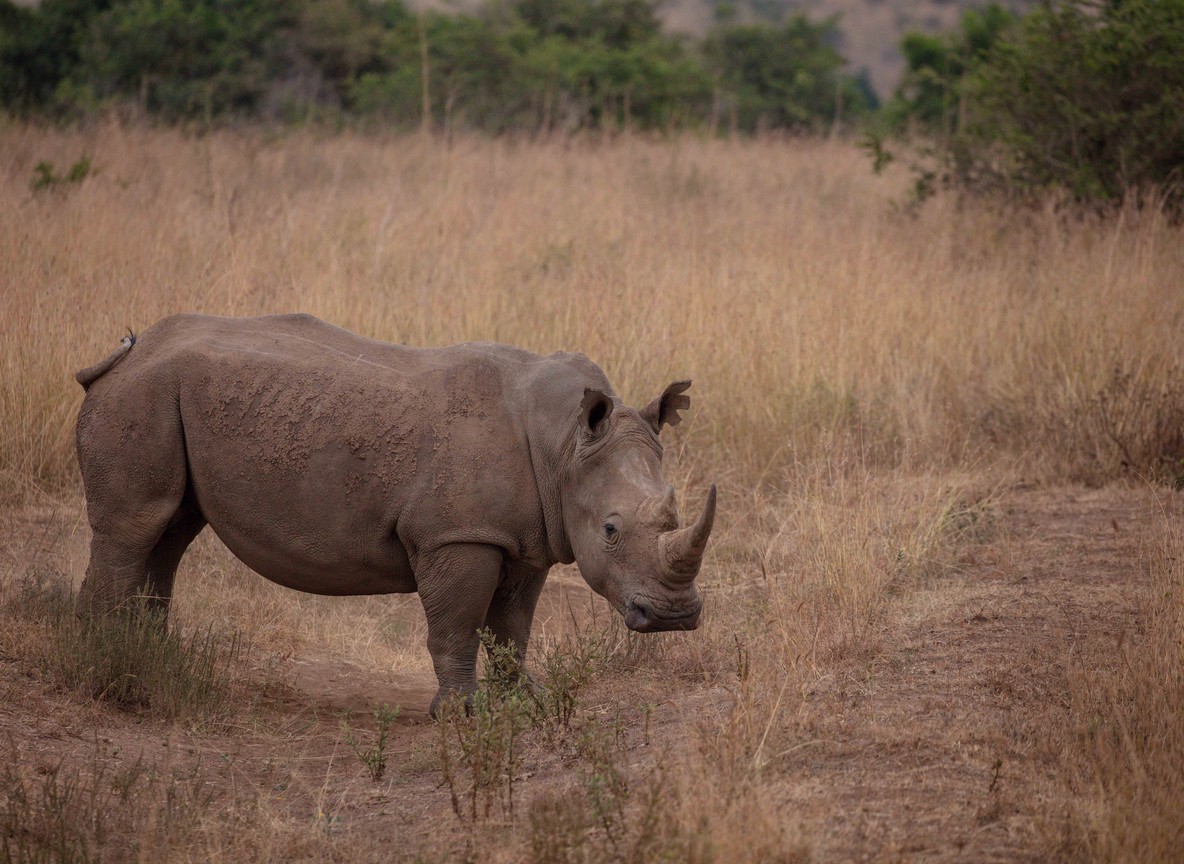
Kenya’s black rhino population collapsed from roughly 20,000 animals in 1970 to under 300 by 1984. Poaching, driven by international demand for rhino horn, was the primary cause. Since then, intensive conservation management has rebuilt the population to approximately 900 black rhinos today. The pressure has not disappeared, though.
Modern poachers are better equipped than they were in the 1980s. They use GPS devices, encrypted communications, and night-vision optics. Conventional ranger patrols on foot or in vehicles can be evaded. Drones cover ground but cannot hold a scent. Camera traps photograph what walks past them but cannot predict movement.
Scent-detection dogs fill that gap. A trained bloodhound can follow a human scent trail that is 72 hours old across varied terrain: sand, rock, grass, and water crossings. A tracker dog team can cover terrain in hours that would take a human ranger team days to search on foot. The Kenya Wildlife Service (KWS) recognised this capability in the 1990s and has continued to build its canine unit. Private conservancies including Loisaba, Ol Pejeta, and Borana have since developed their own programmes.
For kenya rhino conservation, these dogs are not a novelty. They are a structural layer of the security architecture.
How the Loisaba Bloodhound Unit Works
Loisaba Conservancy covers 56,000 acres of semi-arid rangeland in Laikipia County. It is home to endangered Grevy’s zebra, African wild dogs, elephants, lions, and a small but carefully monitored rhino population. Its bloodhound sniffer unit has been operating for several years as part of a broader conservation-technology stack.
The unit operates on a simple principle: poachers leave scent. Scent does not lie, does not erase itself when it rains lightly, and does not stop at a fence line.
Each dog is trained in four competencies:
- Human scent tracking: following the trail of a specific person across open ground
- Bushmeat and ivory detection: alerting on concealed wildlife products at vehicle checkpoints
- Firearm residue detection: identifying recently discharged weapons
- Area search: clearing a defined zone to confirm no human intrusion
The dogs work in four-hour shifts to prevent fatigue-related error. Handlers rotate on the same schedule. This is not a sideshow. It is a precision operation staffed by people who train alongside their dogs for months before deployment.
A key insight for wildlife tracker dogs in Africa: the dog is only as good as the handler. Loisaba invests heavily in handler training, including reading dog body language, understanding scent dispersal in wind, and operating calmly in the dark.
The Broader Kenya Anti-Poaching Dog Network
Loisaba is the most publicly documented programme in northern Kenya, but it is not the only one.
| Conservancy / Organisation | Location | Dog Breeds Used | Primary Target |
|---|---|---|---|
| Loisaba Conservancy | Laikipia | Bloodhound | Rhino, general poaching |
| Ol Pejeta Conservancy | Laikipia | Belgian Malinois, Bloodhound | Rhino (northern white + black) |
| Kenya Wildlife Service (KWS) | Nationwide | Belgian Malinois, German Shepherd | Ivory, bushmeat, firearms |
| Borana Conservancy | Laikipia | Belgian Malinois | Rhino, elephant |
| Tsavo Trust | Tsavo Ecosystem | Bloodhound | Elephant, ivory trafficking |
The Belgian Malinois is the standard working breed for apprehension: fast, high-drive, and capable of holding a suspect at distance. Bloodhounds are slower but unmatched for cold-trail tracking. Most mature programmes use both, deploying them for different tactical needs.
Anti-poaching technology in Kenya has also expanded to include drone overwatch, GPS-collared rhinos, and acoustic monitoring (ShotSpotter-type systems that triangulate gunfire). The dogs sit within this ecosystem rather than replacing any of it. Rangers describe the combination as layered security, where each layer catches what the others miss.
What Conservation Volunteers Actually See on the Ground 🐘
If you join a conservation volunteer programme in Laikipia, you will not be a passive observer. Most structured programmes include:
- Dawn patrol briefings with the anti-poaching unit, including a short explanation of the previous night’s tracking activity
- Rhino monitoring walks: GPS-assisted foot patrols to locate and record rhino positions
- Community liaison visits: meeting with local Samburu and Kikuyu pastoralist communities whose cooperation is essential to the conservancy’s intelligence network
- Data collection: recording wildlife observations in standardised formats used by the conservancy’s research team
Some programmes allow guests to observe (not participate in) a scent-detection demonstration. This is a controlled exercise where the dog locates a concealed object across a defined area. It takes about four minutes. It is one of the more quietly impressive things you will see on a wildlife safari.
The deeper insight is structural. Conservation safari Kenya experiences built around anti-poaching education show guests that wildlife protection is not passive. It is an active, funded, staffed operation that requires sustained commitment and international solidarity to maintain.
The Trunktrails Advantage
Trunktrails Safaris operates conservation-led tours and safaris into the Laikipia Plateau, Ol Pejeta Conservancy, and connected northern Kenya ecosystems. Our guides are trained to contextualise what you see in the field: not just to identify animals, but to explain the protection architecture around them.
When you book a northern Kenya conservation safari with Trunktrails Safaris, you can expect:
- Ranger briefings on current anti-poaching operations (where security protocols permit)
- Rhino tracking walks with experienced field guides who understand population monitoring methods
- Community conservation visits: direct engagement with local communities whose land management decisions determine whether wildlife corridors stay open
- Transparent conservation contribution: 5% of your safari booking fee goes directly to the Kenya conservation fund supporting programmes like these
Our tours and safaris are designed for people who want to understand what they are contributing to, not just what they are observing. If you have come to Kenya because the ecosystem matters to you, we will make sure you leave knowing exactly how your visit fits into it.
We are a Kenyan-owned operator. Our founders grew up in this landscape. That is not a marketing line. It is why our guides know which conservancy ranger to call when a question goes beyond the briefing notes.
Our tours and safaris are built on relationships with the conservancies, the rangers, the community scouts, and the researchers. Trunktrails Safaris connects you to all of them.
Why Your Presence Here Is Part of the Security Budget
This is the point most wildlife documentaries do not make clearly enough: anti-poaching operations are expensive to maintain. The Loisaba bloodhound unit, KWS canine division, community ranger salaries, drone hardware, and veterinary care for working dogs are not funded by sentiment.
They are funded by a combination of international grants, conservancy revenue, and tourism. When you choose a conservation safari in Kenya, a portion of your spending flows into this operational budget.
Poaching levels in Kenya’s rhino sanctuaries are not zero. But they are dramatically lower than in countries without similar protection infrastructure. The dogs, the rangers, and the community scouts are the reason. So is the tourism income that keeps the conservancies financially viable enough to maintain those teams.
For kenya rhino conservation, the math is straightforward: fewer tourists means less conservancy revenue, which means smaller ranger teams, which means higher poaching success rates. Your presence is not incidental to the outcome. It is load-bearing.
Planning a Conservation-Focused Safari in Laikipia
Best time to visit: Laikipia’s driest months (June to October and January to February) are best for wildlife tracking. Vegetation is lower, animal movements are more predictable, and rhino sightings are more consistent.
Duration: A minimum of three nights in Laikipia is recommended for conservation-focused itineraries. Five nights allows time to include both conservancy wildlife tracking and a community visit.
Combining with other parks: Laikipia pairs naturally with Samburu National Reserve (the Samburu Special Five) and Ol Pejeta Conservancy. Trunktrails Safaris can build a nine-day northern Kenya circuit that covers all three.
What to bring: Neutral-coloured clothing, a headtorch for dawn briefings, a field notebook, binoculars. Leave wildlife products at home. The dogs will find them.
Make This Your Safari 🌍
The anti-poaching dogs of Kenya are doing something few conservation programmes can claim: they are winning. Kenya’s rhino population is growing. The poaching networks targeting Laikipia are under sustained pressure from a system that includes rangers, communities, technology, and yes, the dogs.
You can be part of that story. Not as a donor at a distance, but as a guest who has walked the same plateau those dogs patrol at night, who has sat in the same briefing room where rangers plan their shifts, and who has contributed directly to the budget that keeps it running.
Further reading
Trunktrails Safaris is ready to build that itinerary for you. Reach us on WhatsApp at +254 113 208888, by email at info@trunktrailssafaris.com, or through our website at trunktrailssafaris.com. Tell us when you want to come. We will show you what conservation looks like at ground level.
Trunktrails Safaris. Kenyan-owned, conservation-led tours and safaris since day one. WhatsApp: +254 113 208888 | info@trunktrailssafaris.com | trunktrailssafaris.com
Image credits: Photo by Magda Ehlers on Pexels; Photo by Twilight Kenya on Pexels; Photo by Veronica Vecci on Pexels; Photo by Martyn Gomersall on Pexels; Photo by John Mburu on Pexels

