Maasai Women and Conservation: How Laikipia Beadwork Collectives Fund Wildlife
In Laikipia, wildlife conservation has a face you might not expect. She sits under an acacia tree, stringing glass beads in patterns her grandmother taught her, and the income she earns pays for ranger salaries, anti-poaching patrols, and community water projects. Maasai women conservation work in northern Kenya is not a charity program. It is an economic system that local women built and run, producing measurable results for some of Kenya’s most threatened landscapes. 🌍
At Trunktrails Safaris, we have spent years designing tours and safaris that go beyond the game drive. When our guests ask who actually funds wildlife conservation in Kenya, the honest answer points back to communities, and often to women’s collectives. In Laikipia, those collectives are changing what conservation looks like from the ground up.
Who Are the Chui Mamas and What Do They Do?
The Chui Mamas, which translates loosely as “Leopard Mothers” in Kiswahili, are a women’s cooperative working across the Laikipia plateau. Members produce traditional beaded jewelry and crafts, sell them through lodge partnerships and direct export markets, and pool a portion of the revenue into a conservation fund that covers operational costs for the conservancies bordering their land.
The name is intentional. Leopards are among the most persecuted predators in Laikipia, killed in retaliation for livestock attacks. Chui Mamas are working to change that calculation. When the leopard is worth money alive, through tourism and conservation funding, retaliatory killing declines.
Members meet weekly, share quality training, manage collective savings, and negotiate directly with lodges about product placement. This is not a craft market sideline. It is a business with structure, accountability, and conservation metrics attached to it.
How Does Beadwork Income Fund Wildlife in Laikipia?
The funding pipeline is direct. A portion of every sale goes into a shared conservation account, administered jointly by the women’s group and conservancy management. That money covers ranger patrol costs, community game scouts, predator compensation schemes, and wildlife monitoring equipment.
The predator compensation scheme is one of the most effective tools in the model. When a lion or leopard kills a herd animal, the affected family receives a payment from the collective fund. This removes the incentive to poison or trap the predator. It converts wildlife from a liability into an insured risk, and the premium is paid by beadwork buyers around the world who often have no idea they are doing it.
A traveler who buys a beaded bracelet at a lodge gift shop in Laikipia is contributing to the operational budget of a community conservancy. That is a more direct conservation transaction than most carbon offset programs.
What Makes Laikipia the Right Place for Women-Led Conservation?
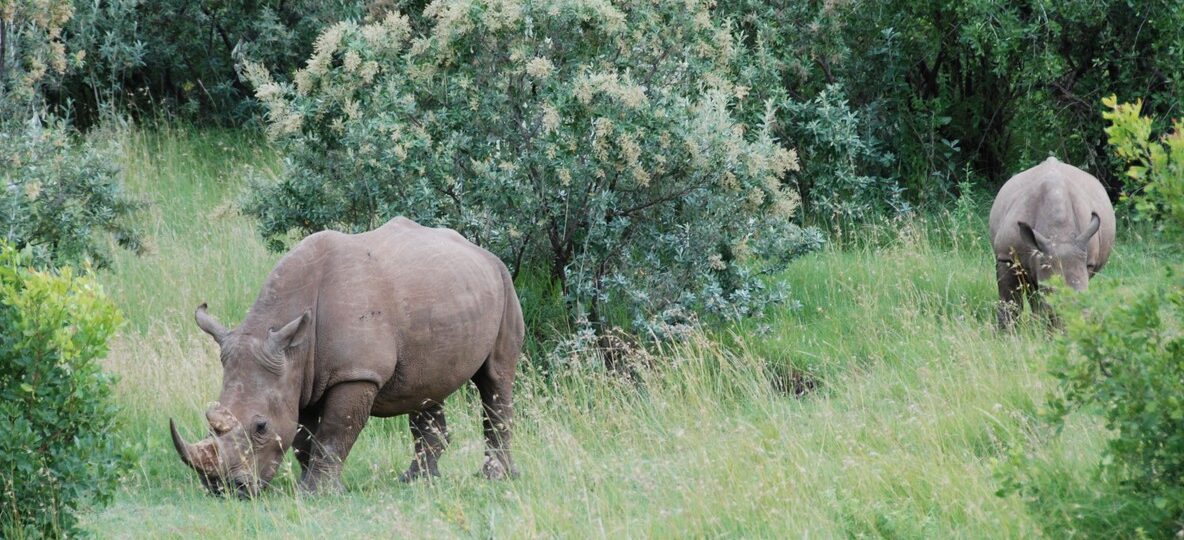
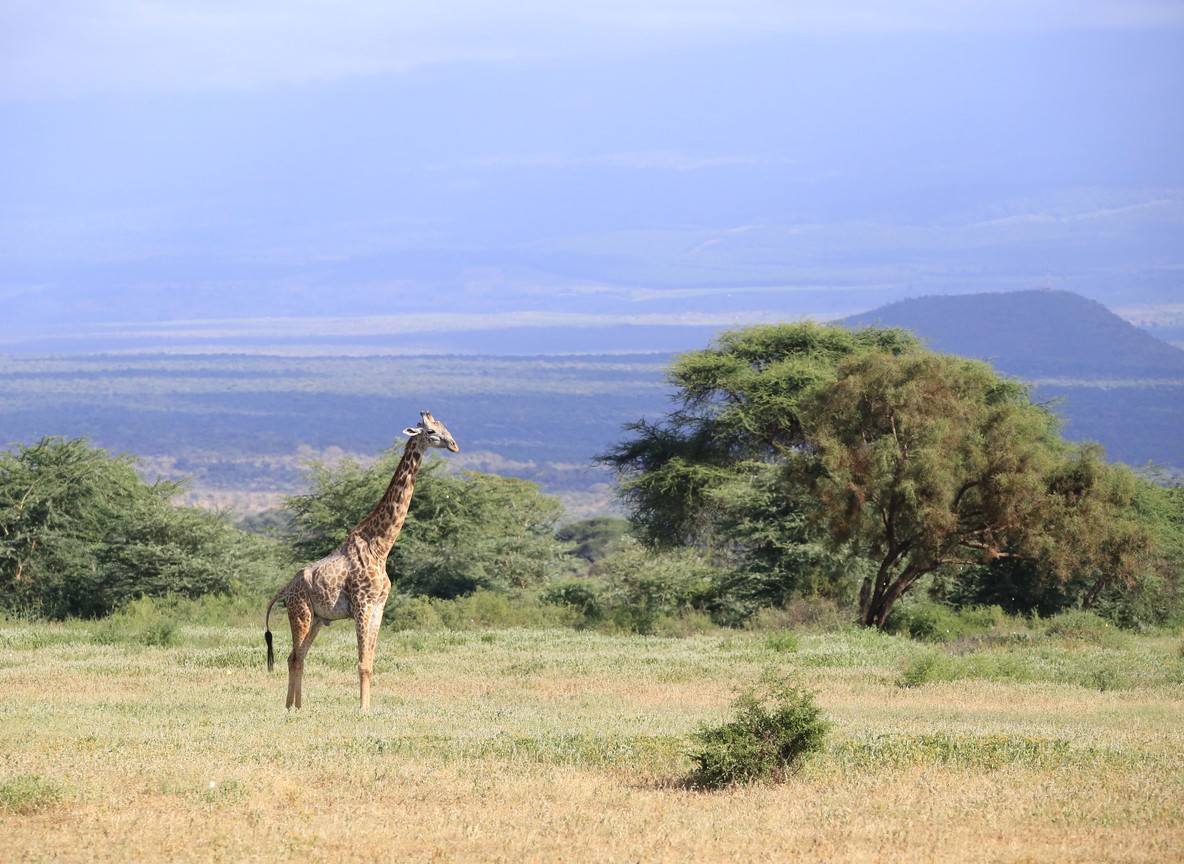
Laikipia is Kenya’s second-largest wildlife dispersal area after Maasai Mara. The plateau holds the country’s second-largest elephant population, the highest density of black rhino outside national parks, plus Grevy’s zebra, reticulated giraffe, wild dog, and cheetah. It is also almost entirely privately and community-owned, with no national park at its core.
That land tenure structure matters. Laikipia’s wildlife survives because landowners, including Maasai community members, choose to run conservancies instead of converting land to agriculture. That choice is not free. It means tolerating elephants that break fences and predators that kill livestock. Women-led collectives like the Chui Mamas make that tolerance economically viable by adding a revenue stream that did not exist before.
For guests doing tours and safaris in Laikipia, every conservancy fee and every craft purchase keeps private land in wildlife use. The Laikipia plateau safari is unusual in Kenya precisely because this human-wildlife negotiation happens in real time, and you can meet the people conducting it.
How Does the Land & Life Foundation Support Maasai Women’s Collectives?
The Land & Life Foundation is a Kenyan-registered non-profit linking livelihood programs with conservation outcomes across northern Kenya. In Laikipia, they support women’s beadwork collectives with business training, export market access, and funding for predator compensation schemes.
Land & Life builds the infrastructure, including market access, legal registration, and financial training, then steps back to let community members run the enterprise. Externally managed “conservation projects” often collapse when NGO funding dries up. Community-owned enterprises persist because the economic incentive survives regardless of outside support.
Their documented work covers training over 200 women in business literacy and quality production standards, and facilitating lodge network partnerships that give collectives direct access to motivated buyers on tours and safaris.
Which Maasai Women’s Collectives Are Active in Laikipia?
Laikipia has several women’s collectives operating with direct conservation linkages. The table below shows the major active groups and what their revenue funds.
| Collective | Location in Laikipia | Products | Revenue Funds | Approximate Members |
|---|---|---|---|---|
| Chui Mamas | Central Laikipia / Il Ngwesi area | Beaded jewelry, bags, home decor | Ranger salaries, predator compensation, water infrastructure | 60-80 women |
| Ol Malo Women’s Group | Northern Laikipia / Ol Malo Conservancy | Beaded accessories, embroidery | School bursaries, conservancy patrol costs | 30-45 women |
| Lewa Beaders Collective | Lewa Wildlife Conservancy buffer | Traditional beadwork, woven items | Black rhino monitoring, community health fund | 40-60 women |
| Ngare Ndare Women’s Cooperative | Ngare Ndare Forest / Borana area | Forest-themed beadwork, seed jewelry | Forest patrol and elephant corridor maintenance | 25-35 women |
| West Gate Women’s Craft Group | West Laikipia / Mukogodo area | Beaded sandals, traditional jewelry | Grevy’s zebra monitoring, anti-poaching dog program | 35-50 women |
These collectives operate with varying degrees of formality, and membership numbers shift as programs grow. What they share is the same structural principle: traditional craft skill converted into conservation capital through a managed revenue-sharing model.
What Wildlife Does Beadwork Revenue Help Protect?
The species under greatest pressure in Laikipia are exactly those the collective revenue goes to protect. Black rhino are the headline: Kenya holds Africa’s third-largest black rhino population, and Laikipia accounts for a significant share outside official parks. Rhino protection is expensive, covering round-the-clock armed rangers and GPS monitoring. A portion of those costs comes from collective conservation funds.
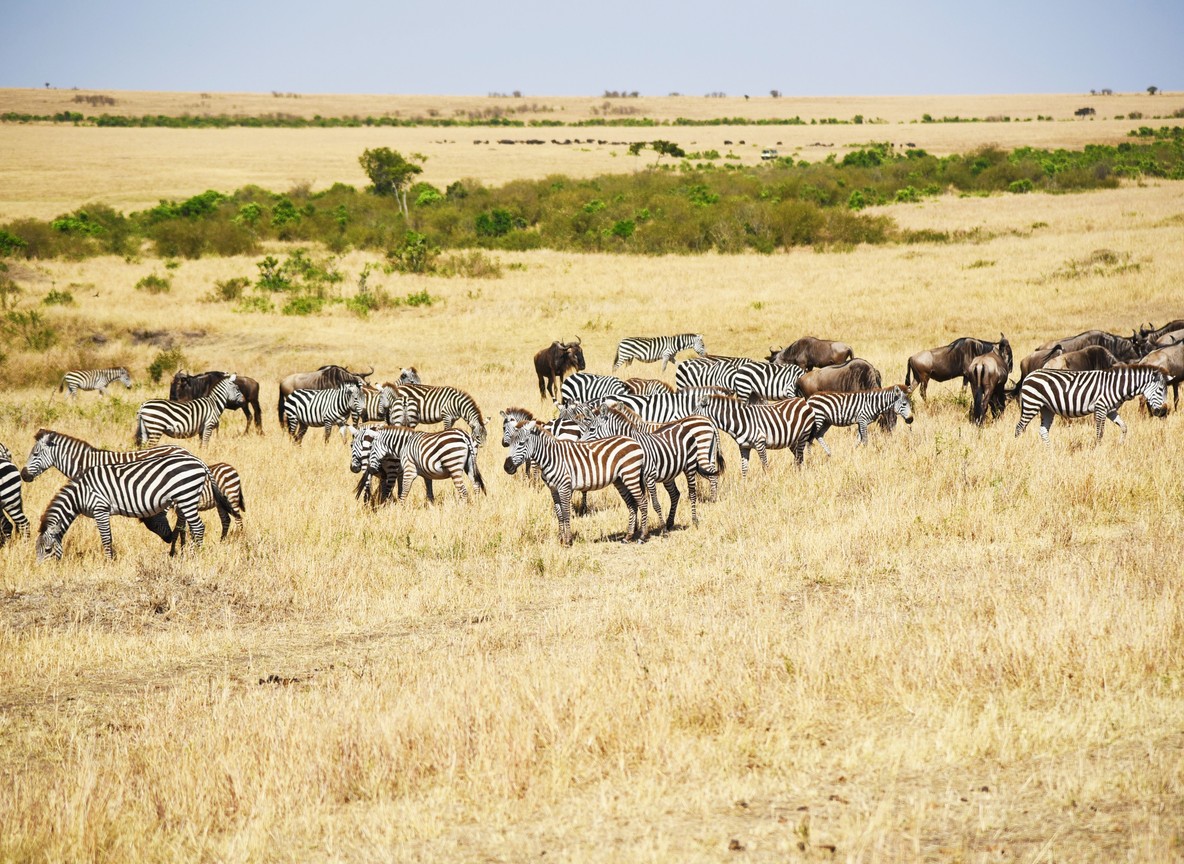
Grevy’s zebra, listed as endangered with fewer than 2,900 individuals left, are concentrated in Laikipia. The West Gate Women’s Craft Group has a partnership with the Grevy’s Zebra Trust, with beadwork sales funding monitoring surveys through areas vehicles cannot reach.
African wild dogs, present in only a handful of Kenyan conservancies, require large home ranges and regular monitoring. Funding from collective accounts covers veterinary costs for injured animals and scout patrols that check for snares.
For guests on wildlife conservancy tours and safaris, meeting the women whose beadwork paid for the ranger who checked that water hole this morning is a very specific kind of safari experience. 🐘
How Do Maasai Women Balance Traditional Culture with Conservation Work?
Maasai beadwork is not a static tradition. It has always been a social and economic tool, marking age sets, communicating marital status, and serving as portable wealth. The shift to market-facing production does not break that tradition. It extends it.
What has changed is the relationship between women and land-use decisions. Land tenure and wildlife management have historically been male-dominated in Maasai communities. Women’s collectives are changing that balance by creating a financial stake that gives women a legitimate voice in conservation governance.
At several Laikipia conservancies, collective members now sit on land-use committees alongside male elders. Their argument is economic: documented income data shows wildlife-adjacent land generates more consistent revenue than overgrazing. That is not a cultural argument. It is an accounting argument, and it works.
The maasai women beadwork story in Laikipia is distinct because these women are not adapting their culture to fit a conservation agenda. They are using their cultural capital to advance a land-use argument that benefits both their livelihoods and the wildlife their children will inherit.
Can Safari Travelers Support These Collectives Directly?
Yes, and the support is more effective than most travelers expect. There are three direct routes:
Buy from collective-linked lodge gift shops. Lodges partnered with Land & Life and the Chui Mamas sell products with provenance labels. Buying there rather than from roadside markets ensures the revenue flows back to the collective fund.
Request a collective visit through your tour operator. Several collectives welcome lodge guests for morning sessions where members demonstrate beadwork and explain the conservation linkage. When you book tours and safaris with Trunktrails Safaris in Laikipia, we can arrange this as part of your itinerary.
Specify conservation-linked lodge choices. Lodges at Il Ngwesi, Lewa, Borana, and Ol Malo have formal collective partnerships. Choosing these properties directs your accommodation spend toward the ecosystem the collective model depends on.
The women-of-samburu safari runs a comparable model in northern Kenya. Both programs show that guest spending, when routed through the right structures, becomes a direct conservation tool.
The Trunktrails Advantage
Trunktrails Safaris is a native Kenyan-owned operator. We design tours and safaris built on real relationships with communities and conservancies, not catalog tours assembled by outside agencies.
In Laikipia, that means we know which lodges have active collective partnerships and which ones use “community” as a branding gesture. We know which collective visits are genuine morning sessions with working members and which are staged performances. We design itineraries around those distinctions.
Our commitment: 5% of every booking goes directly to wildlife conservation. For Laikipia itineraries, we route that contribution through conservancy partners with documented collective programs. ✨
We offer tailor-made itineraries for every budget, 24/7 direct operator support, and no middlemen. You speak to the people who built your safari.
Plan Your Laikipia Cultural Conservation Safari
The Chui Mamas are not a tourist attraction. They are a conservation funding mechanism that happens to produce beautiful things. A beaded bracelet from Laikipia is a record of a transaction between a Maasai woman’s livelihood and the future of a black rhino’s habitat. That is a story worth traveling for.
If you want to meet the communities keeping Laikipia’s wildlife alive, contact Trunktrails Safaris now. We will design an itinerary that puts you in the right rooms, on the right land, with the right people.
Further reading
WhatsApp: +254 113 208888 Email: info@trunktrailssafaris.com Website: https://trunktrailssafaris.com
The women will be there. So will the rhinos. The only question is when you are coming. 🌅
Image credits: Photo by Gary M. Cohen on Pexels; Photo by Exploration Junkie on Pexels; Photo by Nancy Yu on Pexels; Photo by Michael Kabus on Pexels; Photo by René Wechet on Pexels