Kenya National Park Fees 2026: The New KWS Four-Tier Tariff Explained
If you are planning a trip this year, the single biggest change to your budget is not airfare or camp rates. It is the gate. The kenya national park fees 2026 structure is the first full rewrite of park pricing in nearly two decades, and it touches every traveler who drives through a Kenya Wildlife Service gate.
The Kenya Wildlife Service rolled out a new system that took effect on 1 October 2025. It sorts every park into a clear category and charges four different visitor tiers. This guide breaks down exactly what you will pay, why the rates changed, and how to plan around them. Trunktrails Safaris runs tours and safaris through these gates every week, so the figures here reflect what travelers actually pay on the ground. Whether you are pricing a single park or a full circuit, the numbers below are built for real planning, not guesswork.
What Changed: The New KWS Tariff Explained
For almost twenty years, Kenya’s park fees stayed flat. Costs for fuel, ranger salaries, anti-poaching units, and road repairs kept climbing while gate revenue did not. The new tariff was gazetted under the Wildlife Conservation and Management (Access and Conservation) (Fees) Regulations, 2025, and it modernizes the whole model.
Two things changed at once:
- Parks are now grouped by category. Instead of one flat list, KWS sorts parks into Premium, Wilderness, Urban, Scenic, Mountain, Special-Interest, and Marine groups. Each group carries its own price band.
- Pricing is split into four visitor tiers. This is the “four-tier” part of the new tariff, and it is the most important thing for any traveler to understand before booking.
The goal is straightforward: fund conservation properly, keep domestic access affordable, and stay competitive with Tanzania and other regional destinations. 🌍
The Four-Tier Pricing Structure
The headline feature of the kenya national park fees 2026 system is that what you pay depends on who you are. KWS now recognizes four separate visitor categories, and each pays a different rate at the same gate.
| Tier | Who Qualifies | Currency Charged | Typical Position |
|---|---|---|---|
| Tier 1 | East African Citizen (Kenya, Uganda, Tanzania, Rwanda, Burundi, South Sudan, DRC) | Kenya Shillings | Lowest rate |
| Tier 2 | Kenya Resident (foreign passport, valid residency) | Kenya Shillings | Low rate |
| Tier 3 | African Citizen (non-EAC) | US Dollars | Mid rate |
| Tier 4 | Non-Resident (international visitor) | US Dollars | Highest rate |
Most international guests fall into Tier 4. If you hold a Kenyan residency permit or carry an East African passport, bring proof. Gates check documents, and the saving between tiers is large. Children and students pay a reduced rate across every tier, usually around half the adult fee.
KWS Park Fees 2026: Full Category Breakdown
Here is where the park categories meet the visitor tiers. The table below shows non-resident adult rates (Tier 4) for the parks most travelers ask about. These are the kws park fees 2026 figures charged per 24-hour visit unless noted.
| Park | Category | Non-Resident Adult (USD) | East African Adult (KES) |
|---|---|---|---|
| Amboseli | Premium | $90 | 1,500 |
| Lake Nakuru | Premium | $90 | 1,500 |
| Tsavo East | Wilderness | $80 | 1,000 |
| Tsavo West | Wilderness | $80 | 1,000 |
| Nairobi National Park | Urban | $80 | 1,000 |
| Meru | Wilderness | $80 | 1,000 |
| Aberdare | Mountain | $80 | 1,000 |
| Hell’s Gate | Scenic | $50 | 500 |
All figures are representative of the October 2025 tariff and apply per adult, per 24 hours. Child and student rates run roughly half of the adult figure. Conservancy and reserve fees are separate from KWS gate fees, which matters for the Mara. Always confirm the live rate when you book, because the tariff remains under review (more on that below).
Masai Mara Entry Fee 2026: Why It Is Different
The most common budgeting mistake is assuming the masai mara entry fee 2026 follows the KWS tariff. It does not. The Masai Mara National Reserve is managed by Narok County, not the Kenya Wildlife Service, so it sets its own rates.
For 2026 the Mara reserve uses a seasonal structure:
- 1 January to 30 June 2026: USD 100 per non-resident adult, per day
- 1 July 2026 onward: USD 200 per non-resident adult, per day
That July jump aligns with the Great Migration, when wildebeest cross the Mara River and demand peaks. If your dates are flexible, the first half of the year delivers the same landscape at half the gate cost. The Mara conservancies that border the reserve charge their own conservation fees too, which is part of why we often steer guests toward conservancy camps for fewer vehicles and better value.
Amboseli National Park Fees and the Premium Tier
Amboseli sits in the Premium category, the top KWS band. The amboseli national park fees for a non-resident adult are USD 90 per 24 hours, with East African citizens paying KES 1,500. Lake Nakuru shares the same Premium rate.
Why Premium? These parks deliver high-density, signature experiences. Amboseli gives you the classic elephant herd framed against Kilimanjaro, a shot photographers travel across the world to capture. Lake Nakuru offers rhino, flamingo flocks, and tight game viewing in a compact area. The Premium label reflects that pull.
For a two-night Amboseli stay, budget USD 180 in gate fees per adult on top of your camp and transport. Plan your park days carefully, because the 24-hour clock starts at entry, and a smart itinerary can cover the best of Amboseli inside one or two well-timed gate cycles. 📸
Tsavo Park Entry Fees and the Wilderness Tier
Tsavo East and Tsavo West both sit in the Wilderness category. The tsavo park entry fees for a non-resident adult are USD 80 per 24 hours each, with East African citizens paying KES 1,000. Because Tsavo is vast, many travelers combine both sides over several days, so factor a fresh gate fee for each park crossing.
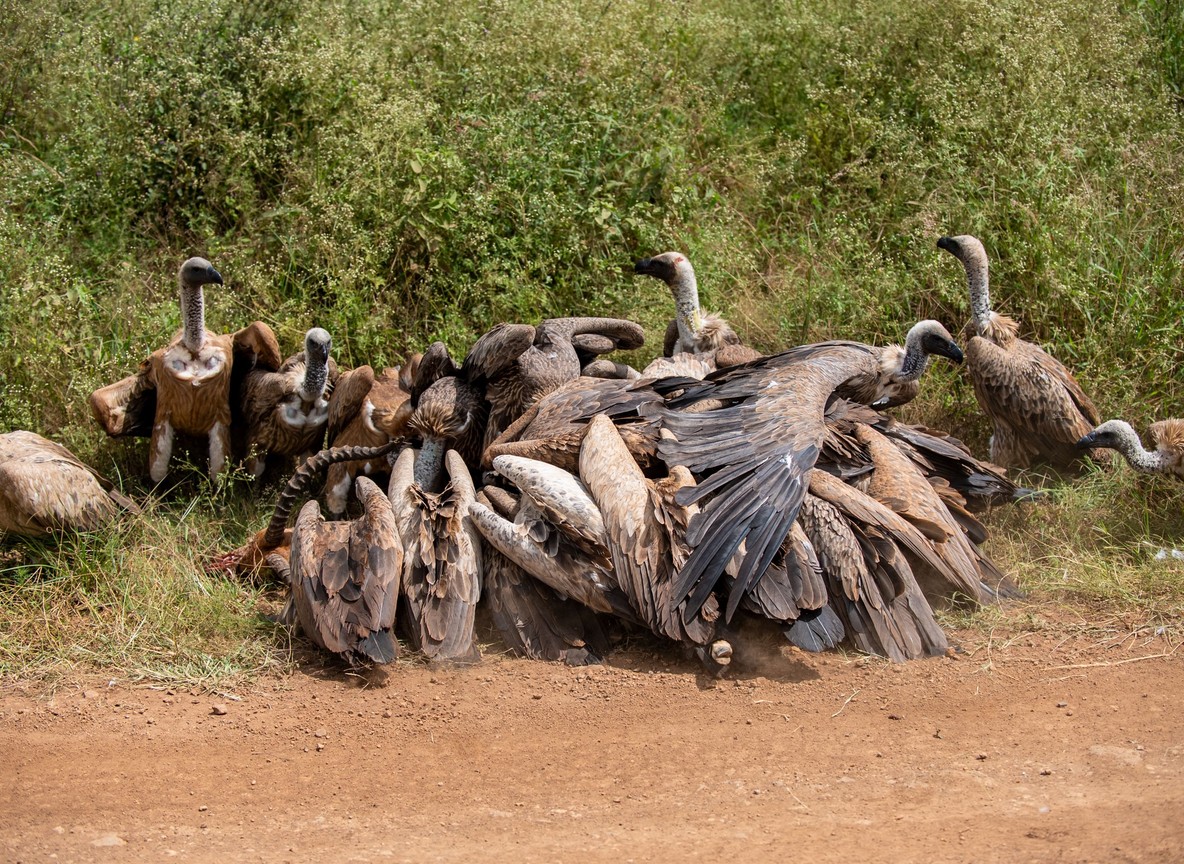
The Wilderness tier covers Kenya’s big, remote, lower-traffic parks: Tsavo East, Tsavo West, and Meru among them. You trade the dense sightings of a Premium park for space, solitude, and a raw bush feeling. Tsavo’s red elephants, the Galana River, and the Mzima Springs hippos reward travelers who like room to roam. The lower gate cost makes a longer Tsavo leg easier on the budget too.
Kenya Park Entry Fees for Non-Residents: What to Budget
For most international guests, the kenya park entry fees non resident figures are the numbers that shape the trip. Park fees stack daily, so a multi-park route adds up fast. Here is a realistic gate-fee estimate for a popular 8-day circuit, per adult.
| Leg | Park | Nights | Gate Fee Total (USD) |
|---|---|---|---|
| 1 | Amboseli (Premium) | 2 | $180 |
| 2 | Tsavo West (Wilderness) | 1 | $80 |
| 3 | Lake Nakuru (Premium) | 1 | $90 |
| 4 | Masai Mara (Jan-Jun rate) | 3 | $300 |
That circuit runs about USD 650 per adult in gate fees alone for the January to June window. Shift those Mara nights into July or later and the same leg jumps to USD 600, pushing the circuit past USD 900. Timing is the lever that moves your budget the most, which is exactly the kind of planning Trunktrails Safaris builds into every itinerary so there are no surprises at the gate.
The Court Challenge: Are the New Fees Final?
Honesty matters here. The new tariff drew legal pushback, and the High Court issued an order pausing parts of the rollout while it reviews the case. As of mid-2026, the matter is still before the court.
In practice, KWS advised visitors to keep paying the published 2025 rates through the official eCitizen and KWSPay platforms, and those systems still charge the new figures. So while the legal question is open, the rates above are what you pay today. We track this closely. If the ruling changes anything, Trunktrails Safaris updates every active booking and tells affected guests directly, so you always plan on current numbers.
The Trunktrails Advantage
Park fees are the part of a safari budget that trips up first-time visitors, and they are exactly where local knowledge pays off. Trunktrails Safaris is a native Kenyan-owned operator, and we work these gates daily.
Here is what that means for you. We know which parks share a 24-hour clock and how to sequence them so you never pay for an extra gate cycle you did not need. We know that the Mara is county-run while Amboseli and Tsavo are KWS, so we keep those line items separate and transparent in your quote. We know the conservancy options that sit beside the big-name parks, often delivering better wildlife density and fewer vehicles for a comparable or lower combined fee.
We also handle the eCitizen and KWSPay logistics for you, including the document checks that secure resident and East African rates when a guest qualifies. Our tours and safaris fold every gate fee into one clear figure, so the number you approve is the number you pay. That is the difference between a budget that holds and one that quietly balloons by USD 200 a day. 🐘
Frequently Asked Questions: Kenya National Park Fees 2026
When did the new KWS park fees take effect? The new tariff took effect on 1 October 2025 under the Wildlife Conservation and Management (Access and Conservation) (Fees) Regulations, 2025. It replaced rates that had stayed flat for nearly twenty years.
What is the four-tier tariff? KWS now charges four visitor categories at different rates: East African Citizens and Kenya Residents pay in shillings, while African Citizens (non-EAC) and Non-Residents pay in US dollars. Non-residents pay the highest tier.
How much is the Masai Mara entry fee in 2026? The Masai Mara is run by Narok County, not KWS. Non-resident adults pay USD 100 per day from January to June 2026 and USD 200 per day from July 2026 onward, when the migration peaks.
Are park fees charged per day? Yes. KWS gate fees apply per adult per 24 hours, and each park you enter charges separately. A multi-park circuit adds a fresh fee at every gate, so route sequencing matters.
Are the new fees final given the court case? The tariff is under High Court review, but KWS advised visitors to keep paying the published rates through eCitizen and KWSPay, which still charge the 2025 figures. Trunktrails Safaris monitors the case and updates bookings if anything changes.
Plan Your 2026 Safari Around the Right Numbers
The new tariff is not a reason to delay your trip. It is a reason to plan it properly. The travelers who get caught out are the ones who guessed at the gate. The ones who travel smart know their tier, sequence their parks, and time the Mara to the season that fits their budget.
Trunktrails Safaris builds tours and safaris that do that math for you. Tell us your dates, your must-see parks, and your budget, and we will build a day-by-day itinerary with every gate fee, conservancy charge, and transfer folded into one honest figure you can book with confidence.
Reach the team:
Further reading
- WhatsApp: +254 113 208888
- Email: info@trunktrailssafaris.com
- Website: https://trunktrailssafaris.com
Send your travel dates today and we will price your full circuit against the live 2026 tariff, hold your camps, and lock your gate costs before the next peak window pushes Mara rates higher. 🦒