Lake Nakuru National Park Safari: Flamingos, Rhinos and Wildlife in Kenya’s Rift Valley
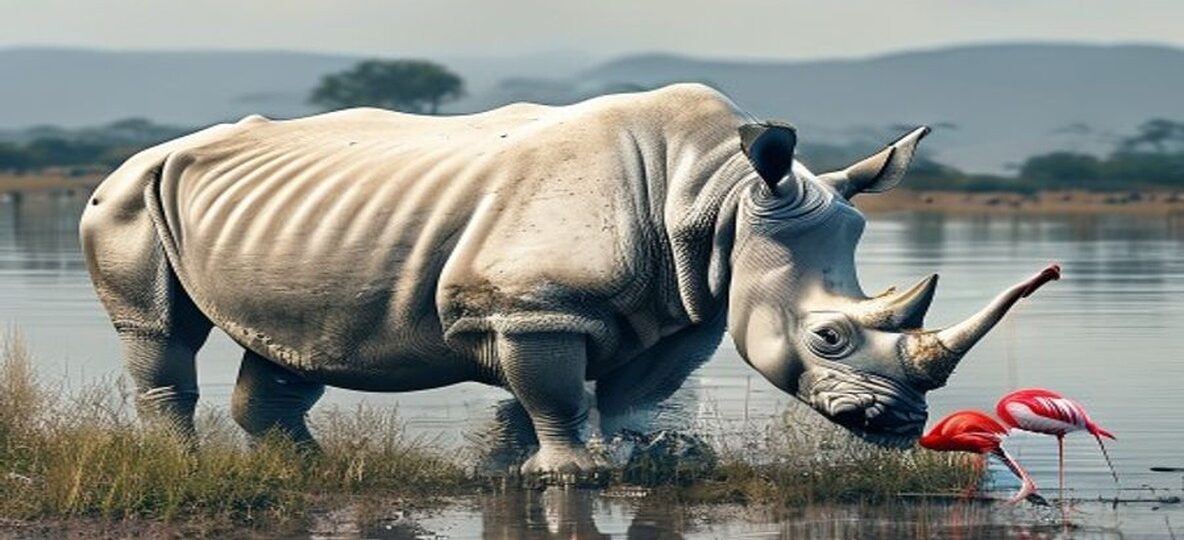
Most people arrive at Lake Nakuru expecting flamingos. What they get is one of Kenya’s most concentrated wildlife experiences inside a single fenced sanctuary: black and white rhinos grazing on open grassland, lions resting in acacia groves, Rothschild’s giraffes at the lakeshore, and yes, tens of thousands of flamingos turning the water’s edge the colour of a sunset. 🌅
At Trunktrails Safaris, we include Lake Nakuru in most of our multi-park Kenya itineraries for exactly this reason: nothing in East Africa delivers so much wildlife diversity in such a compact space. Whether you are planning a standalone lake nakuru national park safari or adding it to a Masai Mara circuit, this guide gives you the honest, on-the-ground picture.
What Makes Lake Nakuru National Park Different From Other Kenya Parks
Lake Nakuru sits inside the Great Rift Valley, about 160 kilometres north of Nairobi. At roughly 188 square kilometres, the national park is small by Kenyan standards. That compactness is the point.
The park is fully fenced, which means black rhinos and white rhinos live here under protection in some of Kenya’s highest densities. You will see them on open ground, not in dense bush. The lake itself is a soda lake, alkaline enough to sustain the algae and crustaceans that draw flamingos in spectacular numbers. The surrounding habitat shifts quickly from open grassland to fever tree forest to rocky escarpment, each zone holding different species.
Key wildlife at Lake Nakuru:
- Black and white rhinoceros (one of Kenya’s most reliable rhino viewing sites)
- African lion
- Leopard (often spotted in the fever tree forest near the lake)
- Buffalo
- Rothschild’s giraffe (a critically endangered subspecies reintroduced here)
- Waterbuck, impala, Bohor reedbuck
- Lesser and greater flamingo
- Over 450 recorded bird species
For wildlife enthusiasts, the lake nakuru flamingo spectacle is iconic but the rhino sightings are what make the park genuinely special. Very few places in Kenya let you approach white rhinos at this distance in open habitat.
Lake Nakuru Flamingo Season: When to Go for the Best Sightings
The flamingo question is the one every visitor asks first, and the honest answer is that flamingo numbers fluctuate significantly. They move between Lake Nakuru, Lake Bogoria, Lake Elementaita and Lake Magadi depending on water levels and algae productivity. In years when water levels rise sharply, the flamingos shift temporarily to other lakes.
That said, the lake nakuru flamingo season is most reliable during the drier months when algae concentrations are highest.
| Month | Flamingo Viewing | Wildlife Activity | Visitor Volume |
|---|---|---|---|
| Jan-Feb | Excellent (dry, high algae) | High | Moderate |
| Mar-May | Variable (long rains lower algae) | Good | Low |
| Jun-Aug | Good to excellent | Peak – dry season | High |
| Sep-Oct | Good | High | High |
| Nov-Dec | Variable (short rains) | Good | Moderate |
Our Trunktrails Safaris guides track flamingo movements across the Rift Valley lakes in real time. If numbers are low at Nakuru during your dates, we can redirect a morning to Lake Bogoria, which often holds even larger concentrations.
Practical advice: Do not plan a Lake Nakuru trip solely around flamingos. The mammal viewing, birding, and rhino tracking are worth the visit regardless of flamingo numbers.
Lake Nakuru Safari Tours: What to Expect on a Game Drive
Most lake nakuru safari tours run as full-day or half-day game drives from Nakuru town or from a lodge inside the park. The main circuit follows the lakeshore and climbs through the escarpment for elevated views across the Rift Valley.
Standard game drive circuit (half day, 4-5 hours):
- Lanet Gate entrance, heading south along the lakeshore
- Baboon Cliff viewpoint (panoramic rift valley views, lion territory above)
- Southern lakeshore loop (best flamingo access, hippo pools)
- Fever tree forest (leopard and waterbuck habitat)
- Northern sector exit via Nderit Gate or return via Lanet
A full-day drive adds the western escarpment circuit where rhino sightings are highest and where Rothschild’s giraffes are frequently spotted at the forest edge.
What a Lake Nakuru game drive delivers that other parks do not:
- Rhino on open ground, frequently within 30-40 metres of the vehicle
- Lakeshore birding with 400+ species including African fish eagle, hammerkop, grey-crowned crane
- Elevated escarpment views with the full lake visible below
- A compact circuit that suits travellers who prefer shorter drives 📸
This is why we recommend Lake Nakuru specifically for travellers who want high-quality wildlife viewing without the longer 4-5 hour drives required at Tsavo or Laikipia.
Combining Masai Mara and Lake Nakuru Safari: The Ideal Circuit
The most popular Trunktrails Safaris itinerary through central Kenya combines the Masai Mara with Lake Nakuru and Lake Naivasha in a four to seven day loop from Nairobi. A masai mara and lake nakuru safari makes logical geographic sense: both parks sit on the same highway north from Nairobi, and the contrast between open savannah (Mara) and Rift Valley lake ecosystem (Nakuru) keeps every day fresh.
Sample 5-day circuit:
- Day 1: Nairobi to Masai Mara (drive or fly), afternoon game drive
- Day 2: Full day Masai Mara game drives
- Day 3: Masai Mara to Lake Nakuru via Naivasha (scenic drive through Rift Valley escarpment)
- Day 4: Full day Lake Nakuru game drives, afternoon Baboon Cliff sundowner
- Day 5: Return to Nairobi via Lake Naivasha boat safari (optional)
Adding Lake Naivasha between the two parks is worth the extra half day. The contrast between Nakuru’s soda lake and Naivasha’s freshwater habitat is striking, and a morning boat safari to Crescent Island adds hippo and giraffe sightings at water level.
We customise every itinerary to your pace. Some clients prefer two nights at Nakuru to fit in early-morning and late-afternoon drives when light and wildlife activity peak.
Where to Stay: Lake Nakuru Lodge Options by Budget
Accommodation ranges from budget tented camps outside the park to mid-range lodges inside the park boundary.
| Type | Price Range | Location | Best For |
|---|---|---|---|
| Budget guesthouses | $50-$80 per person | Nakuru town | Backpackers and budget groups |
| Mid-range tented camp | $120-$200 per person | Park boundary | Comfort seekers, couples |
| Mid-range lodge | $150-$250 per person | Inside park | Wildlife immersion, convenience |
| Premium lodge | $280-$450 per person | Inside park, lake view | Luxury travellers, honeymooners |
Staying inside the park means you can do morning and evening drives at the best wildlife hours. The early morning light over the lake, with flamingos moving along the shore and rhinos feeding on the open plain, is genuinely hard to replicate from a town hotel.
Trunktrails Safaris has negotiated rates with properties at every tier and will match you to the right option for your budget and travel style.
Lake Nakuru Rhino Conservation: Why This Park Matters
Lake Nakuru National Park holds one of Kenya’s most important populations of black and white rhinos. Kenya Wildlife Service (KWS) has invested heavily in anti-poaching capacity here, and the park’s fenced perimeter makes protection more manageable than in open ecosystems.
White rhinos at Nakuru are largely descended from animals translocated from South Africa and Solio Ranch. The black rhino population is part of Kenya’s broader black rhino recovery programme, which has grown the national count from 300 animals in the 1980s to over 900 today.
At Trunktrails Safaris, we include the conservation story in every Nakuru briefing. When you book tours and safaris with us, 5% of your booking goes directly to wildlife conservation projects, including rhino protection initiatives in the Rift Valley circuit.
The Rothschild’s giraffe reintroduction is equally significant. Fewer than 3,000 Rothschild’s giraffes survive globally. Lake Nakuru holds a stable breeding population, and sightings here are among the most reliable in Kenya.
The Trunktrails Advantage for Lake Nakuru Safaris
Trunktrails Safaris is a native Kenyan-owned operator based in Nairobi. We have been running tours and safaris through the Rift Valley circuit for years, and Lake Nakuru is one of our home parks.
What that means for your safari:
Local knowledge that changes what you see. Our guides know which waterholes the rhinos use at dawn, where the leopards shelter in the fever tree forest at midday, and when the flamingo numbers are building before the main season peak. We do not read this from a guidebook. We track it from our guides in the field.
No middlemen. When you book with us, you deal directly with the team running your safari. No third-party booking platforms taking a cut and passing you to a different operator on arrival.
Tailor-made itineraries. Whether you want a standalone 2-day lake nakuru safari tours package or a 10-day Kenya circuit, we build it around your dates, budget, and priorities. We do not force a cookie-cutter package on any client.
Conservation-first approach. 5% of every booking funds wildlife protection. At Lake Nakuru, that contribution directly supports the rhino and giraffe conservation work happening inside the park.
All-inclusive pricing. Park fees, game drives, accommodation, meals, and transfers – we include everything upfront. No hidden charges.
Getting to Lake Nakuru: Practical Travel Information
By road from Nairobi: 2.5 to 3 hours on the A104 highway via Naivasha. The road is in good condition and scenic through the Rift Valley escarpment. This is the standard approach for most safari itineraries.
By air: Charter flights from Wilson Airport (Nairobi) to Nakuru airstrip are available and reduce travel time to under an hour. We arrange charter connections on request.
Park fees (2026): Non-resident adults pay $60 per person per day, payable via the KWS Fimbo digital system. Children under 3 enter free; ages 3-18 pay $30. We handle all park fee logistics when you book with Trunktrails Safaris.
Nearest town: Nakuru town is 6 kilometres from the park gate and has ATMs, pharmacies, and a KWS booking office.
2-Day Lake Nakuru Safari Sample Itinerary
A two-night stay at Lake Nakuru gives you three game drives and full coverage of the park circuit.
Day 1:
- Depart Nairobi 07:00, arrive Lanet Gate by 10:30
- Morning game drive (lakeshore and southern circuit), lunch at lodge
- Afternoon game drive (escarpment circuit, rhino tracking), sundowner at Baboon Cliff
- Dinner and overnight inside the park
Day 2:
- 06:00 early morning drive (best light for flamingos and predator activity)
- Breakfast back at lodge, check out by 09:00
- Late morning drive (Nderit sector, giraffe corridor)
- Depart park, return to Nairobi by 15:00
Total game drive hours: approximately 10-12. Typical sightings on a 2-day visit: rhino (both species), giraffe, buffalo, lion, flamingo, eagle, and if the luck is right, leopard in the fever tree forest.
🦒 This is consistently one of the most wildlife-dense two-day safari options available within three hours of Nairobi.
Further reading
More safari planning resources
- Rift Valley lakes map from Valley Safaris
- Big Five safari parks guide on Touring Insights
- Big Five safari collection on FindMySafari
- Nairobi to Maasai Mara route guide from Valley Safaris
Ready to Plan Your Lake Nakuru National Park Safari?
Lake Nakuru rewards travellers who make time for it. The rhinos are here. The birds are extraordinary. And if the flamingos are in residence, the view from Baboon Cliff at sunset is the kind of image that stays with you for years.
Trunktrails Safaris designs every lake nakuru national park safari around your travel dates and what matters most to you. Two days or two weeks, budget tented camp or luxury lakeview lodge, standalone Rift Valley visit or part of a wider Kenya circuit.
Call or WhatsApp Micah directly to start building your itinerary:
📞 WhatsApp: +254 113 208888 📧 Email: info@trunktrailssafaris.com 🌐 Website: https://trunktrailssafaris.com