Ol Pejeta vs Lewa Conservancy: Which Rhino Safari Should You Book?
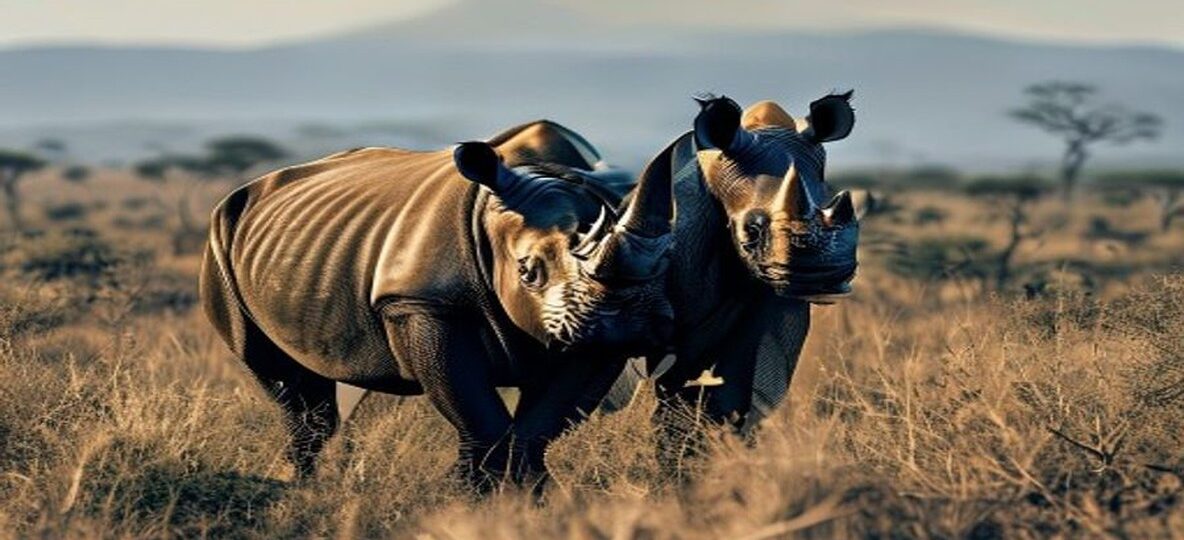
There are fewer than 6,500 black rhino left on earth. Kenya holds roughly 1,000 of them, and a significant portion of that population exists because of two conservancies in the country’s central highlands: Ol Pejeta and Lewa. 🌍
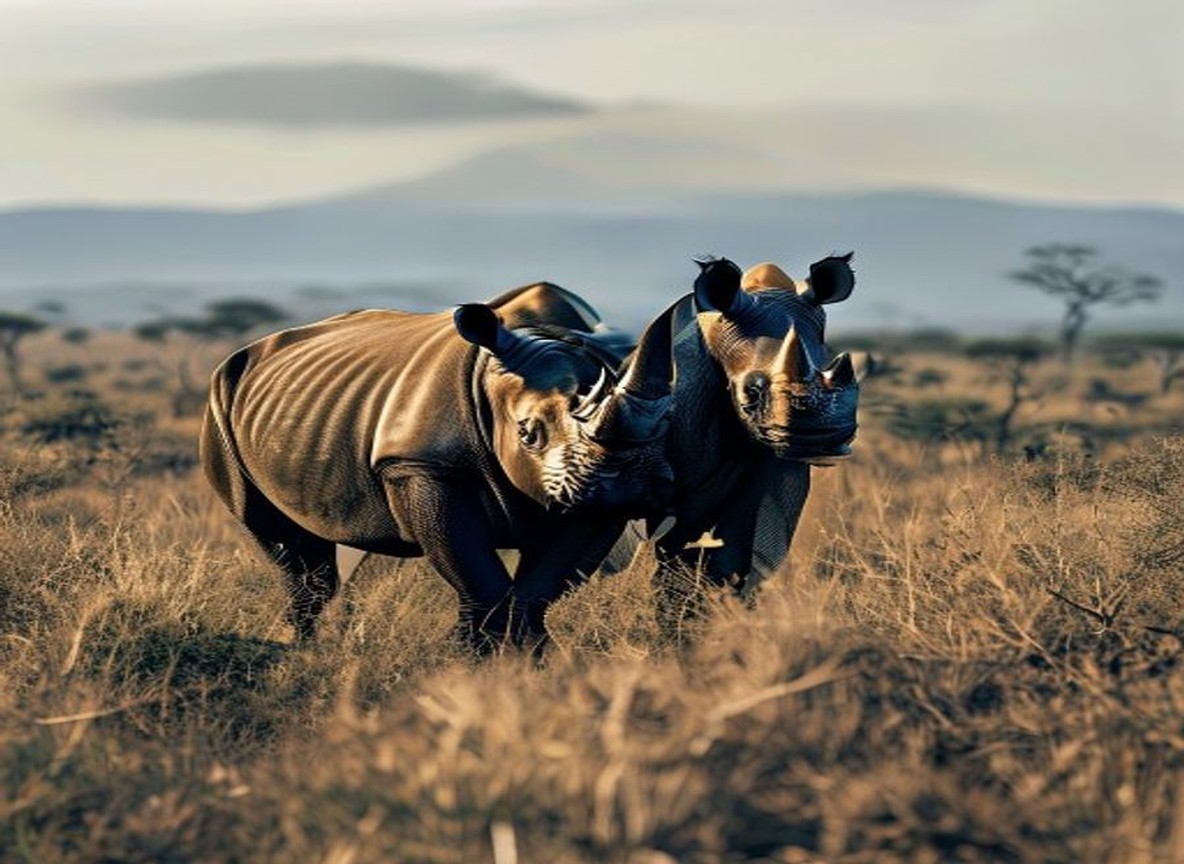
Both have achieved remarkable results. Both are privately managed and conservation-funded. Both offer exceptional wildlife experiences. But they are structurally and experientially different, and comparing them helps you make a clear, confident booking decision rather than simply picking the one you have heard of before.
Trunktrails Safaris designs tours and safaris to both conservancies. This guide gives you an honest comparison from the ground up: rhino populations, wildlife quality, camps, access, and what each one actually feels like.
The Conservation Context: Why These Two Conservancies Matter
Kenya’s private conservancy model is one of the most successful conservation approaches in Africa. By privatising land adjacent to national parks and funding protection through tourism, both Ol Pejeta and Lewa have created secure breeding populations of critically endangered species that would otherwise face poaching pressure they cannot survive.
Ol Pejeta Conservancy holds the largest population of black rhino in East Africa: approximately 170 animals across 90,000 acres of central Kenyan grassland and acacia bush. It also hosts Sudan and Najin — two of the last three northern white rhinos on earth (now post-death of Sudan; Najin and Fatu remain under 24-hour armed guard).
Lewa Wildlife Conservancy covers 62,000 acres of varied terrain in northern Kenya and hosts approximately 70 black rhino plus significant white rhino numbers. Lewa is also a critical corridor for elephant movement between Mount Kenya and the greater Laikipia ecosystem.
Both contribute to Kenya’s national rhino count. Both are transparent about their conservation methods and financials. Both accept visitor contributions through accommodation fees.
Wildlife Comparison: Beyond the Rhino
Rhino are the headliner at both conservancies, but the supporting cast differs significantly.
Ol Pejeta Wildlife
- Rhino: ~170 black rhino + 2 northern white rhino (Najin and Fatu)
- Chimpanzees: Ol Pejeta runs the only chimpanzee sanctuary in Kenya, home to rescued chimps from West and Central Africa. Guided chimp visits are one of the most unusual and moving wildlife experiences available in Kenya.
- Big Five: Complete. Lion, leopard, elephant, buffalo, and rhino all present. Cheetah are reliably sighted.
- Grevy’s zebra and Jackson’s hartebeest: Both present in good numbers.
- Birdlife: 470 recorded species.
Lewa Wildlife
- Rhino: ~70 black rhino + white rhino in good numbers
- Grevy’s zebra: One of Kenya’s most important Grevy’s zebra populations, with approximately 400 individuals. This is the dominant Grevy’s population in the country.
- Northern giraffe: Reticulated giraffe in large numbers across the conservancy.
- Big Five: Complete but lion and leopard require more searching than in Ol Pejeta.
- Birdlife: 430+ species, including northern specials not found further south.
Side-by-side wildlife table:
| Species | Ol Pejeta | Lewa |
|---|---|---|
| Black rhino | ~170 (most in E Africa) | ~70 |
| White rhino | 2 (northern white, unique) | Good numbers |
| Chimpanzees | Yes (sanctuary) | No |
| Grevy’s zebra | Present | Dominant population (~400) |
| Cheetah | Very good sightings | Present |
| Reticulated giraffe | Limited | Excellent |
| Lion | Good | Present (more searching required) |
| Elephant | Excellent | Excellent (corridor population) |
Ol Pejeta vs Lewa: The Numbers
Both are flagship Laikipia conservancies built around rhino conservation, but they pitch at different travellers: Ol Pejeta is flexible and family-friendly, Lewa is exclusive and high-end.
| Factor | Ol Pejeta | Lewa |
|---|---|---|
| Size | ~90,000 acres (~364 km2) | ~62,000 acres (~250 km2) |
| Fee | ~$110/day + activity fees | Higher-end, exclusive |
| Signature | Last 2 northern white rhinos, chimp sanctuary | Largest Grevy’s zebra population, UNESCO site |
| Style | Flexible, family-friendly | Exclusive, luxury |
| Best for | Value, rhino and chimps | High-end, conservation legacy |
Ol Pejeta is the accessible choice with the famous northern white rhinos Najin and Fatu; Lewa is the splurge, a UNESCO-listed conservation success with a low-volume, luxury feel.
Landscape and Terrain
The two conservancies feel physically different on the ground.
Ol Pejeta is open, relatively flat acacia grassland at 1,800 metres altitude. It resembles a more intimate version of the Laikipia plateau. The openness makes wildlife very visible from the vehicle: finding rhino is less a matter of searching dense bush and more a matter of scanning open plains.
Lewa sits between Mount Kenya and the Laikipia Plateau at higher, more varied altitude. The terrain includes rolling hills, lugga (seasonal streambeds) with dense vegetation, and open valley floors. The landscape is more dramatic and more complex than Ol Pejeta. Wildlife sightings can require more patience in the denser sections.
For photographers: Ol Pejeta’s open terrain is generally easier for vehicle positioning. Lewa’s varied terrain offers more dramatic landscape backdrops.
Rhino Tracking: How It Works at Each Conservancy
Both conservancies offer guided rhino tracking on foot with armed rangers. This is a genuinely different experience from vehicle-based rhino sightings: you are on the ground, approaching slowly, reading wind direction, understanding tracks.
At Ol Pejeta: Rhino tracking uses a monitoring team that knows individual rhino locations (many are chipped). The guided walks move to a known individual or family group and approach on foot from downwind. The black rhino density here means tracking success is high.
At Lewa: Tracking covers more varied terrain and can involve longer walks. The experience feels more wilderness-oriented. The conservancy’s anti-poaching monitoring system uses GPS and radio telemetry but the terrain adds genuine unpredictability.
Northern white rhino at Ol Pejeta: Visiting Najin and Fatu (the last two individuals of the northern white rhino subspecies) is available through the conservancy’s guided program. This is a deeply sobering experience. You are looking at functional extinction on two feet. Most serious wildlife travellers rate it among the most affecting experiences of their safari life.
Camps: Accommodation at Each Conservancy
Ol Pejeta Camps
Sweetwaters Serena Camp (Mid-Range) The largest and most accessible property in Ol Pejeta. Hotel-style facilities, swimming pool, strong wildlife proximity, and excellent service. The camp sits next to a permanent waterhole that attracts wildlife continuously. Good for families and travellers who want reliable comfort.
Price: From $280 per person per night, full board.
Ol Pejeta Bush Camp (Mid-Range, Smaller) A tented camp with 8 tents offering a more intimate experience than Sweetwaters. Quieter, more “bush camp” in atmosphere, with strong wildlife access.
Price: From $320 per person per night, all-inclusive.
Lewa Camps
Lewa Wilderness Lodge (Luxury) The oldest and most established property in Lewa. The lodge is family-owned and family-run, and it shows in every interaction. The guiding team here is exceptional: naturalists with deep knowledge of the conservancy’s individual animal histories.
Price: From $700 per person per night, all-inclusive.
Sirikoi Lodge (Ultra-Luxury) Four tented suites and one cottage. The most intimate and exclusive accommodation option in either conservancy. Sirikoi’s remoteness within Lewa means wildlife density at camp is exceptional.
Price: From $900 per person per night, all-inclusive.
Lewa Safari Camp (Mid-Range) Smaller and more accessible price point. Good guiding, full conservancy access, and the complete Lewa experience at a lower entry cost.
Price: From $450 per person per night, all-inclusive.
Cost Comparison
| Accommodation | Ol Pejeta | Lewa |
|---|---|---|
| Budget/mid-range (pp/night) | From $280 | From $450 |
| Mid-high (pp/night) | $320-$450 | $450-$700 |
| Luxury (pp/night) | $450+ | $700-$900+ |
| Conservation levy | Included | Included |
| Rhino tracking | $35-$60 extra | $50-$80 extra |
| Chimp visit (Ol Pejeta only) | $60-$80 extra | N/A |
Budget verdict: Ol Pejeta is significantly more accessible at the entry and mid-range levels. Luxury verdict: Lewa offers a more exclusive, less crowded experience at the premium end.
Getting There
Ol Pejeta: Located near Nanyuki in central Kenya, 3.5 hours by road from Nairobi or a 30-minute flight from Wilson Airport to Nanyuki airstrip. The conservancy boundary is a short transfer from town.
Lewa: Located further north, in the Laikipia Plateau below the Mathews Range. 4.5 hours by road from Nairobi or a 45-minute flight from Wilson Airport to the conservancy’s private airstrip.
Both are accessible as day trips from Nanyuki but are best experienced over 2-3 nights.
Which Should You Book?
Use this decision guide:
| Priority | Choose |
|---|---|
| Highest black rhino density in East Africa | Ol Pejeta |
| Northern white rhino (unique, irreplaceable) | Ol Pejeta |
| Chimpanzee sanctuary experience | Ol Pejeta |
| More exclusive, less visited experience | Lewa |
| Grevy’s zebra in large numbers | Lewa |
| Dramatic landscape and varied terrain | Lewa |
| Lower accommodation price point | Ol Pejeta |
| Luxury with maximum wildlife at camp | Lewa (Sirikoi) |
Best of both: If you have 5-7 days in central Kenya, a 2-night Ol Pejeta plus 2-night Lewa combination gives you the complete northern Kenya rhino conservation experience. Trunktrails Safaris runs this combination regularly and can coordinate transfers between the two without returning to Nairobi.
The Trunktrails Advantage
Conservation tours and safaris require specific knowledge that generic booking platforms cannot provide. Knowing which camps have the strongest rhino tracking guides, which properties are genuinely contributing to conservation versus using it as a marketing label, and how to structure a visit to both conservancies without wasting travel days — this is the kind of ground knowledge that comes from doing it many times.
Trunktrails Safaris is a native Kenyan-owned operator. We have run tours and safaris to both Ol Pejeta and Lewa. Our guides in this region understand the conservation history of both properties and can give you the context that makes a rhino tracking walk more than just finding an animal.
5% of every booking with Trunktrails Safaris goes directly to wildlife conservation, contributing to the same ecosystems you visit.
No subcontractors. No commissions. Direct operator relationships with every camp in this guide.
Book Your Rhino Safari with Trunktrails Safaris
Both conservancies fill fast in peak season (July-October) and during school holidays. For a planned 2026 visit, booking now gives you the best camp selection across both properties.
Tell us whether you want Ol Pejeta, Lewa, or both. We will match you to the right camp and build the itinerary around your travel dates.
Further reading
More safari planning resources
- Ol Pejeta and Sweetwaters safari package from Valley Safaris
- Big Five safari parks guide on Touring Insights
- Big Five safari collection on FindMySafari
- Luxury safari collection on FindMySafari
WhatsApp: +254 113 208888 Email: info@trunktrailssafaris.com Website: https://trunktrailssafaris.com
🐘