
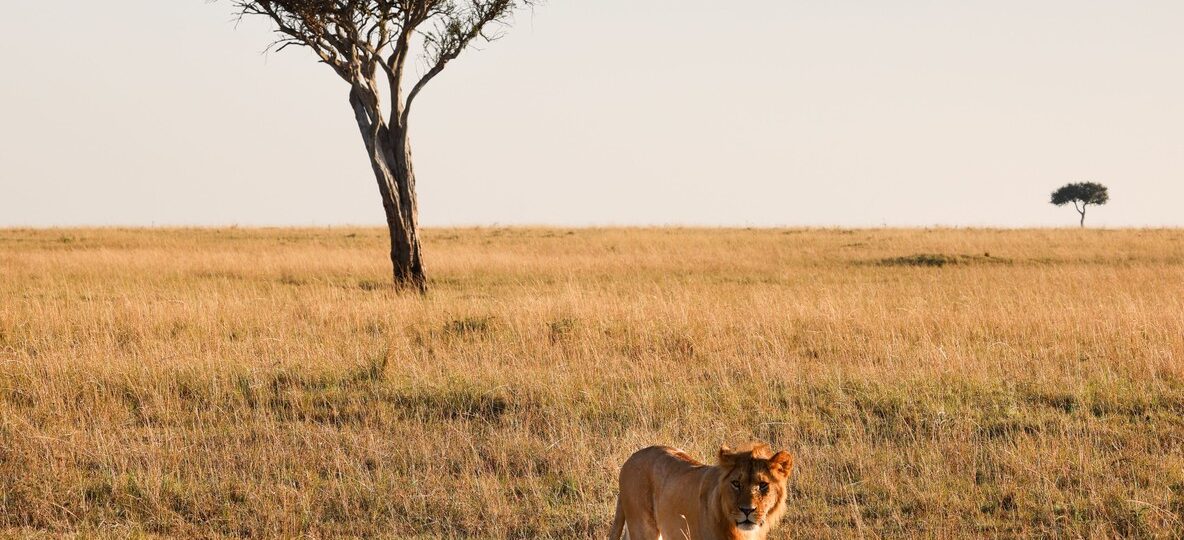
Tsavo East National Park: Kenya’s Largest Safari in Red-Earth Country
There is a moment, usually about an hour into a game drive through Tsavo East National Park, when you realise this place operates on a different scale. The savanna stretches to every horizon. A herd of 200 elephants materialises from the red dust like a moving landscape. And somewhere behind you, a carmine bee-eater catches the afternoon light like a flame. 🌍
Tsavo East National Park is Kenya’s largest park, covering 13,747 square kilometres of open semi-arid wilderness in the southeast of the country. It is less visited than the Masai Mara, which means you get more of it to yourself. For travellers who want space, wildlife in extraordinary numbers, and a safari that feels genuinely unhurried, Tsavo East delivers on every count.
Why Tsavo East Is Kenya’s Most Underrated Big Safari
Most Kenya safari itineraries default to the Masai Mara. Tsavo East national park deserves equal billing. It is one of the largest national parks in the world, larger than the entire country of Wales, and it receives a fraction of the visitor numbers.
What that means practically: no convoy of minivans around a lion sighting. No jockeying for position at a river crossing. You and your guide, often the only vehicle in sight, reading the bush at your own pace.
The landscape is striking in a way that takes time to appreciate. Flat, semi-arid plains of red laterite soil. Commiphora and baobab dotting the horizon. The Yatta Plateau running 290 kilometres along the park’s western edge, the world’s longest lava flow, a geological oddity you will not see anywhere else in Africa.
Tsavo East kenya is a destination for travellers who have done the headline parks and want something deeper. Or for first-timers who want a safari that breathes.
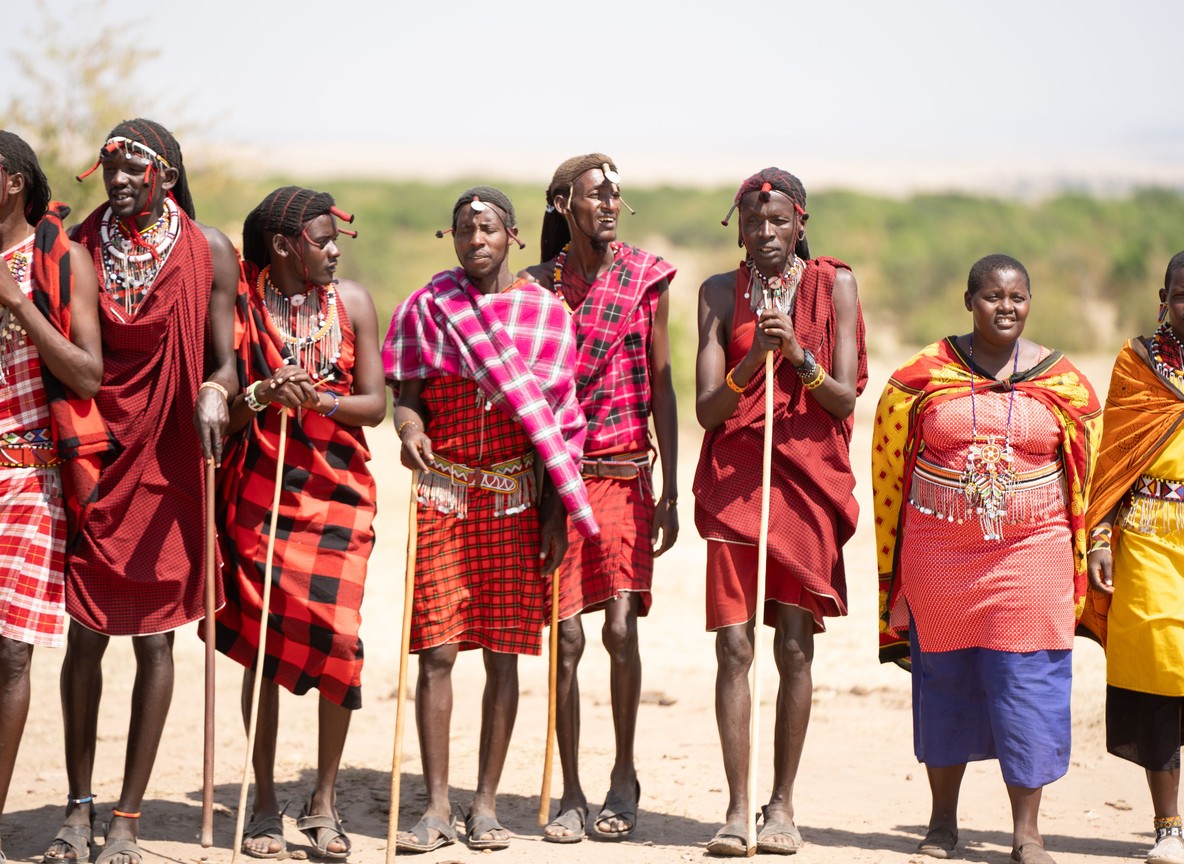
The Red Elephants: Tsavo’s Signature Wildlife Spectacle 🐘
Tsavo East elephants are unlike any you will see elsewhere. They roll in the park’s iron-rich red soil until they are uniformly terracotta, a natural sunscreen and insect repellent that has become their signature look. Against the park’s already-red earth, they are almost camouflaged, and then suddenly visible all at once as a herd of two hundred shifts direction.
These are among the largest elephant herds in East Africa. Tsavo East alone is home to around 12,000 to 15,000 elephants. At Aruba Dam, a massive man-made water point near the Voi Gate, you can watch dozens arrive at once in the dry season, a gathering that builds slowly through the afternoon and becomes extraordinary by dusk.
Key elephant viewing spots:
- Aruba Dam: reliable year-round, exceptional in the dry season
- Kanderi Swamp near the main entrance: early morning gatherings
- The Galana River corridor: elephant movement between water and grazing ground
Tsavo’s elephant population was devastated by ivory poaching in the 1970s and 80s. The recovery since has been one of conservation’s quiet success stories. Trunktrails Safaris donates 5% of every booking to wildlife conservation, and Tsavo is one of the landscapes those funds help protect.
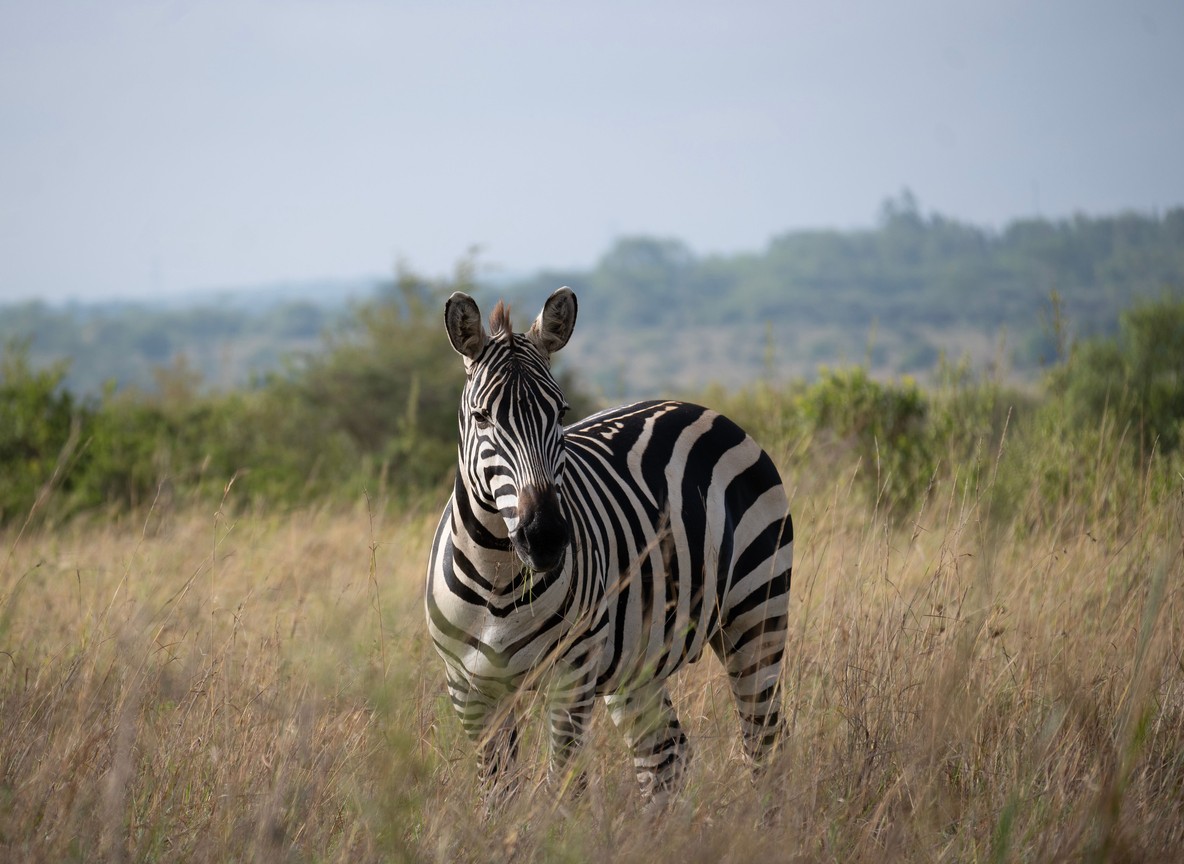
Lugard Falls and the Galana River: Tsavo’s Hidden Natural Wonder
Lugard Falls is not a waterfall in the conventional sense. The Galana River, which runs through the park and eventually reaches the Indian Ocean, is compressed through a narrow rocky gorge here, forcing enormous volumes of water through channels sometimes barely a metre wide. The geology is dramatic and worn smooth by millennia of flow.
It is the kind of place that stops a guide mid-sentence. The water, the sound, the sheer physical force of it, concentrated into something you can stand a few metres from. Lugard Falls tsavo east is one of the genuinely great natural landmarks in Kenya, and it is almost entirely overlooked by travellers who never make it this far south.
From the falls, the Galana River corridor is worth following. Crocodiles sun on the banks. Hippos hold the deeper pools. Doum palms line the water’s edge. It is a separate world within the park, dense and riparian where everything else is open and arid.
Poachers’ Lookout, a viewpoint a short drive from the falls, offers a panoramic sweep over the park that puts the scale of Tsavo into perspective. On a clear day, you can see for fifty kilometres.
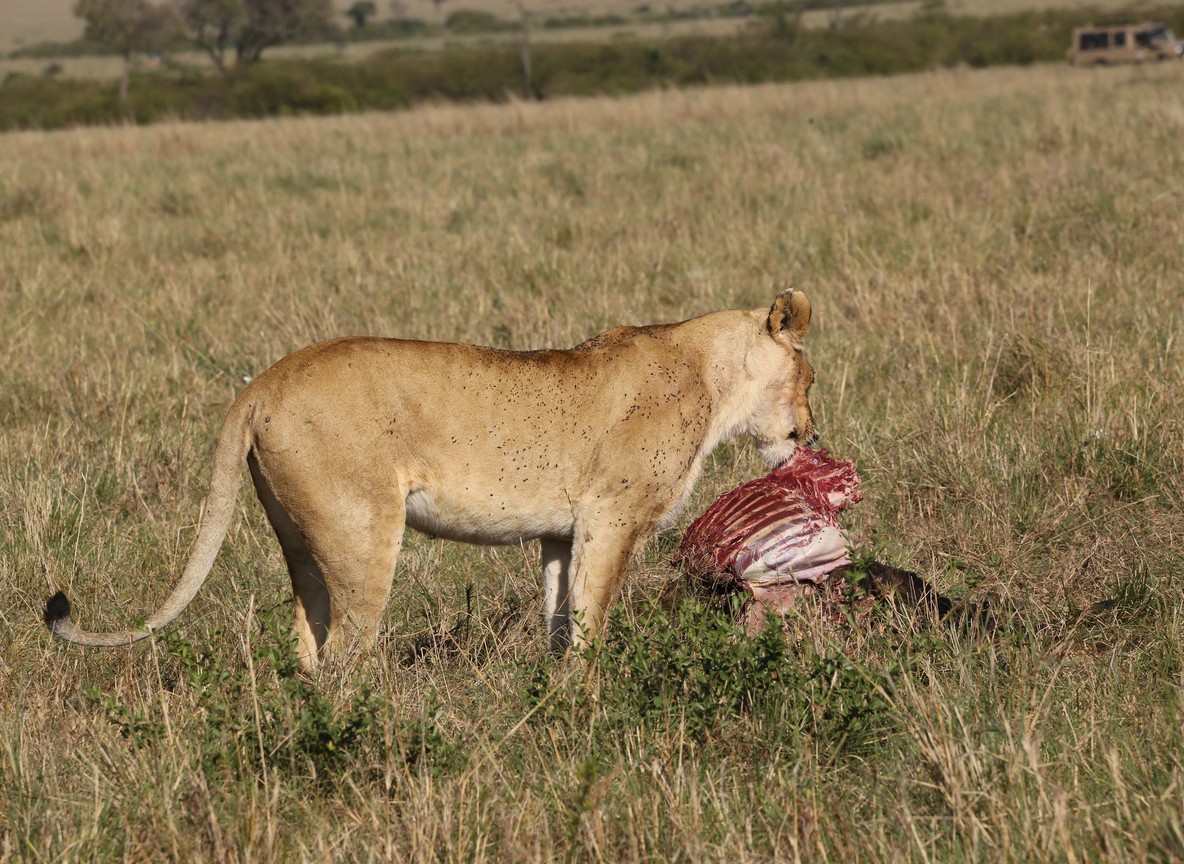
Wildlife Guide: What Roams Tsavo East Beyond Elephants
Tsavo East national park wildlife extends well beyond elephants, though the herds will almost certainly dominate your first game drive.
Big Five status:
- Elephants: abundant, in large herds
- Lions: present, often seen around Aruba Dam and along the Galana
- Leopards: present but elusive, best spotted on night drives where permitted
- Buffalo: large herds in the wetter areas
- Rhino: rare in the main park; Tsavo West and Ol Pejeta are better for rhino sightings
Beyond the Big Five:
- Cheetah: occasionally seen in the open plains
- Gerenuk: the long-necked antelope that feeds standing upright on its hind legs
- Hirola: one of the world’s rarest antelopes, with a small population in Tsavo East
- Over 500 bird species, including the brilliant carmine bee-eater, Von der Decken’s hornbill, and martial eagle
For birders, Tsavo East is seriously underrated. The Galana River draws species that you will not find in the highland parks, and the dry acacia woodland supports a completely different suite of birds than the Masai Mara.
Tsavo East vs Tsavo West: Which Park Should You Choose?
Tsavo East and Tsavo West together form one of the largest protected areas in Africa. They are separated by the Nairobi-Mombasa highway. Both are worth visiting, and they are different enough that the choice matters.
| Feature | Tsavo East | Tsavo West |
|---|---|---|
| Size | 13,747 sq km (larger) | 9,965 sq km |
| Landscape | Open semi-arid plains, red earth | Greener, more varied terrain |
| Elephant viewing | Outstanding (large herds) | Good |
| Rhino sightings | Rare | Better (Ngulia Rhino Sanctuary) |
| Lugard Falls | Yes | No |
| Mzima Springs | No | Yes (crystal-clear hippo pools) |
| Crowd levels | Very low | Low to moderate |
| Drive from Nairobi | 4-5 hours (220km) | 4-5 hours (similar distance) |
| Best for | Open-space wilderness, elephants, scale | Scenery variety, rhino, birding |
The best answer for most travellers: do both. Trunktrails Safaris runs combined Tsavo East and West tours and safaris that take in both parks over three to four days, often as part of a larger itinerary that adds Amboseli. The parks sit on either side of the same highway, making a combined tsavo east safari genuinely straightforward to plan.
Best Time to Visit Tsavo East National Park
Tsavo East is a year-round destination, but timing affects what you see.
Dry season (June to October): The best time to visit Tsavo East national park for wildlife. Vegetation is sparse, animals concentrate at permanent water sources like Aruba Dam and the Galana River, and viewing is at its clearest. This is peak safari season.
Short dry season (January to February): An excellent secondary window. Fewer visitors than June-October, good wildlife concentration, and the post-Christmas crowd has gone.
Long rains (March to May): The park turns green, birding is exceptional, and rates drop significantly. Game viewing is harder but the landscape is beautiful and you will have the park to yourself.
Short rains (November to December): Manageable rainfall, still good wildlife, and some of the lowest rates of the year.
For travellers who value comfort and reliable sightings, June to September offers the best combination of accessibility, weather, and wildlife concentration.
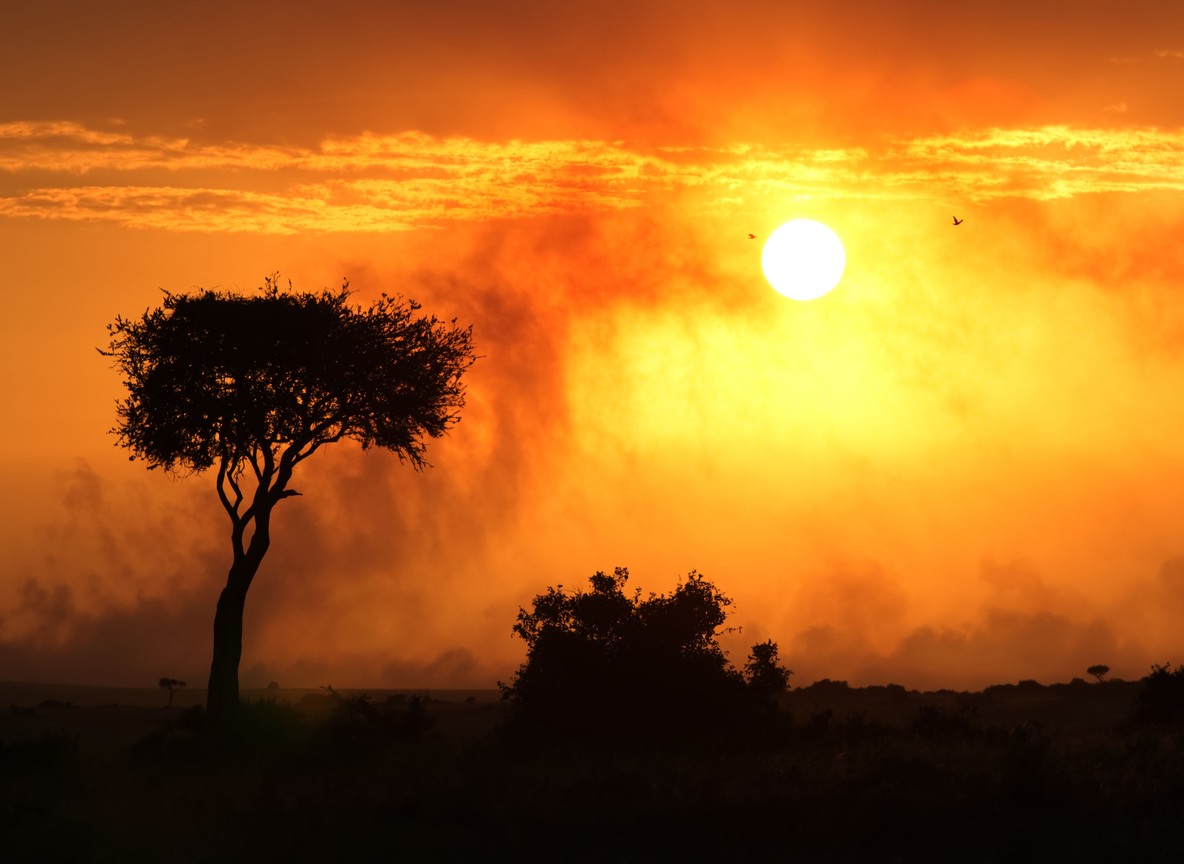
Where to Stay in Tsavo East: Lodges and Camps for Every Budget
Tsavo east lodges range from well-established classics to intimate bush camps on the Galana River. All are within easy reach of the main wildlife circuits.
Comfortable mid-range:
- Voi Safari Lodge: perched on a hill above a floodlit waterhole, reliable sightings from the terrace, and a good base for the central circuit
- Ashnil Aruba Lodge: right on the Aruba Dam, excellent elephant and predator sightings at the water
Luxury and semi-luxury:
- Satao Camp: intimate tented camp named after one of Kenya’s famous tuskers, premium position near the Tsavo River
- Galdessa Camp: on the Galana River, excellent birding and access to Lugard Falls, one of the most atmospheric camps in the park
Mid-budget:
- Sentrim Tsavo East: solid value, well-positioned for the main game circuits
How far is Tsavo East national park from Nairobi? By road it is approximately 220 kilometres, a four to five hour drive along the Nairobi-Mombasa highway. By charter flight, the journey takes one to one and a half hours, with a small airstrip serving the Voi Gate area. Trunktrails Safaris can arrange road or air access depending on your preference and itinerary.
The Trunktrails Advantage
Trunktrails Safaris is a native Kenyan-owned operator. We know Tsavo East the way a neighbour knows their backyard: the best time to be at Aruba Dam, which section of the Galana to follow for leopard, and exactly how to pace a three-day circuit for travellers who want comfort without missing anything.
Here is what sets Trunktrails Safaris apart:
- Tailor-made itineraries for all budgets and travel styles, including combined Tsavo East and West routes and Amboseli connections
- Direct operator access with no agency markup and no middlemen. You plan directly with us.
- 24/7 in-country support throughout your safari, because things happen and local knowledge matters when they do
- Conservation commitment: 5% of every booking goes directly to wildlife conservation in the parks we operate in
- and fully credentialed, so you book with confidence
Our tours and safaris in Tsavo East are built around your pace, not a generic schedule. Whether you want three days in Tsavo alone or a ten-day circuit through Amboseli, Tsavo East, and the coast, Trunktrails Safaris designs it around you. We run tours and safaris at every budget point, from mid-range tented camps to luxury riverside lodges. No two itineraries look alike, because no two travellers do either.
Plan Your Tsavo East Safari Today 🦁
Tsavo East national park is Kenya’s largest, most spacious, and most undervisited major safari destination. Red elephants in their hundreds. The dramatic gorge at Lugard Falls. Open plains where you can drive for an hour without seeing another vehicle.
Trunktrails Safaris is ready to build your itinerary. Reach out and we will get back to you within 24 hours with a tailored plan and quote.
Contact us:
Further reading
More safari planning resources
- Map of Tsavo from Valley Safaris
- Tsavo complete guide on Touring Insights
- Tsavo destination guide on FindMySafari
- Big Five safari collection on FindMySafari
WhatsApp: +254 113 208888 Email: info@trunktrailssafaris.com Website: https://trunktrailssafaris.com
Image credits: Photo by Fali Poncha on Pexels; Photo by Shakir Mohamed on Pexels; Photo by Marri Shyam on Pexels; Photo by Sam Kim on Pexels; Photo by Image Noise on Pexels