
Amboseli National Park: Where Super Tuskers Walk Under Kilimanjaro
Stand at the edge of the Enkongo Narok swamp just after sunrise. A matriarch leads her family down to drink, her tusks sweeping so close to the ground they brush the grass. Behind her, Kilimanjaro fills the entire sky, snow-capped and silent. This is Amboseli National Park at its most elemental, and no photograph you have ever seen fully prepares you for the real thing. 🌍
Covering 392 square kilometres in southern Kenya, Amboseli sits 240km from Nairobi and delivers a concentration of large elephant herds that exists nowhere else on Earth. For wildlife researchers, conservation enthusiasts, and serious photographers, it is not just a bucket-list stop. It is the benchmark against which every other African wildlife experience gets measured.
Why Amboseli Is Kenya’s Most Photographed Wildlife Stage
Geography does the heavy lifting here. Amboseli occupies the floor of a prehistoric lake basin, which means the land is flat, open, and unobstructed. Kilimanjaro, at 5,895 metres, rises directly to the south. On a clear morning, the mountain appears so close you could almost reach out and touch it.
The park holds five distinct ecosystems packed into a compact area:
- Open plains — short grass that gives unbroken sightlines for photography
- Acacia woodlands — cover for lions, leopards, and nesting birds
- Rocky thorn bush — drier terrain bordering the park edges
- Seasonal swamps (Enkongo Narok and Longinye) — year-round water that anchors the elephant population
- The dry lakebed — cracked, bleached earth that turns cinematic in low light
This variety means you can move between completely different habitats in 20 minutes. Amboseli national park wildlife is not scattered thinly across vast distances the way it is in Tsavo. The animals come to you, reliably, day after day.
The Super Tuskers: Amboseli’s Iconic Elephant Giants 🐘
Across Africa, fewer than 30 super tuskers remain in the wild. Amboseli holds some of the best-documented ones on the continent. A super tusker is defined by tusks that reach the ground and weigh at least 45 kilograms each, often more. These are elephants carrying ivory that would have been wiped out by poaching decades ago in most places. That they still exist here is a direct result of Amboseli’s protection history and the research that has surrounded them.
The amboseli super tuskers are named, individually known, and tracked across their entire lifespans. You will not see them listed as anonymous animals. Ask your guide about Craig, Tim, or the descendants of legendary matriarchs. Each has a personality and a documented history that makes sighting them feel personal, not random.
What makes amboseli elephants kilimanjaro photography so extraordinary is the backdrop combined with the scale of the animals. A super tusker against Kilimanjaro is not just a wildlife photograph. It is a frame that puts 50 million years of elephant evolution next to 750,000 years of volcanic geology. That is a picture no studio can manufacture.
The Amboseli Elephant Research Project: 50 Years of Science
In 1972, American researcher Cynthia Moss arrived in Amboseli and began what would become the longest-running elephant study in Africa. The Amboseli Elephant Research Project has now tracked over 70 family groups and more than 2,000 individuals across five decades. The data produced here has reshaped global understanding of elephant cognition, social structure, communication, and grief.
The amboseli trust for elephants, which grew from this work, now runs active conservation programmes covering anti-poaching, human-elephant conflict mitigation, and community education. When you visit Amboseli, you are entering a living laboratory, not just a game reserve.
For a traveller, this depth of scientific context transforms a game drive. You are not watching elephants. You are watching animals whose individual family histories span longer than most human careers. Your guide can point to a young bull and tell you which matriarch raised him and how his mother’s behaviour changed after a drought in 2009. That level of narrative specificity is rare anywhere in Africa.
The amboseli elephant research community welcomes informed visitors. Some camps offer conservation briefings or the opportunity to go out with researchers. Ask Trunktrails Safaris to include this in your itinerary.
Kilimanjaro Views: When and Where to Photograph Elephants Against the Mountain 📸
The mountain is not always visible. Kilimanjaro generates its own weather, and by mid-morning most days it disappears behind cloud. Here is what the photography windows actually look like:
| Month | Mountain Visibility | Elephant Activity | Overall Rating |
|---|---|---|---|
| January | Good (dry period) | High near swamps | Excellent |
| February | Good | High | Excellent |
| March | Moderate (cloud building) | High | Good |
| April | Poor (long rains) | Dispersed | Fair |
| May | Poor | Dispersed | Fair |
| June | Very good (dry season starts) | Concentrated | Outstanding |
| July | Excellent | Very high | Outstanding |
| August | Excellent | Very high | Outstanding |
| September | Excellent | High | Outstanding |
| October | Very good | High | Excellent |
| November | Moderate (short rains begin) | Moderate | Good |
| December | Good (rains ease) | Recovering | Good |
Best positions for amboseli national park best views of mount kilimanjaro:
- Observation Hill — the only elevated point in the park, giving a 360-degree view across the plains and swamps
- Enkongo Narok swamp edge — ground level, with elephants drinking in the foreground and the mountain rising behind
- Longinye swamp — slightly less visited, good for early morning light on the mountain’s southern face
Arrive at your position before 6:30am. The mountain is typically clear for 60 to 90 minutes after sunrise. A 400mm lens or longer is standard for professional results, though even a phone camera produces striking images in good light.
Wildlife Beyond Elephants: What Else Roams Amboseli
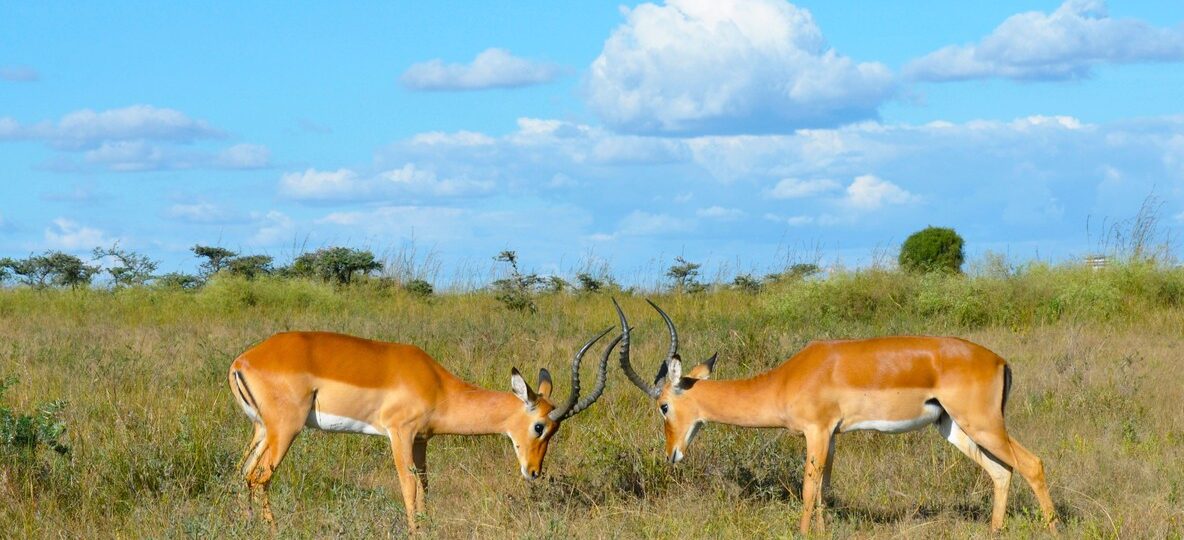
Amboseli big five status is genuine, though the balance is weighted. Elephants dominate, but lions are resident and regularly seen in the acacia woodlands. Leopards are present and occasionally spotted near the rocky perimeter zones. Large buffalo herds move through the drier areas. Rhinos are not common inside the park itself but are present in neighbouring conservancies such as Selenkay.
Beyond the headline animals, Amboseli national park wildlife includes:
- Cheetahs — open plains make this one of the better parks in Kenya for cheetah sightings
- Hyenas — large clans active at dawn and dusk
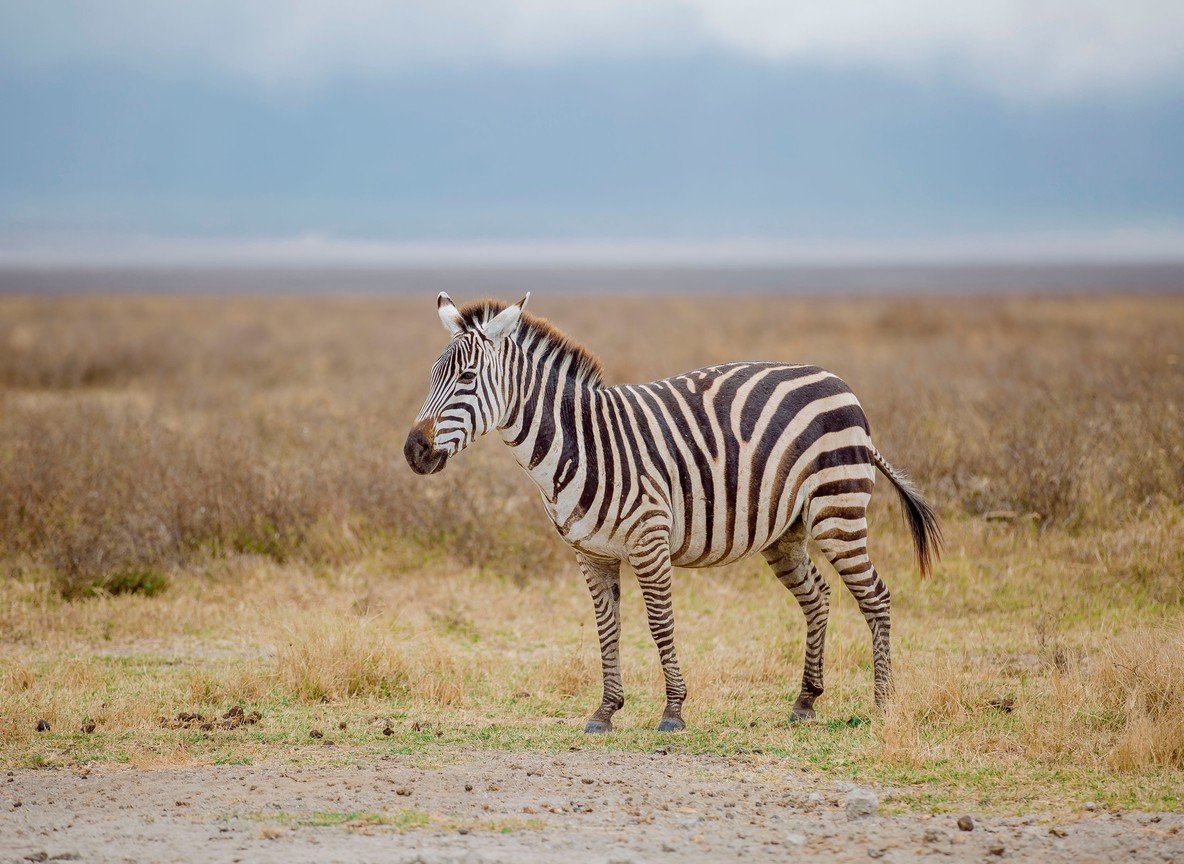
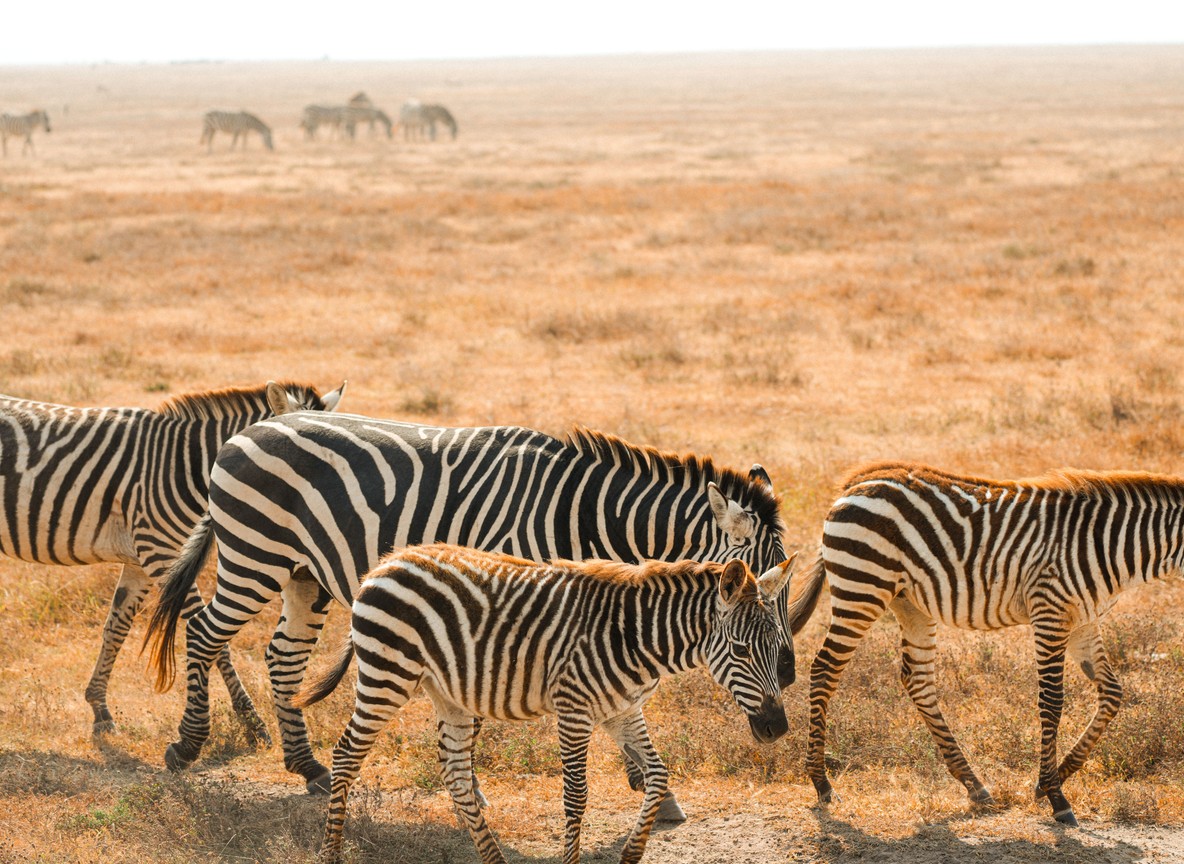
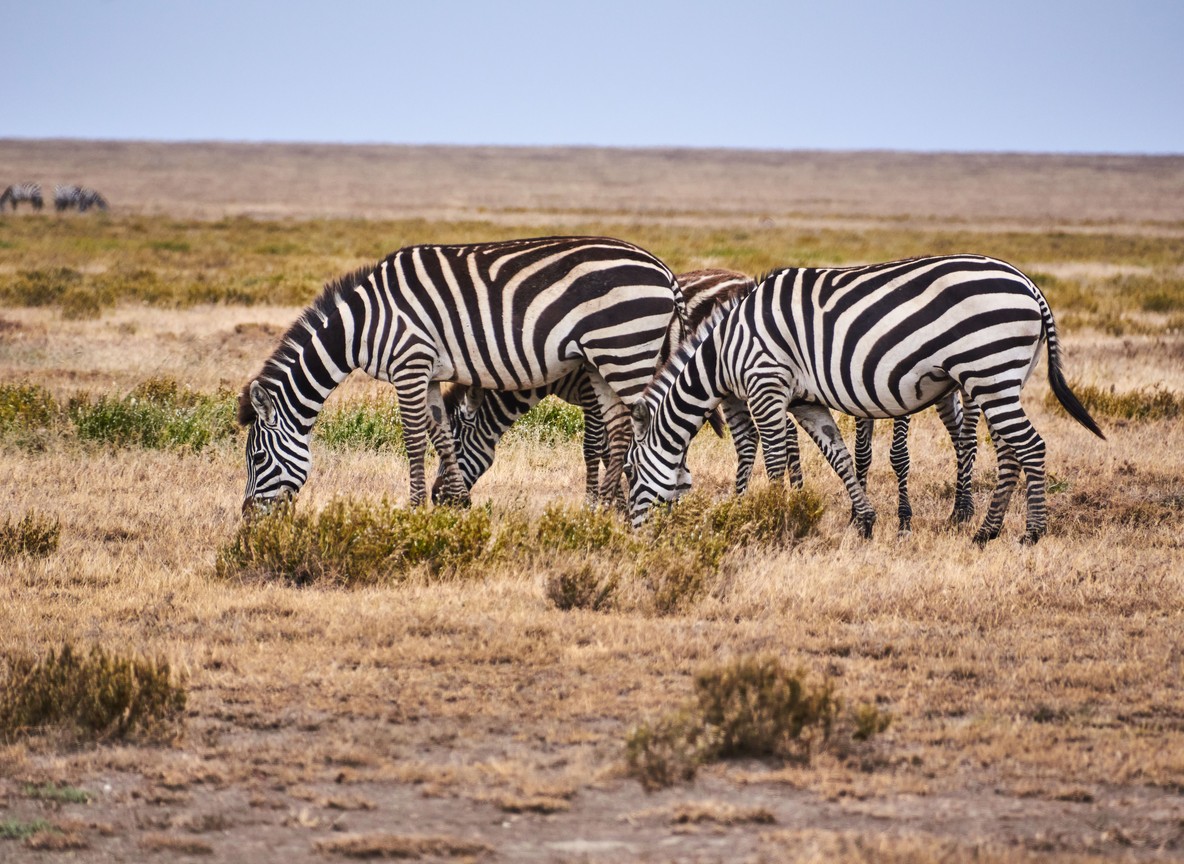
- Giraffes and zebras — in significant numbers across the open grassland
- Wildebeest — a smaller resident population compared to the Mara
- 400+ bird species — saddle-billed storks, African fish eagles, and large flocks of flamingos during wet periods
The birdlife alone justifies a dedicated morning. Maasai ostriches stalk the open plains. Superb starlings flash iridescent blue at every camp. Martial eagles patrol the acacia canopy.
Best Time to Visit Amboseli National Park
The table above captures the full picture, but the headline answer is: June to October is the prime window for amboseli safari 2026 planning. The dry season concentrates wildlife around the swamps, strips the grass short for better sightlines, and gives the clearest Kilimanjaro mornings of the year.
January and February are a strong second option. The short dry spell between the two rain seasons produces excellent conditions and significantly fewer visitors than the peak July-August period.
Avoid April and May unless conservation rainfall interests you specifically. The long rains make tracks difficult and visibility inconsistent.
Where to Stay in Amboseli: Camp Options for Every Budget
Amboseli has a well-developed accommodation spectrum. These are the key options:
- Ol Tukai Lodge — mid-range, inside the park, excellent elephant sightlines from the rooms and dining area
- Amboseli Serena Safari Lodge — mid-range to upper, strong service, good location near Enkongo Narok
- Tawi Lodge — premium, outside the park boundary, private conservancy, superb photography light and access
- Porini Amboseli Camp — eco-camp inside Selenkay Conservancy, excellent for community-integrated tours and safaris, rhino access
- Kimana Sanctuary camps — private sanctuary adjacent to the park, lower vehicle density, good for private game drives
Trunktrails Safaris designs custom Amboseli itineraries across all these options. We match accommodation to your priorities, whether that is maximum wildlife access, photography light angles, conservation immersion, or budget.
The Trunktrails Advantage
Trunktrails Safaris is a native Kenyan-owned operator. Our guides know Amboseli not from a training manual but from years of time in the field alongside researchers, Maasai community members, and elephant monitoring teams. That local knowledge changes what you see and how you understand it.
Every Amboseli itinerary we build is tailored from scratch. There are no fixed group packages. If you want to be positioned at Observation Hill before 6:00am for the mountain light, we arrange that. If you want a briefing from a conservation researcher, we arrange that too. If your budget is $850 or $2,200, we design tours and safaris that deliver real wildlife value at your price point.
Our commitment to conservation is built into the price: 5% of every booking goes directly to wildlife conservation initiatives in Kenya. When you book Amboseli tours and safaris with Trunktrails Safaris, you are funding the ecosystem you came to photograph.
We are and operate with no middlemen. You deal with us directly, 24/7, before and during your trip. No call centres. No agencies taking a cut between you and the experience. 🦁
Plan Your Amboseli Safari Today
The super tuskers are out there right now, moving between the swamps and the open plains, indifferent to how many people have them on their wish lists. Kilimanjaro will clear again tomorrow morning at 6:15am. The question is whether you will be there.
Contact Trunktrails Safaris to start building your Amboseli itinerary. We handle everything: dates, camps, game drive scheduling, conservation add-ons, and transfers from Nairobi.
Get in touch:
Further reading
More safari planning resources
- Map of Amboseli from Valley Safaris
- Amboseli National Park guide on Touring Insights
- Amboseli destination guide on FindMySafari
- Big Five safari collection on FindMySafari
📞 WhatsApp: +254 113 208888 📧 Email: info@trunktrailssafaris.com 🌍 Website: trunktrailssafaris.com ✅
Image credits: Photo by Simon Brandintel on Pexels; Photo by Ramy Photographer on Pexels; Photo by Alex Ning on Pexels; Photo by Lachcim Kejarko on Pexels; Photo by Kilinge Adventures on Pexels