
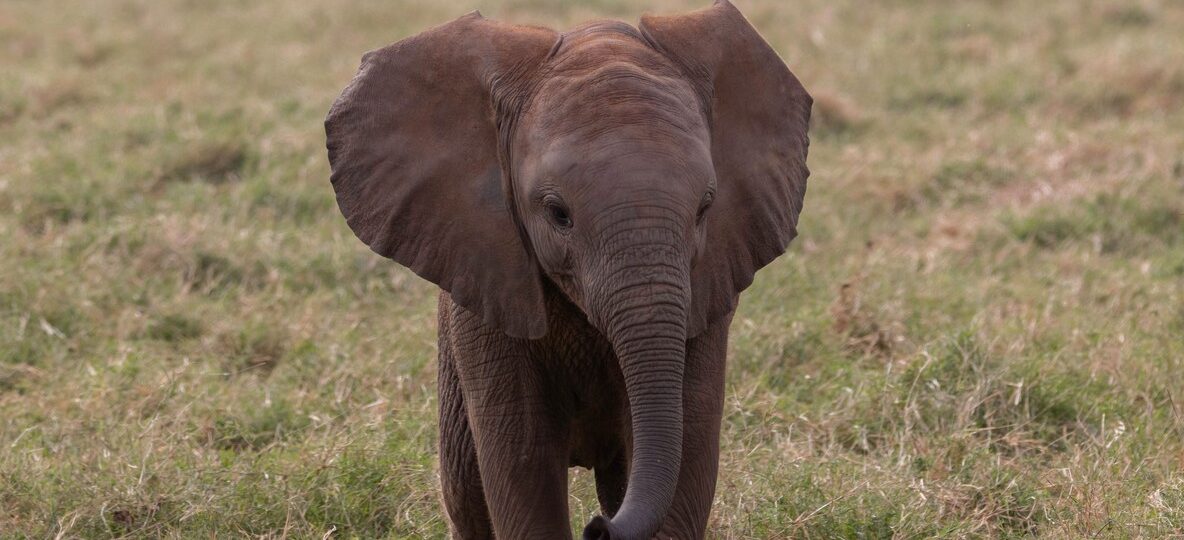
Tsavo’s Emerging Super Tuskers: Meet Kenya’s Next Generation of Giant Elephants
A super tusker is an elephant whose tusks are so long they almost scrape the ground, each one weighing more than 45 kilograms. There are fewer than 30 of these living giants left on Earth, and a remarkable number of them walk the red plains of southern Kenya. Right now, a fresh wave of young bulls is rising to claim that title. The tsavo super tuskers story is not just about the legends already among us. It is about the next generation stepping into their footprints.
Trunktrails Safaris tracks these elephants across Tsavo on tours and safaris built specifically for travelers who want to witness living history. This guide explains what makes these animals so rare, where the emerging giants are, and how you can stand in their presence before the moment passes.
What Makes a Super Tusker Elephant in Kenya So Rare?
A super tusker is not simply a big elephant. The title belongs to bulls carrying tusks of at least 45 kilograms each, or roughly 100 pounds per side. Tusks that size take more than 35 years to grow, which means every super tusker elephant in Kenya is an old soul that has survived drought, poaching pressure, and the daily grind of bush life.
The genetics behind these tusks are precious. Decades of ivory poaching removed many of the largest bulls from Africa, and with them went the genes for record-breaking ivory. Tsavo became a stronghold because its vast, remote terrain gave big-tusked elephants a place to hide and breed. Today the bloodline survives here in a way it does not survive almost anywhere else.
That is why the emerging tuskers matter so much. They carry the genetic memory of the giants that came before them.
Why Tsavo Elephants Carry This Legacy
Tsavo is Kenya’s largest protected wilderness, covering more than 22,000 square kilometers across Tsavo East and Tsavo West. The region holds roughly 12,000 elephants, one of the biggest single populations on the continent. Scale alone gives Tsavo elephants room to age into their full potential.
The famous red color of Tsavo’s elephants comes from the iron-rich volcanic soil they dust themselves with. A super tusker coated in that crimson dust, walking beneath Mount Kilimanjaro or across the Yatta Plateau, is one of the most striking sights in African wildlife.
Tsavo’s elephants also benefit from coordinated protection. The Kenya Wildlife Service, the Tsavo Trust, and the Big Tusker Project monitor named individuals month by month, recording tusk growth, movement, and health. This is why we can talk with confidence about which young bulls are on the rise.
Meet the Emerging Tuskers of Tsavo
The current generation of confirmed super tuskers is aging, and conservationists watch a shortlist of younger bulls expected to join their ranks within the decade. These emerging tuskers tsavo rangers track are typically between 25 and 35 years old, with tusks already thickening toward the 45-kilogram mark.
What makes this moment special is timing. You can see a confirmed super tusker and a future one on the same trip, sometimes in the same area. The older bulls move slowly along established routes near permanent water, while the younger giants range more widely as they compete for territory and mating opportunities.
Each emerging tusker is individually named and photographed by monitoring teams. When you travel with a guide who knows these elephants, a sighting stops being a random animal and becomes a specific character with a known history. That shift, from anonymous wildlife to named individual, is what turns a game drive into something you remember for life. ✨
Confirmed Versus Emerging: A Quick Comparison
Travelers often ask how to tell the difference between a fully grown super tusker and a bull still on the way up. The table below breaks down the practical distinctions our guides use in the field.
| Feature | Confirmed Super Tusker | Emerging Tusker |
|---|---|---|
| Age | 40 years and older | 25 to 35 years |
| Tusk weight (each) | 45 kg or more | 30 to 44 kg and growing |
| Tusk shape | Long, often reaching the ground | Long and thickening, not yet at full length |
| Body size | Very large, fully mature frame | Large but still filling out |
| Behavior | Calm, established routes near water | More mobile, competing for territory |
| Population | Fewer than 30 worldwide | A small monitored shortlist in Tsavo |
Both categories are extraordinary to see. The emerging bulls simply offer a glimpse of the future, a chance to watch a giant in the making. 📸
Planning a Tsavo East National Park Safari Around the Tuskers
A Tsavo East national park safari is the most direct route to the open-country sightings that big tuskers are known for. Tsavo East is drier and flatter than its western neighbor, with sweeping plains that make long-range elephant spotting far easier. The Galana River, the Aruba area, and the Voi River circuit are reliable zones for large bulls, especially in the dry months.
Tsavo West offers a different character. It is greener and more rugged, with volcanic hills, the Mzima Springs, and the Shetani lava flows. Elephants here move through thicker cover, so sightings take patience, but the scenery is unmatched.
The best time for a big tusker safari is during the dry seasons, from late June to October and again from January to early March. As waterholes shrink, elephants concentrate around permanent water, and the thinner vegetation makes the giants easier to find. Green season has its own rewards, with dramatic skies and fewer vehicles, though sightings take more work.
For travelers combining destinations, Tsavo pairs naturally with Amboseli for guaranteed elephant density and with the Kenyan coast at Diani or Watamu for a beach finish. Trunktrails Safaris builds these combinations as complete tours and safaris so your time on the ground is spent watching elephants, not solving logistics.
The Conservation Stakes Behind Every Sighting
The return of super tuskers is a conservation success story still being written. Tusks this large remain a target for poachers, so the monitoring teams that track these elephants double as their protection. Aerial surveillance, ranger patrols, and rapid-response units all work to keep the named bulls alive long enough to pass on their genes.
Responsible tourism funds this work directly. Park fees, conservancy levies, and the presence of legitimate safari vehicles in the bush all raise the cost and risk for anyone who would harm these animals. When you choose an operator that respects distance, follows park rules, and supports local communities, your trip becomes part of the protection network rather than a disturbance to it.
The emerging tuskers are the clearest sign that decades of effort are paying off. Every young bull that reaches super tusker status proves the bloodline is recovering. Seeing one is a privilege, and it carries a quiet responsibility to travel in a way that helps the story continue.
The Trunktrails Advantage
Trunktrails Safaris is a native Kenyan-owned operator, and Tsavo is part of our home ground. We do not treat the super tuskers as a marketing line. We treat them as the rare, named individuals they are, and we plan around the people who know them best.
Our guides work in close coordination with Tsavo’s monitoring community, so your game drives are informed by current movement reports rather than guesswork. We know which areas the older bulls favor near permanent water, and we know where the emerging giants have been ranging in recent weeks. That local knowledge is the difference between hoping for a sighting and planning for one.
We also keep our ethics firm. We hold respectful distance, we never crowd an animal, and we cap vehicle numbers so the elephants behave naturally and your photographs look wild rather than staged. Every booking supports conservation fees and local employment that keep these giants protected.
When you travel with Trunktrails Safaris, you get tours and safaris designed by people who grew up with these landscapes, not a generic package sold from a distant office. That is the Trunktrails advantage, and in Tsavo it shows in every sighting.
Frequently Asked Questions: Tsavo Super Tuskers
What is a super tusker? A super tusker is an elephant with tusks weighing at least 45 kilograms each, roughly 100 pounds per side. Fewer than 30 are believed to survive worldwide, and several live in and around Tsavo in southern Kenya.
Where can I see super tuskers in Kenya? The Tsavo ecosystem, covering Tsavo East and Tsavo West national parks, is the leading destination. The neighboring Amboseli area also holds famous big-tusked bulls, and the two parks combine well on a single itinerary.
When is the best time for a Tsavo big tusker safari? The dry seasons, from late June to October and from January to early March, offer the easiest sightings. Elephants gather near permanent water and the thinner vegetation makes large bulls simpler to spot.
Are super tuskers endangered? The individual super tuskers are extremely rare and remain at risk from poaching because of their valuable ivory. Intensive monitoring and protection in Tsavo are helping a new generation of emerging tuskers grow into the title.
Further reading
How do I book a Tsavo super tusker safari? Contact Trunktrails Safaris directly by WhatsApp on +254 113 208888 or email info@trunktrailssafaris.com. We confirm dates, build your itinerary, and align your drives with the latest elephant movement reports.
See the Giants Before the Moment Passes
The emerging super tuskers of Tsavo will not stay young forever, and the giants already among us are aging. There is a window, right now, when you can watch both generations on the same red plains. Few wildlife experiences on Earth offer that. 🌅
Trunktrails Safaris is ready to put you in front of these elephants. Tell us your travel dates and we will build a Tsavo itinerary around current sightings, pair it with Amboseli or the coast if you wish, and handle every detail so you can focus on the moment a giant walks into view.
Reach the team:
- WhatsApp: +254 113 208888
- Email: info@trunktrailssafaris.com
- Website: https://trunktrailssafaris.com
Send a message today and we will start building your Tsavo super tusker safari while the giants are still on the move. 🐘