Kenya Diaspora Heritage Tour: Coming Home to Wildlife and Culture 🌍
The smell hits you first. Red laterite dust, warm grass baked by the equatorial sun, and something else that has no name but lives somewhere deep in your chest. You step off the vehicle and the Mara opens in front of you — endless, ancient, indifferent to how long you have been gone. And you realize, standing there with your child beside you, that you never fully left.
This is what a kenya diaspora heritage tour feels like in its first hour. Not a holiday, not a tick on a bucket list. A reckoning. A return. A conversation between who you became abroad and who your people have always been here.
Whether you left Nairobi for London twenty years ago, grew up in Houston with parents who came from Meru, or carry a Kenyan name that your British-born children find hard to pronounce — this trip is for you. And for them.
The Landscape Still Knows You
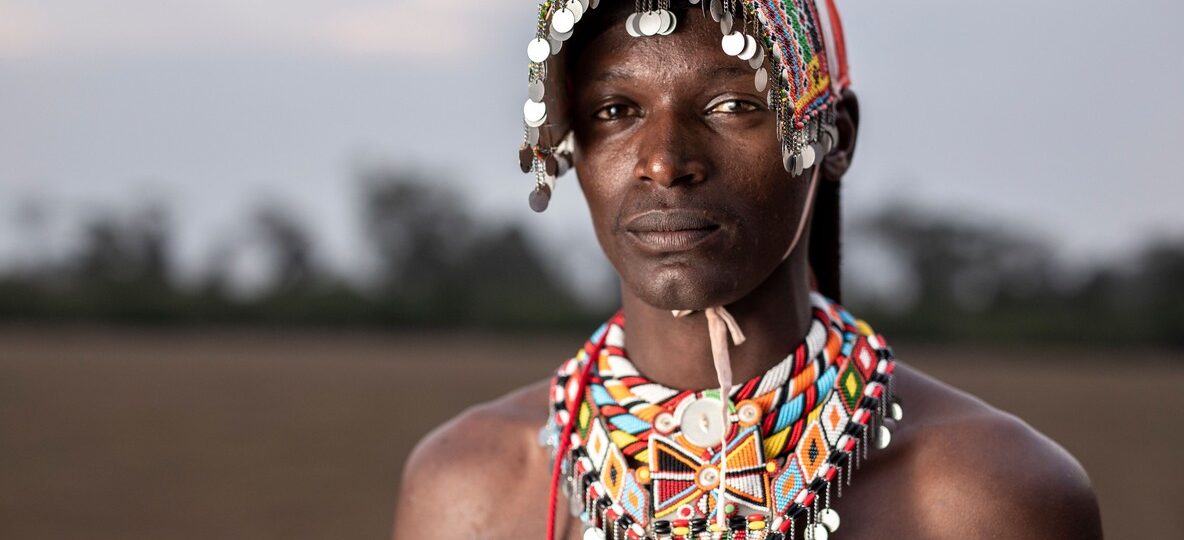
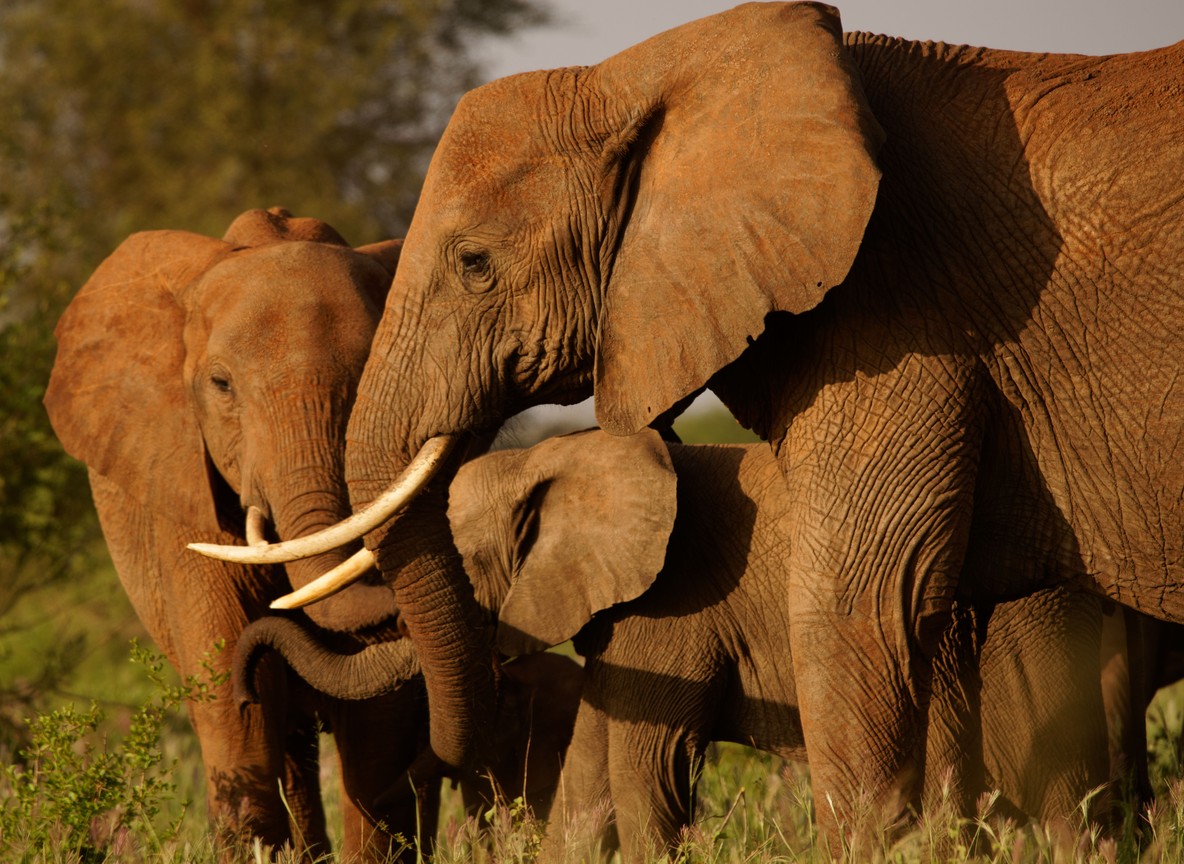
Kenya does not change at the pace of cities. The Mara River still runs red during the crossing season. Amboseli‘s elephants still move in the shadow of Kilimanjaro, the same mountain your grandparents described from their doorsteps. Out in Samburu, a warrior still stands at dawn with his spear catching the light the same way it did a century ago. ✨
These landscapes hold memory in ways that photographs and phone calls cannot. They hold the specific quality of light at 6 AM in October. The sound of hornbills before the camp stirs. And the particular way the grass whispers when the wind drops and a lion lifts its head.
For Kenyans living abroad, this is the pull that is hard to explain to a colleague in Manchester or Dubai. It is not nostalgia for a place you remember perfectly. It is recognition. The land knows you. And when you arrive, some part of you goes quiet in a way it has not been quiet in years.
Why a Kenya Diaspora Heritage Tour Is Different from an Ordinary Safari
A kenya diaspora heritage tour is a safari itinerary built around identity, not just wildlife. It pairs Big Five game drives with meaningful cultural encounters, ancestral landscape visits, and community experiences that connect a diaspora traveler — and their children — to the living history of Kenya. It is different from a standard wildlife safari because the emotional goal is belonging, not just observation.
Standard safari packages take you to see Kenya. A heritage tour takes you back to be in Kenya.
The difference shows up in every day of the itinerary. Instead of watching the Maasai Mara sunrise from a lodge terrace, you sit with a Maasai elder who remembers how those same plains looked before the tourist camps arrived. In Amboseli, rather than just photographing elephants, you hear the Amboseli Elephant Research Project‘s work explained in Swahili by a guide whose own grandmother watched Cynthia Moss arrive in 1972 with her notebooks and her questions.
This is kenya roots travel done properly. Not a performative trip. A real one.
Wildlife as Living Memory: What the Bush Holds for Returning Diaspora 🦁
For diaspora travelers, the animals are not just animals. They are living proof that something has survived.
The kenya wildlife and culture tour routes that work best for returning Kenyans link three landscapes: the Maasai Mara, Amboseli, and Samburu. Each one carries a different emotional register.
Maasai Mara is the heartbeat. The Great Migration — over a million wildebeest and zebra crossing the Mara River between July and October — is one of the few spectacles that breaks through even the most defended emotional armor. No visitor leaves unmoved. In the Mara, you will also find the Maasai community still managing this land, still negotiating between conservation and cattle, still maintaining a culture that has outlasted every colonial mapping of it.
Amboseli is the photograph your parents always kept on the wall. Elephants silhouetted against Kilimanjaro. But it is also a serious conservation story. The Amboseli Elephant Research Project has tracked elephant families here since 1972. When you watch a matriarch lead her herd toward Enkongo Narok swamp, you are watching 50 years of documented lineage moving through a landscape your people have lived alongside for generations.
Samburu is the most unexpected. Drier, quieter, and home to species — reticulated giraffe, Grevy’s zebra, Somali ostrich — found almost nowhere else in Kenya, as documented by Kenya Wildlife Service. It is also home to the Samburu people, whose beadwork and cattle traditions represent one of Kenya’s most intact pastoralist cultures. Learn more about the women of Samburu on safari, whose bead cooperatives now feed their families and fund school fees — a story of community resilience that the diaspora reader will recognize.
Culture, Community, and the Ancestral Trail
A kenya cultural safari is not a museum visit. It is a live conversation. 📸
The most powerful cultural stops in a heritage itinerary are not the ones with the most tourists. The heritage tours and safaris that leave a mark are the ones where the interaction is genuine.
Maasai Mara cultural experience goes far deeper than the village visit that most lodges arrange as an add-on. With the right operator, you sit with Maasai elders during a community meeting, hearing the debate about wildlife corridors and grazing rights. Watch how a culture negotiates modernity — the warrior with a mobile phone, the grandmother who refuses to give up her beadwork patterns for faster synthetic imports. Explore Maasai culture on safari to understand what a respectful, non-performative cultural encounter looks like.
Lamu is a different kind of roots. Kenya’s oldest inhabited town carries 700 years of Swahili, Arab, and African cultural layering in its carved wooden doors and call-to-prayer echoes. Lamu, Kenya is where the coast’s identity was built. A day walking those streets with a Swahili guide connects you to a part of Kenya that most safari itineraries skip entirely.
Gedi Ruins, the 12th-century Swahili city hidden in coastal forest, speaks to civilizations that were sophisticated, internationally connected, and entirely Kenyan — long before any European ever drew a map of East Africa. Standing among those stone walls with your teenager, explaining that this was built by Africans centuries before colonialism, is a moment that changes how they understand themselves. Visit the Gedi Ruins as part of your coastal extension.
Bringing Your Children Home: The Multi-Generational Dimension
The deepest reason many diaspora Kenyans finally make this trip is not for themselves. It is for their children.
A child who grew up in Birmingham or Atlanta or Abu Dhabi may know Kenya only from their parents’ stories, from WhatsApp voice notes with grandparents, from jollof rice and ugali at home, from a flag sticker on a laptop. The kenya diaspora heritage tour gives that child their first unmediated experience of the country their family came from.
And something happens. It is not dramatic. It is quiet. A twelve-year-old who thought safari was a game watches a lion hunt at dawn and goes completely silent. A teenager who rolled their eyes at the journey sits with a Samburu elder and asks three questions without prompting. A seven-year-old runs in red dust and comes back to the vehicle with dirty feet and the expression of someone who has just found something they did not know was missing.
These are not experiences you can replicate at a heritage museum or in a documentary. They require being there. And Nairobi National Park — just 7km from the CBD — is the perfect first game drive for families flying in jet-lagged and wide-eyed. Lions and buffalo with the Nairobi skyline behind them. Kenya, immediately, without any acclimatization required.
The Trunktrails Advantage: A Kenyan-Owned Operator Who Understands the Journey
No foreign safari company can offer what Trunktrails Safaris offers a diaspora traveler. Because no foreign operator grew up on this land.
Trunktrails Safaris is native Kenyan-owned and. Our guides are not contractors reading from a script. They are custodians of the same landscapes your grandparents knew. When your guide tells you what a particular acacia means to a Maasai family, he is not reading that from a guidebook. He knows because his own family has grazed cattle under that same tree.
This is what makes our tours and safaris different:
- Tailor-made itineraries built around your family’s specific roots. Tell us your home county, your language, your cultural connection, and we design an itinerary that honors it.
- No middlemen. You plan directly with us. No agency markup, no lost-in-translation briefings. We pick up the phone in Nairobi, in Swahili or English, 24/7.
- Community access others cannot arrange. Our relationships with Maasai, Samburu, and coastal Swahili communities are built on years of trust. We do not parachute tourists into communities. We bring families who want to connect.
- Conservation commitment. 5% of every booking goes to wildlife conservation. When you book a kenya diaspora heritage tour with Trunktrails Safaris, you are contributing to the same landscapes you came to reclaim.
Our tours and safaris range from $650 for a short 3-4 day cultural focus to $2,200+ for a full 10-day multi-destination heritage journey. All budgets welcome. We have never believed that reconnecting with your roots should be limited to those who can afford luxury.
Planning Your Heritage Safari: Where to Go and When
Park and Destination Comparison for Heritage Travelers
| Destination | Heritage Highlight | Best Season | Ideal For |
|---|---|---|---|
| Maasai Mara | Maasai culture, Great Migration, grassland ecology | Jul-Oct (migration), Jan-Feb (dry, clear) | Families, first-timers, culture + wildlife combo |
| Amboseli | Kilimanjaro backdrop, elephant research history, Maasai community | Jun-Oct, Jan-Feb | Photography, emotional landscape connection |
| Samburu | Unique northern wildlife, Samburu pastoralist culture, women’s bead cooperatives | Jun-Oct, Jan-Mar | Culture-forward travelers, off-the-beaten-path |
| Lamu | 700 years of Swahili coastal heritage, dhow sailing, old town | Oct-Mar (best weather) | Coastal roots, architectural history, slow travel |
| Nairobi | Nairobi National Park, Karen Blixen Museum, Bomas of Kenya | Year-round | City + first game drive, airport connections |
An african heritage safari covering Nairobi, Maasai Mara, Amboseli, and a coastal extension to Lamu runs between 10 and 14 days. That is the sweet spot for a diaspora family that wants depth, not a rush. Shorter 5-7 day itineraries focusing on Mara and Amboseli work well for first-time returners testing the waters before committing to a longer trip.
The shoulder seasons (January, February, June) offer competitive pricing and fewer crowds at the same landscapes the peak-season tourists pay more to see. For current park entry fees and regulations, visit Magical Kenya before you plan.
Frequently Asked Questions
What is a Kenya diaspora heritage tour? A kenya diaspora heritage tour is a safari experience designed specifically for Kenyans and East Africans living abroad. It combines wildlife game drives with meaningful cultural visits, ancestral landscape encounters, and community experiences. The goal is reconnection: to Kenya’s landscapes, its living cultures, and the identity that distance can make harder to hold.
Which parks are best for a Kenya heritage safari? The strongest combination for an african heritage safari covers Maasai Mara, Amboseli, and Samburu for wildlife and cultural depth, with a coastal extension to Lamu for Swahili heritage. Nairobi National Park works as a practical first stop. Each destination adds a different emotional layer: the Mara for scale and community, Amboseli for family and landscape, Samburu for pastoral culture, Lamu for coastal history.
Can I bring children on a Kenya diaspora heritage tour? Yes, and many diaspora travelers say their children are the reason they finally made the trip. Multi-generational heritage tours are designed for families with children of all ages. Game drives, cultural village visits, and coastal town walks are all child-friendly when planned well. Trunktrails Safaris builds itineraries with children’s pacing, safety, and engagement in mind.
Your Roots Are Still There — Come and Find Them
Close your eyes for a moment.
You are standing at the edge of the Mara at first light. The air smells of dew and distant rain. Your child is beside you, completely still for the first time in days, watching something move through the long grass. You do not need to explain it. They already know.
You point toward the horizon and say: that is where we are from.
And for the first time in a long time, that sentence has a face, a smell, a sound, and a landscape behind it.
That is what Trunktrails Safaris builds for you. Not a holiday. A homecoming.
Start planning your kenya diaspora heritage tour today.
Our team in Nairobi is ready to build an itinerary around your family’s story. Reach us directly:
Further reading
📞 WhatsApp: +254 113 208888 📧 Email: info@trunktrailssafaris.com 🌍 Website: https://trunktrailssafaris.com | Kenyan-Owned | 5% of every booking goes to wildlife conservation
Image credits: Photo by Kureng Workx on Pexels; Photo by Josef Spang on Pexels; Photo by alvin demule on Pexels; Photo by Pixabay on Pexels; Photo by ATHUMAN KOMORA GARISSE on Pexels