
Lamu Kenya: Swahili Culture, Dhow Journeys and the Slowest Holiday on Earth
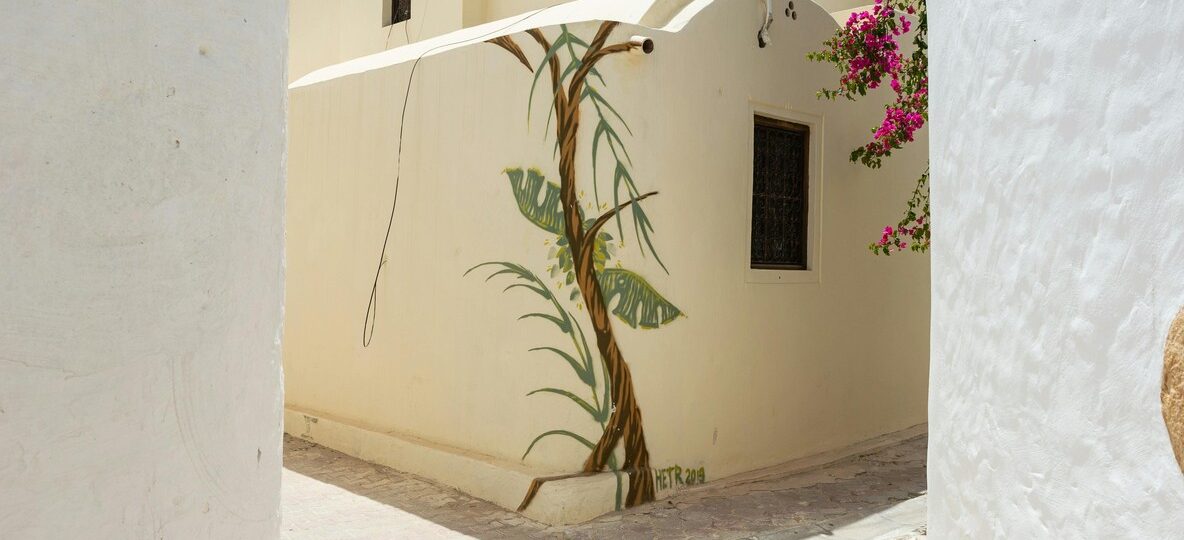
🌍 There are no cars in Lamu town. The streets are narrow enough that two people cannot walk side by side in some of them. Donkeys carry everything from building materials to cooking gas. The call to prayer echoes off coral-stone walls that have been standing since the 14th century. And at certain hours of the afternoon, when the dhow traffic slows and the heat presses down on the waterfront, time seems to stop entirely.
Lamu Kenya is not a destination you visit quickly. It is a destination that teaches you a different pace of travel — one measured in tides, in the direction of the monsoon wind, in the hour the fish market opens. For the traveller who has already done Kenya’s safari circuit and wants the experience that feels most unlike anything else they have seen in Africa, Lamu is the answer.
At Trunktrails Safaris, we include Lamu in itineraries for guests who want depth alongside wildlife — the kind of tours and safaris trip that leaves you with more than photographs. A UNESCO World Heritage Site since 2001, Lamu Old Town is the oldest continuously inhabited Swahili settlement in East Africa, and it wears its history with the confidence of a place that has survived centuries without needing to explain itself.
What Makes Lamu Different From Every Other Kenya Coast Destination
Kenya’s coast is long and varied. Diani gives you the best beach infrastructure. Watamu has marine turtles and snorkeling. Malindi has its own faded colonial charm. But lamu kenya occupies a category of its own, for reasons that are architectural, cultural, and atmospheric in roughly equal measure.
The defining characteristic of Lamu town is its continuity. Most of the architecture you see today dates from the 18th and 19th centuries. The carved wooden doors — each one different, each one a record of the merchant family that commissioned it, the trade routes they used, and the cultural influences that shaped them — are some of the most remarkable examples of functional craft in East Africa.
The town was built on Indian Ocean trade. Arab merchants, Indian traders, Persian merchants, and Portuguese sailors all left their mark here. The swahili culture kenya coast that emerged is a synthesis unlike anything found further inland or further south — a maritime culture that absorbed influences from Arabia, the Indian subcontinent, and sub-Saharan Africa and turned them into something distinctively and unmistakably Swahili.
For travellers who want their travel to carry intellectual and aesthetic weight, Lamu is the coastal equivalent of Koobi Fora: a place where you are in contact with the deep history of East Africa, not just its wildlife.
Lamu Old Town: Walking the UNESCO World Heritage Site
Lamu Old Town is compact enough to explore on foot, and complex enough that you will still be discovering new corners on your fourth day. The town is built on a street plan that evolved organically over centuries, with no grid, no urban planning, and no concession to motorised vehicles.
Key areas and landmarks:
The Waterfront (Corniche): The main social artery of Lamu, where fishermen bring in the morning catch, dhow captains negotiate cargo, and the stone benches built into the sea-facing walls fill with conversation in the evening. The waterfront is where Lamu’s social life is most visible and most photogenic.
Lamu Fort: Built between 1813 and 1821 by the Sultan of Oman, the fort is the most imposing structure in the old town and now houses a small but well-curated museum covering the town’s history and Swahili cultural heritage.
Lamu Museum: On the waterfront, the museum holds an extraordinary collection of Swahili artifacts including Siwa ceremonial horns (instruments played only by community elders for important occasions), carved furniture, and navigation instruments from the dhow era.
The Riyadha Mosque: The spiritual heart of Lamu’s Islamic life. The annual Maulidi festival (celebrating the Prophet’s birthday) draws pilgrims from across the Muslim world and is one of the most atmospheric events in East Africa. Lamu’s Maulidi is among the most significant in the region.
The Carved Doors: Every significant building in Lamu has a carved wooden door, and no two are the same. Architectural historians and photographers come to Lamu specifically for the doors. The oldest surviving examples date to the early 18th century.
Dhow Sailing: The Original Lamu Experience
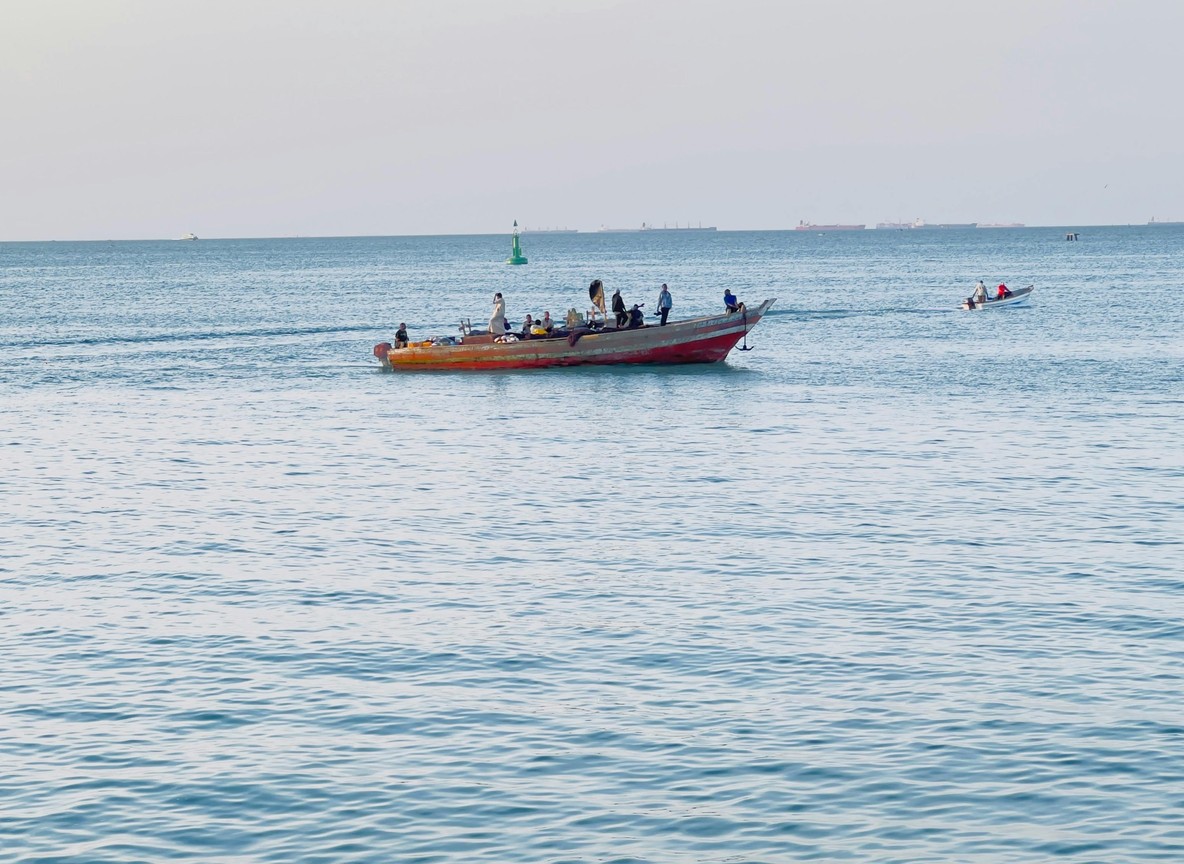
The traditional dhow is the vessel that built this coast. Lamu’s dhow-building tradition is one of the last active ones in East Africa, and watching a dhow being constructed on the beach — with hand tools, no power equipment, and knowledge passed down through generations of master builders — is as close to a living museum as travel gets.
Sailing a dhow on the Lamu Archipelago is the experience most guests describe as the defining moment of their trip. The archipelago is a complex of islands, creeks, and mangrove channels fed by the monsoon winds. From October to April, the northeast monsoon (the Kaskazi) fills the sails and makes dhow sailing effortless. From May to September, the southeast monsoon (the Kusi) takes over.
What a dhow day trip covers:
- Manda Island — directly opposite Lamu town, with the ruins of the ancient Swahili town of Takwa (abandoned in the 17th century, the site is now maintained by the National Museums of Kenya)
- Pate Island — the oldest settlement in the Lamu Archipelago, with ruins predating Lamu itself; reached by 3-4 hours by dhow or motorised boat
- Shela Beach — a 14-kilometre sand spit with dunes and one of the best beaches on the coast; accessible by a 30-minute walk from Lamu town or a short dhow hop
For an overnight dhow trip, Trunktrails Safaris can arrange traditional craft with on-board cooking, sleeping on deck under the stars, and stopovers at the smaller islands. This is one of the most atmospheric experiences in all of East Africa.
The Lamu Archipelago: Islands Beyond the Town
Lamu Island is the most developed of the archipelago’s islands, but the chain extends for miles and most of it is barely visited.
| Island | Highlights | Access |
|---|---|---|
| Lamu | Old Town, Shela Beach, Lamu Museum | Ferry from Manda airstrip |
| Manda | Takwa ruins, good snorkeling, Ras Kitau beach | 10-min dhow from Lamu |
| Pate | Ancient ruins, mangroves, Pate town | 3-4 hrs by motorised boat |
| Kiwayu | Remote beach, exclusive lodges, marine park | Fly or long boat from Lamu |
| Kizingitini | Traditional fishing village, rarely visited | 4-5 hrs by boat |
Kiwayu Island at the northern end of the archipelago deserves special mention. It is one of the most remote and exclusive beach destinations in East Africa, accessible only by charter plane or long boat. The guest numbers here are measured in single digits per day. For travellers prioritising exclusivity above all else, Kiwayu is the standard that almost nowhere else in Kenya can match.
Food, Culture and Staying in Lamu
Swahili food is one of the great underrated cuisines of East Africa. Lamu’s food culture draws on Arab, Indian, and Bantu influences — coconut rice (wali wa nazi), grilled fish with tamarind sauce, pilau spiced with cardamom and cloves, biriyani from Indian Ocean trading routes, samosas and mandazi from the street vendors on the waterfront. Eating in Lamu is one of the more pleasurable aspects of any visit.
Lamu accommodation has evolved significantly in recent years. The most interesting options are the restored Swahili mansions that have been converted into boutique guesthouses and private rental houses. These properties preserve original features — carved plaster screens, inner courtyards, rooftop terraces — while adding modern plumbing and cooling.
Top Lamu accommodation options:
- Majlis Resort, Manda Island — the most polished resort property in the archipelago, with a strong beach presence and good water sports
- Peponi Hotel, Shela — a Lamu institution run by the same family since 1967; the bar on the water is one of Kenya’s great sundowner spots
- Amu House — a restored 19th-century Swahili mansion with six rooms, rooftop views, and a quality far above its price
- Private Swahili house rentals — for groups or couples wanting complete privacy, renting a restored townhouse through a trusted local agent gives you the full Lamu experience
For couples planning a romantic extension after safari, the combination of a diani beach after safari stopover followed by Lamu gives you both the beach resort experience and the cultural depth. Our coastal combination itineraries cover this two-leg approach.
Best Time to Visit Lamu Kenya
| Period | Conditions | Notes |
|---|---|---|
| Jan-Mar | Dry, warm, northeast monsoon | Best dhow sailing; low humidity |
| Apr-May | Long rains | Heavy rain; dhow sailings reduced |
| Jun-Aug | Dry, cooler, southeast monsoon | Good sailing; Maulidi Festival in Sep/Oct |
| Sep-Oct | Dry, warm | Excellent; Maulidi Festival timing varies |
| Nov-Dec | Short rains possible | Still good; reef visibility lower |
The best time to visit lamu for most travellers is January to March or September to October. These are the dry seasons, and the monsoon wind — which makes dhow sailing possible — is consistent without being extreme.
The Maulidi Festival (date shifts with the Islamic calendar — falls in September or October in 2026) is worth planning around if cultural immersion is your goal. The town doubles in population for the festival week, the music and processions run day and night, and the atmosphere is unlike anything else in Kenya.
Getting to Lamu Kenya
By air (standard): Fly from Nairobi Wilson Airport or JKIA to Manda Airport (LKU). The airstrip is on Manda Island, a 10-minute ferry ride from Lamu town. Fly540, AirKenya, and charter operators serve the route. Flight time approximately 1.5-2 hours.
By road: Long and not recommended for most travellers. The road north from Malindi to Lamu passes through areas that require security briefings and convoy travel at certain times. For most guests, flying is the correct choice.
Once in Lamu: No cars, remember. The ferry from Manda takes you to the waterfront. From there, everything in the old town is on foot. Donkeys are available for luggage. Water taxis operate between Lamu town and Shela.
Combining Lamu with a Kenya Safari
Lamu works best as a trip bookend — either the opening act (arrive in Lamu, get into Kenya’s cultural and sensory rhythm before heading to the parks) or the closing chapter (finish your safari, fly to Lamu, decompress).
A natural combination:
- Nairobi + Masai Mara + Lamu: Wildlife first, culture second. Three nights in the Mara, two nights in Lamu.
- Lamu + Arabuko-Sokoke Forest + Diani: A full coastal circuit for culture and nature with no safari. Our Arabuko-Sokoke Forest guide covers the forest section of this itinerary.
- Samburu + Lamu: Northern Kenya wildlife + northern Kenya coast culture. A less-traveled combination that covers two very different expressions of this country.
The Trunktrails Advantage
Lamu is not a place most safari operators handle well. It is off the standard circuit, and guests who book it through generic Kenya operators often end up with a hotel-only itinerary that misses the dhow sailing, the Takwa ruins, the food culture, and the community connections that make Lamu what it is.
At Trunktrails Safaris, we have ground-level relationships in Lamu — with dhow captains who know the archipelago’s tidal channels, with house rental managers who maintain the best-restored properties, and with community guides who can open doors (figuratively and literally) that most visitors never see.
What we offer for a lamu kenya itinerary:
- Dhow trip curation — overnight, day trip, or island-hopping, matched to the monsoon season and your interests
- Accommodation selection — we match the property to the traveller: couples get a private Swahili house; socialites get Peponi; ultra-luxury travellers go to Kiwayu
- Cultural programming — door carving tours, cooking classes with a Swahili chef, guided museum visits with context
- Seamless safari integration — the Lamu leg connects to or from any of our park circuits without rebooking, re-confirming, or navigating logistics yourself
- 5% of every booking supports conservation, including coastal forest and reef protection projects
- and native Kenyan-owned
Our Kenya coast guide covers the full range of coast options if you want to compare Lamu with Diani and Watamu before deciding.
Further reading
More safari planning resources
- Kenya tour packages from Valley Safaris
- Best time to visit Kenya on Touring Insights
- Diani Beach guide on FindMySafari
- Compare Kenya safari packages on FindMySafari
Ready to Plan Your Lamu Kenya Holiday with Trunktrails Safaris?
📸 Lamu rewards the traveller who arrives without a fixed agenda. The morning will take you where it takes you. The dhow will leave when the tide is right. The light on the waterfront at sunset will be different every evening. And somewhere between the fish market and the carved doors and the sound of the Kaskazi wind in the rigging, this place will get under your skin in a way that most destinations simply do not.
At Trunktrails Safaris, we design every tours and safaris holiday around what the traveller actually wants — not around the itinerary that is easiest for us to run. If Lamu is where you want to be, we will make it the best version of that.
📞 WhatsApp: +254 113 208888 📧 Email: info@trunktrailssafaris.com 🌐 Website: https://trunktrailssafaris.com
Image credits: Photo by Son Tung Tran on Pexels; Photo by Mohammed Makki on Pexels; Photo by Ismail El YOUSSEFI on Pexels; Photo by Francesco Ungaro on Pexels; Photo by Malcoln Oliveira on Pexels