
Kenya Birdwatching Safari: Best Parks, Seasons and the 1,000-Species Country
Kenya is one of the few countries on earth where a single trip can log more than 1,000 bird species. The official national list sits above 1,100, which places Kenya in the world’s top tier for avian diversity. For context, the whole of North America records roughly 900 species. A focused two-week Kenya birdwatching safari can realistically produce 400 to 600 species, and dedicated birders pushing hard have crossed 700 in a single visit.
That richness is not an accident. Kenya packs an extraordinary range of habitats into a compact area: alkaline Rift Valley lakes, highland forests, semi-arid northern scrub, the Indian Ocean coast, and the open savannah of the Mara. Each habitat carries its own bird community. Move between them and the species count climbs fast. This guide walks through the best parks, the right seasons, and the target species, so you can plan a birding trip that earns its place on your life list. 🌍
Why Kenya Is a Birdwatching Powerhouse
Three factors stack together to make Kenya exceptional for birds.
Habitat variety. Within a day’s drive you can move from flamingo-lined soda lakes to montane forest to acacia savannah. Few countries compress this much ecological range into such short distances.
Position on the migration map. Kenya sits squarely on the path of the Palearctic migration. From November to April, millions of birds from Europe and Asia winter here, layering migratory species on top of the resident population. A November visit gives you both.
Resident endemics and specials. Kenya holds species that birders travel specifically to find, from the Hinde’s babbler to the William’s lark and the Sokoke scops owl on the coast. These are birds you will struggle to see anywhere else on the planet.
Put together, these factors explain why serious birders rank Kenya alongside Colombia and Peru for a big-list trip. The difference is that in Kenya you watch your birds against a backdrop of elephants, lions and giraffe, which is why birding tours and safaris pair so naturally here. At Trunktrails Safaris we build our birding routes to take advantage of exactly this overlap, so a morning spent tracking a roller or a bee-eater rolls straight into an afternoon with the big game.
Best Parks for Birdwatching in Kenya
No single park gives you everything. The strongest Kenya birdwatching safari strings together three or four contrasting sites. Here are the standouts.
Lake Nakuru National Park
The classic Rift Valley birding stop. Lake Nakuru is famous for flamingos, both lesser and greater, which gather in their thousands along the shoreline when water levels and algae cooperate. Beyond the flamingos, the park records over 450 species, including great white pelicans, African fish eagles, and a strong supporting cast of waterbirds. The acacia woodland adds raptors and woodland species. It is also a rhino sanctuary, so your birding day comes with big game built in.
Lake Baringo and Lake Bogoria
Baringo is a freshwater jewel that many rank as Kenya’s single best birding lake, with over 500 species recorded around its shores and cliffs. Local guides here are exceptional at finding roosting owls, including Verreaux’s eagle-owl and the white-faced scops owl. Nearby Bogoria offers reliable flamingo concentrations and hot springs.
Kakamega Forest
Kenya’s only tract of true Central African rainforest. Kakamega is a different world from the savannah parks, holding forest species found nowhere else in the country: great blue turaco, blue-headed bee-eater, and a long list of forest greenbuls and barbets. For a complete list, Kakamega is non-negotiable.
Masai Mara National Reserve
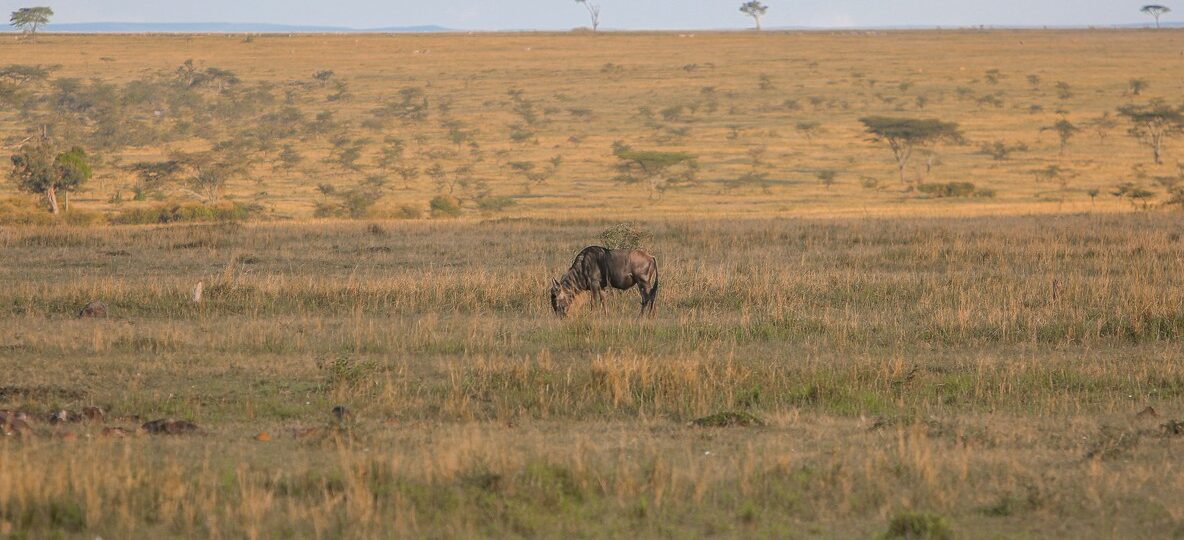
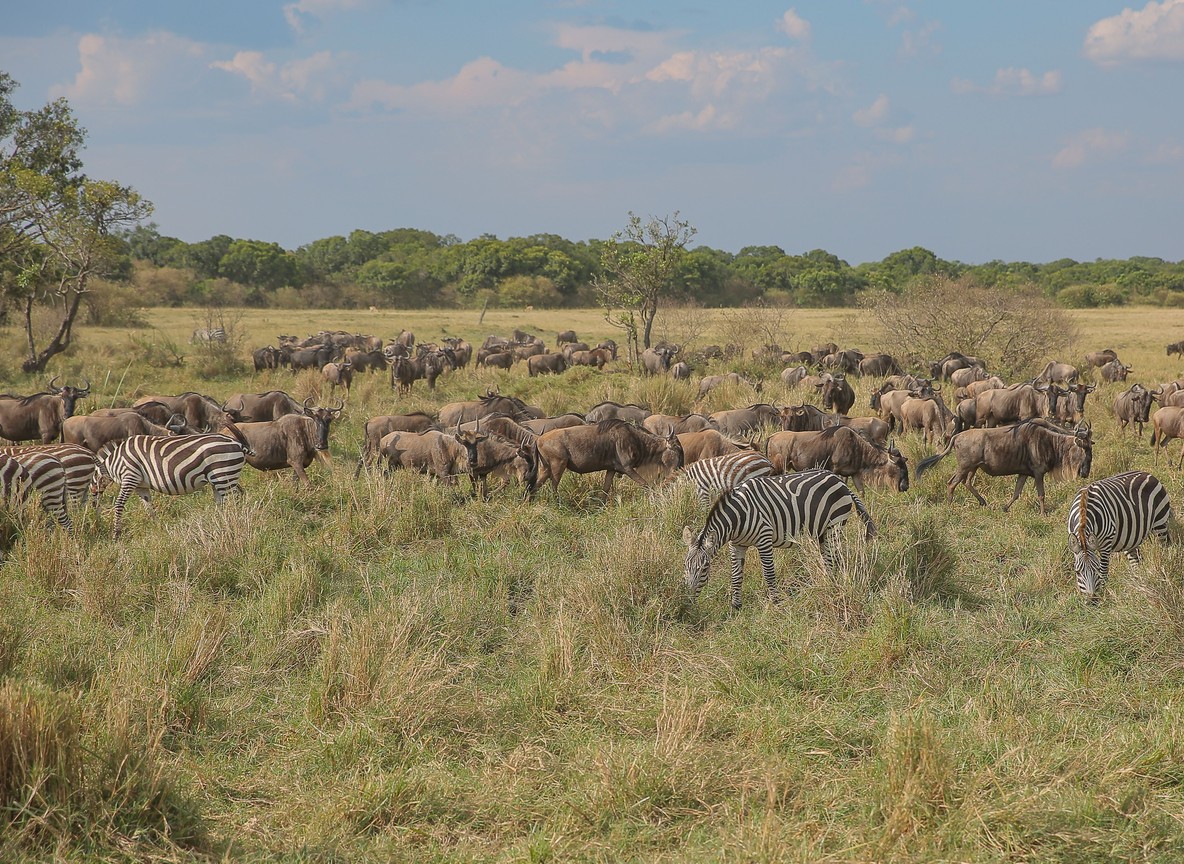
The Mara is known for big cats and the Great Migration, but its grasslands and riverine strips hold over 500 bird species. Secretary birds stride the plains, ground hornbills patrol the grass, and the rivers hold kingfishers and herons. Birding here folds seamlessly into classic game viewing.
Samburu National Reserve
The semi-arid north delivers dry-country specials you will not find further south: vulturine guineafowl, the golden-breasted starling, and the Somali bee-eater. Samburu rounds out a list with northern species and adds the “Samburu Special Five” mammals as a bonus.
Arabuko-Sokoke and the Coast
The coastal forest and Mida Creek hold true rarities, including the Sokoke scops owl, Sokoke pipit, and Clarke’s weaver, plus migrant shorebirds on the creek. A coastal extension is the move for hardcore listers.
Park Comparison at a Glance
| Park / Site | Habitat | Approx. Species | Signature Birds | Best Paired With |
|---|---|---|---|---|
| Lake Nakuru | Soda lake, acacia | 450+ | Flamingos, pelicans, fish eagle | Rhino viewing |
| Lake Baringo | Freshwater lake, cliffs | 500+ | Owls, Hemprich’s hornbill | Bogoria flamingos |
| Kakamega Forest | Rainforest | 330+ | Great blue turaco, barbets | Western circuit |
| Masai Mara | Savannah, rivers | 500+ | Secretary bird, ground hornbill | Great Migration |
| Samburu | Semi-arid scrub | 390+ | Vulturine guineafowl, Somali bee-eater | Northern specials |
| Arabuko-Sokoke | Coastal forest | 270+ | Sokoke scops owl, Clarke’s weaver | Beach extension |
Kenya Birding Season: When to Go
Birding is good in Kenya year-round, but timing shapes what you see and how comfortable the going is.
November to April is the prime window. This is when Palearctic migrants are present, so your list gains warblers, waders, raptors and other visitors from the north. The “short rains” around November and the “long rains” of March to May also trigger breeding, which means birds are in full color and in full song. Many species show their brightest breeding plumage during these months, which is a gift for photographers.
December to February is the sweet spot for most travelers. Migrants are settled in, the landscape is green after the short rains, and the weather is generally warm and pleasant. This period balances the best birding with the most comfortable conditions.
June to October is the dry season. Resident birds remain active and easier to spot as vegetation thins, and this overlaps with the Great Migration in the Mara. You lose the migrants, but you gain easier visibility and prime big-game viewing. For a combined wildlife and birding trip, this season works well.
The honest takeaway: come November to April if your priority is the biggest possible list, and come June to October if you want birds plus the migration spectacle. Either way, a Kenya birdwatching safari rewards the visit.
What Drives Your Species Count
A few planning choices have an outsized effect on how many birds you actually see.
Habitat spread. A trip that visits only savannah parks will plateau quickly. The lists that pass 500 species always combine lakes, forest, scrub and coast. Diversity of habitat beats time spent in any one place.
A specialist guide. This is the single biggest factor. A guide who knows the calls can triple your detection rate, because most forest and scrub birds are heard before they are seen. Trunktrails Safaris pairs birding clients with guides who bird by ear, not just by eye.
Pace. Big lists need slow mornings. Birders who linger at productive spots out-count those racing between parks. Build a route that gives each habitat its due.
Early starts. Bird activity peaks in the first three hours after dawn. A 6 AM start consistently outproduces a leisurely breakfast followed by a late drive.
Get these four right and the difference is dramatic. The same fortnight that produces 250 species for a casual visitor can yield well over 500 for a birder who spreads the habitats, starts early, slows down, and travels with a guide who knows the calls. None of it requires luck, only planning.
The Trunktrails Advantage
Birding is a specialist discipline, and a general safari operator will not get you the list you came for. As a Kenyan-owned company, Trunktrails Safaris builds birding itineraries around the habitats and the calendar, not around a fixed lodge circuit. Here is what sets our tours and safaris apart for birders.
We match you with guides who genuinely bird by ear and know the local stakeouts, from the owl roosts at Baringo to the Clarke’s weaver sites near the coast. We sequence your route so habitats build on each other, which is how lists climb past 500 species rather than stalling at 250. We time departures to the season your targets demand, whether that means chasing migrants in January or pairing residents with the migration in September. And because we are based here, we can adjust on the ground when water levels shift the flamingos or a rare bird turns up at a known site.
Birding clients also tell us the small things matter: flexible meal times that work around dawn drives, vehicles with good window seats and roof hatches for everyone, and patient drivers who understand that “just five more minutes” at a mixed flock is the whole point. That is the difference between a safari that happens to see birds and a true Kenya birdwatching safari. 📸
Sample Birding Route
A two-week itinerary that consistently produces a strong list looks like this:
- Nairobi National Park (1 day) for an easy savannah and wetland start near the city.
- Lake Naivasha and Lake Nakuru (2 to 3 days) for Rift Valley waterbirds and flamingos.
- Lake Baringo and Bogoria (2 days) for owls, cliff species and more flamingos.
- Kakamega Forest (2 days) for the western forest specials.
- Masai Mara (3 days) for savannah birds plus big game and, in season, the migration.
- Samburu (2 days) for the dry-country northern specials.
A coastal extension to Arabuko-Sokoke adds the rarest endemics for those chasing a 600-plus list. Each leg targets a habitat the others lack, which is exactly how the count compounds. 🦒
Plan Your Kenya Birding Trip
Kenya’s 1,000-species reputation is real, but the list you walk away with depends entirely on how the trip is built. The right parks, the right season and a guide who knows the calls are what separate a 250-bird holiday from a 600-bird expedition.
Further reading
Tell us your targets, your dates and your dream list, and we will build the route that delivers them. Message Trunktrails Safaris on WhatsApp at +254 113 208888, email info@trunktrailssafaris.com, or visit trunktrailssafaris.com to start planning your Kenya birdwatching safari today. Bring your binoculars. We will find the birds. ✨