Samburu Cultural Safari: Meeting the Samburu People Beyond the Game Drive 🌍
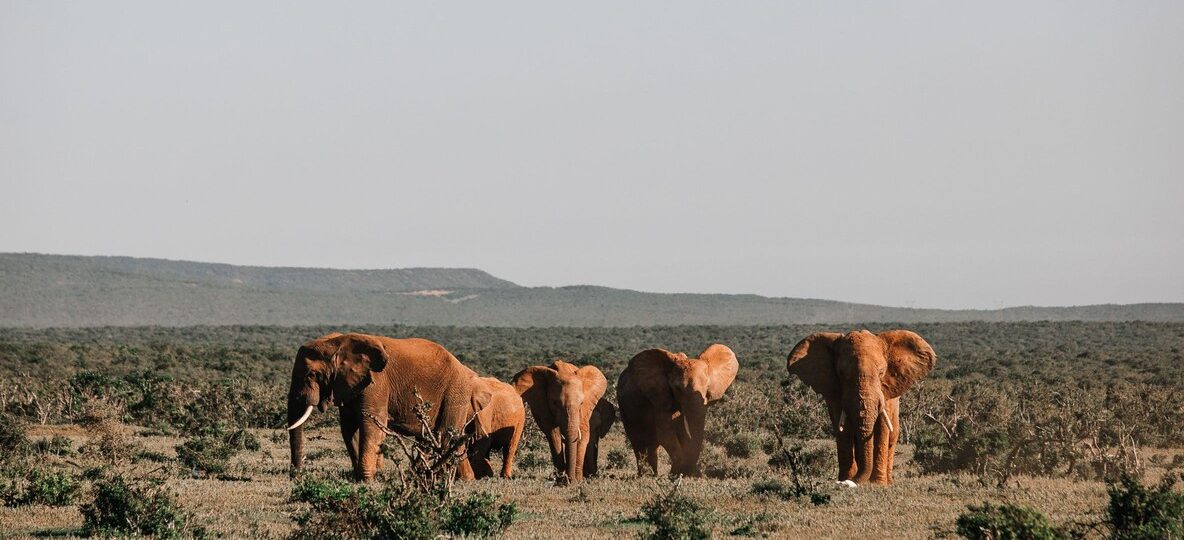
Most visitors come to northern Kenya for the wildlife, and the wildlife does not disappoint. Reticulated giraffe, Grevy’s zebra, the long-necked gerenuk, and elephants crossing the Ewaso Nyiro River all live here. Yet the travellers who leave most changed are usually the ones who looked up from the game drive and met the people who have shared this land for centuries. That is the heart of a Samburu cultural safari.
A Samburu cultural safari is built around connection, not just sightings. You still track lions and photograph elephants. You also sit with elders, learn how a community thrives in semi-arid country, and watch warriors dance under a sky that holds more stars than you have ever seen. At Trunktrails Safaris, we design these journeys so the culture is woven through the whole trip, not bolted on as a thirty-minute photo stop.
This guide explains who the Samburu are, what a respectful village visit looks like, where it all happens, and how to plan a trip that honours both the wildlife and the people. 🐘
Who Are the Samburu People?
Understanding samburu people culture begins with their relationship to cattle, land, and family. The Samburu are a Nilotic, semi-nomadic pastoralist community closely related to the Maasai, and they speak a similar Maa language. They live across the rangelands of north-central Kenya, herding cattle, goats, sheep, and camels through a landscape that demands deep knowledge to survive.
Cattle are wealth, food security, and social standing all at once. A family measures its strength in healthy livestock and in the strength of its bonds. Age sets shape life here, so boys become warriors (morans) through ceremony, and warriors later become respected elders who guide the community’s decisions.
Colour and adornment carry meaning too. The bright red cloth, the layered beadwork, and the ochre worn by warriors all signal age, status, and identity. When you understand these signals, a Samburu cultural safari stops being a spectacle and starts becoming a genuine conversation between visitor and host.
What Happens on a Samburu Cultural Village Visit?
A respectful samburu cultural village visit is slow, welcoming, and led by the community itself. You arrive at a manyatta, a settlement of homes built from a frame of branches and a weatherproof outer skin, often arranged in a protective ring against predators. The visit is hosted by the families who live there, and they decide what to share.
You might learn how a home is built entirely by the women, how fire is made by hand, and how milk and blood traditionally feature in the pastoralist diet. Warriors often perform the adumu, the rhythmic jumping dance, while women sing layered call-and-response songs. Children are usually curious and full of laughter, and elders are happy to answer thoughtful questions through your guide.
Good etiquette matters. Always ask before taking photographs, greet elders first, and buy beadwork directly from the makers when it is offered. Because Trunktrails Safaris works with community-run villages rather than staged tourist sets, the fee you pay supports schooling, water, and conservation in that exact community. That is the difference between watching a culture and supporting one.
Where Does a Samburu Cultural Safari Take Place?
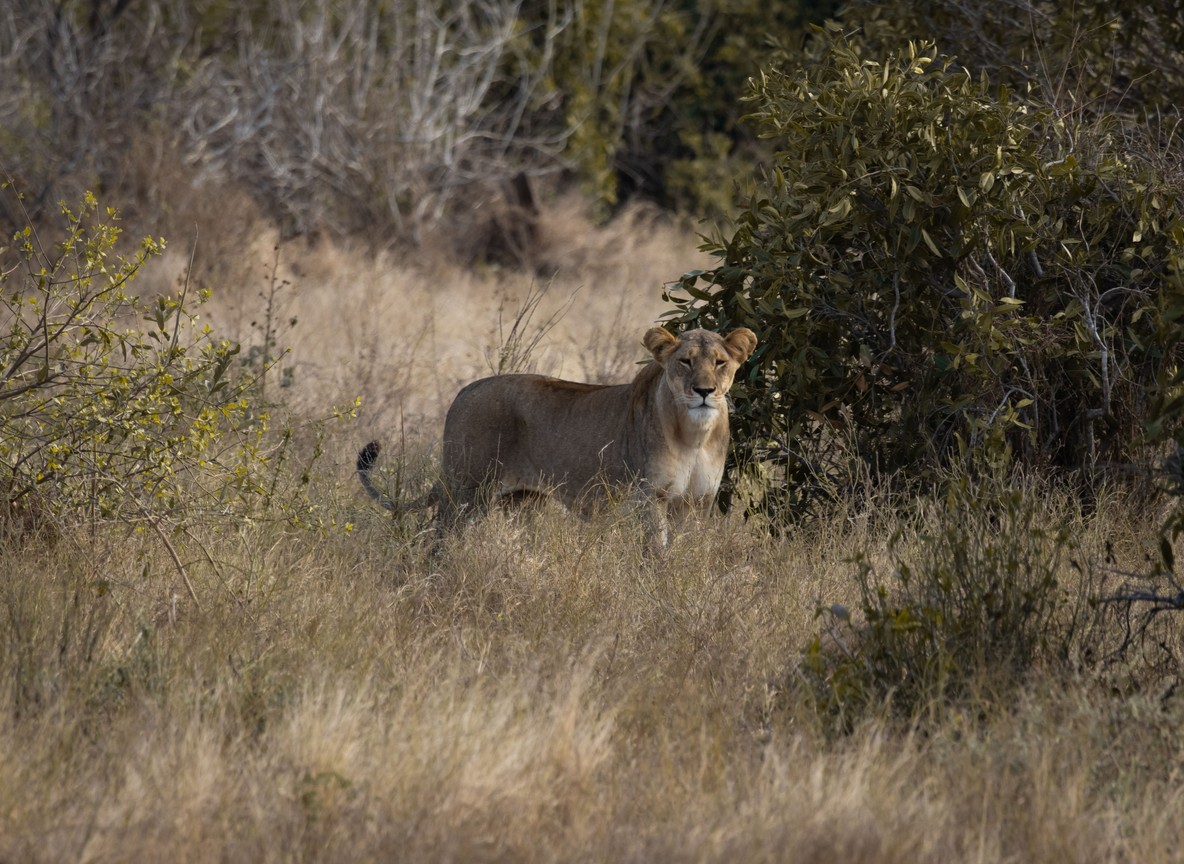
The classic base for this trip is a samburu national reserve safari, set along the Ewaso Nyiro River in Samburu County. The reserve, together with neighbouring Buffalo Springs and Shaba, forms a wildlife-rich corridor of doum palms, red earth, and rugged hills. This is dry, dramatic country, and it feels worlds apart from the green plains of the south.
Beyond the national reserve, several community conservancies in the wider region give an even deeper cultural experience. Places like the Westgate and Kalama conservancies are owned and managed by Samburu communities, so tourism income flows straight back to the families who protect the land. Staying on a conservancy means your game drives, your guides, and your village visits all belong to one connected community story.
Most travellers reach the region by a short flight from Nairobi to an airstrip near the reserve, or by a scenic road journey north past Mount Kenya. Either way, you trade crowded circuits for open space and unhurried days.
| Experience | What You See and Do | Best For | Typical Timing |
|---|---|---|---|
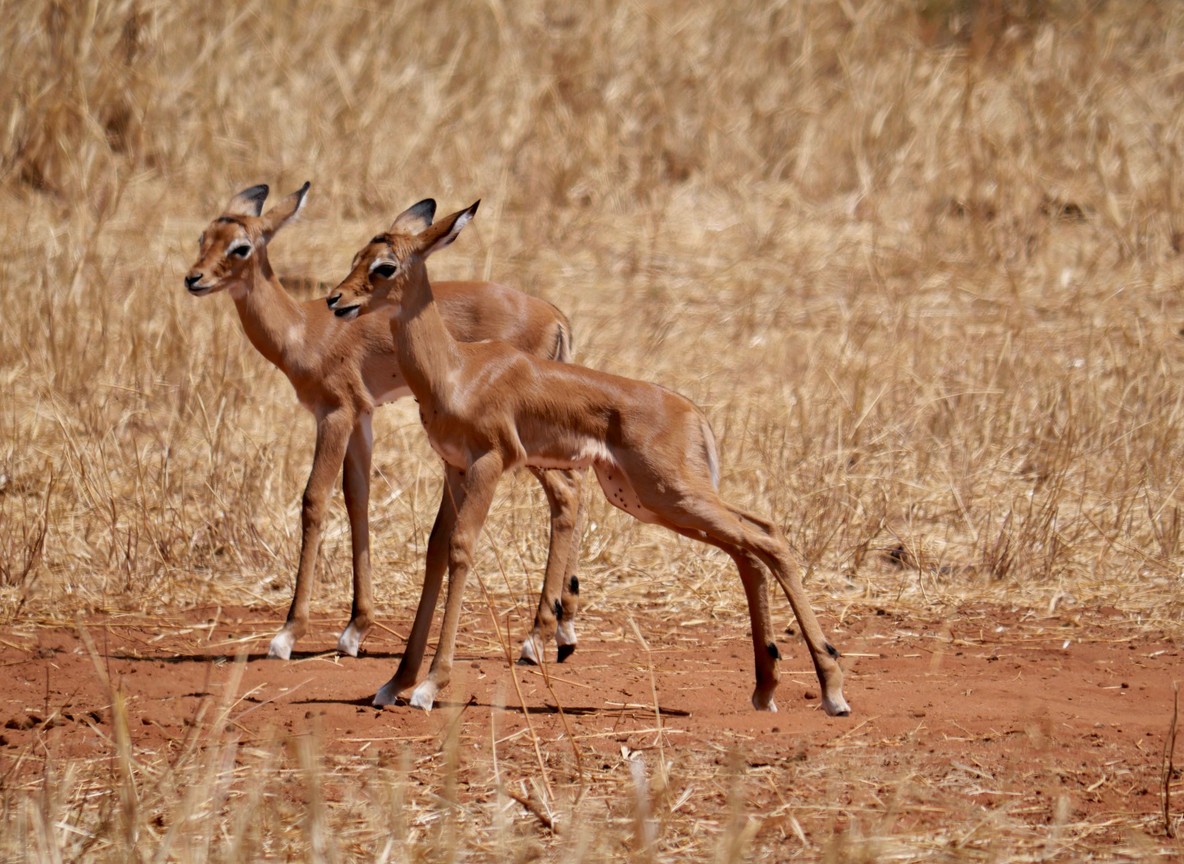
| Game drive in the reserve | Elephants, reticulated giraffe, Grevy’s zebra, gerenuk, big cats | First-time wildlife lovers | Early morning and late afternoon |
| Samburu cultural village visit | Manyatta tour, dances, beadwork, elder conversation | Travellers wanting real connection | Mid-morning or early afternoon |
| Community conservancy stay | Walking safaris, night drives, community-owned camps | Repeat and conservation-minded guests | 2 to 3 nights |
| Singing wells and herding day | Watch warriors water cattle and camels from hand-dug wells | Deep cultural immersion | Dry season mornings |
How the Samburu Tribe Lives Alongside Wildlife
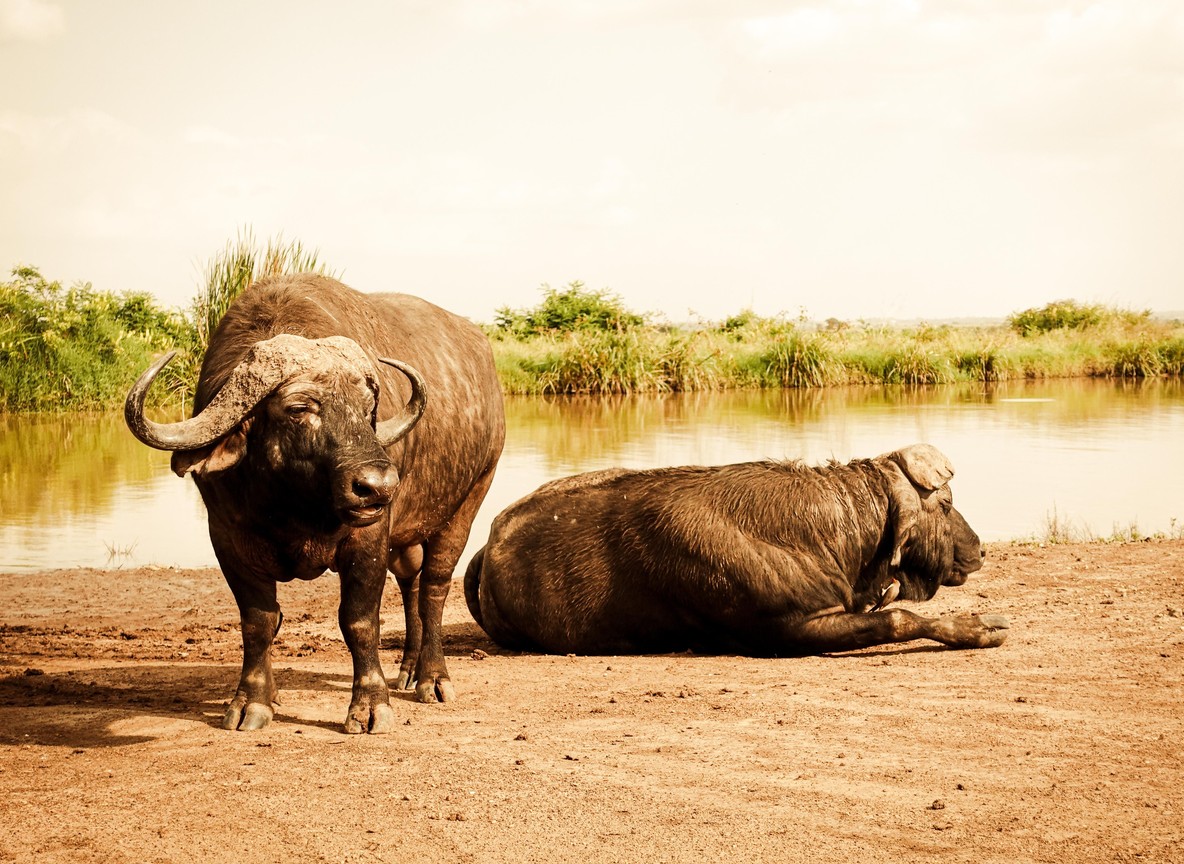
One reason the samburu tribe kenya story matters so much is coexistence. These communities share grazing land with elephants, lions, and leopards, and they have done so for generations. Conflict can happen when a lion takes livestock or an elephant raids a water point, yet the long arc here is one of remarkable tolerance and shared space.
Community conservancies have turned that coexistence into a working model. When wildlife tourism pays salaries, funds clinics, and builds classrooms, protecting animals becomes part of protecting the family. Former hunters become rangers. Grazing is planned so both cattle and wild herds can feed. Visitors see the result: healthy wildlife and a community that benefits directly from its survival.
This is why a thoughtful Samburu cultural safari is also a conservation act. Your presence, booked the right way, gives wildlife a measurable value to the people who live closest to it.
What Makes a Cultural Safari in Kenya Truly Meaningful?
A great cultural safari kenya experience is defined by depth, consent, and benefit. Depth means time: an unhurried afternoon teaches you far more than a rushed stop. Consent means the community chooses what to share and how. Benefit means the money you spend reaches the families you visit.
Watch out for the opposite. A staged village built only for tourists, a fee that vanishes into a middleman, and a visit timed for fifteen minutes between game drives all hollow out the experience. The goal is mutual respect, where you arrive as a guest and leave as a friend of the community.
When you plan with people who live in Kenya and know these communities personally, the difference is obvious. The conversations are warmer, the access is real, and the impact stays local. That is the standard we hold every Trunktrails Safaris journey to.
What Is the Best Time for a Samburu Cultural Safari?
The dry seasons, from June to October and again from December to March, are ideal. Roads are easy, wildlife gathers near the river, and clear skies make for comfortable village visits and brilliant night-sky viewing. These months also coincide with several community ceremonies, though dates vary by family and are never staged for visitors.
The green seasons of April to May and November bring lush scenery, fewer travellers, and lower rates. Some tracks get muddy, yet the landscape is beautiful and the cultural welcome is just as warm. Whichever window you choose, our tours and safaris team will match your dates to the right camp and the right community experience.
The Trunktrails Advantage
At Trunktrails Safaris, we are a native Kenyan-owned operator, and that is the foundation of everything we do. We are not booking your trip from a distant office. Our team grew up in this country, speaks the languages, and has built real relationships with the Samburu communities you will visit. When we say a village visit is genuine, it is because we know the families by name.
We design tours and safaris that put community benefit first. We work with conservancy-owned camps and community-run villages, so your spending supports schools, water projects, and wildlife protection in the exact place you travel. We never use staged cultural sets, and we never treat people as a backdrop.
Every itinerary is tailor-made. You tell us what matters most, whether that is photography, walking safaris, deep cultural time, or a gentle pace, and we build the journey around you. Our tours and safaris are run with honest advice, direct operator support, and a small team that answers your questions personally from the first enquiry to the day you fly home.
We are reachable by WhatsApp, email, and our website seven days a week, and we contribute to conservation on the lands where our guests travel. With Trunktrails Safaris, you get both the wildlife and the human story, told with respect.
Frequently Asked Questions About a Samburu Cultural Safari
Is a Samburu cultural village visit respectful or just a tourist show? It depends entirely on who arranges it. A community-run samburu cultural village visit, hosted by the families who live there, is respectful and beneficial. Trunktrails Safaris works only with genuine community villages, so your visit supports schooling, water, and conservation rather than a staged set.
How many days do I need for a Samburu cultural safari? Three to four days lets you balance game drives with real cultural time. Many guests add the Samburu leg to a wider Kenya trip. A two-night stay is possible but feels rushed once travel time is included.
Can children join a samburu national reserve safari? Yes. Families are welcome, and children often connect quickly with the warm, curious children in the community. We tailor the pace and activities to suit younger travellers.
How do I get to Samburu from Nairobi? The quickest option is a short scheduled flight to an airstrip near the reserve. Alternatively, the road journey north past Mount Kenya takes around five to six hours and is scenic. Trunktrails Safaris arranges all transfers.
Is it safe to travel in the Samburu region? Yes. The reserve and the community conservancies are well managed, guided at all times, and welcoming to visitors. Our team monitors conditions and plans every route with your comfort in mind.
Ready to Meet the Samburu People for Yourself?
The wildlife will move you, but it is the people who will stay with you long after you land back home. A Samburu cultural safari gives you both, and it does it in a way that leaves the community stronger. Let us build the version that fits your pace, your interests, and the kind of connection you are looking for. ✨
Our tours and safaris team is ready to plan your village visits, your game drives, and every transfer in between.
Further reading
📞 WhatsApp: +254 113 208888 📧 Email: info@trunktrailssafaris.com 🌐 Website: https://trunktrailssafaris.com
Send us your dates today, and let us introduce you to the people who make northern Kenya unforgettable. 📸