Segera Rhino Sanctuary: Kenya’s 21-Rhino Translocation and the 840,000-Acre Vision
When the Kenya Wildlife Service and the Zeitz Foundation moved 21 eastern black rhinos onto the Segera Conservancy in 2025, they did more than restock a single reserve. They set the opening move in a plan that could give the critically endangered eastern black rhino a connected 840,000-acre home across Laikipia – the largest dedicated rhino range expansion in Kenya’s history.
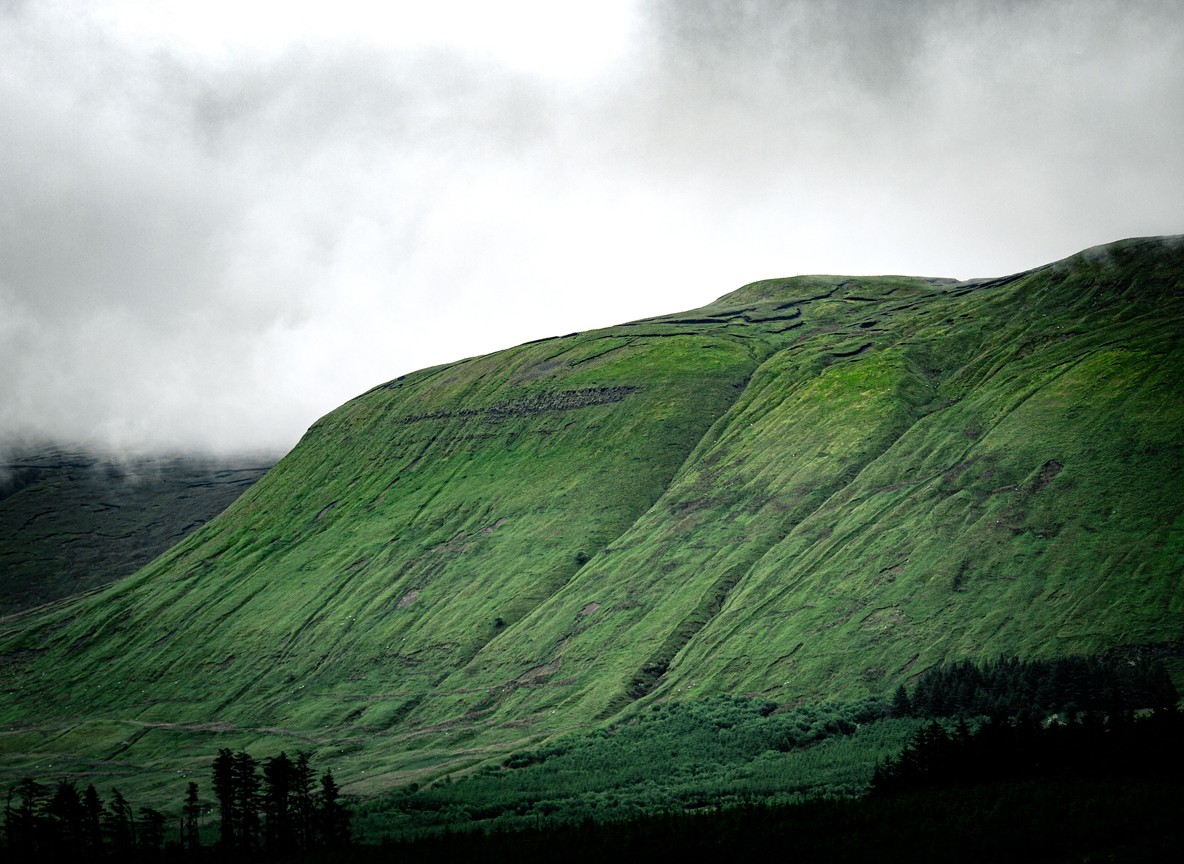
This is the story of the Segera Rhino Sanctuary: why it was chosen, what the science says about creating viable rhino populations, what the planned El Karama corridor means for long-term survival, and why Trunktrails Safaris tours and safaris in Laikipia are also a conservation act.
What Is the Segera Rhino Sanctuary?
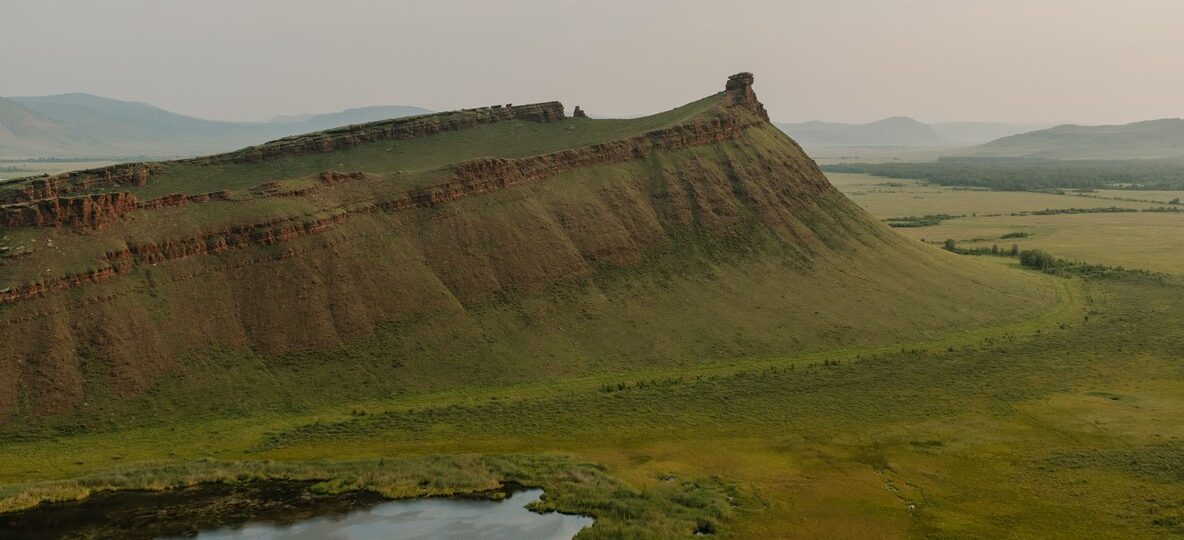
The Segera Rhino Sanctuary sits within the 50,000-acre Segera Conservancy in Laikipia County – a privately managed landscape in Kenya’s Rift Valley highlands, north of the Aberdares. The conservancy is owned and managed by the Zeitz Foundation, the philanthropic arm of Jochen Zeitz, co-founder of the B Team and former CEO of PUMA.
The foundation operates under a model it calls CCCC: Conservation, Community, Culture, and Commerce. Every business decision on the property – tourism, land management, anti-poaching strategy – is required to advance all four pillars simultaneously. The rhino sanctuary is the conservation pillar’s most visible commitment.
The Zeitz Foundation secured formal sanctuary status from KWS in 2024, after years of infrastructure investment: perimeter fencing, water points, ranger recruitment, and community liaison. The 2025 translocation was not a spontaneous event. It was the payoff of a five-year preparation cycle.
The 2025 Translocation: What Happened
The 21 eastern black rhinos moved to Segera in 2025 represent one of the largest single translocations in Kenya’s recent history. KWS coordinated the operation under the Kenya Rhino Range Expansion Plan, which targets a specific problem: most of Kenya’s black rhinos are concentrated in a small number of fenced sanctuaries, creating genetic bottlenecks and limiting natural population growth.
Eastern black rhinos (Diceros bicornis michaeli) are a subspecies found only in East Africa. Kenya holds the largest population of any country – roughly 900 individuals as of 2024, according to KWS census data. Of those, a significant proportion live in just three or four reserves. The range expansion plan aims to redistribute animals across a wider network of proven, secure habitats, reducing the risk that a single disease event, drought, or poaching surge could devastate the national population.
Segera qualified for receiver status on three criteria that KWS uses to evaluate candidate sites:
| Evaluation Criterion | Segera Status |
|---|---|
| Secure perimeter fencing | Completed 2024 |
| Anti-poaching team in place | Active unit + KWS liaison |
| Water and habitat carrying capacity | 50,000 acres; adequate browse and water points |
| Community agreement with adjacent landowners | MOU signed with Maasai conservancies |
| KWS monitoring compliance | Annual count and ear-notch ID system agreed |
All five criteria were met before the first rhino was loaded onto a transport truck.
Why Eastern Black Rhinos Need New Range
The eastern black rhino is not recovering evenly. Population counts have grown from historic lows of around 300 in the 1980s to approximately 900 today – a genuine success story driven by KWS, the Kenya Wildlife Trust, and private conservancy owners. But geneticists tracking the subspecies are watching for inbreeding depression: when a small, isolated population breeds within itself for multiple generations, genetic diversity falls, reproductive success drops, and the group becomes more vulnerable to disease.
Creating new populations on separated rangelands – with occasional controlled transfers to mix bloodlines – is the standard tool conservation scientists use to manage this risk. The International Union for Conservation of Nature’s African Rhino Specialist Group recommends that any viable black rhino population contain at least 50 breeding individuals to maintain genetic health over the long term.
Twenty-one animals is a founding cohort, not a finished population. The goal is to grow that group to 50 or more within 15 to 20 years, then use Segera as a source population for future translocations.
The 840,000-Acre Vision: El Karama and the Laikipia Corridor
The 50,000-acre Segera Conservancy is the anchor point, not the endpoint. KWS’s Kenya Rhino Range Expansion Plan envisions a connected landscape extending across Laikipia that would eventually link Segera with El Karama Ranch to the north – creating a combined conservation zone approaching 840,000 acres.
El Karama Ranch is an existing Laikipia conservancy with its own wildlife management infrastructure and a multi-decade track record of anti-poaching success. A wildlife corridor between Segera and El Karama would allow rhinos to move between the two properties without crossing unprotected land, enabling natural gene flow without the stress and cost of repeated translocations.
The corridor design faces practical challenges: private landholdings between the two properties, road crossings, and competing agricultural land use. KWS and the Zeitz Foundation are working through a phased negotiation with intervening landowners, using conservation easements and community benefit-sharing agreements as the primary tools.
This approach – private-public conservation finance rather than land nationalisation – is the model Kenya has used successfully in the Mara ecosystem. Whether it scales to Laikipia’s more complex land tenure picture will be one of the defining tests of the Range Expansion Plan.
Laikipia as a Conservation Landscape
Laikipia County is one of Kenya’s most important wildlife landscapes outside the formal national park system. It supports Kenya’s second-largest elephant population, significant populations of Grevy’s zebra (Africa’s most endangered zebra species), African wild dog, reticulated giraffe, and several lion prides. Rhino presence on Segera connects to this broader ecosystem rather than sitting in isolation.
The Laikipia Plateau has also pioneered the community conservancy model – where Maasai, Samburu, and Kikuyu landowners pool their land under a single wildlife management umbrella while retaining title and receiving revenue from tourism and carbon credits. The communities surrounding Segera are participants in, not bystanders to, the rhino programme. Community rangers make up a portion of the anti-poaching team. Revenue from safari visitors on the conservancy funds both the wildlife programme and community development projects.
Conservation-minded travellers consistently find Laikipia more satisfying than a high-throughput national park visit because the connection between guest revenue and wildlife outcomes is direct and measurable.
What Visitors Experience at the Segera Rhino Sanctuary 🦏
Tourism at Segera is deliberately limited. The conservancy operates Segera Retreat, a small luxury lodge whose guest numbers are capped to limit pressure on the wildlife. Rhino tracking is done on foot with experienced trackers and an armed KWS ranger – not from a vehicle. The intimacy of the experience is a function of the density of wildlife and the conservation model.
Guests who visit the rhino sanctuary as part of a Laikipia itinerary typically see:
- Rhino tracking sessions at dawn, with the option to observe ear-notch identification that connects individual animals to the KWS national database
- Briefings from the Zeitz Foundation’s conservation staff on population targets and genetic management strategy
- Community visits to the Maasai settlements that border the conservancy
- Optional participation in ranger patrol monitoring, habitat restoration, or water point maintenance
This is not a zoo visit. The rhinos are not habituated to vehicles or crowds. A sighting is the result of skill, preparation, and a degree of luck – which is exactly what conservation-minded travellers say they prefer.
The Trunktrails Advantage in Laikipia 🌍
Trunktrails Safaris builds Laikipia itineraries that go beyond a single-lodge stay. When you book a Laikipia safari through Trunktrails Safaris, you travel between complementary conservancies – Segera, Lewa, Ol Pejeta, El Karama – in a sequence that shows you the full range of Kenya’s northern wildlife corridor rather than a single snapshot.
Our guides understand the rhino programme, the corridor ambitions, and the community structures around each conservancy. Every Laikipia route we design includes a conservation briefing so you arrive knowing exactly what you are looking at and why it matters.
Trunktrails Safaris offers:
| Service | Details |
|---|---|
| Laikipia multi-conservancy safaris | 4-10 night routes combining Segera, Lewa, El Karama, Ol Pejeta |
| Conservation briefing add-on | Pre-departure call with a conservation partner in Laikipia |
| Private vehicle | No shared vehicles; depart at first light for best tracking conditions |
| Custom photography packages | For wildlife photographers documenting the rhino programme |
| Group and family pricing | Available for conservation organisations, schools, and NGO teams |
Our Laikipia tours and safaris are designed so that the tourism spend directly benefits the conservation programmes you come to witness. When you pay for a Trunktrails Safaris Laikipia itinerary, a portion of the conservancy fees goes directly to the KWS ranger payroll and the community benefit fund.
Every Trunktrails Safaris Laikipia booking contributes to the economics that make the Segera Rhino Sanctuary viable. Without consistent tourism revenue, the security model and community engagement cannot be sustained.
What the Segera Model Means for Kenya’s Rhino Future
Kenya’s black rhino population is one of conservation’s genuine wins – a species pulled from the edge and now growing. But the next chapter is harder: building connected, genetically diverse populations across multiple landscapes, in a country where land is finite and human pressure is real.
The Segera Rhino Sanctuary is not just a 50,000-acre fenced reserve with 21 animals in it. It is the proof-of-concept node for a network that, if the El Karama corridor is completed, would give eastern black rhinos a home large enough to sustain natural population dynamics for generations.
Trunktrails Safaris follows this work because our clients deserve to know whether the conservation story they are buying into is real. Based on the science, the KWS oversight, and the 2025 translocation results, the Segera programme meets that test.
The Trunktrails Advantage
Kenya has many wildlife destinations. Laikipia offers something most cannot: a conservation programme large enough to matter, with science-backed population management and a direct link between your visit and the survival of one of Africa’s most threatened species.
Trunktrails Safaris is a Kenyan-owned operator based in Nairobi. We build Laikipia tours and safaris around exactly this kind of destination and connect travellers with conservation outcomes they can verify.
If the Segera Rhino Sanctuary, the El Karama corridor, or the Kenya Rhino Range Expansion Plan is why you want to visit Laikipia, talk to us. We will build you an itinerary that earns that interest.
Contact Trunktrails Safaris:
Further reading
- WhatsApp: +254 113 208888
- Email: info@trunktrailssafaris.com
- Website: trunktrailssafaris.com
The 21 rhinos are already on the land. The corridor is being planned. The question is whether the tourism model can generate enough consistent revenue to make both sustainable. That is the MOVE your next safari can make. 📸
Image credits: Photo by Julia Volk on Pexels; Photo by atelierbyvineeth . . . on Pexels; Photo by Taryn Elliott on Pexels; Photo by Thái Trường Giang on Pexels; Photo by Pablo Melo on Pexels