Mount Kenya Wildlife Conservancy: Kenya’s Newest Rhino Sanctuary
In June 2026, Kenya marked a quiet but meaningful milestone. The new mount kenya rhino sanctuary at the Mount Kenya Wildlife Conservancy near Nanyuki became the country’s 20th official rhino refuge. Three southern white rhinos were translocated there earlier in the year. This is conservation in motion, and it matters far beyond a single fenced valley. For travelers who want their trip to mean something, this story is worth knowing. 🌍
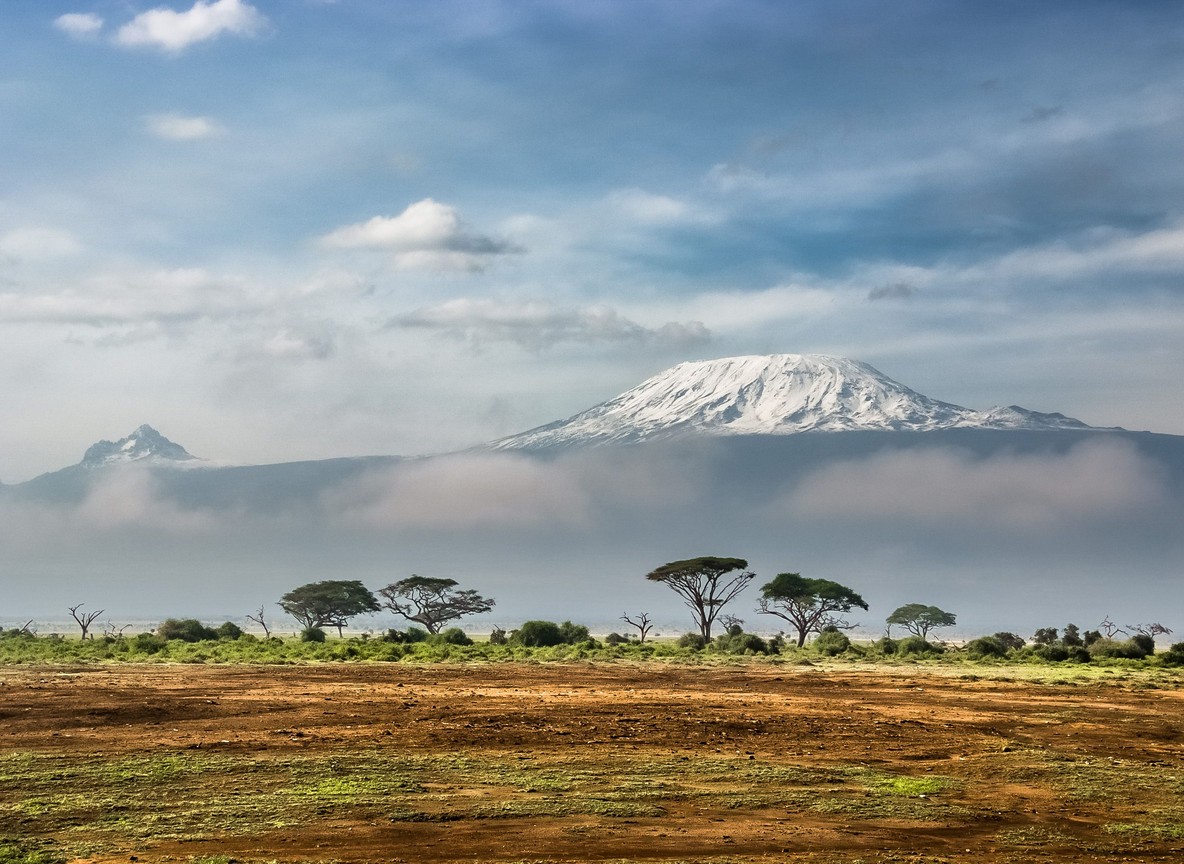
The conservancy sits on the cool, forested slopes below Kenya’s highest peak. Because the climate is mild and the grazing is good, it suits white rhinos well. Moreover, the location places rhino recovery within reach of everyday visitors. You do not need a remote bush plane to witness it.
What Is the Mount Kenya Wildlife Conservancy?
The Mount Kenya Wildlife Conservancy is a long-standing nonprofit at the foot of the mountain. For decades it has cared for orphaned and endangered animals. In addition, it runs breeding programs for rare species and supports local education. Now it carries a new responsibility as a state-recognized rhino zone.
This recognition did not happen by accident. Kenya Wildlife Service reviewed fencing, security, water, and habitat before approving the site. Consequently, the conservancy upgraded patrols and monitoring ahead of the 2026 arrivals. The result is a secure home where rhinos can settle, breed, and eventually expand the national herd.
It helps to separate two nearby names. The luxury lodge known as the JW Marriott Mount Kenya Rhino Reserve is a place to stay. The conservancy itself is the working sanctuary. Trunktrails Safaris plans trips that connect both, so you sleep well and still see real conservation up close.
Why Does the White Rhino Translocation Kenya Watched Matter?
A white rhino translocation Kenya conservationists planned for years finally happened in 2026. Moving a rhino is delicate work. First, vets sedate the animal under strict veterinary watch. Then a crane and a custom crate lift it onto a flatbed truck. Throughout the journey, a team checks breathing, temperature, and heart rate.
Three southern white rhinos made the trip to Mount Kenya. Each animal was chosen for genetic diversity and breeding potential. Because founder genetics shape a herd’s long-term health, this selection is part science and part strategy. Afterward, the rhinos spend weeks in a holding boma before release into the wider sanctuary.
These moves are never routine. Still, Kenya has refined the method over many years. As a result, translocation survival rates have climbed sharply. Every successful move spreads risk across more sites, so a single disease outbreak or poaching wave cannot wipe out the species.
White Rhino or Black Rhino? Species Facts You Should Know
Many visitors confuse Kenya’s two rhino species. The difference is easy to learn, however, and it makes any sanctuary visit richer. The southern white rhino is a grazer with a wide, square lip built for cropping grass. The eastern black rhino is a browser with a hooked lip for pulling leaves and twigs.
The table below sums up the key facts. Use it to know exactly what you are seeing.
| Feature | Southern White Rhino | Eastern Black Rhino |
|---|---|---|
| Lip shape | Wide, square (grazer) | Hooked, pointed (browser) |
| Temperament | Calmer, more social | Shyer, more solitary |
| Kenya status | Recovering population | Critically endangered |
| Found at Mount Kenya | Yes (2026 arrivals) | Not at this sanctuary |
| Habitat preference | Open grassland | Dense thicket and scrub |
Importantly, the Mount Kenya arrivals are southern white rhinos, not the famous northern white rhinos. Only two northern white rhinos remain on Earth, both at Ol Pejeta. The two groups are different and should never be mixed up.
How the Mount Kenya Rhino Sanctuary Fits Kenya’s Recovery Plan
Kenya runs a national plan to grow its rhino numbers steadily and safely. The mount kenya rhino sanctuary now plays a direct role in that plan. Each new sanctuary eases pressure on crowded older reserves. In turn, breeding can speed up when animals have more space.
Kenya’s black rhino population has climbed back above 1,000 after near collapse in the 1980s. The country’s white rhino numbers sit in the high hundreds and keep rising. Therefore every secure new site, including this one, pushes those figures higher. The goal is simple but ambitious: more rhinos, in more places, all year round.
Trunktrails Safaris follows this strategy closely so our guests get accurate, current facts. We avoid the recycled myths you sometimes hear on cheaper tours and safaris. Instead, our guides explain the real numbers and the real progress.
Things to Do at Mount Kenya Wildlife Conservancy
When you plan things to do at Mount Kenya Wildlife Conservancy, expect more than a photo stop. The site is built for learning, not just looking. Guided walks let you meet rescued animals and hear each story from the keepers who know them best.
Here is what a typical visit can include:
- A guided rhino viewing session with a trained ranger
- Tours of the animal orphanage and breeding pens
- Birdwatching across forest edge and wetland habitats
- Talks on anti-poaching technology and rhino monitoring
- Family-friendly conservation education for younger travelers 📸
Because the conservancy sits near Nanyuki, you can pair a visit with town stays and day trips. Many guests combine it with a wider Nanyuki itinerary. Trunktrails Safaris arranges transfers, timing, and entry so the day runs smoothly from start to finish.
In addition, the keepers welcome thoughtful questions. So come ready to ask about diet, health checks, and how each rhino is tracked. The more you understand, the more the visit stays with you long after you head home.
When Is the Best Time to Visit?
The conservancy welcomes guests year-round, yet some months feel easier. Kenya’s dry seasons, from June to October and again from December to March, bring clearer roads and better viewing. During the rains, the forest is lush but tracks can turn muddy.
Mornings are usually cooler and calmer, so wildlife moves more. For that reason, an early start often gives the best sightings. Bring a warm layer, since the Mount Kenya slopes can feel chilly even on a sunny day. ✨
| Season | Months | What to Expect |
|---|---|---|
| Long dry | Jun to Oct | Cool, clear, best access |
| Short rains | Nov | Green flush, some mud |
| Short dry | Dec to Mar | Warm days, good viewing |
| Long rains | Apr to May | Lush forest, fewer crowds |
How Conservation Travelers Can Support This Rhino Sanctuary Kenya Trusts
A rhino sanctuary Kenya trusts depends on steady funding and visitor support. Your entry fee already helps. Beyond that, give-back travelers can do more. You might sponsor an animal, fund a ranger patrol, or join an education day with the conservancy team.
These contributions are not symbolic. Rangers, veterinary care, fencing, and tracking gear all cost real money every month. Therefore each responsible visit keeps the lights on and the patrols moving. When you travel this way, your holiday becomes part of the rhino recovery story.
Give-back travel also sends a wider signal. Every funded patrol shows poachers that these animals are watched and valued. Likewise, it tells nearby communities that protecting wildlife brings real income. Over time, that shared stake is what keeps a sanctuary safe.
For travelers who want to compare options, our guide to the rhino sanctuary scene in Kenya lays out the choices clearly. You can also read about rhino tracking at Ol Pejeta Conservancy for a different kind of encounter.
The Trunktrails Advantage
Trunktrails Safaris is a native Kenyan-owned operator, and conservation sits at the heart of what we do. Because we are local, we know which sanctuaries run real programs and which simply market the word. We send our guests where the science is sound and the rangers are working.
Our team builds every itinerary around accuracy and respect for wildlife. We never crowd the animals, and we never invent badges or claims we do not hold. Instead, we connect you with verified partners and explain exactly where your money goes. That honesty is why repeat travelers choose our tours and safaris year after year.
We also keep group sizes small, so each guest gets time with the guides and the animals. From your first message to your final transfer, Trunktrails Safaris handles the details. You focus on the experience while we manage the logistics of memorable tours and safaris.
Plan Your Visit to the Mount Kenya Rhino Sanctuary
Here is a credential worth holding onto: with the 2026 arrivals, Kenya now protects rhinos across 20 official sanctuaries, and the national black rhino herd has recovered past 1,000 animals from the brink of the 1980s. The mount kenya rhino sanctuary is the newest chapter in that comeback, and you can be part of it. 🐘
Further reading
Take the next step today. Message Trunktrails Safaris on WhatsApp at +254 113 208888 to start planning your conservation trip. Email us at info@trunktrailssafaris.com with your travel dates, or browse more journeys at trunktrailssafaris.com. Your visit funds the patrols, the vets, and the future of Kenya’s rhinos.