
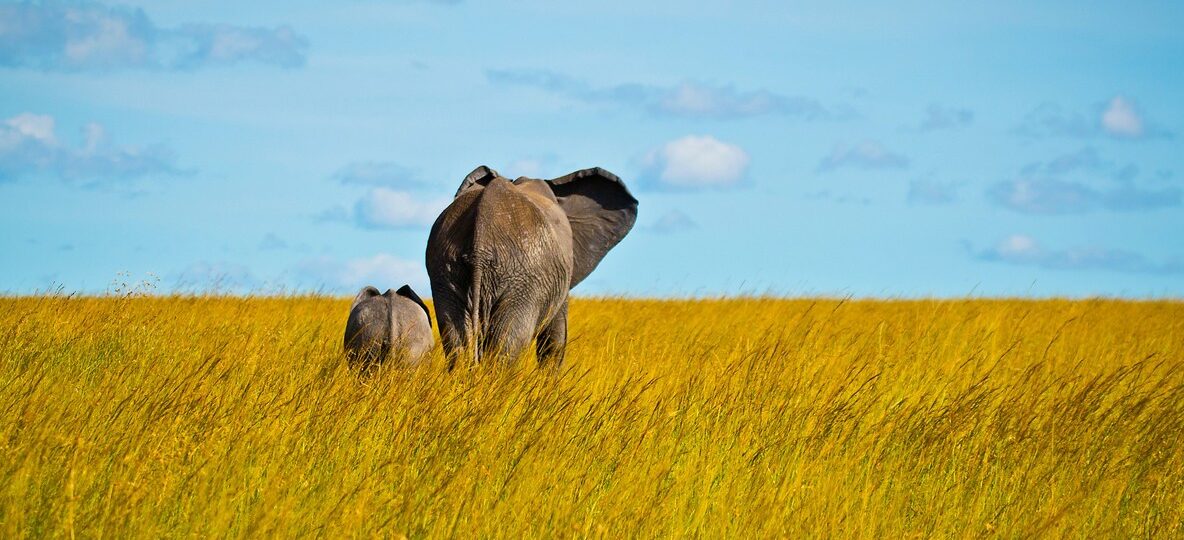
Golden Hour on Safari: How to Shoot Kenya Wildlife in the Best Light
The kenya golden hour photography safari window is ruthlessly short: roughly 45 minutes after sunrise and again before sunset. That narrow window is the difference between a record shot and a frame you will print and hang. That warm, directional light wraps lion fur in amber, turns dust clouds into fire, and gives elephant skin the texture of old oak. No filter replicates it. No editing preset gets you there from a midday flat image. You have to be in position before it arrives. 🌅
At Trunktrails Safaris, our guides track predator movement every morning. They know which kopje faces east, which crossing point catches the last river light, and exactly when the sun clears the Oloololo Escarpment. This guide distills that field intelligence into a practical technique framework you can use on your next Kenya photography safari.
Why Golden Hour Matters More on Safari Than Anywhere Else
Golden hour wildlife photography is not simply a preference. It is a biological intersection. The two daily light windows align almost perfectly with peak predator and prey activity. Lions hunt at dawn and dusk. Elephants move to water holes in early morning. Birds display in the hour after sunrise. Leopards descend from trees as the heat drops late afternoon.
When you understand this overlap, your positioning decisions stop being about aesthetics and start being about probability. The photographer who is already at the crossing when the golden light hits the wildebeest herd has not been lucky. They planned it.
The quality of light also changes the physics of your shot. At golden hour the sun sits 6 to 10 degrees above the horizon. That low angle extends shadows, separates subject from background, and reduces the contrast ratio that causes blown highlights on fur. Your camera’s sensor can capture shadow detail and highlight detail in the same frame without HDR processing. You simply cannot achieve that at 10 AM in the Mara.
The Two Windows: What Each Gives You
Understanding the difference between morning and evening golden hour helps you prioritise your game drive schedule.
| Window | Light quality | Typical activity | Best for |
|---|---|---|---|
| Morning golden hour | Cool amber, rising from east | Predators returning from hunts, birds active, herds watering | Action shots, lions, cheetah, raptors |
| Evening golden hour | Warm orange-red, setting west | Elephants moving to water, hippos emerging, dramatic skies | Environmental portraits, silhouettes, birds |
Morning light is generally crisper because the atmosphere has not yet accumulated the dust and haze that afternoon heat stirs up. Serious wildlife photographers at Trunktrails Safaris tours and safaris tend to weight morning drives more heavily for technical image quality, saving the evening window for silhouette and mood work.
Safari Camera Settings Kenya: Your Golden Hour Baseline
Wildlife photography lighting kenya conditions change minute by minute as the sun rises or sets. You cannot afford to review your histogram after every frame. Build a mental settings ladder you can climb automatically.
30 minutes before sunrise (pre-dawn, ISO-heavy):
- ISO: 6400-12800 (accept the grain; it is better than motion blur)
- Aperture: f/4 to f/5.6 (your widest for speed, but you want some depth)
- Shutter: 1/400 as your floor for moving animals
- Focus mode: continuous (AI Servo on Canon, AF-C on Nikon/Sony)
First 15 minutes of golden light (the magic window):
- ISO: Drop to 800-1600 as ambient rises
- Aperture: f/5.6 to f/8 (you can now afford depth and sharpness)
- Shutter: 1/800 to 1/1600 for birds and running cats
- Exposure compensation: -0.3 to -0.7 stops to protect highlights on warm fur
30-45 minutes after sunrise (light rising, haze building):
- ISO: 400-800
- Aperture: f/8 to f/11
- Shutter: match to subject speed; 1/500 for walking animals
- White balance: Shade or Cloudy setting keeps the warm tones; do not let Auto WB cool the image
The reciprocal of these settings applies in the evening, run in reverse as light drops.
Positioning Strategy: Where to Be Before the Light Arrives
Kenya photography safari tips from experienced guides almost always return to the same truth: position beats equipment. A photographer with a crop-sensor camera in the right spot outperforms a full-frame shooter who arrives at the kopje after the light has already gone.
Work with your guide to identify these high-probability golden hour locations:
Mara River crossings (July-October): The north bank faces southwest. During the morning window, the light catches the faces of wildebeest as they climb the bank. Ask your guide to position the vehicle on the north bank, north of the crossing point, so animals climb toward your lens.
Amboseli plains: Kilimanjaro shows a pink alpenglow cap for approximately 20 minutes at sunrise. Elephant herds begin moving across the open plain before 6:30 AM. A wide environmental shot with mountain, elephant, and morning sky is only possible in a 10-minute window.
Samburu riverbank: The Ewaso Nyiro River runs east to west. Morning light hits the east-facing bank, where reticulated giraffe come to drink. Late afternoon light is on the opposite bank.
Ol Pejeta Conservancy: White rhino are most active in the very early morning. The open grasslands have no shade obstacles, so the low-angle light is unobstructed. Position facing north in the morning to avoid shooting into the sun.
Golden Hour Bird Photography in Kenya: A Specialist Window
Serious shooters who come to Kenya for golden hour bird photography have a short list of target species that are almost impossible to capture well outside these windows. 🐦
The lilac-breasted roller perches on prominent branches and utility poles throughout the Mara ecosystem. At golden hour, that iridescent plumage catches the warm light and produces saturated colour that no post-processing can match at midday. Settings: f/5.6, 1/1600, ISO 400. Wait for the bird to turn its head. It will.
African fish eagles call from dead trees over water. They are most vocal at sunrise. Position with the sun behind you and the tree in front. The fishing strike, when it happens, requires a minimum of 1/2000 shutter.
The Abdim’s stork migration through Amboseli (March-April) creates aerial formations that are best captured at golden hour against a pink sky with a 100-400mm or 200-600mm lens stopped down to f/8.
Wildlife Photography Lighting Kenya: Reading the Scene Before You Shoot
Most photography failures on safari happen because the shooter reacts instead of anticipates. Wildlife photography lighting kenya field discipline is about reading the scene before you press the shutter.
Check these before you compose:
Direction of light vs. direction of subject movement. If a cheetah is moving right-to-left and the light is coming from your left, you will get a beautifully lit face as it moves toward the light. If it turns and runs away from the light, you are shooting backlit fur. Decide before it starts running.
Background tone. Golden hour produces deep shadow zones behind subjects. A lion against a shadow-dark acacia background separates cleanly. The same lion against a bright sky at the same light angle creates a semi-silhouette. Both are valid creative choices, but they require different exposure settings. Expose for the subject against dark background; expose for the sky against bright background and let the animal go to silhouette.
Dust and atmosphere. In the dry season (January-February and July-October), vehicle and animal movement raises dust. At golden hour that dust catches and scatters warm light. It reads as atmosphere in a wide environmental shot. It reads as haze in a tight telephoto shot. If you are shooting tight, wait for the dust to settle or move to windward.
The Trunktrails Advantage
Trunktrails Safaris runs dedicated photography-optimised game drives that depart 30 minutes before standard drive times. That gap is not trivial. It means your vehicle is already stationary at a known predator location when the golden light arrives, while other vehicles are still leaving camp.
Our guides carry real-time movement reports from Mara conservancy rangers. When a leopard was spotted at dusk the previous evening, your morning drive routes toward that territory before the light rises. We know which side of the vehicle to position for optimal shooting angles at specific locations in each park.
All Trunktrails Safaris tours and safaris photography packages come with:
- Modified pop-top vehicles with full 270-degree rotation for seated-level shooting
- Bean bag stabilisers at every seat
- Maximum four guests per vehicle (no middle-seat compromise)
- Guides trained in photography timing, not just species identification
- Morning and evening drive timing calibrated to seasonal golden hour windows
Every park has different golden hour geometry based on terrain, tree line, and terrain elevation. Trunktrails Safaris tours and safaris guides brief guests on location-specific positioning the night before each drive. You arrive knowing where to point your lens before the light arrives. 📸
Plan Your Kenya Golden Hour Photography Safari
The kenya golden hour photography safari window does not wait. Pre-planning the specific light angles, animal movement patterns, and drive positioning for your particular travel dates is the work that produces stand-out images.
Tell us your target species, your gear setup, and your travel dates. We will map the golden hour geometry for each park on your itinerary and build game drive schedules around the best light windows of your specific season.
Contact Trunktrails Safaris today:
Further reading
- WhatsApp: +254 113 208888
- Email: info@trunktrailssafaris.com
- Website: https://trunktrailssafaris.com
Photographers who have pre-planned with Trunktrails Safaris return with images their gear always had the technical capacity to produce. They just never had the field knowledge to put the right light behind them at the right moment. 🌍
Book your kenya golden hour photography safari with Trunktrails Safaris. The light will not wait. Neither will the leopard.

