Kenya Green Season Safari: Why Smart Travelers Are Choosing April to June
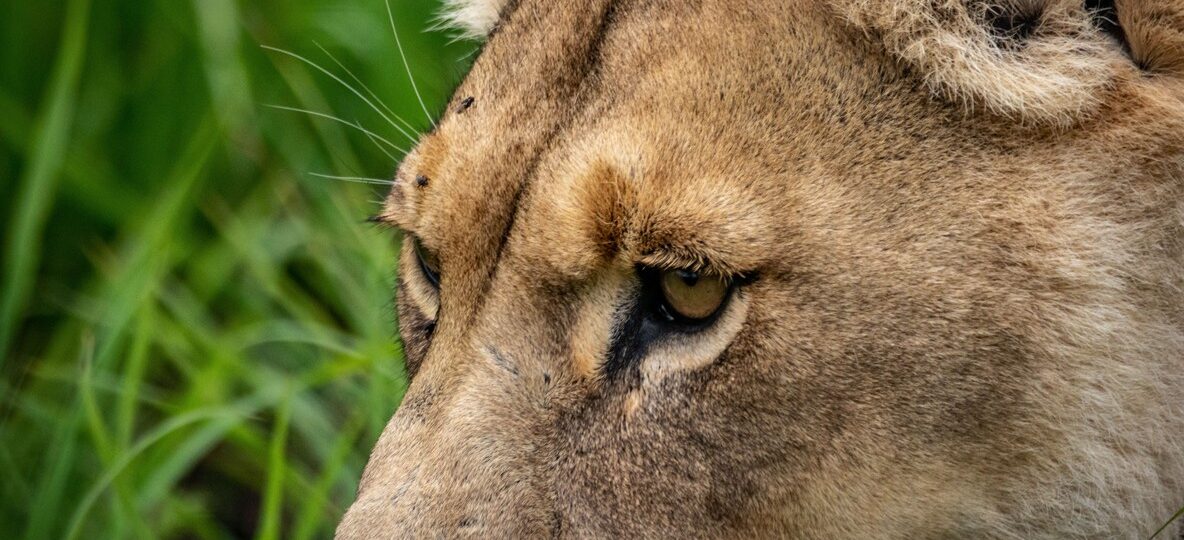
The Masai Mara looks completely different in May. The grasses are tall and impossibly green. Acacia trees hold their full canopy. Cheetahs rest in the shade of flowering bushes. And the conservancy roads? You might not see another vehicle for two hours.
This is the kenya green season safari window — April through June. Camp rates drop 30 to 40 percent. Wildlife stays year-round. The photography light is extraordinary. Yet most first-time visitors skip it entirely because they worry about rain.
They shouldn’t. Trunktrails Safaris runs tours and safaris through green season every year, and this guide covers exactly what to expect, what to budget, and how to get the most out of it.
What Is Kenya Green Season and When Does It Run?
Kenya has two rainy seasons. The long rains (masika) fall from late March through May. The short rains (vuli) arrive in October and November. Green season refers primarily to the April-June window, though some operators extend it to include November.
During green season:
- Daily rainfall is typically short and intense, rarely lasting more than two to three hours
- Morning and afternoon game drives remain fully operational
- Grass grows rapidly, transforming dusty plains into landscapes of vivid green
- Migratory birds arrive from Europe and Central Asia in large numbers
- Wildflowers bloom across highland areas including the Aberdares and Mount Kenya foothills
What changes is not whether you can see wildlife — animals are present throughout the year. What changes is the visual density of vegetation and the quality of light.
How to Do a Kenya Safari on a Budget: Green Season Is Your Biggest Lever
If you want to know how to do a kenya safari on a budget, the answer starts with timing. Green season delivers the single largest discount window in the Kenyan safari calendar.
Here is what the numbers look like in practice:
| Camp Category | Peak Season Rate (July-Oct) | Green Season Rate (Apr-Jun) | Saving |
|---|---|---|---|
| Budget tented camp | $180-$220/night | $110-$140/night | 30-38% |
| Mid-range lodge | $350-$500/night | $210-$320/night | 32-40% |
| Premium conservancy camp | $750-$1,200/night | $450-$750/night | 35-40% |
| Private luxury villa | $1,500+/night | $900-$1,100/night | 30-35% |
All rates are per person sharing, full board, including game drives. These are representative ranges based on properties Trunktrails Safaris works with directly — actual rates vary by property and booking window.
Flight costs often drop too. April and May see lower demand on Nairobi routes, so you can stack airline savings on top of camp discounts.
Safari Kenya April May June: What Wildlife Will You Actually See?
The migration is the single biggest driver of peak season demand. The wildebeest crossing at the Mara River happens from July through October. If that specific spectacle is your primary goal, green season is not the right timing — see our Kenya safari June guide for the pre-crossing build-up window instead.
For every other wildlife experience, green season holds its own.
Masai Mara and Mara Conservancies (April-June):
- Resident lion prides are highly active — cubs born in January-February are now three to four months old and visible at dens
- Cheetah sightings increase because cats use tall grass for concealed hunting, and guides know exactly where to look
- Elephants congregate around permanent water sources and are seen in larger herds
- The conservancies north of the Mara — Olare Motorogi, Mara North, Naboisho — remain almost entirely private during green season, with vehicle ratios dropping to near-zero on most mornings
Amboseli (April-June):
- Kilimanjaro clears dramatically after rain, producing the classic elephant-with-mountain shot that most travel photographers spend weeks trying to capture
- Elephant herds at Amboseli are resident year-round and in some ways more relaxed during green season due to fewer vehicles
Samburu (April-June):
- Samburu receives its own distinct rainfall pattern and can be slightly drier than the Mara during April-May
- Samburu Special Five — reticulated giraffe, Grevy’s zebra, Somali ostrich, gerenuk, beisa oryx — are present year-round
Laikipia Plateau (April-June):
- Ol Pejeta, Lewa, and Borana conservancies are spectacular in green season
- Rhino tracking continues without interruption
- Colobus monkeys, hippos at the Ewaso Ng’iro, and African wild dog packs are reliable green season sightings
Kenya Low Season Safari: The Honest Trade-offs
Giving you the full picture matters. There are trade-offs in green season, and ignoring them would not serve you well.
What is genuinely different:
- Some dirt tracks and bush roads become impassable after heavy downpours — most camps switch to 4WD-only game drives and may restrict certain routes for 24-48 hours after sustained rain
- The Mara River crossings do not happen — if the wildebeest spectacle is non-negotiable, plan for July or August instead
- Some smaller budget camps close entirely in April and May — always confirm with your operator before booking
What most people worry about that isn’t actually a problem:
- Rain interrupting game drives — most rainfall occurs at night or in brief afternoon bursts; full-day drives are rarely cancelled
- Thick vegetation hiding animals — experienced guides know how to read vegetation and find wildlife even in tall grass; in many cases, cover increases predator activity and sightings
- Mud discomfort — premium and mid-range vehicles handle wet terrain well; budget camps that use older vehicles occasionally have route limitations
The key is working with an operator who knows which camps stay operational and which roads remain accessible during each month of green season. This is where local knowledge earns its keep.
Best Value Kenya Safari: How to Structure Your Green Season Trip
A well-planned kenya low season safari does not mean cutting corners. It means redirecting your budget toward experiences that deliver better value during this window. For a full breakdown of Kenya safari costs across all seasons, our Kenya safari cost guide covers budget tiers from $80 to $800 per day. The Kenya Wildlife Service also confirms that resident wildlife populations remain stable year-round across all major parks, making green season a fully viable wildlife window.
Recommended green season combination (8-10 days):
- Masai Mara Conservancy (4 nights) — Book a conservancy camp rather than a Mara Triangle or National Reserve property. Conservancy exclusivity matters far more in green season because vehicle numbers in the park can still be meaningful on clear days.
- Amboseli National Park (2-3 nights) — Post-rain clarity at Kilimanjaro is genuinely outstanding in May and early June. This is the highest-probability window for the mountain-elephant shot.
- Nairobi pre/post (1-2 nights) — The David Sheldrick Wildlife Trust and Nairobi National Park operate through green season. A Nairobi pre-night lets you hit the Mara early on day one.
Budget anchors for 2026 green season:
- Economy package (budget tented camps, shared game drives): $950-$1,200 per person for 7 nights
- Standard package (mid-range lodges, private or semi-private drives): $1,800-$2,500 per person for 8 nights
- Premium package (conservancy camps, full board): $3,500-$5,000 per person for 8-10 nights
All figures are full package — camp, meals, game drives, airport transfers. Flights to Nairobi are separate.
Kenya Safari Deals: Booking Timing and What to Ask For
The best kenya safari deals during green season come from booking 6-9 months early or taking last-minute availability that camps release in March.
Before you book, ask your operator: Is the camp fully operational in April and May, or closed for maintenance? Which roads are 4WD-accessible after rain? Are conservation fees included in the green season rate?
Trunktrails Safaris handles all of this on your behalf, including real-time contact with camp managers if conditions change mid-trip.
The Trunktrails Advantage: Green Season Is Our Home Ground
Trunktrails Safaris has been running tours and safaris through Kenya’s green season for years, and we will tell you something that other operators won’t: green season is when the guides get excited.
Fewer vehicles in the bush means better animal behavior. Predators hunt more openly. Elephants move without being constantly repositioned by tourist traffic. The light at 7 AM after a night of rain is unlike anything you see in July — saturated, golden, with steam rising off the grass.
Our guides know which roads are passable after rain, which conservancy sectors produce the best cheetah sightings in tall grass, and which properties have the 4WD capability to keep you moving when conditions are wet.
We work with camps across the Masai Mara conservancies, Amboseli, Samburu, and Laikipia that stay fully operational through green season. All are run by management that shares our approach: honest communication, genuine wildlife priority, no rushed drives.
If you want to run a kenya green season safari that delivers on its promise — real wildlife, meaningful savings, extraordinary photography conditions — Trunktrails Safaris builds that package around your specific travel dates and budget.
Green Season Safari Kenya: Month-by-Month Snapshot
| Month | Rainfall | Wildlife Highlight | Visitor Density | Value Rating |
|---|---|---|---|---|
| April | High (long rains) | Newborn predator cubs, migrating birds arriving | Very low | Excellent — deepest discounts |
| May | High (tapering mid-month) | Green peak, cheetah and lion active, Amboseli clarity | Very low | Excellent |
| June | Transitional (drying) | Wildebeest moving north (pre-crossing), resident packs active | Low-moderate | Very good — rates hold as conditions improve |
| July | Dry | Mara River crossings begin | High | Peak pricing begins |
June is the sweet spot for value travelers. The long rains have largely ended, wildebeest move north through the Mara Triangle, and rates stay below peak even as conditions improve. 🌍
Packing for Green Season: Quick Checklist
Mornings and evenings are cool and dry. Afternoons can bring short, intense downpours. Pack for both.
Bring: a lightweight waterproof layer, quick-dry clothing (merino or synthetic — not cotton), rubber-soled shoes for muddy paths, a dry bag for camera gear, and insect repellent. Leave behind heavy luggage — light aircraft transfers cap at 15kg — and white clothing, since the Mara’s red clay soil stains on contact.
Frequently Asked Questions: Kenya Green Season Safari
Is it worth doing a Kenya safari during the green season? Yes, for most travelers. Green season delivers 30-40% lower camp rates, near-empty conservancy roads, excellent predator activity and outstanding photography light. The only experience you miss is the Mara River wildebeest crossing, which runs July through October.
Which months are green season in Kenya? Green season in Kenya runs primarily from April through June (long rains period), with a shorter green season in October and November (short rains). April and May are the wettest months; June transitions to drier conditions while retaining green season pricing at most camps.
Will rain ruin my game drives during green season? Rarely. Most rainfall during green season occurs at night or in short afternoon bursts of one to two hours. Morning game drives — the most productive for wildlife — are almost never cancelled. Camps switch to 4WD vehicles and may restrict certain routes after heavy rain for 24-48 hours.
Which parks are best for a green season safari in Kenya? The Masai Mara conservancies (Olare Motorogi, Mara North, Naboisho), Amboseli National Park (Kilimanjaro clarity is best post-rain), and Laikipia (Ol Pejeta, Lewa) are all excellent in green season. Samburu is sometimes drier and suitable year-round.
Further reading
More safari planning resources
- Best time to visit Kenya month-by-month map from Valley Safaris
- Best time to visit Kenya on Touring Insights
- Budget safari collection on FindMySafari
- Kenya tour packages from Valley Safaris
How do I book a green season safari with Trunktrails Safaris? Contact the Trunktrails Safaris team directly via WhatsApp on +254 113 208888 or email info@trunktrailssafaris.com. We will confirm dates, available camps and build a day-by-day itinerary matched to your budget and wildlife priorities.
Plan Your Kenya Green Season Safari With Trunktrails Safaris
Green season is not a compromise — it is a different kind of experience, and for the right traveler it is the best one Kenya offers. Lower rates. Fewer vehicles. Extraordinary light. And wildlife that behaves as if it owns the place, because for those months, it mostly does.
Trunktrails Safaris specializes in building tours and safaris that match your timing, budget, and wildlife priorities. Our team is available right now to confirm green season availability, walk you through specific camp options for April, May, or June 2026, and build a day-by-day itinerary you can book with confidence. 🐘
Reach the team:
- WhatsApp: +254 113 208888
- Email: info@trunktrailssafaris.com
- Website: https://trunktrailssafaris.com
Green season has limited availability at the best conservancy camps because the smart travelers already know. Send a message today and we will hold your dates while we build your package. 🌅