Kenya Safari in June 2026: Migration Build-Up Across All Parks
June is the month Kenya’s safari landscape transforms. The long rains ease, the skies clear, the grass flattens in the Mara, and somewhere south of the Tanzania border, over a million wildebeest begin to move north. They will not arrive at the Mara River until July at the earliest. But their approach changes everything about the Masai Mara in June, and the other parks are at peak condition at exactly the same time. 🌍
A kenya safari june 2026 is genuinely one of the best times to visit: the weather is excellent, the wildlife is in full activity across every park, and you are one to two months ahead of peak-season pricing and the associated vehicle congestion.
Trunktrails Safaris designs tours and safaris for June travellers who want to experience Kenya at its most energised without paying peak rates for every night. This guide covers what to expect in each major park during June, and how to build a trip around the conditions.
Why June Is One of the Best Times for a Kenya Safari
The best time for safari in kenya depends on your priorities, but June consistently ranks among the top three months for several specific reasons:
End of long rains. Kenya’s long rainy season runs April-May. By June, the rains have typically ended across all major parks. Roads are passable. Airstrips have dried out. The landscape is still green from the rains but no longer waterlogged.
Lower visitor numbers. July and August are peak season. June has 30-40% fewer tourists, which means fewer vehicles at wildlife sightings. A fresh lion kill on the Masai Mara in June might draw two or three vehicles. The same event in August might draw fifteen.
Wildlife concentration beginning. As water sources dry out, wildlife concentrates around rivers and permanent waterholes. This makes animals more predictable and sightings more consistent.
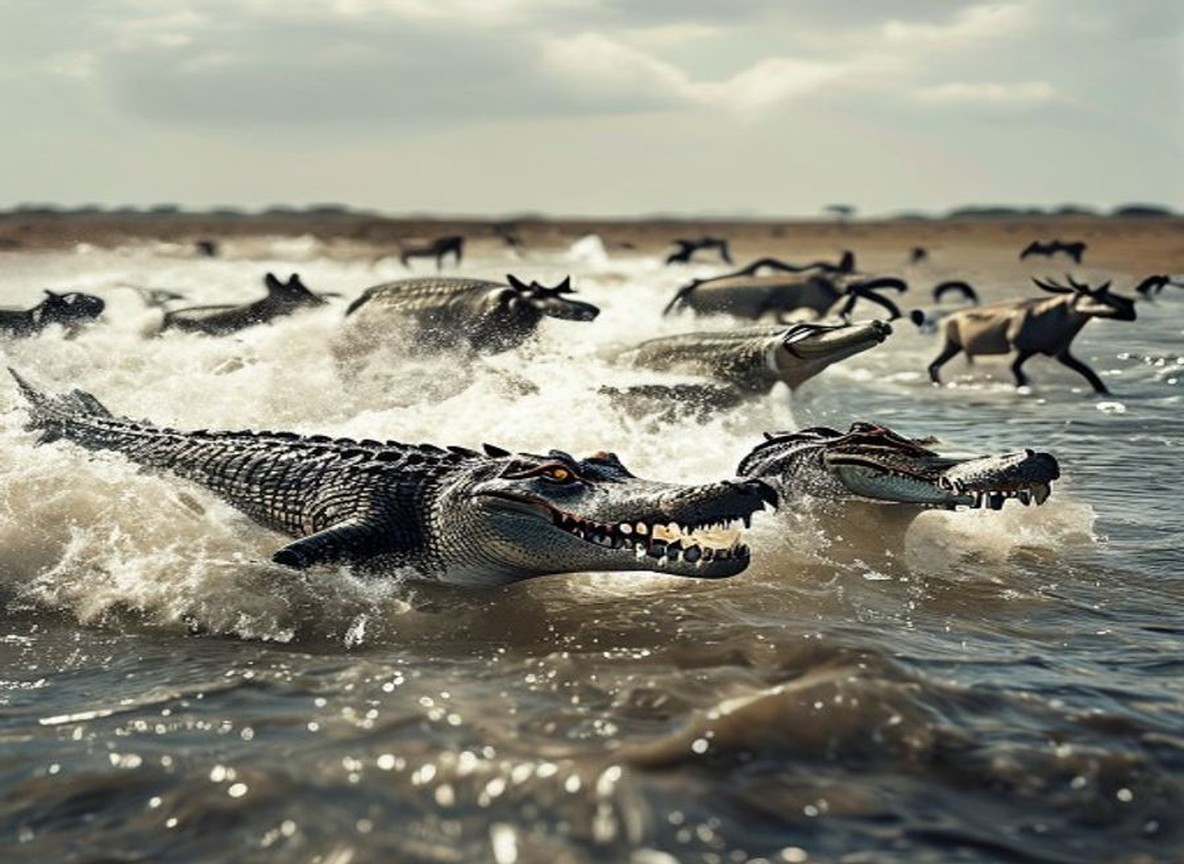
Great Migration build-up. In the Serengeti (Tanzania), the wildebeest herds are massing and beginning their northward movement in June. The advance scouts enter the Masai Mara ecosystem from late June. By late June, there may be tens of thousands of wildebeest already in the Mara Triangle. For some years, the first river crossings happen in the final week of June.
Pre-peak pricing. Most camps shift to peak rates in July. June pricing is typically 15-25% lower for equivalent camp quality.
Masai Mara in June 2026: What to Expect
The Masai Mara is the primary destination for June travellers and for good reason. The following is what you should realistically expect during June in the Mara ecosystem:
Wildlife Conditions
The masai mara june conditions are strong across the board:
- Predators: Lion, cheetah, and leopard are all reliably sighted. The cheetah population in the Mara is at its most active in the dry season. The open grass after the rains makes cheetah hunts visible from long distances.
- Wildebeest: The southern Mara Triangle and areas around the Sand River on the Tanzanian border often have wildebeest in good numbers from mid-June. Full herds arrive in July.
- Elephants: Large herds move through the Mara ecosystem in June as they follow the receding rainfall. Elephants in June are often seen in groups of 50-100.
- Resident wildlife: Buffalo herds, giraffe, zebra, hyena clans, and the full range of antelope species are all reliably present regardless of migration status.
Game Drive Quality
June in the main Masai Mara reserve offers excellent game drive quality with lower vehicle numbers than July-October. The private conservancies (Naboisho, Mara North, Ol Kinyei) are even quieter, with night drives available and vehicle numbers controlled by conservancy regulation.
For the best time to visit kenya for safari in terms of wildlife quality plus reasonable pricing, late June is a genuine sweet spot.
Amboseli in June 2026
Amboseli enters its dry season in June, which makes it one of the best months for the park. The seasonal swamps around Ol Tukai begin to contract, concentrating elephant herds around the permanent water.
What to expect in Amboseli in June:
- Elephants: Excellent. Numbers at the swamp edge are highest in the dry season.
- Kilimanjaro views: Variable. June can produce morning cloud cover, but clear days occur throughout the month, particularly in the first two weeks.
- Predators: Lion and cheetah are present. Amboseli’s predator density is lower than the Mara, but sightings are consistent.
- Visitor numbers: June is relatively quiet in Amboseli. This is one of the few parks where June genuinely represents both good wildlife and a relaxed atmosphere.
Combining 2 nights in Amboseli with 3 nights in Masai Mara is the most popular June itinerary we run at Trunktrails Safaris. Total cost for this combination: from $1,650 per person for mid-range accommodation, flights included.
Samburu in June 2026
Samburu National Reserve in northern Kenya experiences its own dry season in June, separate from the rainfall patterns of southern Kenya. The Ewaso Ng’iro River drops in level but remains a significant wildlife corridor.
What to expect in Samburu in June:
- Northern specialist species: The “Samburu Special Five” (reticulated giraffe, Grevy’s zebra, Beisa oryx, gerenuk, and Somali ostrich) are reliably present year-round and are best seen in the dry season when they concentrate along the river.
- Lion and leopard: June is a strong month for both along the riverine forest.
- Bird activity: The river supports excellent birding in June as migratory species from Europe are beginning to arrive in East Africa.
- Visitor numbers: Samburu is uncrowded in June. It is never as busy as the Mara, and June is quieter still.
Samburu pairs well with the Mara or Amboseli for a multi-park June itinerary. The flight from Wilson Airport to Samburu takes 45 minutes.
Tsavo in June 2026
Both Tsavo East and Tsavo West enter their productive dry season in June. Wildlife concentration begins around the Galana River in Tsavo East and around Mzima Springs in Tsavo West.
Tsavo in June delivers:
- Red elephant herds: The red-dusted elephants of Tsavo are at their most visible in the dry season.
- Large predators: Lion and leopard in the rocky terrain of Tsavo West are reliably sighted in June.
- Mzima Springs: The springs are at their most productive in June as surrounding bush dries out and more wildlife depends on the permanent water.
- Price: Tsavo is significantly cheaper than the Mara in June. Luxury camps like Finch Hattons run at 20-30% below July rates.
June 2026 Park Comparison Table
| Park | Wildlife June | Migration? | Crowds | Price Level | Best For |
|---|---|---|---|---|---|
| Masai Mara | Excellent | Build-up (late June) | Low-moderate | Mid (pre-peak) | Predators, overall wildlife |
| Amboseli | Very good | N/A | Low | Low-mid | Elephants, Kilimanjaro views |
| Samburu | Very good | N/A | Low | Low-mid | Northern specialists |
| Tsavo West | Good-very good | N/A | Very low | Low | Off-the-beaten-path, leopard |
| Tsavo East | Good | N/A | Very low | Low | Red elephants, open landscape |
| Lake Nakuru | Good | N/A | Low | Low | Flamingo, rhino |
Sample 7-Day June 2026 Itinerary
This itinerary is built around the June sweet spot: peak wildlife conditions at pre-peak pricing.
- Days 1-2: Samburu (2 nights) by morning flight from Nairobi. Northern specialists, leopard along the river.
- Days 3-5: Masai Mara (3 nights). Pre-migration predator season. Wildebeest advance herds possible from day 4 onward depending on year.
- Day 6: Amboseli (1 night). Drive from Nairobi (3.5 hours). Elephant herds at sunset.
- Day 7: Depart Nairobi.
Total per person (mid-range camps, domestic flights included): from $2,200. Fully customised versions available.
Practical June Safari Planning Notes
Clothing: June mornings in the Mara are cool (8-12 degrees Celsius). Afternoon temperatures reach 25-28 degrees. Pack warm layers for early game drives and light clothing for midday.
Insects: June is a relatively low malaria-risk month compared to the wet season, but prophylaxis is still recommended for all Kenya parks.
Booking lead time: For June 2026 travel, most camps should still have availability if you book by March. Popular conservancy camps (Naboisho, Mara North) fill faster. Book premium properties by February at the latest.
Internal flights: All domestic flights to Kenyan safari parks are bookable through Trunktrails Safaris. We coordinate timing to maximize your game drive hours on day of arrival.
The Trunktrails Advantage
Planning a June safari requires reading the conditions correctly: knowing which areas of the Mara typically see wildebeest first, which conservancies offer the best pre-migration predator action, and which camps are genuinely worth the price in June versus which ones coast on July-October reputation.
Trunktrails Safaris is a native Kenyan-owned operator, certified and. We design every June safari individually. When you come with a budget and a date range, we build an itinerary based on real-time camp availability, current wildlife conditions in each park, and the specific goals you tell us about.
Our tours and safaris contribute 5% of every booking to wildlife conservation projects in the parks you visit. We are a direct operator: no subcontractors, no commission layers. 24/7 WhatsApp support throughout your trip.
The best time kenya safari experience is built before you arrive. Let us build yours.
Further reading
More safari planning resources
- Best time to visit Kenya month-by-month map from Valley Safaris
- Best time to visit Kenya on Touring Insights
- Big Five safari collection on FindMySafari
- Wildebeest migration route map from Valley Safaris
Ready to Plan Your Kenya Safari for June 2026?
Availability fills from March onward for premium June camps. Start planning now to secure your first choice of property.
Tell us your dates, group size, and which parks interest you. We will have a personalised itinerary and quote back to you within 24 hours.
WhatsApp: +254 113 208888 Email: info@trunktrailssafaris.com Website: https://trunktrailssafaris.com
✨