
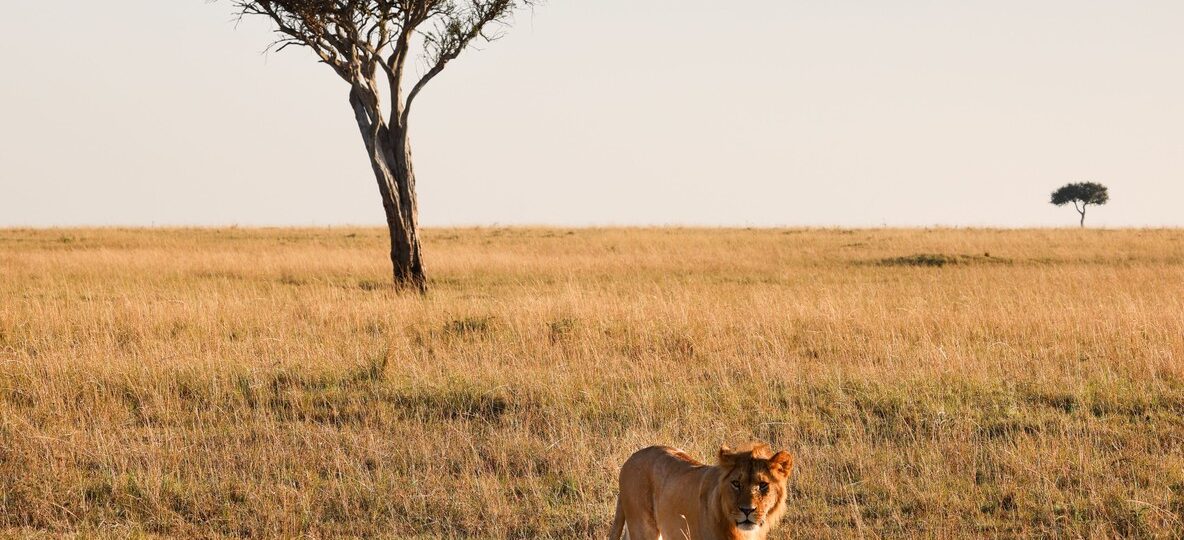
Masai Mara in July: Migration Timing, River Crossings & What to Expect
The dust rises before you see them. Then the sound reaches you, a low, rolling rumble, like distant thunder that doesn’t stop. By the third week of July, the first wildebeest mega-herds are typically pushing north through the Masai Mara, and the Mara River is where everything changes. Visiting the masai mara in july puts you at the start of one of Africa’s most dramatic spectacles. Trunktrails Safaris has guided guests through this exact window for years, and this guide gives you honest, practical answers to every question that matters before you book. 🌍
Is July the Right Month for the Masai Mara Migration?
July is widely regarded as the opening chapter of the Mara’s peak migration season. The great wildebeest herds have been building in the northern Serengeti since May and June, and by July they are pressing toward the Mara River. The biggest build-up typically happens around the third week of July, though no wildlife calendar runs on a fixed clock.
What July offers is a combination of genuine migration action and slightly fewer crowds than August. If you want to be there for the arrival, the raw, chaotic energy of herds streaming into new territory, July is your month. If you want a higher statistical chance of witnessing multiple crossings, late August or September has the edge.
The honest answer: July gives you excellent odds, a spectacular landscape, and the thrill of “they just arrived.” Plan for at least three full game-drive days in the Mara to improve those odds meaningfully.
When Do the Wildebeest Arrive in the Mara?
The wildebeest migration arrival into the Mara is driven by rainfall patterns in Tanzania and Kenya, not a date on a calendar. In most years, the advance herds cross into the Mara ecosystem sometime in late June or early July. The main body, the mega-herds numbering over a million animals, typically floods the reserve by mid to late July.
Variation is real. In some years, a dry Serengeti accelerates the push north. In others, late rains in Tanzania slow the herds by two to three weeks. Trunktrails Safaris monitors movement reports on the ground through our Mara-based guide network, and we update guests with current herd positions in the days before their trip.
Key takeaway: book July with the expectation of seeing the herds in the Mara, and treat a river crossing as a bonus. Guests who arrive expecting a guaranteed crossing on day one often leave disappointed. Guests who plan for three to four days inside the ecosystem leave exhilarated.
What Are the Masai Mara River Crossings Like in July?
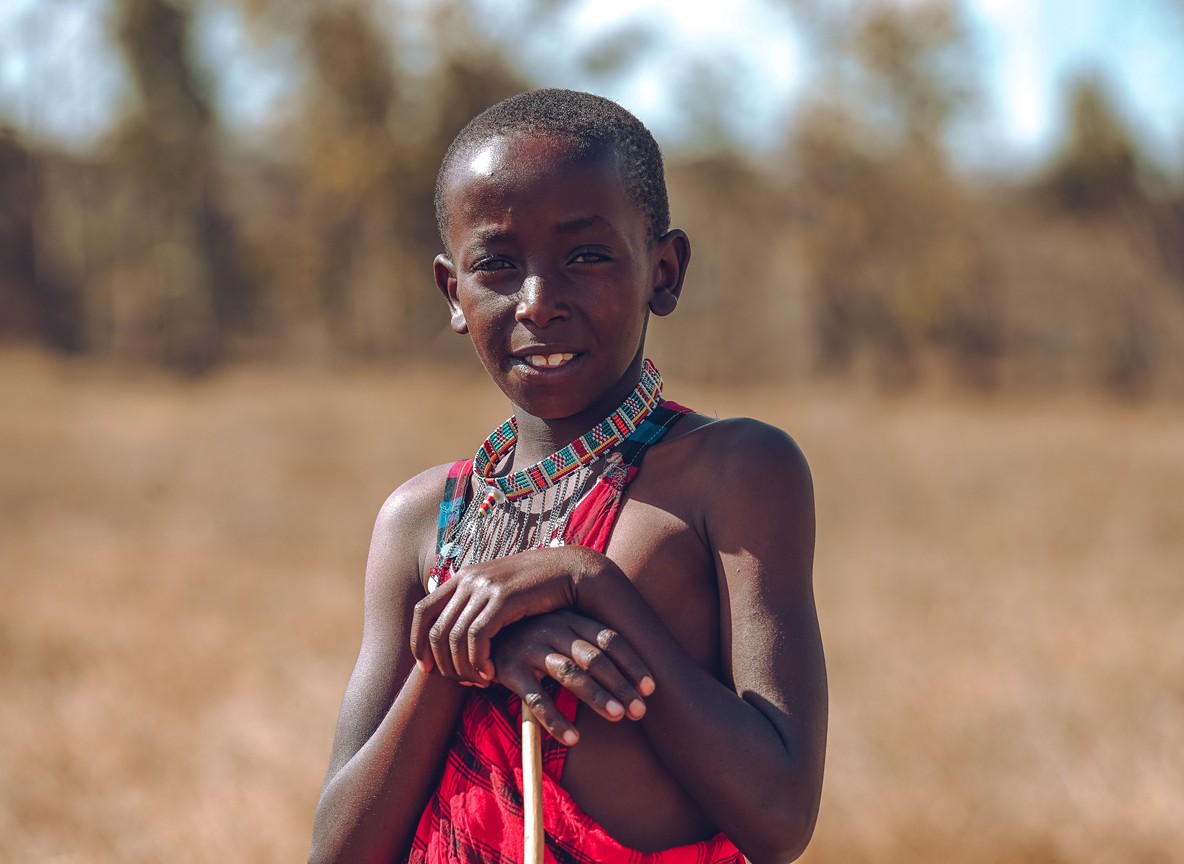
The Mara River crossings are the defining image of the Great Migration, and July marks their beginning. Once the herds reach the Mara River, the wildebeest pace the bank for hours, sometimes days, before one animal breaks and the rest follow in a frenzied cascade. Crocodiles wait. Lions position themselves on the far bank. The spectacle lasts minutes and leaves observers shaking.
July crossings tend to be the first crossings of the season, which carries its own electricity. The herds are fresh, the river levels are manageable (before the October short rains raise them), and the competition among guests for the best viewpoint is slightly lower than in August.
A good guide is everything here. Experienced drivers read the herd behaviour, know which crossing points are active, and position your vehicle legally and safely. Trunktrails Safaris assigns dedicated Mara guides with a minimum of eight seasons on the river.
Crossings are never guaranteed on any given day. Two to three days on the Mara River dramatically increases your chances.
What Is the Masai Mara Weather in July?
July falls in the dry season, and conditions are as reliable as Kenya offers. Expect clear skies, excellent visibility, and firm roads that make game drives comfortable regardless of your mobility. 🌅
| Condition | July Typical Range |
|---|---|
| Daytime temperature | 24 — 28°C (75 — 82°F) |
| Morning temperature | 10 — 14°C (50 — 57°F) |
| Rainfall | Minimal; occasional brief shower possible |
| Road conditions | Dry and firm; tracks fully accessible |
| Visibility | Excellent; low vegetation reveals wildlife |
| Sunrise (approx.) | 6:20 AM |
The cold mornings are the part most visitors underestimate. Before the sun clears the escarpment, an open-sided game-drive vehicle at 6 AM in the Mara can feel genuinely cold. This is not a problem, it is part of the experience, but it requires preparation. Pack a warm fleece or light down jacket you would not need for the afternoon drive.
Afternoon game drives are warm, sunny, and golden-hour spectacular. Photography conditions in July are superb.
What Are the Masai Mara Park Fees in July?
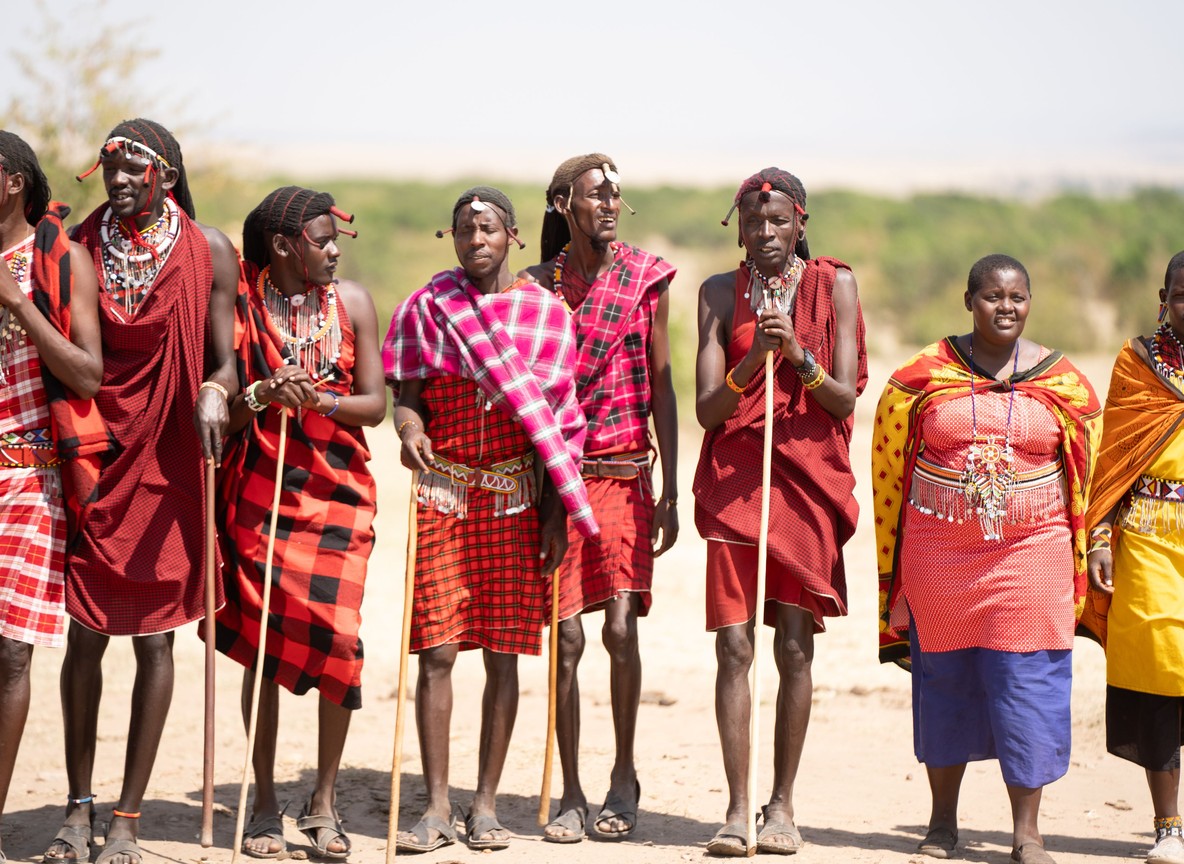
This is the most important practical fact for 2026 planning: Masai Mara National Reserve non-resident entry fees doubled on 1 July 2026. See the full breakdown at masai-mara-park-fees-2026.
| Visitor Category | Jan — Jun 2026 | July — Dec 2026 |
|---|---|---|
| Non-resident adult (18+) | $100 per day | $200 per day |
| Non-resident child (9 — 17) | $25 per day | $50 per day |
| Child under 8 | Free | Free |
| Kenyan resident adult | KES 800 per day | KES 800 per day |
Critical detail: park tickets are valid for 12 hours (roughly 6 AM to 6 PM), not 24 hours. If your itinerary includes an overnight stay inside the reserve, you pay the entry fee again for the following calendar day. This is standard and expected, but factor it into your budget. A five-night stay inside the Masai Mara National Reserve means five separate daily entry fees per adult.
Many Trunktrails Safaris itineraries include time in the private conservancies surrounding the reserve, where fees are typically bundled into lodge rates and crowd density is lower. Olare Motorogi, Naboisho, and Ol Kinyei are excellent alternatives worth discussing with your consultant.
Is the Masai Mara Busy in July?
July is high season. Expect other vehicles at prime crossing points and popular plains areas. That said, July is slightly less saturated than August, which has historically been the busiest month in the Mara.
The practical solution is a mixed itinerary: one to two nights in the main reserve for the river crossing experience, combined with two to three nights in a private conservancy where exclusive game drives operate under lower-density agreements. The conservancies also permit off-road driving and night drives, neither of which is allowed inside the National Reserve.
Trunktrails Safaris designs all itineraries around this balance: reserve access for the crossings, conservancy access for the depth and exclusivity that the Mara’s private lands offer.
What Should You Pack for the Mara in July?
July packing is straightforward once you accept that mornings and evenings are genuinely cold while afternoons are warm. You do not need heavy winter gear, but a thin down jacket earns its weight every morning.
Clothing checklist:
- Warm fleece or light down jacket (critical for dawn drives)
- 2 to 3 lightweight long-sleeve shirts (neutral tones: khaki, olive, grey)
- 1 to 2 short-sleeve shirts for warm afternoons
- Comfortable trousers or light chinos (avoid bright colours)
- Sun hat with a wide brim
- Sunglasses (UV-rated; glare off dry grass is intense)
- Light waterproof layer (brief showers are rare but possible)
- Closed walking shoes or light boots for bush walks
Kit and equipment:
- Binoculars (8×42 or 10×42 recommended)
- Camera with a telephoto lens (200mm minimum for wildlife)
- Power bank (camp power windows vary by property)
- Sunscreen SPF 50+ and lip balm
- Insect repellent (DEET-based; mosquitoes at dusk)
- Any prescription medications with a doctor’s letter for customs
Documents:
- Yellow fever vaccination certificate (required if travelling from an endemic country)
- Travel insurance documents (medical evacuation coverage recommended)
- Printed or digital copies of your itinerary and lodge vouchers
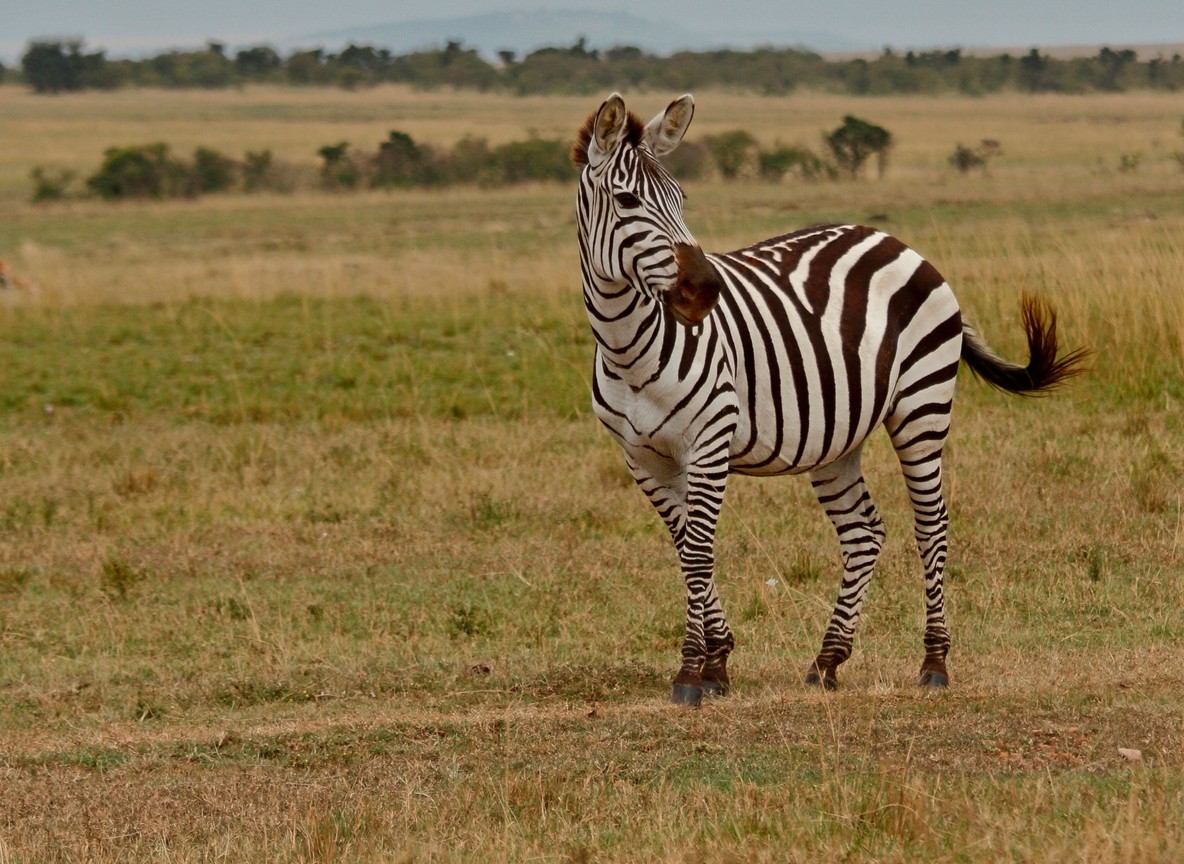
The Trunktrails Advantage
Trunktrails Safaris is a native Kenyan-owned operator, born from the same landscapes we take you to explore. That matters when you are planning a trip around something as unpredictable as a river crossing. ✨
Our Mara team monitors herd movements daily during the migration season, and your guide will have positioning intelligence that no online report can match. When you travel with Trunktrails Safaris, you are not following a fixed itinerary, you are following the wildlife, with a team that adjusts in real time.
Every Trunktrails Safaris safari is tailor-made. Whether you need a fully catered luxury camp inside the conservancy, a comfortable mid-range lodge with en-suite facilities, or a budget-conscious tented camp that still delivers spectacular game viewing, we build the trip around your needs. We support guests on all budgets without compromising on guide quality or wildlife access.
Our 24/7 direct support line connects you to a human Kenyan team member, not a call centre. Five percent of every booking goes directly to community conservation programmes in the Mara ecosystem. And our guides bring honest local knowledge: we will tell you if July is likely to deliver a crossing based on current herd reports, not just what you want to hear.
Trunktrails tours and safaris exist to give you the real Mara, planned properly. Our July tours and safaris are timed around the herds, and our Mara tours and safaris pair the reserve with quieter conservancies.
Plan Your July Mara Trip Now
July 2026 bookings are moving fast. The $200 daily park fee is confirmed, the conservancies are accepting limited high-season guests, and the migration is already pushing north.
The question to answer now is how many nights in the Mara will give you the best odds for a crossing, and which combination of reserve and conservancy suits your pace and budget. Trunktrails Safaris builds July itineraries that answer both, with honest timelines, confirmed lodge availability, and a Mara-based guide who has watched the herds arrive for years.
Contact Trunktrails Safaris today to lock in your July dates before availability closes.
Further reading
WhatsApp: +254 113 208888 Email: info@trunktrailssafaris.com Website: trunktrailssafaris.com
See how July compares to the full wildebeest migration route before you decide. 📸

