
David Sheldrick Elephant Orphanage: Nairobi’s Most Moving Experience 🐘✨
When you think of Nairobi safaris and wildlife tours and safaris in Kenya, the David Sheldrick Elephant Orphanage might not be your first thought. But this remarkable conservation centre is one of the most profound wildlife experiences you’ll ever have. Trunktrails Safaris is proud to include this iconic destination in our tours and safaris itineraries.The elephant orphanage Nairobi visitors experience today sits inside Nairobi National Park, just 15 minutes from the city centre. It’s run by the David Sheldrick Wildlife Trust—a Kenyan conservation organisation that has become the world’s most successful elephant rescue programme. Since its formal establishment in 1977, the Trust has hand-raised more than 270 orphaned elephants and returned the majority to the wild.
The 11 AM Feeding Session
The most popular visit time is the 11 AM feeding session. You’ll stand in an open area as baby elephants—some as young as 6 months—come running toward their keepers. You’ll witness:Gift Shop: Take a Piece of the Orphanage Home
Yes, there is a small gift shop at the Nairobi Nursery—perfect for picking up a memento after your visit. Here, you’ll find a thoughtfully curated range of items, including T-shirts and hats featuring elephant motifs, charming plush toys, and hand-crafted jewelry. Many souvenirs are made by talented local artisans, so your purchase supports Kenyan communities as well as conservation efforts.In addition to elephant-themed treasures, you might spot beaded bracelets, canvas tote bags, stationery, and striking wildlife prints reminiscent of what you’ve just experienced. Browsing the shop is a great way to extend your visit, find gifts for friends and family, and directly contribute to the Trust’s ongoing work.
The David Sheldrick Wildlife Trust: A Legacy of Rescue & Resilience
The David Sheldrick Wildlife Trust was founded in 1977 by David Sheldrick, a legendary conservationist who dedicated his life to protecting Kenya’s wildlife. Today, the Trust operates multiple sanctuaries across Kenya, but the Nairobi Elephant Orphanage remains its most visible and impactful hub. Trunktrails Safaris tours and safaris often feature this destination because it embodies our conservation-first philosophy.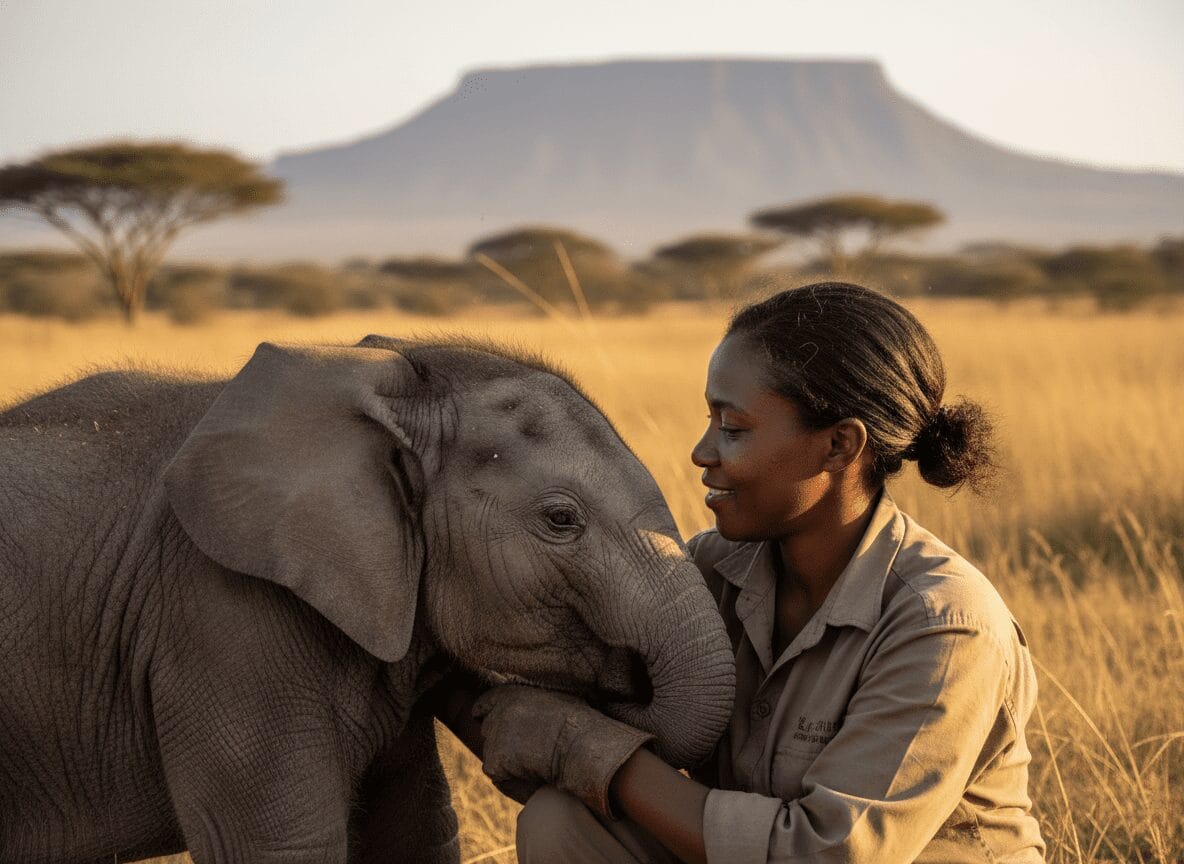
Why Baby Elephants End Up Here
Orphaned elephants arrive at the Trust for heartbreaking reasons:- Poaching: Mothers killed for ivory, leaving calves alone and traumatized
- Human-wildlife conflict: Elephants straying into farmland, separated from herds
- Habitat loss: Drought and environmental stress forcing families apart
- Natural disasters: Floods, droughts, and disease claiming mothers
The Rehabilitation Journey
Phase 1: Emergency Care (Weeks 1–8)- Round-the-clock feeding with specially formulated milk
- Veterinary assessment and trauma counseling
- Bonding with dedicated keepers who become surrogate mothers
- Socialization with other orphans of similar age
- Outdoor grazing and mud wallows
- Keeper-led walks and play sessions
- Transition to larger sanctuaries (Tsavo, Samburu)
- Reduced human contact, increased independence
- Integration with wild herds when ready
- Successful reintegration into wild elephant populations
- Satellite tracking to monitor long-term survival
What to Expect: The Nairobi Elephant Orphanage Experience
The 11 AM Feeding Session
The most popular visit time is the 11 AM feeding session. You’ll stand in an open area as baby elephants—some as young as 6 months—come running toward their keepers. You’ll witness: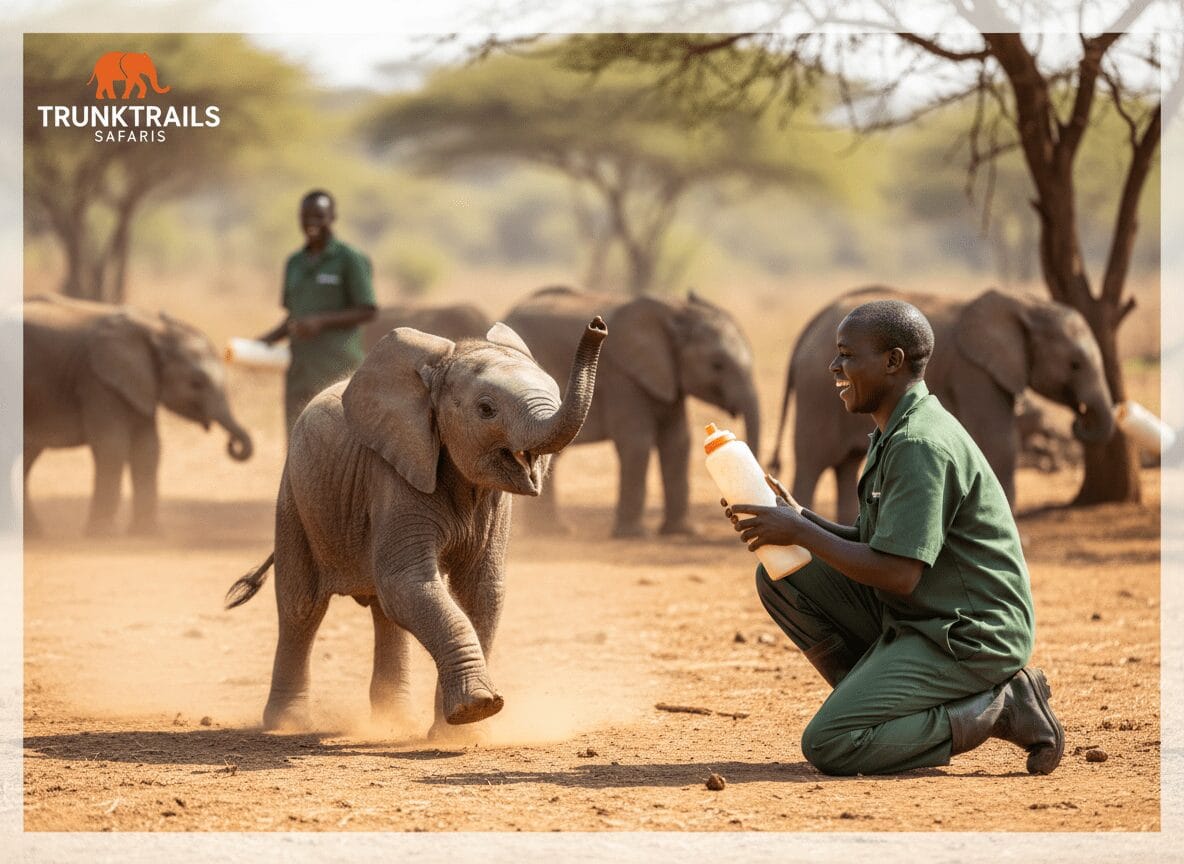
- Calves charging across the grounds with surprising speed
- Trunk interactions and gentle pushing games
- Mud bathing and water play
- Individual personalities shining through
The 3 PM Stockade Visit
The afternoon session offers a quieter perspective. Older orphans are in the stockade—a secure area where they’re monitored overnight.Educational Talks
Knowledgeable guides share the Trust’s conservation mission, poaching statistics, and rehabilitation success stories.Visitor Guidelines: Making the Most of Your Experience
To ensure the welfare of both guests and elephants, the orphanage has a few important guidelines you’ll want to know before you arrive:- Arrival Time: Plan to arrive by 10:30 AM—gates open ahead of the 11 AM session, but late arrivals can’t be accommodated. Allow extra time for the brief security check at the KWS Mbagathi Gate, especially if you’re coming from central Nairobi.
- Respectful Conduct: For the comfort of all visitors (and elephants!), smoking and vaping are not allowed anywhere on the premises. Please keep your mobile phone on silent—taking or making calls during the session is discouraged, ensuring everyone can soak up the magic uninterrupted.
- Photography Policy: You’re welcome to snap photos and take videos for personal memories, but leave the pro gear at home—commercial photography or filming isn’t permitted during public sessions.
- Elephant Interactions: As tempting as it may be to give a baby elephant a friendly pat, direct feeding and touching are reserved strictly for their trained keepers. This helps the orphans maintain healthy boundaries, critical for their eventual return to the wild. That said, don’t be surprised if a particularly cheeky calf gives you a curious trunk-tap along the visitor barrier!
Gift Shop: Take a Piece of the Orphanage Home
Yes, there is a small gift shop at the Nairobi Nursery—perfect for picking up a memento after your visit. Here, you’ll find a thoughtfully curated range of items, including T-shirts and hats featuring elephant motifs, charming plush toys, and hand-crafted jewelry. Many souvenirs are made by talented local artisans, so your purchase supports Kenyan communities as well as conservation efforts.In addition to elephant-themed treasures, you might spot beaded bracelets, canvas tote bags, stationery, and striking wildlife prints reminiscent of what you’ve just experienced. Browsing the shop is a great way to extend your visit, find gifts for friends and family, and directly contribute to the Trust’s ongoing work.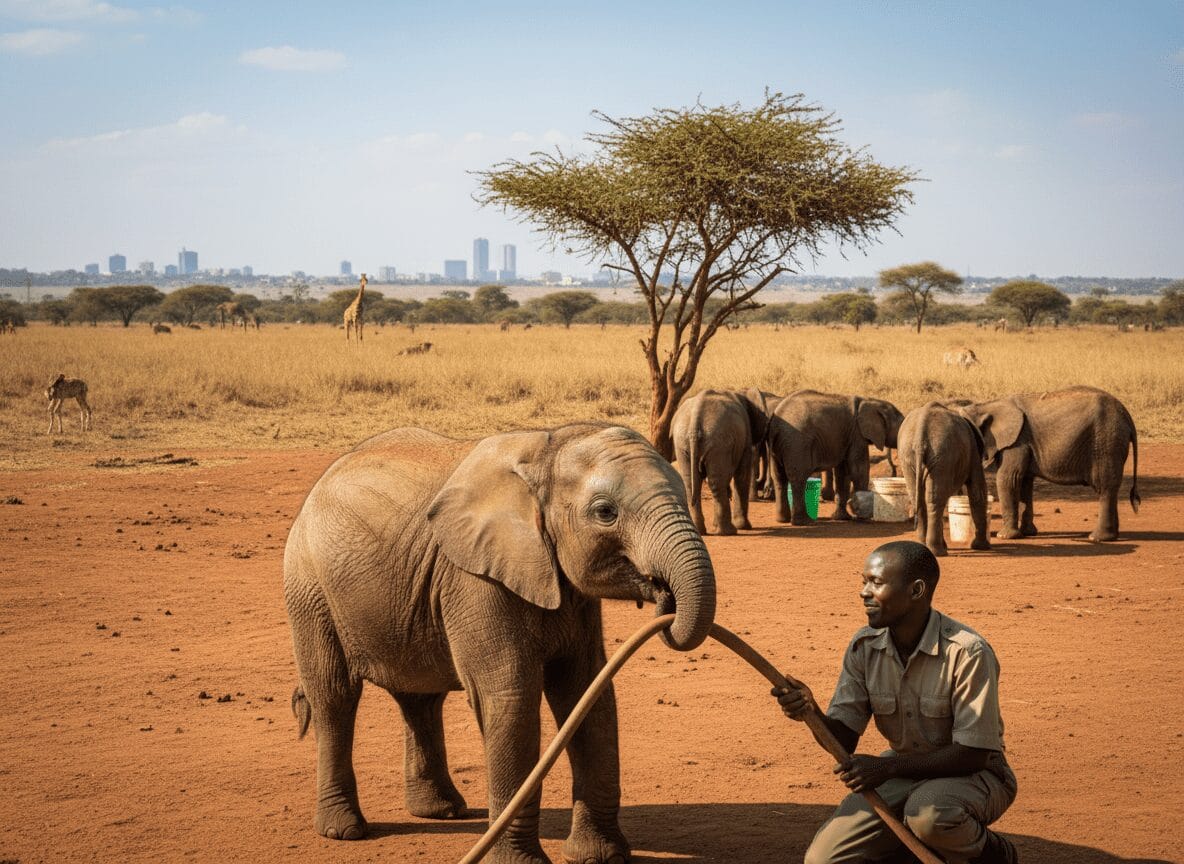
Why the David Sheldrick Orphanage Matters for Conservation
Direct Funding
- Visitor fees directly support rescue operations, veterinary care, and keeper salaries
- The Trust operates on a non-profit model
- Your visit funds anti-poaching patrols and community education programmes
Elephant Population Recovery
- Over 270 elephants rescued and rehabilitated since 1977
- Successful releases have contributed to wild population growth
Community Engagement
- The Trust employs local Kenyan staff and trains rangers
- Community outreach programmes reduce human-wildlife conflict
Planning Your Visit: Practical Information
Location & Access
The David Sheldrick Elephant Orphanage is located in Nairobi National Park, approximately 15 km southeast of Nairobi’s city centre. Trunktrails Safaris can arrange transport from any Nairobi location as part of our tours and safaris packages.Arriving by Taxi or Ride-Hailing Services
If you’re arriving via taxi or ride-hailing apps like Uber or Bolt, here’s what to expect: Your driver will need to drop you at the main Kenya Wildlife Service (KWS) Gate unless you’ve purchased KWS park entry for both the vehicle and driver—which isn’t necessary if you’re just being dropped off. To ensure a smooth entry, we recommend booking and paying your KWS park entry fees online in advance. Present your digital or printed ticket at the gate, where the KWS Customer Service team will guide you to the designated meeting point.From there, a shuttle provided by the Orphanage operates regularly between 10:15 AM and 11:30 AM, transporting guests from the KWS Gate to the nursery entrance. The ride is brief and included in your visit, perfect for those arriving on foot. Keep your booking confirmation handy for swift, hassle-free access.Visiting Hours & Sessions
- 11 AM Feeding Session: Most popular, best for photography
- 3 PM Stockade Visit: Quieter, more intimate experience
- Closed: Mondays (except public holidays)
- Duration: 1–1.5 hours per session
- Adults: KES 2,000–2,500 (~$15–20 USD)
- Children (3–12): KES 1,000–1,500 (~$8–12 USD)
- Children under 3: Free
Entry Donations and Additional Fees
Entry donations are paid in cash when you arrive at the nursery—there’s no pre-payment or advance ticketing involved. Just bring the required amount for your group and settle up at the gate on the day of your scheduled visit.It’s also important to note that these entry donations are separate from any national park fees. To access the nursery through the main entrance, you’ll need to pay the relevant Kenya Wildlife Service (KWS) park fee at the Mbagathi Gate. Be sure to budget for both costs during your visit.National Park Entry Requirements
Regardless of whether you plan to explore the rest of Nairobi National Park or are just stopping in for a nursery visit, all guests—including your driver and vehicle—are required to pay the current Kenya Wildlife Service (KWS) park entry fee. This rule applies across the board: if you’re entering for the nursery, the park fee still kicks in. Recent changes in KWS fee structures mean updated rates are in effect, which you can confirm on the official eCitizen portal before arrival.A few tips to keep things running smoothly:- Pay your KWS park entry fee online in advance to dodge long queues at the gate.
- Remember, these park fees are completely separate from any nursery entry donations—you’ll pay that directly to staff once inside.
How to Pay National Park Entry Fees
Entry fees for the national park must be paid separately from your nursery donation. The process is straightforward:- Pay in Advance: To make things easy, head over to the eCitizen online platform before your visit and purchase your park tickets there. This ensures a smooth entry at the park gates.
- Onsite Payment: If you prefer, you can also pay at the gate upon arrival. Just make sure to keep your payment confirmation handy.
Additional Fees for Drivers and Vehicles
If you’re planning to drive into the park, keep in mind that there’s a separate entry charge for vehicles and their drivers at the main gate. This fee is collected in addition to the standard entrance fees listed above, so budget accordingly.What to Bring
- Sun protection: Hat, sunscreen, sunglasses
- Comfortable shoes
- Camera with zoom lens
- Binoculars
- Water
- Light jacket
Refreshments & Water Availability
There are no refreshments or water stations available at the orphanage, so visitors should be sure to bring enough drinking water for the duration of their visit. Food and other beverages (besides water) are not permitted on site, so it’s best to leave snacks in your vehicle or hotel. Nairobi can get hot, especially during the midday feeding session, so having a filled reusable water bottle—like a Nalgene or CamelBak—will keep you hydrated and comfortable throughout your experience.Best Time to Visit
- Dry seasons (June–October, January–February): Clear skies, excellent visibility
- Green season (March–May, November–December): Lush landscapes, fewer crowds
Booking Your Visit
Ready to plan your trip? Here’s how to secure your spot:- Send an email to the Nairobi reservations team In your message, be sure to include:
- Your preferred date of visit
- Total number of adults and children in your group
- Full names for each adult
- Each child’s name and age
Booking Your Visit: What You Need to Know
- Advance Reservations Required: All visits must be booked ahead of time, as entry isn’t available without a confirmed reservation.
- Booking Window: You can secure your spot for any date within the upcoming three months. Planning further ahead? Mark your calendar to book closer to your preferred date.
- Same-Day Visits: Last-minute adventures won’t work here—same-day bookings aren’t available, so please arrange your visit in advance.
Booking Through Third-Party Platforms
While you may see tickets or experiences offered on third-party sites like Viator, GetYourGuide, or Tripadvisor, only reservations made directly through the official channel are accepted for entry. Bookings from these outside platforms aren’t recognized, so be sure to secure your spot directly to avoid any last-minute surprises.If you’re arranging your visit with a local operator or guide, double-check that they provide the official confirmation from the venue itself. This simple step will ensure your plans go smoothly.How to Include This in Your Trunktrails Safaris Itinerary
1-Day Nairobi City Tour
- Morning: David Sheldrick Elephant Orphanage (11 AM session)
- Afternoon: Giraffe Centre, Karen Blixen Museum, or Nairobi National Park game drive
3-Day Nairobi + Amboseli Safari
- Day 1: Arrive Nairobi, David Sheldrick Elephant Orphanage
- Days 2–3: Amboseli National Park safari, track elephants in the wild
5-Day Nairobi + Multi-Park Circuit
- Day 1: Nairobi city tour + David Sheldrick Elephant Orphanage
- Days 2–3: Amboseli National Park
- Days 4–5: Tsavo East or Masai Mara
Frequently Asked Questions (FAQs)
**Q: Can I touch or hold the baby elephants?**A: No. The Trust maintains strict protocols to prevent human imprinting and disease transmission.**Q: Is it ethical to visit the orphanage?**A: Yes. The David Sheldrick Wildlife Trust is widely recognised as one of the world’s most ethical wildlife sanctuaries.Q: Can I sponsor an elephant? A: Yes! The Trust offers adoption sponsorships with updates on your elephant’s progress.If you’re visiting in person, you can also adopt an orphan right on the day of your visit. Your contribution directly supports the specialist care these young elephants (and sometimes other animals) need to thrive. In fact, for a minimum annual donation, you’ll receive a special adoption packet exclusive to on-site visitors—complete with an adoption certificate, a beautiful elephant watercolor print, a printed newsletter, and a profile of your chosen orphan. It’s a memorable way to make a difference and take home a piece of your experience.Q: Will I be able to see or interact with a specific orphaned animal I have adopted? A: You’ll have the wonderful opportunity to see the nursery’s resident elephant orphans during your visit—these are the young elephants currently being cared for at the Nairobi Nursery and participating in the midday feeding and mud bath. If your adopted elephant is part of the nursery herd, you’re in luck! Their up-to-date locations are listed on the Trust’s website, so you can check ahead of time.Please note, however, that individual meetings or exclusive interactions aren’t possible for animal welfare reasons. For example, Maxwell the rhino—who is also cared for on-site—does not join the public sessions, as he enjoys a much quieter routine due to his blindness. Your visit still directly supports their care and lets you observe these incredible animals up close as they play, feed, and interact in their social groups.**Q: How long does a visit take?**A: Plan 1–1.5 hours for a feeding session.**Q: Is it suitable for children?**A: Absolutely. Children love the experience, and it’s educational.Staying Connected After Your Visit
Your visit can be just the first chapter of your conservation story. If you’re wondering how to stay involved beyond the gates of the orphanage, here’s how you can keep making a positive impact:- Support and Donate: Every shilling, pound, or dollar counts. Consider making a donation—even small contributions help fund rescue projects, medical care, and ranger patrols. You can donate directly in Kenya, or through global partners, including registered charities in the US and UK.
- Adopt an Orphaned Elephant: Adoption sponsorships let you follow the journey of a specific elephant. You’ll receive monthly updates, heartwarming photos, and behind-the-scenes stories from caring keepers—perfect for animal lovers of all ages.
- Share the Story: Help raise awareness for elephant conservation. Follow the Trust’s conservation work on social media (Instagram, Facebook, Twitter/X, YouTube, TikTok) and share your experience—every post inspires others to support ethical wildlife tourism.
- Stay In the Loop: Sign up for newsletters for the latest news, field updates, and conservation wins delivered straight to your inbox.