
Best Time to Visit Kenya for Safari
When’s the perfect time to visit Kenya for a safari? The short answer: any time is the right time. But if you want to maximize your wildlife viewing, understand the seasons, and plan your dream safari, keep reading.The Two Rainy Seasons: Green Season Magic
The Dry Seasons: Peak Wildlife Viewing
The Great Migration (June–October)
The annual migration of 1.5+ million wildebeest and zebras is nature’s greatest spectacle. Peak crossing happens July–August at the Mara River. Witness predators hunting, dramatic river crossings, and the raw power of nature.Best viewing: Masai Mara (Kenya) or Serengeti (Tanzania)
Overall, Kenya’s climate is moderate and inviting year-round, with each season offering a distinct experience—whether you’re after dramatic wildlife spectacles, vibrant green landscapes, or a sun-soaked holiday on the Indian Ocean coast.
The Two Rainy Seasons: Green Season Magic
Long Rains (April–May)
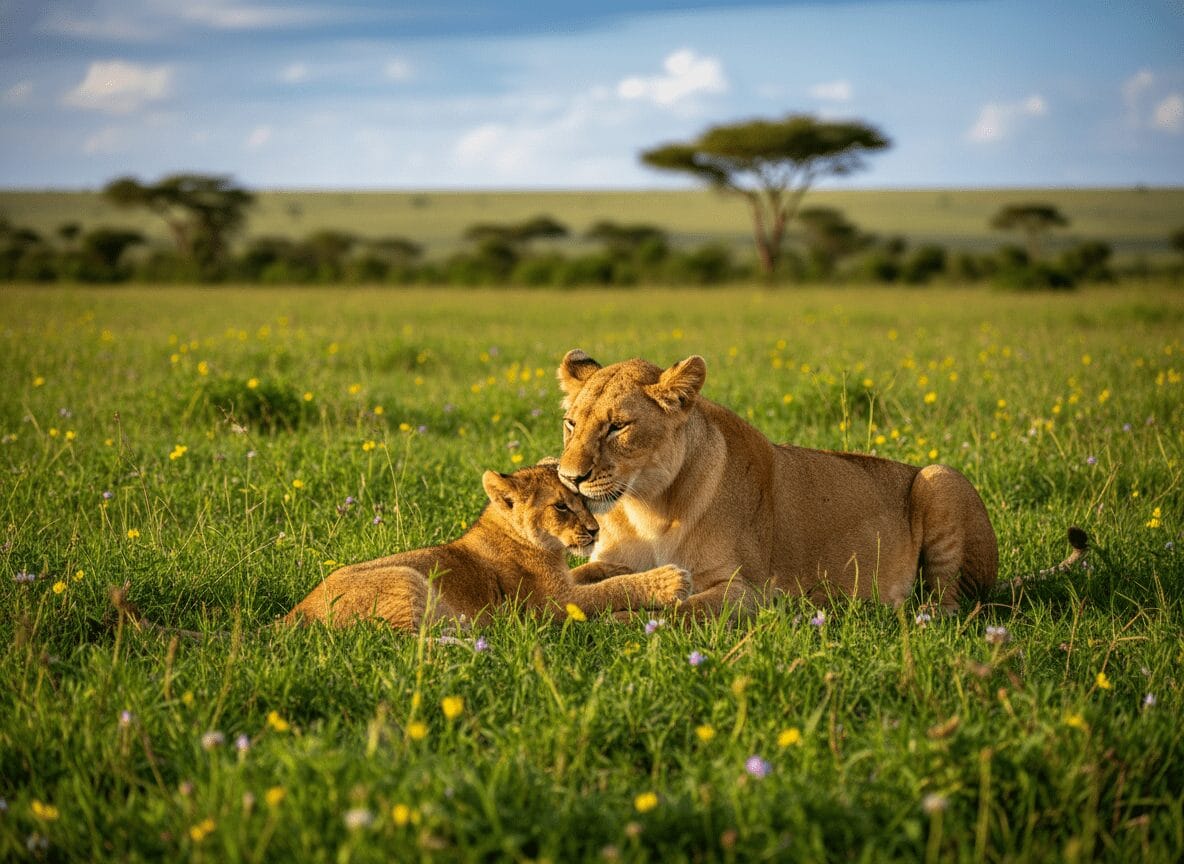
The long rains transform Kenya into a lush, verdant paradise. Vegetation explodes with life. Wildflowers bloom across the savannah. Baby animals arrive—lion cubs, elephant calves, zebra foals—making this the most abundant season for new life.Why visit:- Fewer tourists (lower prices, intimate experiences)
- Incredible bird watching
- Lush landscapes for photography
- Baby animals everywhere 🐘
- Dramatic storm clouds and moody skies
Short Rains (November–December)
The short rains bring scattered showers and refreshing greenery. Wildlife congregates around water sources. The landscape is still vibrant, and crowds are manageable.Why visit:- Moderate rainfall (not constant)
- Excellent predator-prey interactions
- Comfortable temperatures
- Fewer tourists than peak season
The Dry Seasons: Peak Wildlife Viewing
Dry Season (June–October)
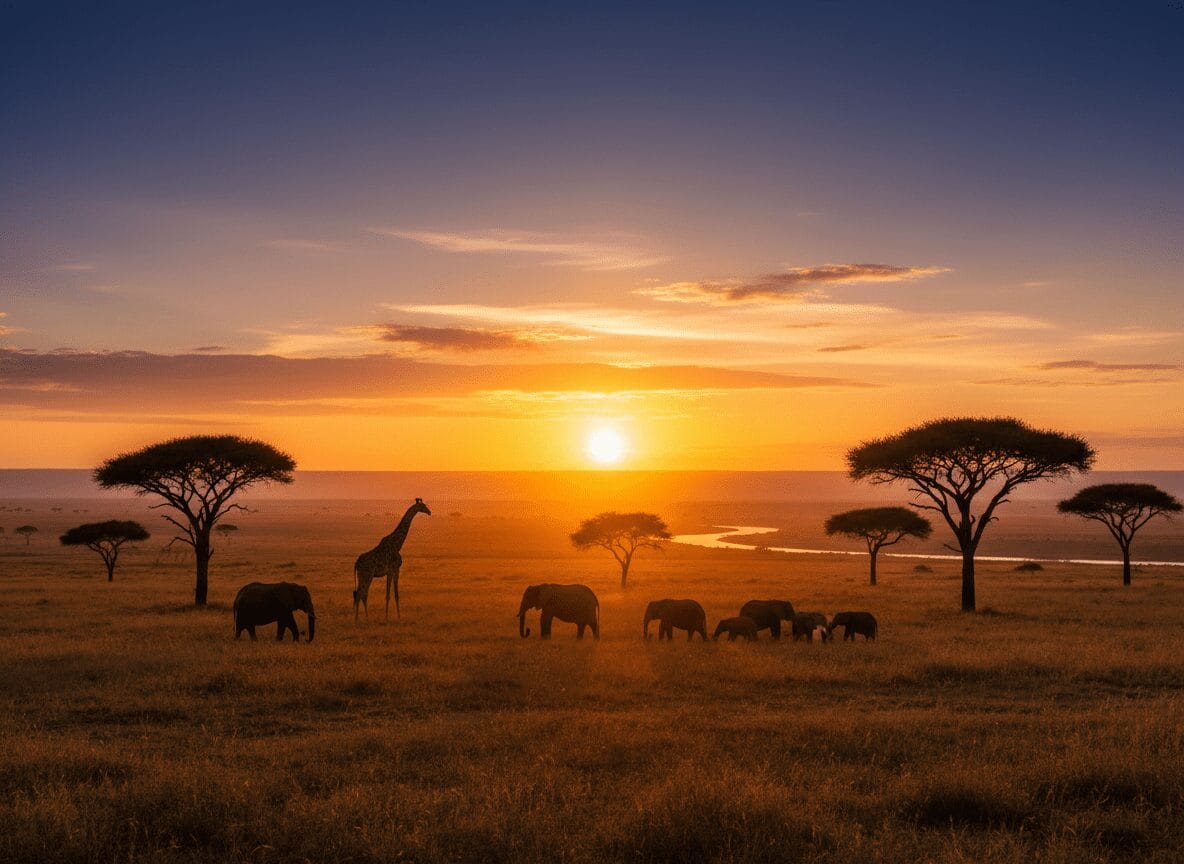
This is peak safari season—and for good reason. Water becomes scarce, forcing wildlife to concentrate around remaining water holes and rivers. Predator sightings are frequent. The Great Migration peaks in July–August as millions of wildebeest and zebras cross the Mara River.Why visit:- Highest wildlife concentration
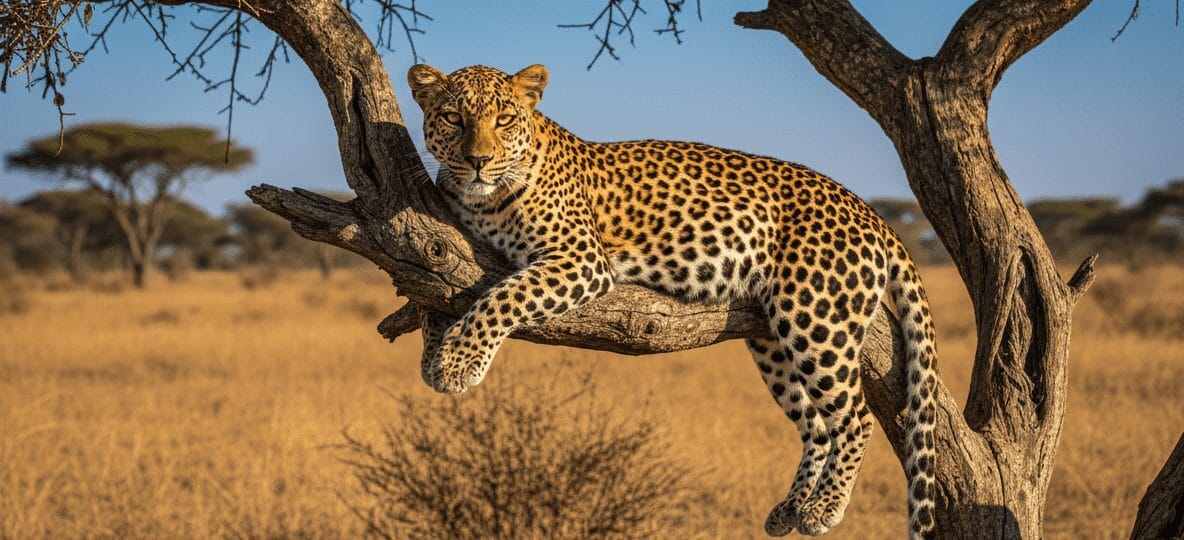
- Best predator sightings (lions, leopards, cheetahs)
- The Great Migration (July–August)
- Clear skies and excellent visibility
- Comfortable temperatures
Hot Season (January–March)
Post-holiday season brings warm, dry weather and excellent wildlife viewing. Calving season (February–March) in the Serengeti means newborn zebras and wildebeest—and hungry predators.Why visit:- Excellent predator activity
- Calving season drama
- Warm, sunny days
- Still fewer crowds than June–October
Special Considerations
The Great Migration (June–October)
The annual migration of 1.5+ million wildebeest and zebras is nature’s greatest spectacle. Peak crossing happens July–August at the Mara River. Witness predators hunting, dramatic river crossings, and the raw power of nature.Best viewing: Masai Mara (Kenya) or Serengeti (Tanzania)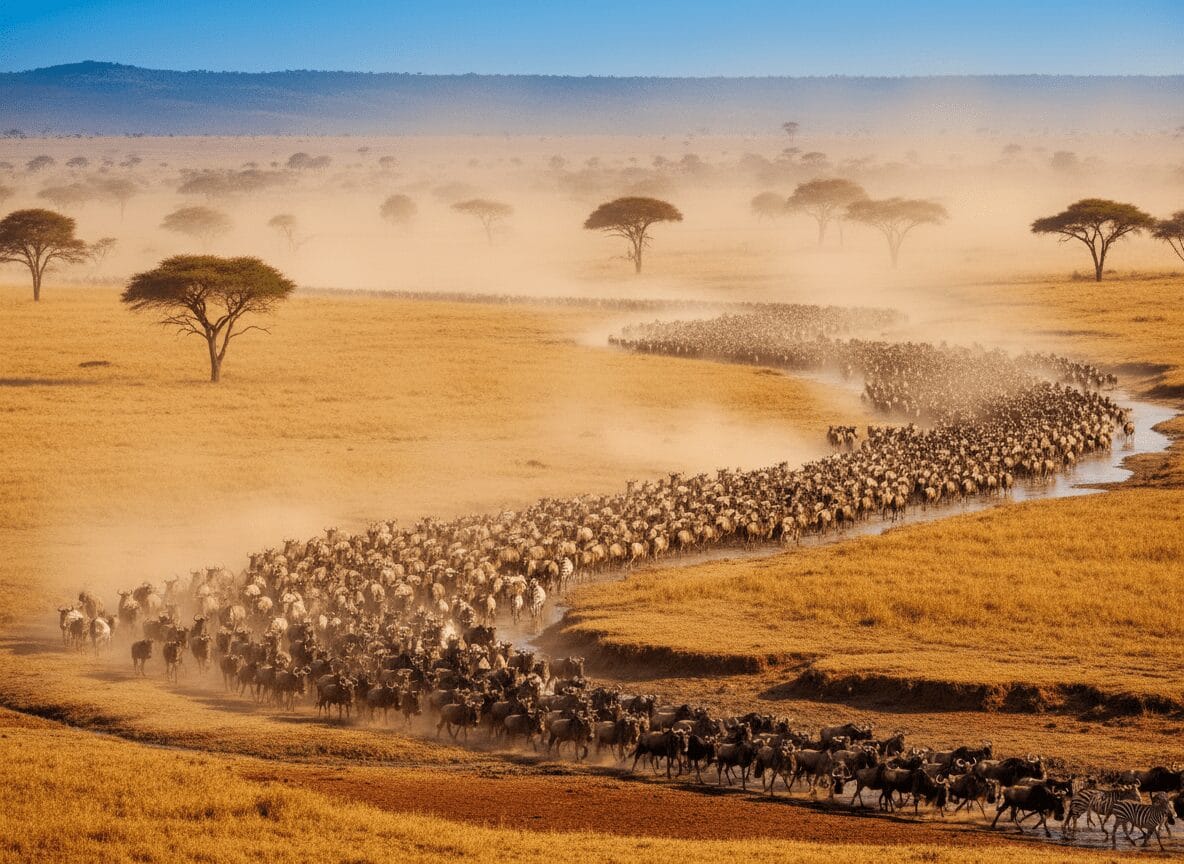
Photography Season
Best months: June–October (dry season, clear skies, dramatic lighting) Runner-up: January–March (warm light, calving action)Budget Travel
Best months: April–May, November (low crowds, discounted rates) Savings: Up to 40% compared to peak seasonFamily Safaris
Best months: January–March, June–October (manageable weather, diverse wildlife) Avoid: April–May (unpredictable rains)Bird Watching
Best months: November–May (migratory species present) Peak: April–May (breeding season, colorful plumage)Best Time to Climb Mount Kenya
Top months: January–March, July–October (clear weather, stable trails) Why it matters: These periods offer the driest conditions, making summit attempts safer and scenery spectacular—think crisp alpine vistas and sunrise cloud seas.What to skip: April–June, November–December (heavy rains, slippery slopes, leeches—decidedly less photogenic).Insider tip: Early mornings yield the best views and least cloud cover. For seasoned hikers and energetic first-timers, Mount Kenya rewards with a truly immersive high-altitude adventure.Kenya’s Beaches: When to Go
Best months: December–March, July–September (less humidity, more sunshine) While Kenya’s Indian Ocean coast basks in warmth year-round, those ideal postcard days—think turquoise waters, powder-white sand, and gentle breezes—are most reliable outside the two main rainy seasons. Aim for the months between December and March or from July to September, when the skies are clearer and the sun reigns supreme.Heads up: Rainfall can surprise you any time, but off-peak periods mean fewer crowds and quieter shores, whether you’re stretching out on Diani Beach or exploring historic Lamu.Weather ExpectationsDry Season (June–October)
- Temperature: 15–25°C (60–77°F) mornings, 25–30°C (77–86°F) afternoons
- Rainfall: Minimal
- Visibility: Excellent
- Packing: Light layers, sun protection
Green Season (April–May, November–December)
- Temperature: 20–28°C (68–82°F)
- Rainfall: Afternoon showers (not all-day rain)
- Visibility: Good (occasional cloud cover)
- Packing: Waterproof jacket, umbrella
Hot Season (January–March)
- Temperature: 25–32°C (77–90°F)
- Rainfall: Minimal
- Visibility: Excellent
- Packing: Sun protection, light clothing
Overall, Kenya’s climate is moderate and inviting year-round, with each season offering a distinct experience—whether you’re after dramatic wildlife spectacles, vibrant green landscapes, or a sun-soaked holiday on the Indian Ocean coast.
Monthly Climate Patterns for Top Destinations
Let’s break down what you can expect for temperature and rainfall across Kenya’s iconic regions throughout the year:- Amboseli National Park: Expect hot days year-round, with afternoon highs ranging from 24°C to 31°C. The heaviest rainfall arrives in April and May, while June through September are especially dry. Pack extra sunscreen for the dry months and a light rain jacket for April.
- Masai Mara National Reserve: Temperatures are pleasant, hovering between 25°C and 28°C most months. Rain peaks April–May and November–December, occasionally muddying tracks but keeping the landscape lush—prime time for vibrant scenery without the crowds.
- Samburu National Reserve: Known for its heat, Samburu often sees daytime highs above 30°C. Expect brief, heavy bursts of rain in April and November, but June through September are reliably dry, making wildlife spotting a breeze.
- Nairobi: Kenya’s capital offers a milder climate, with temperatures from 22°C in July’s cool mornings up to 27°C in the warmer months. April and May bring generous rain; the rest of the year is comfortable and pleasant for exploring city sights.
- Mombasa & Diani Beach: Both coastal regions bask in balmy weather year-round, averaging 24°C to 28°C. The wettest months are April and May—think grey clouds and occasional downpours—while December to March is all bright skies and gentle sea breezes.
- Lamu Archipelago: Consistently warm and humid, Lamu stays close to 29°C or 30°C nearly every month. Rain is fairly low except for a wetter stretch from April to June, but even then, it’s mostly quick afternoon showers followed by sunshine.
Coastal Weather: What to Expect by the Beach
Kenya’s Indian Ocean coastline offers up a distinct slice of East African weather—think warm temperatures and humidity that rarely takes a holiday. Here’s what you can generally expect:- Year-Round Warmth: Coastal areas are famously hot and humid no matter the season. Evenings bring little drop in temperature, with balmy nights a given.
- Rainfall Patterns: Rains can make an appearance at any time but are especially notable during the main rainy seasons (April–May and November–December). During these months, beaches may see more frequent showers, sometimes turning paradise a bit soggy.
- Peak Beach Weather: January to March is typically hot and less rainy, making these months popular for sun-seekers. Expect high daytime temperatures—bring your lightest clothes and plenty of sunscreen.
- Green Season: April and May mark the height of the long rains along the coast. The sand may not be as inviting, with wetter days more common, though nights generally remain warm.
- Dress the Part: Whether you’re visiting during a dry spell or in the midst of afternoon showers, packing light, breathable clothing, sun protection, and a rain jacket or umbrella is a smart move.
The Trunktrails Advantage 🦁
At Trunktrails Safaris, we know Kenya’s seasons like the back of our hands. We’ve crafted tailor-made safaris for every season and every traveler:- Flexible itineraries: Choose your dates; we’ll design your perfect safari
- Expert guides: Local knowledge of wildlife patterns, water sources, and hidden gems
- All budgets welcome: From budget camping (April–May) to luxury lodges (June–October)
- Conservation-first: 5% of every booking funds anti-poaching and community projects
- 24/7 support: WhatsApp, email, phone—we’re here before, during, and after your safari