
Kenya Conservancy Volunteer Programs: How to Give Back on Your 2026 Safari
Kenya’s wildlife needs more than your entry fees. If you are looking for a kenya conservancy volunteer program that produces measurable outcomes, not Instagram moments, you are asking the right question. This guide cuts through the greenwashing and shows you exactly which programs are doing real work, what you will actually do on the ground, and how Trunktrails Safaris can build a hybrid itinerary that combines your volunteer placement with a private game drive extension. 🌍
Why Kenya’s Conservancies Need Volunteers Right Now
Kenya has roughly 1 ranger for every 10,000 acres of protected land in community conservancies outside the national park system. That ratio is not a staffing preference. It is a conservation crisis.
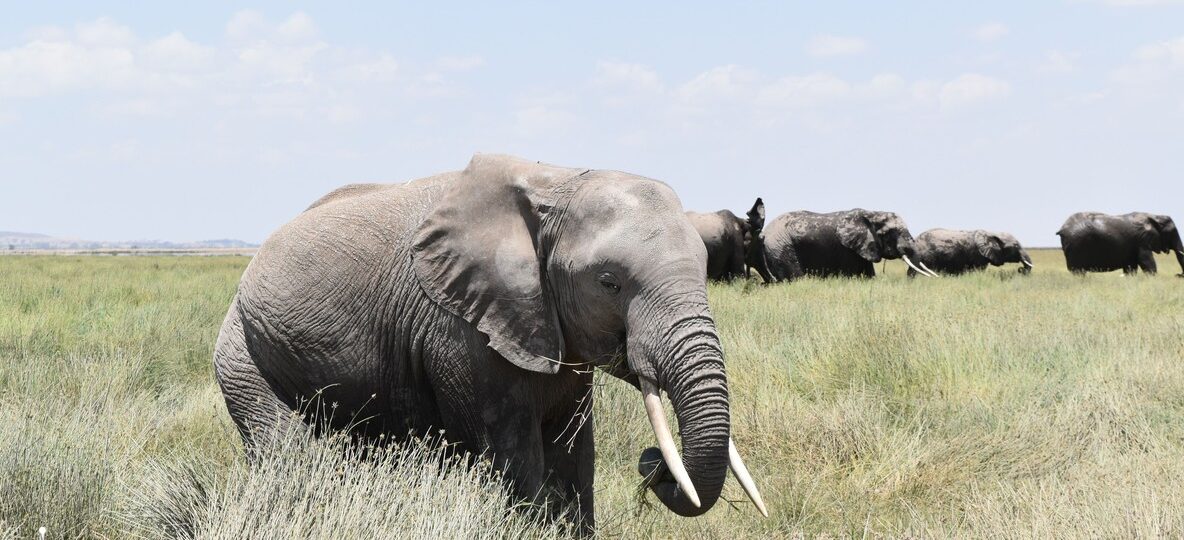
Poaching pressure on rhino and elephant has intensified across the Laikipia Plateau since 2020, as documented by Kenya Wildlife Service in successive annual reports. Community conservancies that depend on tourism revenue took catastrophic income losses during the pandemic years, and many have not fully recovered. The funding gap has direct consequences: fewer anti-poaching patrols, delayed wildlife census cycles, and community programs that stall when donor support thins.
This is where a kenya conservancy volunteer program produces outcomes that tourism dollars alone cannot buy. A paying guest generates revenue. A qualified volunteer generates data, labour, and field presence in areas that would otherwise go unmonitored. Camera trap networks cannot maintain themselves. Transect counts require boots on the ground at first light. Habitat restoration requires hands, not just funds.
Kenya conservation volunteer contributions are not symbolic. These contributions are operationally load-bearing for under-resourced conservancies. The distinction matters if you care about impact over optics. In fact, every kenya conservancy volunteer program worth its fee is built around this principle.
What to Look for in a Legitimate Kenya Wildlife Volunteer Program
The volunteer safari kenya market is crowded, and a significant portion of it is designed around the volunteer’s experience rather than conservation outcomes. Here is how to tell the difference before you commit.
Two red flags that should end the conversation immediately:
- No local staff payment — If a program relies on volunteers to perform roles that would otherwise be held by paid Kenyan rangers, researchers, or community staff, you are not supplementing conservation. You are displacing local employment. Legitimate programs use volunteers to extend capacity, not replace it. Ask directly: “What roles do your full-time Kenyan staff hold, and how does my role differ?”
- No outcome reporting — If a program cannot show you annual wildlife data, census results, or published conservation reports, they have no evidence that your time produced anything measurable. Ask for the last two years of outcome reports before signing. If they do not exist, walk away.
What a legitimate program looks like:
- Hosted by a registered NGO or a community conservancy with a conservation mandate (not a commercial operator selling “volunteer experiences”), verified through the Kenya Tourism Board’s registered operator list
- Volunteers work under the supervision of Kenyan researchers or rangers, not as autonomous actors
- Community benefit is structured and documented (revenue sharing, employment quotas, school support)
- Your application is assessed for fit, not just for payment
- Minimum stay requirements exist because short placements have limited research value
The volunteer safari kenya sector has improved significantly over the past five years. The best programs are serious scientific operations. The worst are wildlife tourism in disguise. Knowing the difference protects both your time and the ecosystems you want to help. When you choose a kenya conservancy volunteer program using the criteria above, you are choosing one of the former.
Top Kenya Conservancy Volunteer Programs in 2026
These programs have demonstrated outcome reporting, local staff structures, and community benefit frameworks. This is not an exhaustive list, but it covers the highest-credibility options currently accepting applications. 🐘
| Conservancy | Type of Work | Min Stay | Cost Range (per month) | Outcome Tracked |
|---|---|---|---|---|
| Ol Pejeta Conservancy rhino monitoring | Rhino monitoring, camera trap data, wildlife census | 4 weeks | $800-$1,500 | Individual ID database, calving records |
| Lewa Wildlife Conservancy | Community ranger support, GPS tracking, habitat surveys | 4 weeks | $900-$1,800 | Rhino and elephant population data |
| Maasai Mara Conservancies | Wildlife census, predator monitoring, anti-poaching patrol support | 2 weeks | $600-$1,200 | Annual wildlife census, incident reports |
| Laikipia Plateau Programs | Camera trap networks, habitat restoration, community engagement | 4 weeks | $700-$1,400 | Camera trap coverage maps, species logs |
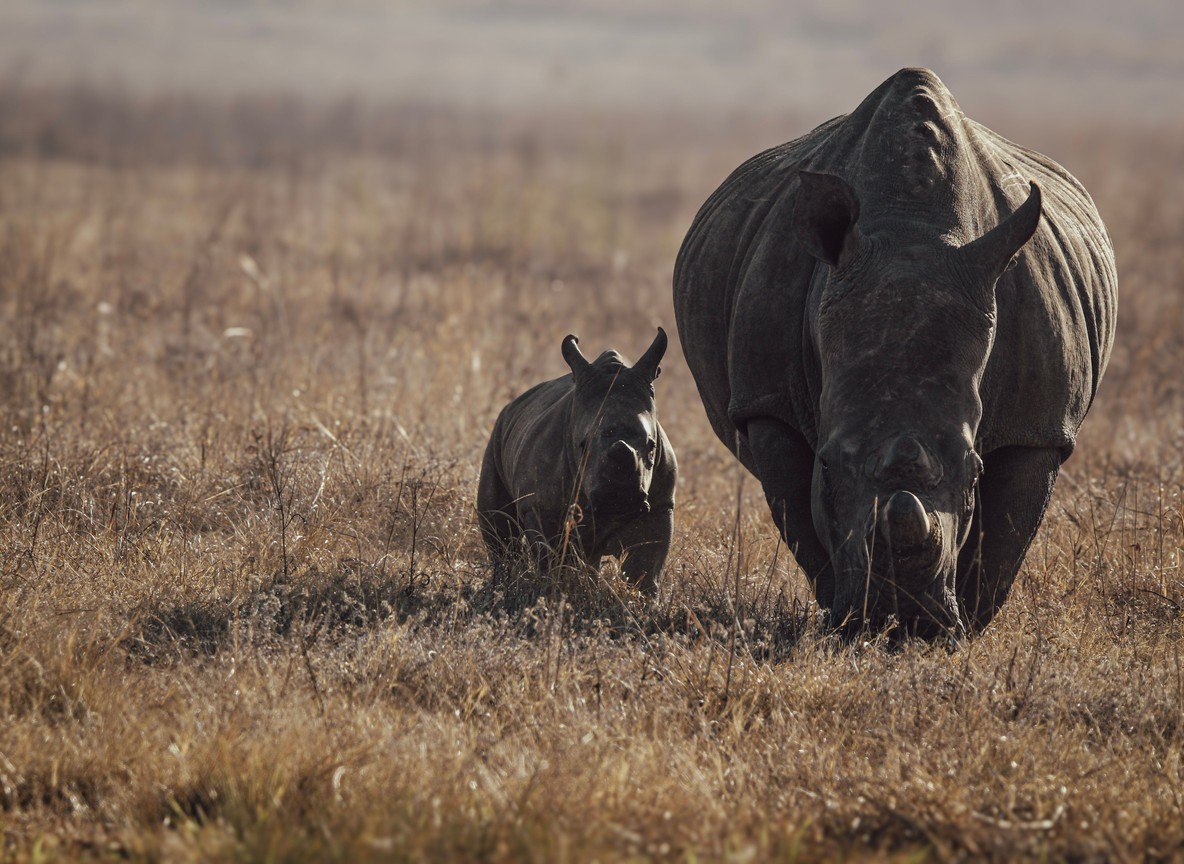
Ol Pejeta is the most structured entry point for the rhino sanctuary Kenya space. Their research team integrates volunteers into a formal data-collection workflow. You are not watching rhinos. You are contributing to the individual identification database that informs breeding decisions for the last two northern white rhinos on earth.
Lewa Wildlife Conservancy pairs volunteer support with community ranger training. The Lewa Wildlife Conservancy model is particularly strong on community benefit documentation, which is the metric most serious volunteers underweight. Lewa also hosts the Lewa Safari Marathon annually, which funds ranger salaries directly.
Laikipia Plateau programs are less well-known internationally but operationally significant. The plateau hosts Kenya’s second-largest elephant population and a high density of predator species. Camera trap maintenance and transect counting here feeds into national wildlife databases.
What Work Do Volunteers Actually Do? A Day-by-Day Reality
Let us be specific, because “wildlife volunteer kenya” means very different things depending on the program. Here is a realistic picture of what your days look like. 📸
Typical week on a research-focused placement:
- Days 1-2: Orientation, safety briefing, introduction to data protocols, equipment familiarization
- Days 3-5: Supervised field work. Camera trap checks across a designated grid, recording species, timestamps, and battery status. GPS waypoint logging. Morning transect walks (5-7 km, starting before sunrise)
- Days 6-10: Independent field rotations under ranger supervision. Anti-poaching patrol support (observation and reporting, not enforcement). Afternoon data entry and species identification sessions
- Week 2 onward: Specialization begins. Research volunteers move into species-specific monitoring. Community-focused volunteers shift toward school sessions or ranger training support
What you will not do: Make wildlife management decisions. Interact directly with injured or sedated animals without veterinary supervision. Work unsupervised in high-risk zones.
Habitat restoration work runs separately and involves physical labour: invasive species removal, waterhole maintenance, fence-line patrol. It is unglamorous and essential.
The camera trap data collection component is the most consistently available role across all programs. Staff provide species recognition training on arrival. Most kenya conservancy volunteer programs require no prior field research experience for this track, though biology or ecology backgrounds are valued in research roles.
Kenya Volunteer Safari Costs: What to Budget in 2026
Placement fees across reputable Kenya conservancy volunteer programs run $500 to $2,500 per month depending on the conservancy, the type of work, and the accommodation tier.
What the fee typically covers:
- Accommodation (shared research station or community bandas)
- Three meals per day (simple, local)
- In-field transport
- Conservation levy contribution
- Program coordination
What it usually does not cover:
- International flights
- Kenya e-visa ($51 for most nationalities)
- Travel and medical insurance (mandatory for all programs)
- Personal equipment (field boots, headlamp, binoculars)
- Any days outside the program
Budget $1,200 to $2,000 per month all-in for a mid-range placement, excluding flights.
Trunktrails Safaris tours and safaris can combine a volunteer block with a private game drive extension. The kenya safari cost per day runs $250 to $450 per person for mid-range to premium packages. Built as a single itinerary, your conservancy logistics and safari legs cost less than booking them separately.
The Trunktrails Advantage: Pairing Volunteer Work With a Real Safari
Most placement organisations will connect you to the conservancy. They will not coordinate your arrival transfer, your Nairobi layover hotel, your onward safari, or your departure logistics. That is where Trunktrails Safaris tours and safaris step in.
What Trunktrails Safaris builds for volunteer-safari hybrid itineraries:
- Pre-placement: Nairobi airport collection, one or two-night city stay, ground transport to the conservancy
- Mid-placement: Optional weekend game drive at a neighbouring private conservancy (available at Ol Pejeta and Laikipia-based programs)
- Post-placement extension: Three to five days private safari in Samburu, the Maasai Mara, or a Laikipia private conservancy with a dedicated guide and vehicle
Trunktrails Safaris holds direct relationships with conservancy management at Ol Pejeta and across the Laikipia Plateau. When placement programmes have waitlists or last-minute availability, our operator contacts carry weight that online booking platforms do not.
All Trunktrails Safaris tours and safaris operate under a 5% conservation contribution on every booking, which is channelled to community conservancies. So even the private safari days you add to your itinerary produce direct conservation benefit.
We are, native Kenyan-owned, and built for travellers who want more than a postcard. 🦁
How to Apply: Steps to Join a Kenya Conservancy Volunteer Program
This numbered format directly answers “how to volunteer in kenya wildlife” for anyone researching the application process.
- Identify your host conservancy. Choose based on species focus (rhino at Ol Pejeta, mixed wildlife at Lewa), work type (research vs. community), and minimum stay you can commit to. Use the comparison table above.
- Apply directly or through a vetted placement organisation. Direct applications to conservancies like Ol Pejeta and Lewa are accepted on their websites. If using a third-party placement org, verify they are registered in Kenya and can show outcome reports from the host conservancy.
- Complete pre-departure health and visa preparation. Kenya e-visa is processed online at eCitizen Kenya. Yellow fever vaccination is required. Travel and medical insurance with emergency evacuation cover is mandatory for all field placements. Consult your doctor about malaria prophylaxis at least six weeks before departure.
- Pack for field conditions. Neutral-coloured clothing (no bright colours or white), sturdy field boots (broken in before arrival), quality binoculars, a head torch with spare batteries, a basic first aid kit, and a solar charger. Leave perfumes and colognes at home.
- Contact Trunktrails Safaris to coordinate arrival logistics and any post-placement safari extension. We handle airport transfers, Nairobi accommodation, conservancy transport, and the full post-placement safari itinerary. One contact, one itinerary, one operator who knows both the conservancy and the safari circuit.
Frequently Asked Questions
How much does it cost to volunteer at a Kenya conservancy?
Placement fees range from $500 to $2,500 per month depending on the conservancy, accommodation type, and programme level. Mid-range placements at established conservancies like Ol Pejeta and Lewa typically run $900 to $1,500 per month including accommodation and meals. Add international flights, visa, insurance, and personal kit for your total budget.
Do I need specific qualifications to volunteer in Kenyan wildlife conservation?
Most programmes welcome motivated non-specialists for camera trap maintenance, transect counting, and habitat restoration work. Orientation and field training are provided on arrival. Research roles focused on species-specific data collection may require a biology, ecology, or zoology background. If you have professional conservation credentials, mention them in your application as some conservancies offer specialist placements not listed on public pages.
Can I combine a volunteer placement with a private safari in Kenya?
Yes. Trunktrails Safaris specialises in hybrid itineraries that combine a volunteer block at Ol Pejeta or Lewa with a private game drive extension in Samburu, the Maasai Mara, or a Laikipia conservancy. We coordinate the full logistics: transfers, accommodation between phases, and the safari itself. It is the most complete way to experience Kenya conservation work from the inside and the outside. ✨
Ready to Build a Volunteer Safari Itinerary That Actually Matters?
Kenya’s conservancies are not short of interest. They are short of consistent, skilled presence. If you have the time and the seriousness, a kenya conservancy volunteer program gives you access to conservation work that no amount of gate fees can fund.
Trunktrails Safaris can coordinate your full Kenya itinerary: from conservancy arrival to private safari close. We know the programs, the people, and the landscape.
Contact us to start planning:
Further reading
📞 WhatsApp: +254 113 208888 📧 Email: info@trunktrailssafaris.com 🌍 Website: https://trunktrailssafaris.com ✅ | Native Kenyan-owned operator
Image credits: Photo by Lucie Burlet on Pexels; Photo by Chané Timmerman on Pexels; Photo by Lloyd Alozie on Pexels; Photo by Bruno Almeida on Pexels; Photo by John M on Pexels

