

What to Wear in Lake Nakuru National Park: Complete Safari Packing Guide
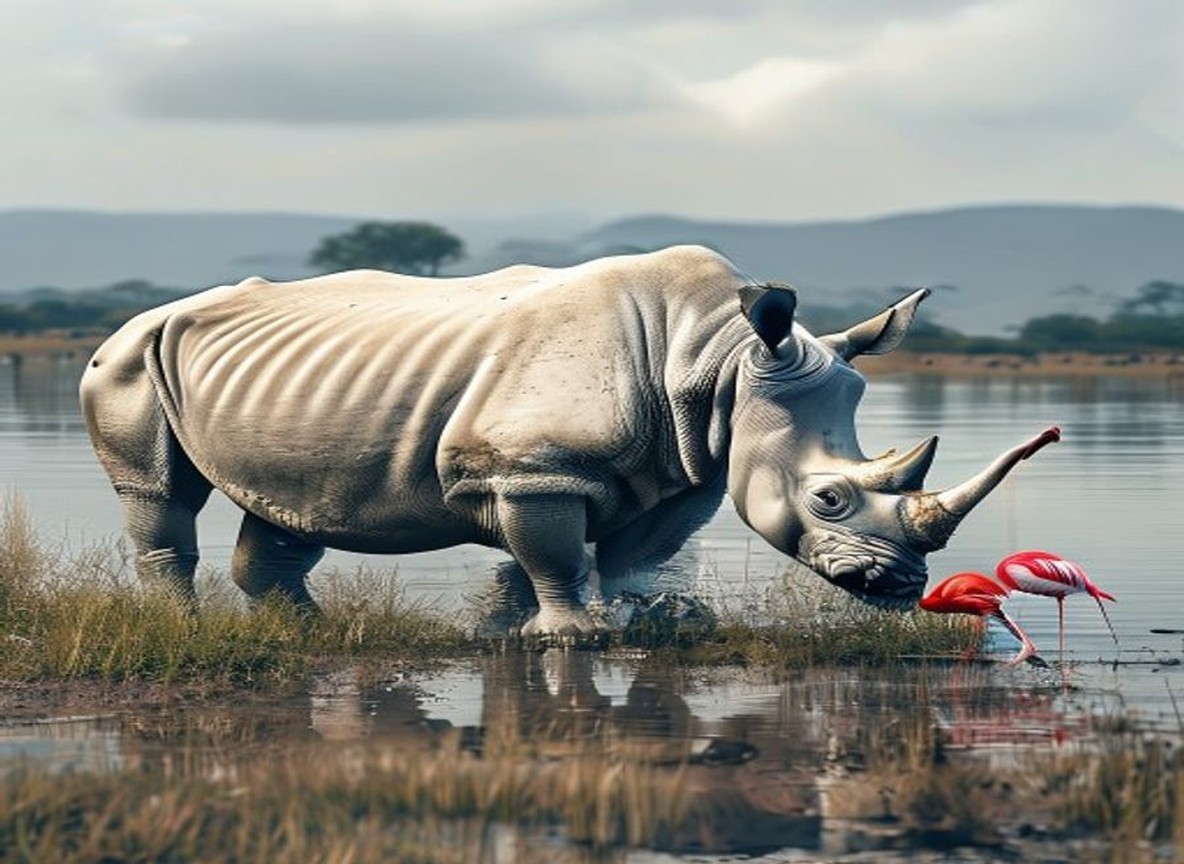
If you are planning a safari and asking what to wear in lake nakuru national park, start with a practical layer system. You need clothing that handles cool dawn game drives, warm midday sunshine, dusty roads, and cooler evenings in camp. Good safari clothing is not about fashion trends. It is about comfort, safety, and staying focused on wildlife instead of feeling too hot, too cold, or underprepared.
At Trunktrails Safaris, we prepare guests for these exact conditions every week. Travelers who pack a simple, repeatable wardrobe enjoy smoother game drives and better rest between activities. They spend less time changing outfits and more time enjoying sightings, landscapes, and camp experiences. This guide gives you a complete plan for clothing, shoes, accessories, and seasonal adjustments in Lake Nakuru National Park.
Why Clothing Choices Matter in Lake Nakuru National Park
Most first-time visitors think packing is straightforward until they experience their first sunrise drive. Dawn can feel cold in an open vehicle, even after a warm afternoon the previous day. By late morning, direct sun and road dust can become the biggest challenge. After sunset, temperatures can drop again.
The right wardrobe supports:
- Better comfort from dawn to evening
- Sun protection on long drives
- Dust protection on dry routes
- Insect protection around sunrise and sunset
- Easier movement in vehicles and around camp
Well-planned clothing improves the quality of tours and safaris because you stay comfortable enough to enjoy every hour of your itinerary.
Best Colors to Wear
For most days in Lake Nakuru National Park, neutral earth colors are best:
- Khaki
- Olive
- Beige
- Brown
- Light grey
These shades are practical, easier to repeat over multiple days, and less stressful to maintain in dusty safari conditions.
Colors to avoid as your main wardrobe:
- Neon shades
- Bright white-heavy outfits
- Full black in midday heat
- Camouflage-style clothing
Guests often ask if color really matters. The answer is yes. A neutral palette keeps your packing simple and helps every item match the next.
Morning Game Drive Clothing
Morning drives are usually the coolest part of the day. Start with layers and remove pieces as the sun rises.
Recommended morning setup:
- Long trousers
- Breathable base layer
- Warm fleece or light insulated layer
- Light wind-resistant outer jacket when needed
- Closed shoes with comfortable socks
This setup works across many tours and safaris and gives you flexibility without adding excess weight to your bag.
Midday and Afternoon Clothing
By midday, sun exposure and heat become the priority. The best approach is lightweight coverage.
Recommended midday setup:
- Lightweight long-sleeve shirt
- Breathable safari trousers
- Brimmed hat or cap
- UV-protection sunglasses
- Dust scarf or buff
Long sleeves in light technical fabric usually feel better than heavy short sleeves during direct sun.
Evening and Camp Clothing
Evenings in Lake Nakuru National Park often cool quickly after sunset. Keep one clean, practical evening setup ready.
Recommended evening setup:
- Long trousers
- Long-sleeve top or light sweater
- Fleece or light jacket
- Closed shoes around paths and dining areas
You do not need formal wear for most camps. Smart casual clothing is usually enough.
Shoes: What to Pack
For standard drive-focused itineraries:
- One broken-in pair of walking shoes or trail shoes
- One lightweight pair for camp use
For itineraries with added walking activities:
- Closed shoes with reliable grip
- Socks that reduce friction and moisture buildup
Heavy boots are not necessary for most drive days. Comfort and fit matter more than stiffness.
7-Day Core Packing List
Use this core list for most safari plans in Lake Nakuru National Park:
- 3 to 4 breathable tops
- 2 to 3 pairs of lightweight trousers
- 1 warm mid-layer
- 1 light wind-resistant jacket
- 1 set of sleepwear
- 7 pairs of underwear
- 4 to 5 pairs of socks
- 1 hat
- 1 buff or scarf
- 1 pair of walking shoes
- 1 pair of camp shoes
Useful extras:
- Packable rain shell
- Light gloves for cold dawn drives
- Swimsuit when your camp has a pool
At Trunktrails Safaris, this is the practical baseline we use before tailoring final checklists to route and season.
Fabric Choices That Work Best
Choose fabrics that breathe well, dry quickly, and feel comfortable after long outdoor hours.
Best options:
- Cotton blends for daily comfort
- Lightweight technical fabrics for faster drying
- Thin merino-style layers for cool mornings
Avoid:
- Heavy denim for repeated game drives
- Thick fabrics that trap too much heat
- Delicate materials that snag easily
Good fabric choices reduce laundry pressure and keep luggage weight under control.
Seasonal Adjustment Strategy
Packing for Lake Nakuru National Park works best when you prepare for temperature swings instead of fixed weather.
Dry periods usually require:
- Better dust protection
- Stronger sun coverage
- Reliable hydration routine
Rainy windows usually require:
- Quick-dry clothing
- Light rain shell
- Extra socks
The best approach is flexible layering. Trunktrails Safaris provides date-based recommendations so your final packing list matches your exact travel period.
Accessories That Improve Comfort Every Day
Small items can make a major difference:
- Polarized sunglasses
- SPF lip balm
- Broad-spectrum sunscreen
- Reusable water bottle
- Lightweight daypack
- Headlamp or small torch
- Insect repellent
These items support smoother tours and safaris by reducing small discomforts that add up over multi-day itineraries.
Common Packing Mistakes to Avoid
- Overpacking clothing but underpacking layers
- Bringing brand-new shoes that cause blisters
- Using bright colors for most outfits
- Forgetting warm dawn protection
- Ignoring sun and dust accessories
A compact repeatable wardrobe usually performs better than a large mixed suitcase.
Family, Luxury, and Photographer Notes
Families
Children often feel cold earlier in open vehicles. Pack one extra warm layer per child.
Luxury travelers
You can keep things practical and still polished by choosing neutral, well-fitted pieces.
Photographers
Pack neutral clothing, brimmed headwear, and dust protection. Long waits feel easier when your clothing system is comfortable.
Why Guests Choose Trunktrails Safaris
When you travel with Trunktrails Safaris, your preparation reflects real Kenyan field conditions rather than generic lists.
- Native Kenyan safari team
- Itinerary planning for different budgets and styles
- 24/7 support before and during travel
- Conservation-aware operations
- standards
That support makes arrival smoother, packing lighter, and safari days more enjoyable in Lake Nakuru National Park.
Final Word
If you are still deciding what to wear in lake nakuru national park, keep it simple: neutral tones, breathable layers, practical shoes, and season-aware accessories. This approach reduces friction and lets you focus on wildlife and scenery instead of wardrobe stress.
Book with Trunktrails Safaris for expert planning and reliable ground support.
Further reading
WhatsApp: +254 113 208888 Email: info@trunktrailssafaris.com Website: https://trunktrailssafaris.com
FAQs: Lake Nakuru National Park
Can I wear shorts on safari?
You can, but lightweight long trousers are usually more practical for dust, sun, and insects.
Do I need a heavy jacket?
Usually no. A warm mid-layer plus a light outer shell is enough for most dawn drives.
Are neutral colors really necessary?
Yes. They are practical in safari settings and easier to repeat for several days.
Should I pack hiking boots?
Only if your itinerary includes extensive walking activities. For standard game drives, quality walking shoes are enough.
What luggage should I use?
A soft duffel is usually best for safari transfers and domestic movement.

