

Seasons in Samburu National Reserve: Month-by-Month Safari Guide
If you are planning a safari and researching seasons in samburu national reserve, timing is one of the biggest decisions you will make. The right month affects wildlife visibility, road conditions, lodge rates, crowd levels, and the overall pace of your trip. In Samburu National Reserve, season choice can shape everything from how long drives feel to how much flexibility you have for activities.
At Trunktrails Safaris, we plan routes around field realities, not assumptions. Every season in this destination has strengths. Some months are excellent for clearer tracks and concentrated wildlife viewing. Others are better for greener landscapes, quieter camps, and value-focused travel. This guide explains how each season works so you can pick the period that matches your goals and budget.
Samburu National Reserve is known for semi-arid climate, riverine corridors, and strong sun exposure. Because of that, seasonal planning should go beyond one generic weather line. You want a month-by-month view that links climate, wildlife movement, activity options, and travel cost.
Quick Seasonal Snapshot
For most travellers, seasons in samburu national reserve can be grouped like this:
- Dry-leaning prime window: June to October
- Green and shoulder windows: November to May
- Short rains are usually around November to December
- Long rains are usually around April to May
This structure gives you an immediate planning frame before we break down each month range.
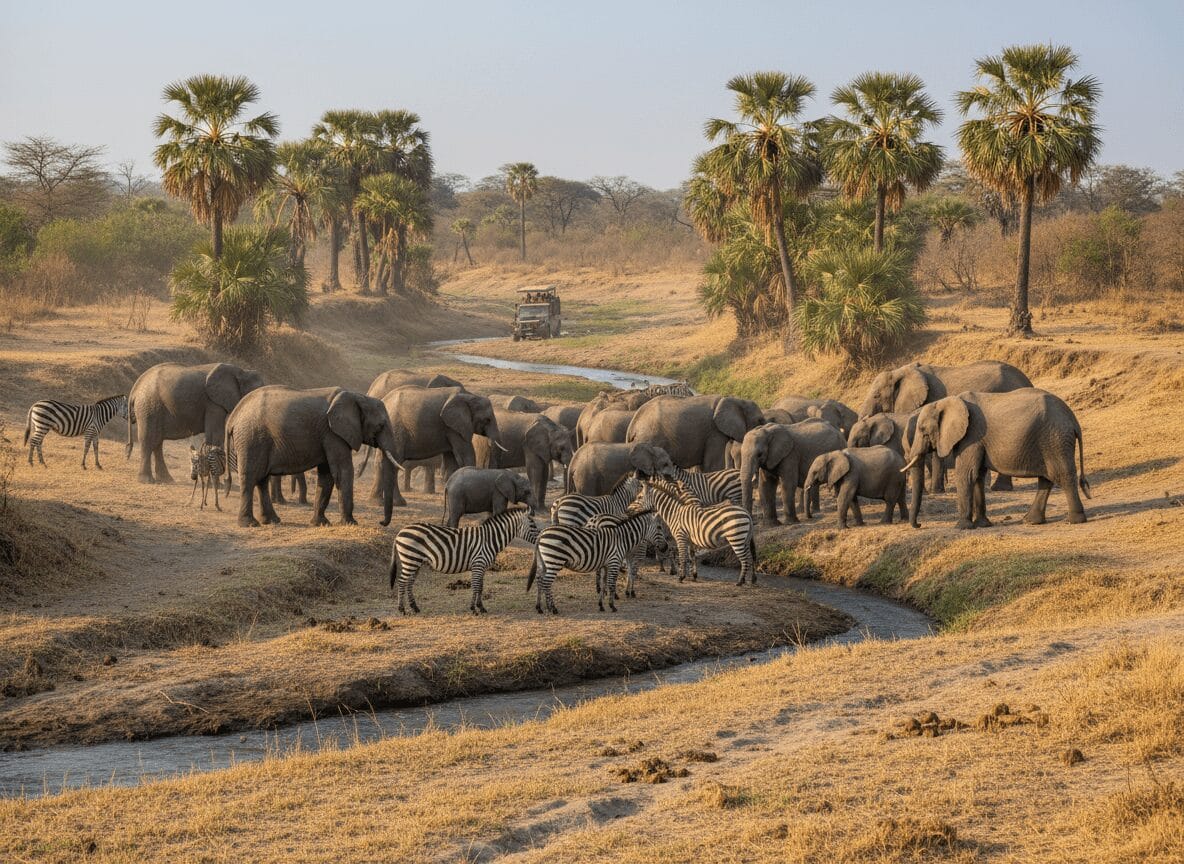
January to March: Warm, Clear, and Strong for General Safari Travel
January through March is often one of the easiest periods for first-time safari planning. Conditions are generally stable, skies are often clear, and game drives run smoothly.
What this period is good for:
- Reliable wildlife viewing pace
- Crisp light for photography
- Comfortable planning for mixed-age groups
- Good road usability in most sectors
What to expect:
- Warm afternoons and cooler starts
- More daylight confidence for longer game-drive days
- Mid-season pricing in many properties
For many guests booking tours and safaris, this is a balanced season between peak rates and heavy-rain uncertainty.
April to May: Long Rains, Green Landscapes, and Value Opportunities
April and May are usually the wettest months. This does not mean travel stops. It means planning precision matters more.
Benefits of this period:
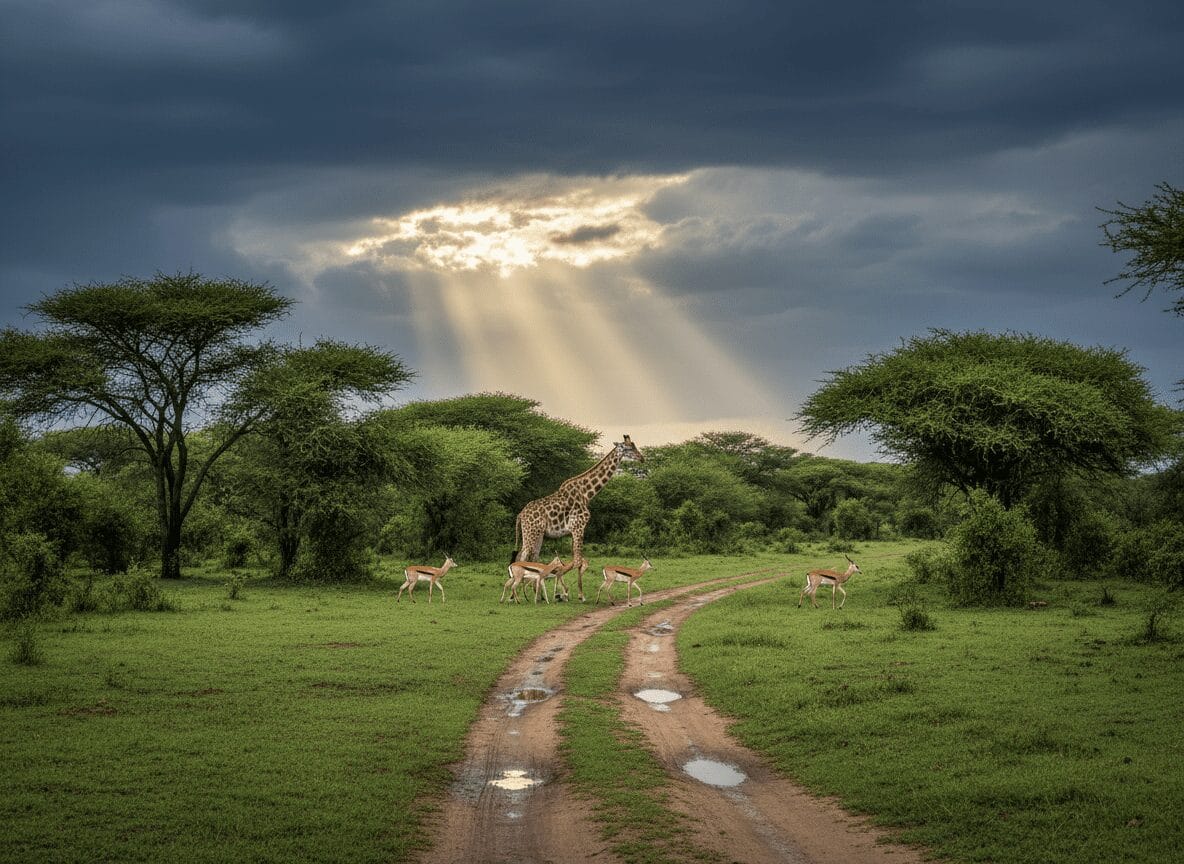
- Lush scenery and dramatic skies
- Lower occupancy in many camps and lodges
- Better value options for budget-sensitive itineraries
Challenges to manage:
- Muddy sections on certain routes
- Potential delays in some activity timing
- Increased need for flexible daily scheduling
With the right route design, this period can still be rewarding. Trunktrails Safaris usually builds rain-season plans with smart drive-time buffers and suitable vehicle strategy.
June to October: Classic Dry-Season Window
June to October is often the most requested window because conditions are usually drier and easier for wildlife tracking.
Why guests prefer this period:
- Better visibility in shorter grass zones
- Predictable game-drive logistics
- Comfortable safari rhythm for families and first-time visitors
What to note:
- Cooler dawns and evenings
- Higher demand for well-located camps
- Peak pricing pressure in top properties
For travellers who prioritize consistency and classic safari conditions, this is often the strongest fit.
November to December: Short Rains and Transitional Advantage
November and December often bring short rain spells with productive wildlife activity and fresh scenery.
Strengths of this period:
- Fewer crowds than peak dry months
- Good value in selected properties
- Beautiful green backdrops for photos
Planning notes:
- Rain can arrive in bursts rather than all-day washouts
- Layered clothing and quick-dry gear help significantly
- Timing game drives around weather windows is useful
In many years, this period delivers strong experiences for guests who want a quieter pace without entering heavy-rain months.
Wildlife Viewing by Season in Samburu National Reserve
When people ask about seasons in samburu national reserve, they often mean wildlife quality. The answer is that each season shifts how sightings happen.
Dry windows often offer:
- Easier visibility in open areas
- More concentrated movement near water sources
- Efficient game-drive tracking in many sectors
Green windows often offer:
- Fresh scenery and active landscapes
- Rich birdlife periods in many habitats
- Distinctive photographic atmosphere
The best month depends on your expectations: predictable tracking efficiency versus greener visual experience and lower crowd pressure.
Pricing and Availability by Season
In Samburu National Reserve, pricing is strongly shaped by river-camp demand and heat-smart scheduling.
Typical pattern:
- Peak dry and high-demand windows: higher rates and tighter availability
- Shoulder windows: mixed rates with tactical offers
- Green windows: better value when schedules remain flexible
For smart tours and safaris, booking lead time and camp tier often influence final value as much as the month itself.
Best Season by Traveller Type
First-time safari travellers
June to October or January to March are usually easiest for planning confidence.
Families
Dry windows are often simpler for logistics, but selected shoulder months can work well with the right schedule.
Photographers
Dry months support crisp wildlife visibility. Green months support dramatic skies and richer landscape tones.
Value-focused travellers
April, May, November, and early December can provide stronger rate opportunities when route planning is done carefully.
Activity Planning by Season
In Samburu, seasonal planning revolves around heat, river corridors, and daylight comfort.
Dry-window activity strength:
- Sunrise and late-afternoon drives for better thermal comfort
- Efficient river-line tracking where wildlife movement concentrates
- High-yield sessions for guests prioritizing sightings over scenery stops
Green-window activity strength:
- Bird-focused drives with more time in riverine habitat
- Short, flexible loops that avoid overcommitting in wet spells
- Mixed scenic and wildlife sessions with photography pacing
At Trunktrails Safaris, we design Samburu days around cooler hours first, then adjust midday plans to preserve guest comfort and energy.
Packing Strategy by Season
Season-smart packing reduces trip friction.
Dry-window basics:
- Layer for cold dawn then warm midday
- Dust protection for face and camera gear
- Hydration support and sun protection
Green-window basics:
- Lightweight rain shell
- Quick-dry layers and extra socks
- Waterproof storage for electronics
This matters because comfortable guests get more out of each drive and each stop.
Common Seasonal Planning Mistakes
- Choosing months only by headline weather terms
- Ignoring the difference between short rains and long rains
- Booking late in high-demand windows
- Not adjusting activity timing to seasonal conditions
- Treating all Kenya destinations as if they share one weather pattern
Season-aware planning avoids these issues and improves trip value.
Further reading
Why Plan with Trunktrails Safaris
When you book with Trunktrails Safaris, you get planning based on current ground awareness and practical route design.
- Native Kenyan safari specialists
- Tailored itineraries across budget levels
- 24/7 pre-trip and in-trip support
- Conservation-aware safari operations
- standards
This gives you better month selection, smoother logistics, and clearer expectations before you travel.
Final Word: Choosing the Right Season in Samburu National Reserve
If you are deciding seasons in samburu national reserve, focus on your top priority first: wildlife tracking consistency, greener scenery, lower rates, or lower crowd pressure. Then choose the month window that supports that goal.
Ready to plan your trip around the right season?
Book your safari with Trunktrails Safaris.
WhatsApp: +254 113 208888 Email: info@trunktrailssafaris.com Website: https://trunktrailssafaris.com
FAQs: Seasons in Samburu National Reserve
What is the best month to visit Samburu National Reserve?
The best month depends on your priority. Dry windows usually suit tracking consistency, while shoulder and green windows can improve value and reduce crowd pressure.
Is April and May a bad time to travel in Samburu National Reserve?
Not necessarily. These months can still work very well with flexible timing and itinerary design built around weather windows.
Do prices always peak in dry season?
Often yes, but total cost also depends on camp category, event periods, and how early you confirm.
Can families travel in green months?
Yes. Family trips can perform well in green periods when daily drive lengths and activity pacing are planned carefully.
How early should I book high-demand months?
For preferred properties, booking several months ahead is usually the safest approach for better choice and rate control.
Word count: 1608 words
APPROVED FOR PUBLICATION – Seasons in Samburu National Reserve: Month-by-Month Safari Guide – 2026-04-30