
Mountain Bongo in Kenya: Africa’s Rarest Antelope and the Fight to Bring It Back
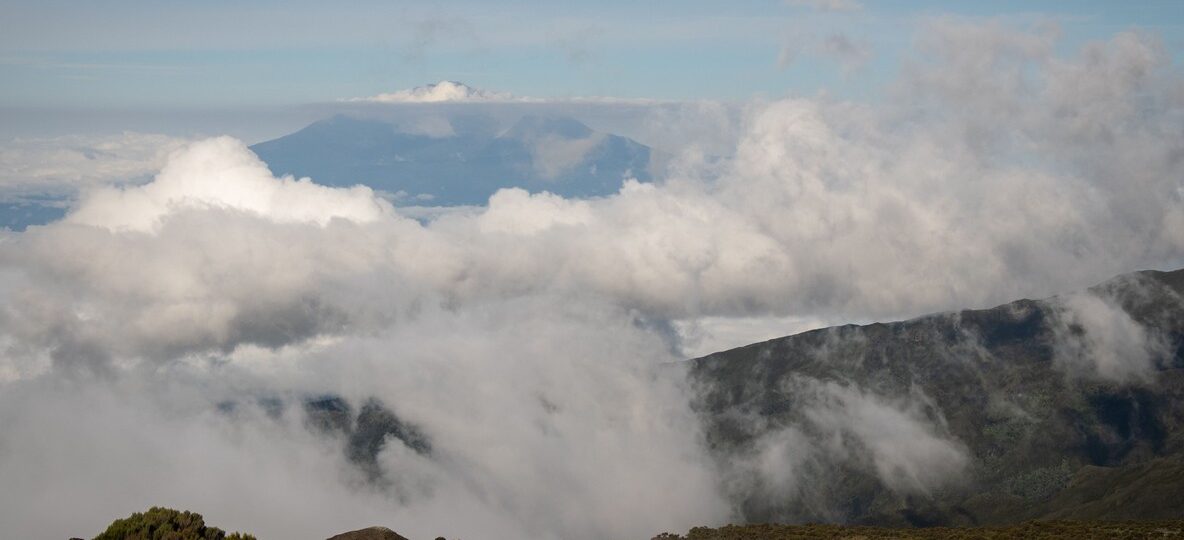
Kenya is famous for the Great Migration, for lion prides lounging in golden light, for elephant herds crossing dusty plains. But deep inside the mountain forests above 2,500 metres, a ghost moves between the bamboo and the mist. Fewer than 100 wild individuals remain. Most Kenyans have never seen one. Most safari-goers never will.
The mountain bongo (Tragelaphus eurycerus isaaci) is Kenya’s rarest large mammal and one of the most critically endangered antelopes on Earth. At Trunktrails Safaris, we believe the story of this animal and the extraordinary effort to save it belongs on every serious wildlife traveller’s radar. Our tours and safaris into the Laikipia plateau and Aberdare highlands bring you closer to this recovery than any generic itinerary can. This guide covers what the mountain bongo is, why it nearly vanished, where you can find it today, and how to build a meaningful conservation safari around it. 🌍
What Is the Mountain Bongo, and Why Is It So Special?
The mountain bongo is Africa’s largest forest antelope. Males weigh up to 405 kg and carry spiral horns that can reach 99 cm in length. Both sexes carry horns, which is unusual among African antelopes. The coat is a deep rufous-chestnut crossed by 10 to 15 vivid white vertical stripes, making it one of the most visually striking animals on the continent.
Despite its size, the bongo is extraordinarily shy. It retreats deeper into closed-canopy forest at the first sound of approach, making it nearly invisible outside dedicated nocturnal or dawn observations. Wild individuals are so elusive that population counts rely more on camera traps and spoor surveys than direct sightings.
The mountain subspecies is found only in Kenya’s highland forests. The lowland bongo (T. e. eurycerus) still exists in Central and West Africa with better numbers, but the mountain subspecies is an entirely separate conservation story, and it is Kenya’s responsibility alone to protect.
Where Does the Mountain Bongo Live in Kenya?
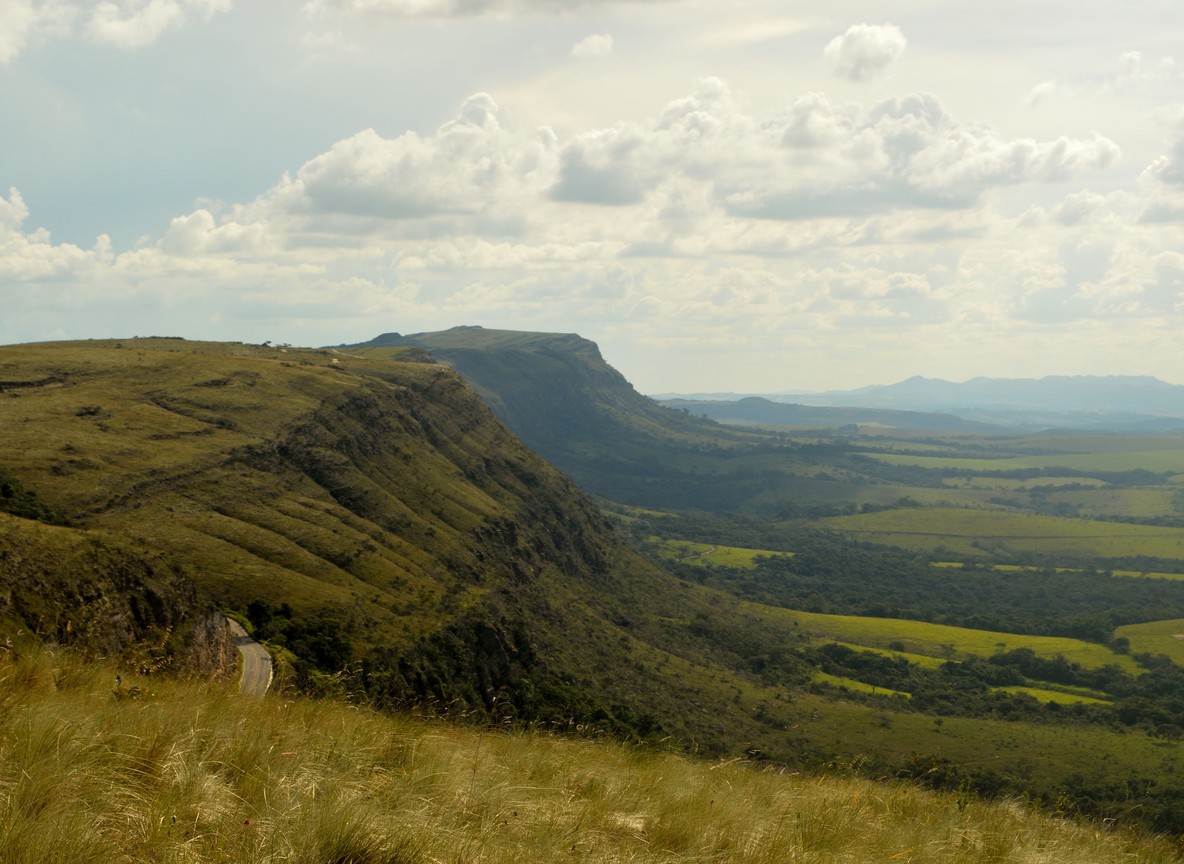
The mountain bongo’s range has shrunk dramatically over the past century. Today, viable wild populations exist in two main forest blocks:
- Aberdare National Park and Forest Reserve (766 km² national park, plus a wider forest buffer): the Aberdares hold the largest remaining wild population. Dense bamboo zones at 2,500-3,200 m provide the bongo’s preferred cover. The Aberdare National Park is also where you have the highest chance of camera-trap evidence and rare night sightings from a tree hotel.
- Mount Kenya Forest Reserve: the bamboo belt on the lower slopes of Mount Kenya (approximately 2,100-3,000 m) holds small, fragmented populations. The Mount Kenya safari region overlaps with bongo territory on the western and southern flanks.
Secondary records exist from the Mau Forest, Cherangani Hills, and Eburu Forest, but these populations are likely locally extinct or functionally isolated.
Why Did the Mountain Bongo Nearly Disappear?
The mountain bongo’s crisis has three interlocking causes:
Habitat loss: Kenya’s highland forests have shrunk significantly since independence as farmland expanded upslope. Forest fragmentation isolates small groups, preventing the genetic exchange they need to remain viable.
Snaring: Subsistence wire snares set for bushmeat catch bongos as by-catch. A bongo’s size makes extraction difficult, so trapped animals often die in the snare rather than being harvested, which means local communities rarely gain from the loss.
Disease: Rinderpest, now globally eradicated in cattle, swept through East Africa’s wildlife in the 20th century and devastated bongo populations. Secondary diseases including theileriosis (transmitted by ticks) continue to affect animals at the forest-farm interface.
By the early 2000s, Kenya’s wild mountain bongo population was estimated at 70 to 100 individuals. Some surveys suggested numbers could be as low as 50. The Kenya Wildlife Service (KWS) recognised the mountain bongo as a species that would go locally extinct without direct intervention. 🐘
How Did the Mountain Bongo Return to Kenya?
The reintroduction effort is one of Kenya’s most ambitious conservation stories. In 2004, KWS partnered with the Mountain Bongo Task Force and coordinated with over 20 North American zoos holding mountain bongos under the AZA Species Survival Plan. Eighteen bongos were airlifted from US zoos including San Diego Zoo and Zoo Atlanta back to Kenya, marking the first large-scale zoo-to-wild repatriation of a critically endangered African antelope.
The animals entered a semi-captive acclimatisation program at the Mount Kenya Wildlife Conservancy (MKWC) near Nanyuki, Laikipia County. Rather than releasing bongos directly into the forest, this facility keeps a managed breeding population that is progressively wild-conditioned before any individuals are considered for forest release.
By 2013, the semi-captive population had grown to approximately 93 individuals across MKWC and a second facility. The Laikipia Plateau now forms the logistical heart of the recovery program, with Borana Conservancy and neighbouring properties actively engaged in anti-poaching patrols that protect bongo corridors.
Crucially, this is a multigenerational project. Zoo-born bongos lack the forest survival skills of wild individuals. Teaching them to avoid predators, navigate bamboo thickets, and find mineral licks takes years of managed progression before true rewilding can happen.
Where Can You See Mountain Bongos in Kenya?
| Location | Type of Bongo Encounter | Distance from Nairobi | Notes |
|---|---|---|---|
| Mount Kenya Wildlife Conservancy, Nanyuki | Semi-captive, high certainty | ~195 km / 3h drive or 45-min flight | Best for guaranteed close sightings; supports the breeding program |
| Aberdare National Park (Treetops, The Ark) | Wild, low probability | ~165 km / 2.5h drive | Night-lit waterholes; sightings possible but rare |
| Borana Conservancy, Laikipia | Semi-captive + rewilded, guided walks | ~240 km / 3.5h drive or 45-min flight | Conservation-focused lodges with ranger briefings |
| Mount Kenya Forest Reserve | Wild, very low probability | ~200 km / 3h drive | Dawn forest walks only; guide essential |
| KWS Aberdare Anti-Snare Patrol (partnered visits) | Survey participation | Arranged via KWS | Citizen science option; limited availability |
For most visitors, the Mount Kenya Wildlife Conservancy offers the most practical and most meaningful encounter. Your visit fee directly funds breeding operations and ranger salaries, making it an unambiguous conservation contribution, not just a photo opportunity. 📸
Trunktrails Safaris includes MKWC as an optional add-on to Laikipia itineraries, combined with stays at properties that border bongo range. It works especially well paired with the broader conservation volunteer programs available in the Laikipia region.
What Are the Current Threats to the Mountain Bongo?
Despite the reintroduction effort, the wild population has not shown a statistically clear recovery. The 2020s estimates still place wild numbers at roughly 70 to 100 individuals, suggesting the captive breeding program is maintaining numbers rather than expanding them yet.
Current pressure points include:
- Snare density around the Aberdare forest margin remains high despite KWS patrols
- Climate-driven bamboo die-off disrupts bamboo mast events that bongos depend on for food
- Human-wildlife conflict at the forest edge discourages local tolerance for bongo presence
- Disease risk from domestic livestock grazing on forest margins
The Bongo Surveillance Programme, a joint initiative between KWS and private conservancy partners, runs camera-trap surveys twice a year across the Aberdare and Mount Kenya forests. GPS satellite collars on semi-captive animals provide movement data that guides snare-removal priority zones.
What Does a Mountain Bongo Safari Itinerary Look Like?
A focused mountain bongo safari pairs highland forest access with the comfort of Laikipia’s high-quality lodge network. Three to five nights works well. A typical Trunktrails Safaris route:
- Night 1-2: Arrive Nanyuki. Morning visit to MKWC for bongo walkthrough with resident naturalist. Afternoon at leisure on the Laikipia plateau for game drives (elephant, leopard, African wild dog, reticulated giraffe).
- Night 2-3: Transfer to Borana Conservancy or Lewa Wildlife Conservancy. Guided walking safaris on the bongo corridor boundary. Night game drive for nocturnal wildlife.
- Night 3-5 (optional extension): Aberdare National Park. Tree hotel night at Treetops or The Ark for a waterhole vigil. Dawn and dusk are peak bongo movement windows.
Indicative costs (per person sharing, 2026):
- Budget lodge + MKWC day visit: from $550 for 3 nights
- Mid-range Laikipia lodge + MKWC + Aberdares: from $950 for 4 nights
- Premium Lewa or Borana lodge package: from $1,800 for 4 nights
All Trunktrails Safaris packages for these tours and safaris include Nairobi transfers, park fees, and a local naturalist guide. ✨
Why Does the Mountain Bongo Matter Beyond Kenya?
The mountain subspecies of bongo exists nowhere outside Kenya. No other country can save it. That is a scientific fact, not a conservation slogan. If Kenya’s last wild individuals disappear, the captive zoo population becomes a population of animals with no ancestral home, and the option to restore them closes permanently.
For wildlife-focused travellers, this framing changes everything. Visiting the mountain bongo is not passive tourism. Every bed night in the Laikipia ecosystem, every conservancy fee paid, every ranger salary funded through tourism revenue is part of the scaffolding that makes long-term rewilding possible. The bongo is a vivid test of whether ethical wildlife tourism actually delivers what it promises.
That is why Trunktrails Safaris takes this animal seriously. We design itineraries that route genuine money to the right places, and we brief every guest on what they are funding and why it matters.
What Is the Trunktrails Advantage on a Mountain Bongo Safari?
At Trunktrails Safaris, we are a Kenyan-owned, Nairobi-based operator. Our guides grew up in these landscapes. Several have worked directly with KWS rangers on snare-removal operations in the Aberdare buffer zone. That first-hand knowledge shapes every bongo itinerary we build.
Here is what that means in practice:
- Honest access: we know which conservancies have active bongo populations, which facilities are genuinely conservation-funded versus those that simply market the name. We tell you the difference.
- Tailor-made itineraries: a three-night Laikipia bongo focus, a five-night Aberdare plus Laikipia combination, a ten-day circuit covering rhino, bongo, and the Great Migration from a single booking. We build to your dates, budget, and wildlife priorities.
- Direct operator support: no agencies or middlemen. Our team is reachable 24 hours a day and can re-route an itinerary around weather or ranger intel in real time.
- Conservation contribution: 5% of every booking goes directly to wildlife conservation, including anti-poaching patrol support in the highland forest zones.
This is what tours and safaris run by a native Kenyan operator look like. No brochure generics. No guesswork on which waterholes the bongos use.
Ready to See the Mountain Bongo in Kenya with Trunktrails Safaris?
There are fewer than 100 mountain bongos in the wild. The window to see one, to contribute to its survival, and to be part of the recovery story is not permanent. Trunktrails Safaris designs Laikipia and Aberdares itineraries around the bongo recovery program, built around your travel dates, your interests, and your budget.
No cookie-cutter packages. Just a direct line to a Kenyan team that understands this animal’s place in the ecosystem, and why getting there now matters.
Further reading
More safari planning resources
- Ol Pejeta and Sweetwaters safari package from Valley Safaris
- Mara River crossing guide on Touring Insights
- Big Five safari collection on FindMySafari
- Nairobi to Maasai Mara route guide from Valley Safaris
📞 WhatsApp: +254 113 208888 📧 Email: info@trunktrailssafaris.com 🌐 Website: https://trunktrailssafaris.com
Image credits: Photo by Paweł Kosmala on Pexels; Photo by Thiago Detomi on Pexels; Photo by Alonzo Photo on Pexels; Photo by Tim Gouw on Pexels; Photo by Lucas Pezeta on Pexels

