12-Day Kenya Photographic Safari Itinerary: The Serious Shooter’s Route Through Five Ecosystems
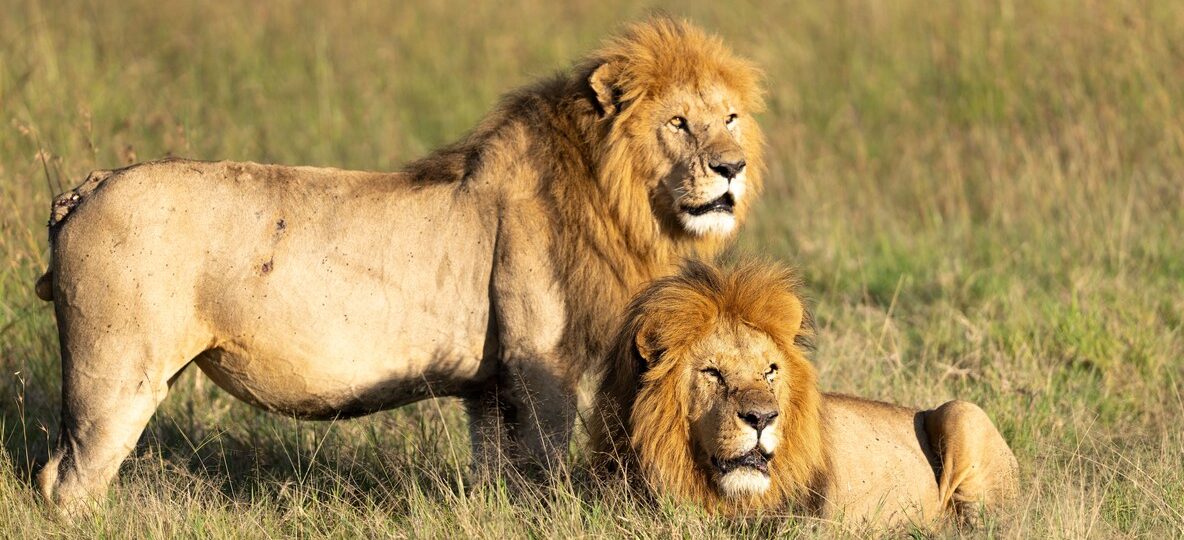
Kenya’s photography story is told in light. At 5:50 AM on the Masai Mara conservancy, the savanna turns copper and every lion in your frame glows. Three days later, 200 elephants trail dust past Kilimanjaro’s summit in Amboseli, the mountain sharp and white before the clouds build. This kenya photographic safari itinerary covers five distinct ecosystems in 12 days, and it is built around one principle: the best shots come from the right place at the right time. Trunktrails Safaris has designed this route to put you exactly there, with off-road access, conservancy permits, and guides who know your lens before you arrive.
Why Is Kenya the Best Destination for a Photographic Safari?
Kenya sits on the equator. That means consistent, warm-toned light through most of the year and a year-round subject list that no single African destination can match.
The country holds more than 1,100 bird species, the Big Five, the Samburu Special Five, and the largest overland mammal migration on the planet. Critically for photographers, Kenya’s private conservancies allow off-road driving, night drives, and bush walks, tools that most national parks prohibit. For photographic tours and safaris, those freedoms translate directly to better frames. You can position the vehicle for light rather than staying chained to a road that points the wrong way.
Kenya also offers extraordinary subject diversity across a compact geography. Our Great Migration photography safari guide covers the Mara crossing season in detail, but this itinerary gives you a full Kenya spectrum, not just one spectacle.
What Are the Five Photography Ecosystems in This 12-Day Route?
Each stop in this itinerary adds a visual layer the previous one cannot provide. The ecosystems are genuinely distinct: different light qualities, different colour palettes, different subjects.
| Days | Ecosystem | Park / Reserve | Signature Subjects | Area |
|---|---|---|---|---|
| 1-3 | Open savanna | Masai Mara + Olare Motorogi Conservancy | Big cats, wildebeest, Mara River crossings | 1,510 km² reserve + ~140 km² conservancy |
| 4-5 | Volcanic plains | Amboseli National Park | Elephant herds, Kilimanjaro backdrop | 392 km² |
| 6-7 | Semi-arid bush | Tsavo West National Park | Red elephants, Mzima Springs | 7,065 km² |
| 8-9 | Rift Valley lake | Lake Nakuru National Park | Flamingos, white rhinos, colobus monkeys | 188 km² |
| 10-12 | Northern arid savanna | Samburu National Reserve | Special Five, Ewaso Ng’iro River scenes | 165 km² |
Sequencing these five ecosystems correctly is what separates a true photographic safari from a standard game-viewing circuit.
Days 1-3: How Do You Photograph the Masai Mara and Its Conservancies?
📸 Base yourself inside the Olare Motorogi Conservancy, 33,000 to 35,000 acres bordering the national reserve. Here, off-road driving is standard. You will share the area with a handful of camps, not dozens of minibuses.
Photography priorities in the Mara:
- Golden-hour game drives departing at 6:00 AM when big cats are still active and the light is directional
- Cheetah hunts and lion prides on open grass, where flat terrain lets you shoot at animal-eye level from a low vehicle window
- Between July and October, Mara River wildebeest crossings are the centrepiece, as detailed in our Masai Mara wildlife photography guide
Recommended camps: Porini Mara Camp (Ol Kinyei Conservancy, 18,500 acres), Mahali Mzuri (Olare Motorogi). Both offer dedicated photography vehicles on request.
Entry fees (2026): National reserve, non-resident adult: $100/day January through June; $200/day July through December. Conservancy conservation fee: approximately $80-$100 per person per night, typically included in camp rates (verify at booking).
Getting here: Nairobi Wilson Airport to Mara North or Ol Kiombo airstrip, 45 minutes by scheduled light aircraft. By road: 250 km via the Narok highway, approximately 5 to 6 hours.
Shooting tip: Position the vehicle with the morning sun at your back. By 9:30 AM the light is too harsh. Break for breakfast, return to the field at 4:30 PM. Those two windows are your 80%.
Days 4-5: What Makes Amboseli Perfect for Elephant and Mountain Photography?
Nothing in East African photography equals Amboseli’s signature frame: 200 free-ranging elephants moving across an open swamp plain with Kilimanjaro filling the sky behind them. The mountain appears clearest in the early morning before convection clouds build above the summit, usually by 10:30 AM.
Amboseli’s open, treeless terrain suits super-telephoto work perfectly. The population here has been studied since 1972 under the Amboseli Elephant Research Project, making these elephants highly habituated. They come to you.
Recommended camps: Tortilis Camp near the Kitirua conservancy boundary or Amboseli Serena Safari Lodge inside the park.
Entry fees (indicative, verify at KWS eCitizen before booking): approximately $90 per person per day, non-resident.
Getting here: Charter flight from Mara North to Amboseli airstrip, approximately 1 hour. Scheduled Nairobi to Amboseli flights depart Wilson Airport daily, 45 minutes.
🌅 Shooting tip: The pre-dawn hour is Amboseli at its best. Dust in the dry air creates natural diffusion that softens contrasts. Elephants in that light become almost sculptural.
Our Amboseli wildlife photography guide covers waterhole positioning and swamp-edge technique in detail.
Days 6-7: How Do You Shoot the Red Elephants and Springs of Tsavo West?
Tsavo West’s defining visual is colour. The laterite iron-oxide soil coats every elephant and buffalo brick-red, a palette that exists nowhere else in Kenya. Against the dark green doum palms and the volcanic Chyulu Hills, these animals look like something from a different continent.
Mzima Springs adds a completely different subject: hippos and crocodiles photographed through an underwater viewing chamber built into the pool’s bank. This is one of the few places in Africa where you can shoot hippo behaviour at eye level, below the waterline.
Recommended camps: Finch Hatton’s (private lake, elephant access, one of East Africa’s great old-world camps) or Kilaguni Serena Safari Lodge, where the productive waterhole sits directly in front of the terrace.
Entry fees (indicative, verify at KWS eCitizen): approximately $52 per person per day, non-resident.
Transfer: Amboseli to Tsavo West: 80 km through the Tsavo Gate, approximately 1.5 to 2 hours by road. Alternatively, a 20-minute charter to Tsavo West airstrip.
Days 8-9: What Wildlife Can You Photograph at Lake Nakuru?
Lake Nakuru sits in the Great Rift Valley escarpment, 160 km north-west of Nairobi and 2.5 to 3 hours by road from the capital. Its alkaline water supports blue-green algae that flamingos feed on. In peak season, the northern shoreline turns pink from end to end.
But flamingos are one frame. Lake Nakuru National Park also carries one of Kenya’s highest concentrations of both white and black rhino, Rothschild’s giraffe, leopards in the fever-tree woodland, and black-and-white colobus monkeys on the lakeside cliffs.
Photography priorities:
- Flamingo flocks at dawn from the southern shore, before the first boat traffic disturbs them
- White rhino pairs in open grassland, best lit from 7:00 to 9:00 AM
- Colobus monkeys at Baboon Cliff, where midday shade and overcast light actually help
Recommended camps: Sarova Lion Hill Game Lodge on the eastern escarpment for views over the lake, or Lake Nakuru Lodge near the main Lanet Gate.
Entry fees (indicative, verify at KWS eCitizen): approximately $60 per person per day, non-resident.
Getting here from Tsavo: Return to Nairobi via road or charter, then drive north 160 km on the A104, approximately 2.5 hours. Alternatively, direct charter from Tsavo West airstrip to Lake Nakuru, approximately 1 hour.
Days 10-12: Why Is Samburu the Perfect Finale for a Kenya Photography Safari?
🦁 Samburu is where the itinerary shifts gear completely. The landscape is arid and ancient: dust-red plains, doum palms crowding the Ewaso Ng’iro River, and a deep-blue sky that southern Kenya rarely holds.
The Samburu Special Five, Grevy’s zebra, reticulated giraffe, Beisa oryx, gerenuk, and Somali ostrich, are found nowhere else on this itinerary. Every frame here is exclusive to northern Kenya. Samburu also has strong resident lion, leopard, elephant, and cheetah populations concentrated around the river.
Photography logistics:
- The Ewaso Ng’iro River is the central stage: elephants cross, crocodiles hunt, and 350 documented bird species drink along a single riverine corridor
- Dawn drives at 6:00 AM catch lions and leopards before the heat drives them into shade
- The river-bank camps allow sitting quietly at the waterline, a completely different experience from vehicle-based photography in the south
Recommended camps: Elephant Bedroom Camp (tents positioned directly above the river) or Larsen’s Camp by Sanctuary Retreats. Both support dedicated photography requests.
Entry fees (indicative, verify at KWS eCitizen): approximately $60 per person per day, non-resident.
Getting here from Nairobi: Scheduled daily flights from Wilson Airport to Samburu airstrip (Buffalo Springs), approximately 1 hour. By road: 350 km north on the A2 via Nanyuki, approximately 5 to 6 hours.
What Camera Gear Should You Pack for This Kenya Photographic Safari?
Our full Kenya safari camera gear guide covers this in depth. For this five-ecosystem route, the core kit is:
- Telephoto: 100-500mm (versatile: big cats at distance in the Mara, flamingos at Nakuru, tight elephant detail in Amboseli)
- Wide: 24-105mm (Kilimanjaro panoramas, flamingo shoreline, Mzima Springs chamber)
- Body: Full-frame or APS-C mirrorless with 10+ fps continuous shooting
- Support: Window beanbag for vehicle; tripod for Mzima Springs underground chamber
- Batteries: Three per body minimum; Samburu and Tsavo camps may have limited charging
- Dust protection: Sealed bags in vehicles are non-negotiable in Tsavo and Samburu
What Are the Best Shooting Seasons for This 12-Day Photography Itinerary?
| Season | Best Months | Photography Conditions | Masai Mara Fee |
|---|---|---|---|
| Migration peak | Jul-Oct | Mara River crossings, high wildlife density | $200/day |
| Long dry | Jun-Oct | Clear skies, animals concentrated at water, sharp Kilimanjaro | $100-200/day (Jun at $100) |
| Short dry | Jan-Feb | Newborns in Amboseli and Samburu, clear mountain views, lowest crowds | $100/day |
| Green season | Nov-Dec, Mar-May | Lush colour, bird breeding plumage, low rates (up to 30% off camp prices) | $100/day |
The highest-value window for this full route is June or January to February. June gives you dry-season animal concentrations across all five parks, migration buildup in the Mara, and the lower January-June Mara fee rate. January to February delivers newborn animals in Amboseli and Samburu, the clearest Kilimanjaro mornings, and some of the lightest visitor numbers of the year.
For a comprehensive overview of how tours and safaris align with Kenya’s seasonal light patterns, see our guide to the best Kenya safari for photographers.
The Trunktrails Advantage
Trunktrails Safaris is a native Kenyan-owned operator based in Nairobi. We do not run fixed-departure group safaris. Every kenya photographic safari itinerary we build is designed fresh around your target subjects, travel dates, and shooting style.
What that means in practice:
- Your guide is briefed on your photography goals before your first game drive. Vehicle positioning and timing decisions are made with your frame in mind, not with a generic game-viewing checklist.
- Our conservancy partnerships in the Mara give you off-road access where national park rules prevent it, so you are never stuck on a road facing the wrong way.
- We control logistics end to end, from Wilson Airport connections and conservancy permits to camp briefings and departure times, so no day is wasted on administration.
- 5% of every booking goes directly to wildlife conservation across our partner conservancies.
Trunktrails Safaris offers photography-focused tours and safaris at all budget levels. We are not an agency reselling packages. When you call us, you reach the team designing and operating your trip, 24/7 throughout your stay.
🌍 No cookie-cutter packages. No middlemen. Just a team that knows Kenya from the inside out.
Further reading
More safari planning resources
- Map of Amboseli from Valley Safaris
- Amboseli National Park guide on Touring Insights
- Big Five safari collection on FindMySafari
- Amboseli destination guide on FindMySafari
Ready to Plan Your Kenya Photographic Safari Itinerary with Trunktrails Safaris?
Tell us your priority subject, whether that is the Mara River crossing at peak migration, the Amboseli elephant-and-mountain frame at dawn, or the flamingo shoreline at Nakuru, and Trunktrails Safaris will build the 12-day route around it. We match your dates to the seasonal light window that gives you the best conditions for each ecosystem on this route.
At Trunktrails Safaris, we design every photography safari around your shooting goals, your travel dates, and your budget. Our tours and safaris are tailor-made from the first inquiry to the final transfer.
📞 WhatsApp: +254 113 208888 📧 Email: info@trunktrailssafaris.com 🌐 Website: https://trunktrailssafaris.com