Community-Based Conservation in Kenya: The Models That Actually Work
Community based conservation in Africa Kenya is not a slogan on a brochure. It is a working land-use system, one that now covers more wildlife habitat than Kenya’s national parks combined. Roughly 230 conservancies operate across the country today. Most are owned or co-managed by the Maasai, Samburu, Borana, and other communities who live alongside lions, elephants, and rhinos every day. 🦁 These conservancies decide who grazes where, how many tourist beds a valley can hold, and how tourism revenue gets shared among landowners.
Trunktrails Safaris books guests into these community conservancies. The model works better than fenced parks alone. This guide breaks down the real numbers behind four proven Kenyan models. You get named conservancies, sizes, and indicative fees, so you understand exactly what your tours and safaris booking supports.
What Community Based Conservation Actually Means
In a national park like Amboseli or the Maasai Mara National Reserve, the Kenya Wildlife Service or a county government controls the land. They collect the entry fees. In a community conservancy, local landowners lease their own land to a conservancy trust instead. That trust then partners with safari camps, which pay a conservancy fee on top of the nightly rate. The money flows back to landowners as lease payments. It also funds schools, clinics, and rapid-response ranger teams.
This structure gives families a direct financial reason to keep land wild. The alternative is fencing it for farms or overgrazing it with cattle. The model also expands habitat well beyond park boundaries. That matters because most of Kenya’s large mammals spend part of the year outside protected areas entirely.
The Northern Rangelands Trust Model
The Northern Rangelands Trust, known as NRT, coordinates 43 community conservancies across northern and coastal Kenya. Combined, they cover roughly 63,000 square kilometers, larger than the entire country of Rwanda. Member conservancies include Namunyak in the Matthews Range, Sera Conservancy near Samburu, and West Gate Conservancy along the Ewaso Nyiro River.
NRT conservancies are run by locally elected boards. Each one hires its own community rangers, often more than 20 per conservancy. Sera Conservancy made global headlines as home to the first black rhino sanctuary run entirely by a community, not by KWS or a private trust. Visitors typically fly into Samburu or Loisaba airstrips before transferring by road. Many NRT conservancies sit hours from Nairobi on rough tracks.
The Maasai Mara Conservancy Model
South of the Mara River, a different but related model protects the ecosystem. The Maasai Mara National Reserve itself covers roughly 1,510 square kilometers. Landowners in the surrounding group ranches lease plots to conservancies such as Naboisho Conservancy (203 square kilometers), Mara North Conservancy (297 square kilometers), and Olare Motorogi Conservancy (145 square kilometers).
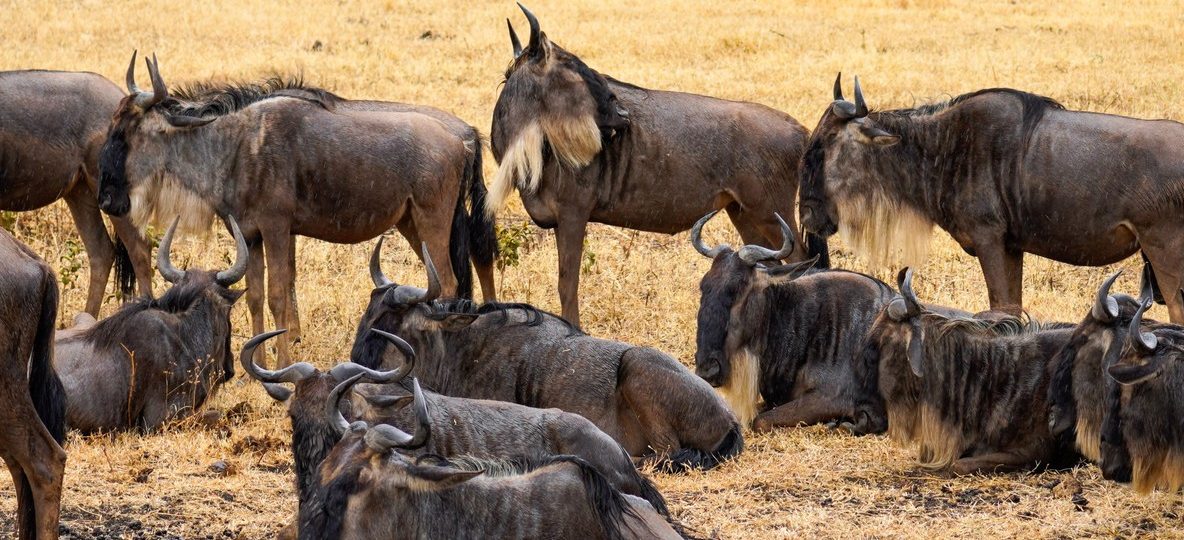
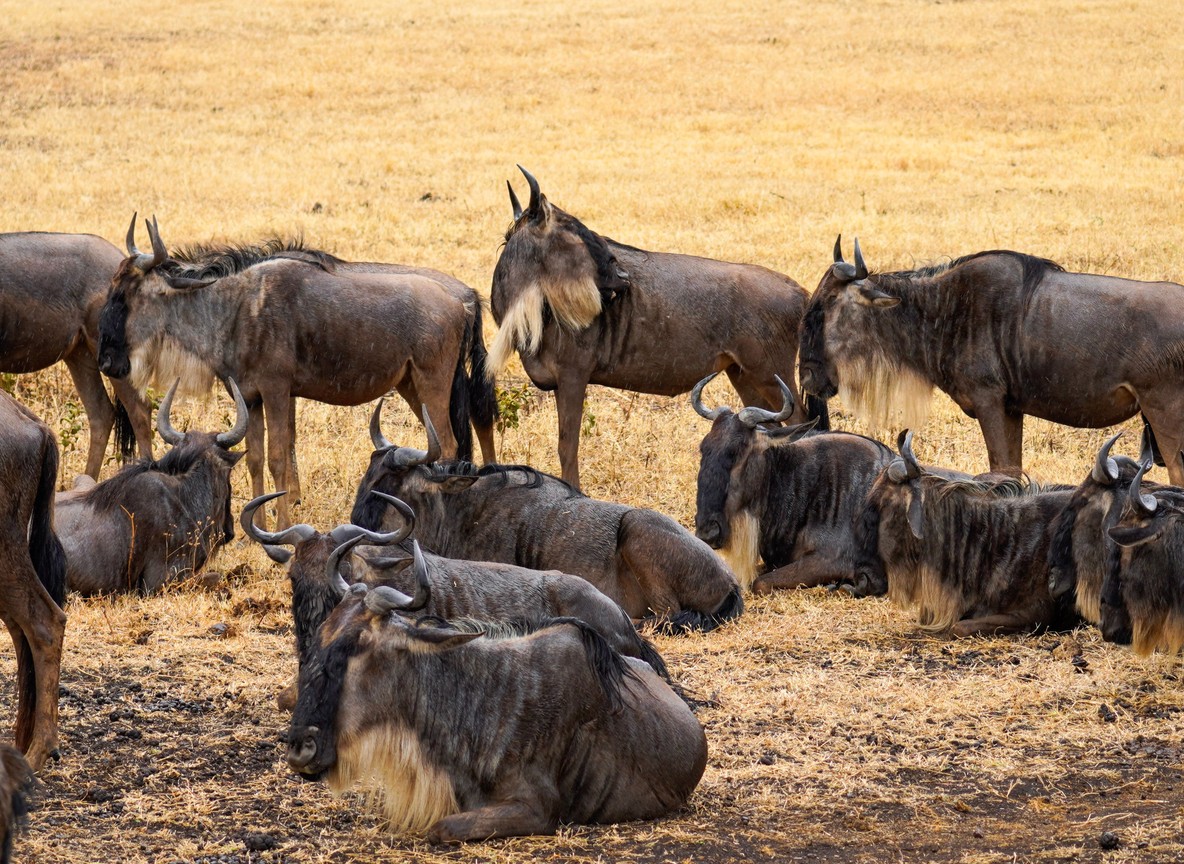
Camps inside these conservancies pay landowners a monthly lease fee per acre. The conservancy association sets that fee and caps the number of vehicles and beds allowed per square kilometer. That cap is why conservancy game drives feel far less crowded than the reserve during the July to October wildebeest migration. Ol Kinyei Conservancy, one of the oldest at roughly 74 square kilometers, pioneered this low-density model back in 2005.
Il Ngwesi: Kenya’s First Community-Owned Conservancy
Il Ngwesi Conservancy in Laikipia covers roughly 8,700 hectares of dry bushland northeast of Mount Kenya. It holds a specific distinction. The Il Ngwesi Maasai group ranch established it in 1996. It was the first conservancy in Kenya fully owned and run by a single community, with no outside NGO holding the land title. The community-owned Il Ngwesi Lodge funds the conservancy’s ranger salaries, a bursary fund for local schoolchildren, and a mobile health clinic.
Il Ngwesi sits close to Lewa Wildlife Conservancy, a private, non-profit conservancy covering about 250 square kilometers. Lewa pioneered black and white rhino protection in the region starting in the 1980s. Together, Il Ngwesi and Lewa form a connected corridor. Elephants and rhinos move safely between Samburu and the Mount Kenya ecosystem through it.
Amboseli’s Community Sanctuaries
Amboseli National Park covers about 392 square kilometers at the foot of Mount Kilimanjaro. Around it, community land does the heavy lifting for elephant corridors. Selenkay Conservancy, roughly 6,000 hectares of Maasai group ranch land northwest of the park, was one of the first conservancies to prove a point. A Big Five sighting rate outside a national park can rival the park itself, largely because Selenkay sees a fraction of Amboseli’s vehicle traffic.
Kimana Community Wildlife Sanctuary, about 1,200 hectares, reopened in 2021. A coalition of Maasai landowners and Big Life Foundation restored it as a dedicated wildlife corridor between Amboseli and the Chyulu Hills. Elephants that once had to detour around fenced farmland now cross Kimana freely. This matters most during the dry season, when water inside Amboseli itself grows scarce.
Community Conservancies at a Glance
| Conservancy | Region | Size | Community Model | Nearest Access Point | Indicative Conservancy Fee |
|---|---|---|---|---|---|
| Northern Rangelands Trust (43 conservancies) | Northern & coastal Kenya | ~63,000 km2 combined | Locally elected conservancy boards | Samburu or Loisaba airstrip, 5-7hr drive from Nairobi | USD 40-70/person/night (indicative, varies by camp) |
| Naboisho Conservancy | Greater Mara | ~203 km2 | Maasai landowner leases via conservancy association | Ol Kiombo or Musiara airstrip, ~5hr drive or 45min flight from Nairobi | USD 70-100/person/night (indicative) |
| Mara North Conservancy | Greater Mara | ~297 km2 | Maasai landowner leases, capped bed density | Mara North airstrip, ~45min flight from Nairobi | USD 70-100/person/night (indicative) |
| Il Ngwesi Conservancy | Laikipia | ~87 km2 (8,700 ha) | Fully community-owned, no outside land title | Nanyuki airstrip, ~3hr drive from Nairobi | USD 30-50/person/night (indicative) |
| Selenkay Conservancy | Amboseli region | ~60 km2 (6,000 ha) | Maasai group ranch lease | Amboseli airstrip, ~4hr drive from Nairobi | USD 25-40/person/night (indicative) |
| Kimana Community Wildlife Sanctuary | Amboseli-Chyulu corridor | ~12 km2 (1,200 ha) | Community-Big Life Foundation partnership | Amboseli town, ~4hr drive from Nairobi | USD 20-30/person/night (indicative) |
Rates above are indicative ranges only, since conservancy fees change by season, operator, and camp category. Confirm current figures before booking any tours and safaris package.
Why These Models Matter for Wildlife and for Travelers
Kenya’s national parks alone cannot hold the country’s elephant, lion, and rhino populations. These animals migrate far beyond fixed boundaries every dry season. Community conservancies close that gap. A 2022 land-use study across Kenya’s rangelands found that conservancies now protect more combined acreage than the entire national park and reserve network.
For travelers, this model also means a better experience. Vehicle density stays capped. Off-road driving is often permitted under guide supervision. Night game drives, banned inside most national parks, are frequently allowed in conservancies. A wildlife conservation kenya communities trip through Naboisho or Selenkay usually means fewer vehicles at every sighting than a comparable game drive inside Amboseli or the Maasai Mara National Reserve.
How to Choose a Community Conservancy for Your Safari
Picking the right conservancy depends on what you want from a safari. Travelers chasing the wildebeest migration should look at Naboisho or Mara North. Both border the Maasai Mara National Reserve and let you follow herds across the boundary without extra driving. Travelers focused on rhino conservation get more value from Il Ngwesi and Lewa. Tracking teams there update guests on individually named rhinos each morning.
Families wanting fewer border crossings often prefer Selenkay or Kimana. Both sit close enough to Amboseli that a single road transfer covers both the conservancy and the park in one trip. Photographers chasing predators at dawn or dusk benefit most from conservancies that permit night drives and off-road tracking. National reserves rule this out entirely, but it stays common practice across NRT conservancies and most Mara conservancies.
Ask any operator two direct questions before booking. First, does the conservancy fee go straight to a landowner association? Or does it disappear into general camp pricing? Second, how many vehicles are permitted at a single sighting under that conservancy’s rules? A conservancy proud of its community based conservation model will answer both without hesitation.
The Trunktrails Advantage
Trunktrails Safaris is a Kenyan-owned tours and safaris operator. Community conservancies sit at the center of how we build itineraries. We work directly with conservancy associations at Naboisho, Mara North, Selenkay, and NRT member conservancies. Lease and conservancy fees reach landowners without unnecessary markup layered on top.
Our guides brief every guest on which conservancies fund ranger salaries, school bursaries, and health clinics before you ever set foot in camp. Your tours and safaris booking translates into a clear picture of local impact. We also route bookings toward lower-density conservancy camps during peak migration months, when the national reserves fill fastest. Trunktrails Safaris prioritizes a genuine wildlife experience over a crowded one. Every itinerary we build treats community based conservation as the backbone of a Kenya trip, not a side note. 🌍
Plan a Safari That Puts Conservancy Communities First
Understanding community based conservation in Africa Kenya changes how you choose a safari. The camps, conservancies, and communities named in this guide are real places doing real work, and your booking choice decides which of them benefits.
Message the Trunktrails Safaris team and tell us which region interests you, whether that is the Mara conservancies, Laikipia, or the Amboseli-Chyulu corridor. We will build an itinerary around the community conservancies best matched to your dates and budget.
Further reading
More safari planning resources
- Map of Amboseli from Valley Safaris
- Amboseli National Park guide on Touring Insights
- Amboseli destination guide on FindMySafari
- Kenya national parks map from Valley Safaris
WhatsApp: +254 113 208888 Email: info@trunktrailssafaris.com Website: https://trunktrailssafaris.com
Conservancy camps run smaller bed counts than national park lodges, so peak season dates fill early. Get your Trunktrails Safaris conservancy safari confirmed today. ✨