Naboisho Conservancy Masai Mara: Why This Private Reserve Belongs on Your Safari List
If you have already done the Masai Mara National Reserve and sat in a line of twelve vehicles watching a single leopard, Naboisho Conservancy Masai Mara is the answer to the frustration you felt that day. This is a 50,000-acre private reserve on the reserve’s northeastern edge where vehicle numbers are capped, night drives are legal, and lion prides move across open ground with nobody but your guide watching. Trunktrails Safaris builds a growing share of our tours and safaris around Naboisho precisely because it delivers what the main reserve cannot: fewer vehicles, more freedom, and predator sightings that rival anywhere in East Africa.
A recent report from Porini on neighboring Ol Kinyei Conservancy recorded the highest lion density anywhere in the greater Mara ecosystem, a direct result of the same low-impact conservancy model that Naboisho runs on its own land. That is not a coincidence. It is the entire argument for choosing a conservancy over the national reserve, and this guide lays out the real numbers behind it.
What Is Naboisho Conservancy and Where Does It Sit in the Masai Mara?
Naboisho Conservancy was formed in 2010 when the Naboisho Conservancy Trust brought together roughly 500 Maasai landowning families under a single lease agreement, in return for a guaranteed monthly payment per acre from the safari camps operating inside. That model, now copied across the wider Mara ecosystem, is what keeps bed numbers and vehicle numbers deliberately low.
The conservancy covers about 50,000 acres, close to 203 square kilometers, on the northeastern boundary of the Masai Mara National Reserve. It shares open, unfenced borders with Ol Kinyei Conservancy to the east and Olare Motorogi Conservancy to the north, so wildlife (and migration overflow herds) move freely between all three. Naboisho maintains one of the lowest bed-to-land ratios of any Mara conservancy, close to one bed per 350 acres, which is the structural reason sightings here feel private even in peak season.
Naboisho Conservancy at a Glance: The Real Numbers
| Fact | Figure |
|---|---|
| Conservancy size | ~50,000 acres (~203 km²) |
| Established | 2010 |
| Maasai landowning families | ~500 |
| Bed density | ~1 bed per 350 acres |
| Distance from Nairobi (road) | ~270 km via Narok |
| Drive time from Nairobi | 5 to 6 hours |
| Nearest airstrip | Ol Kiombo Airstrip |
| Flight time from Wilson Airport, Nairobi | ~45 minutes |
| Road transfer from airstrip to camps | ~20 minutes |
| Indicative conservancy fee | USD 80 to 130 per person, per night (varies by camp; often bundled into rates) |
Prices above are indicative ranges only, always confirmed at the time of booking since conservancy fees are reviewed annually.
Why Naboisho Belongs on Your Safari List: The Lion Density Story
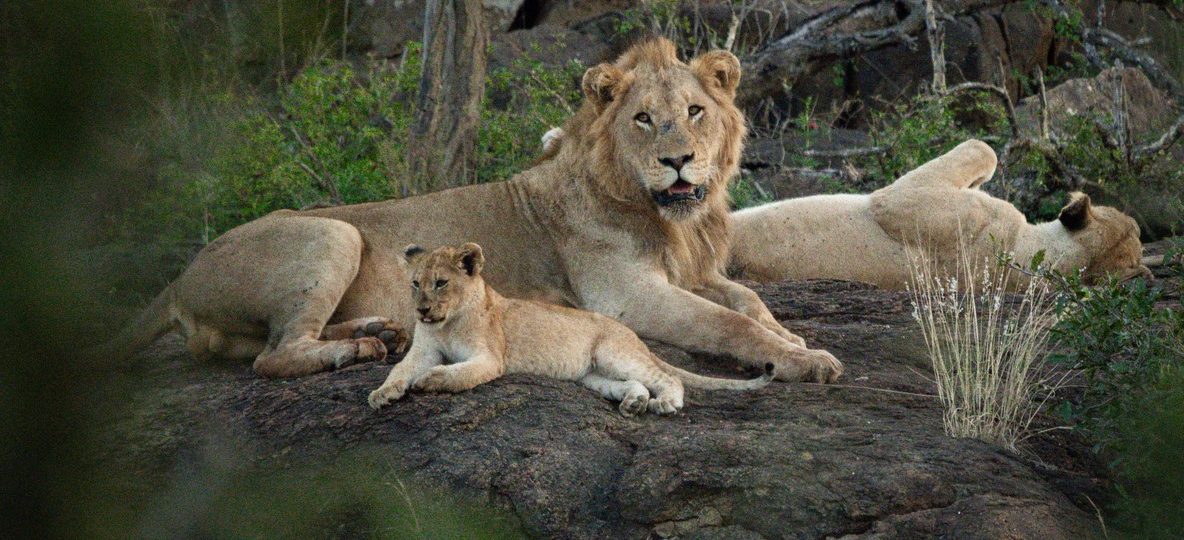
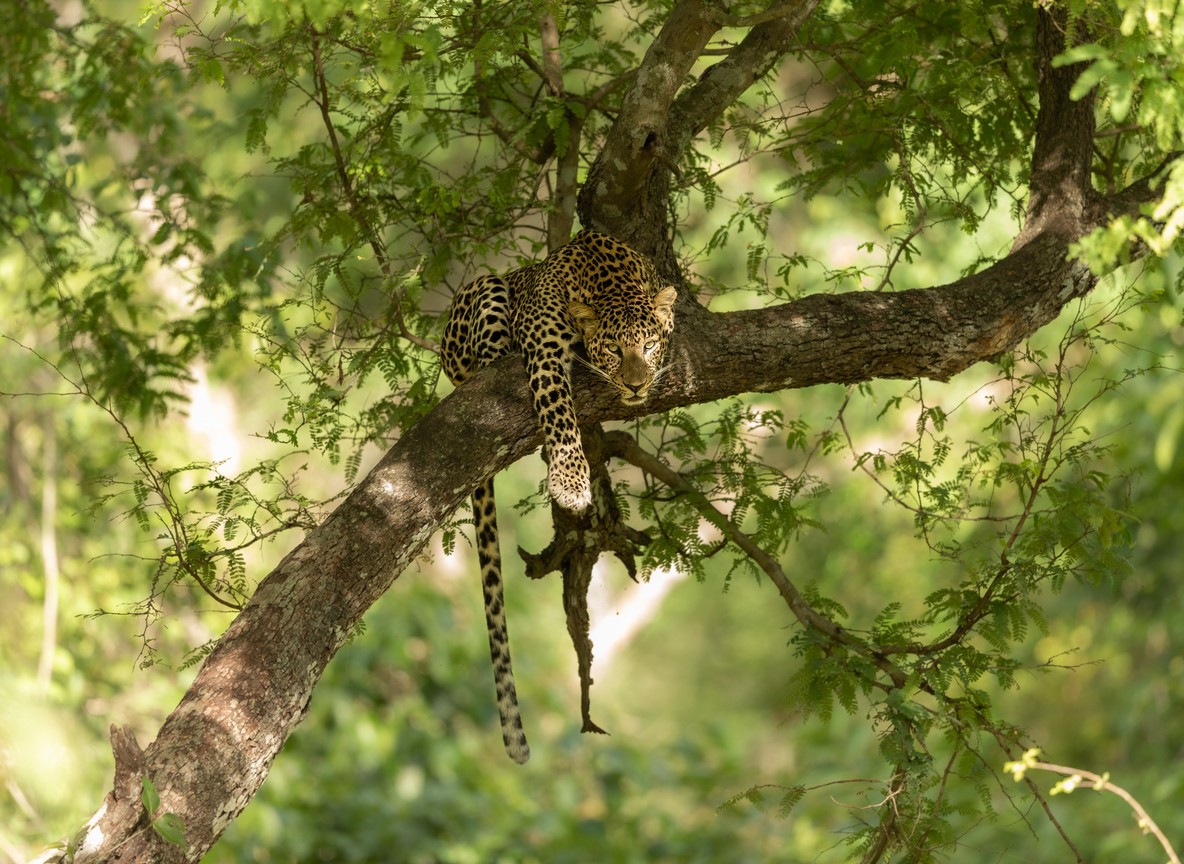
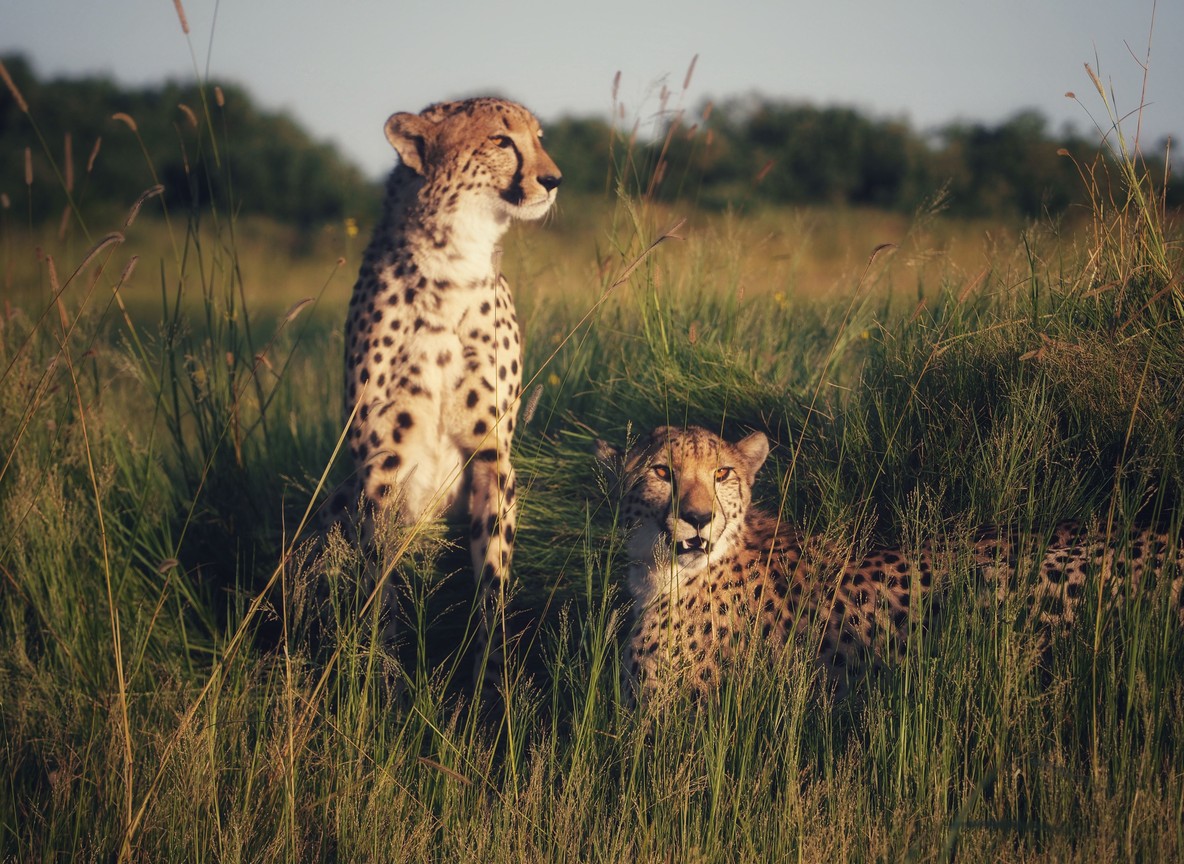
The predator numbers are the real headline. Ol Kinyei, sharing an open border with Naboisho, was recently reported by Porini to hold the highest lion density recorded anywhere in the Mara conservancy network, a direct product of no livestock grazing, no day visitors, and a hard cap on vehicles per sighting. Naboisho runs the identical model on its own land, and the resident lion prides, high leopard density around its rocky northern outcrops, and open southern plains for cheetah hunts are the result.
From July through October, wildebeest columns pushing north from the Serengeti spill into this northern conservancy belt, with predators shadowing the herds along the way. Add night drives, which are prohibited inside the national reserve but permitted across most of Naboisho, and walking safaris with an armed guide, and you get wildlife access that is structurally impossible to replicate on the reserve side of the boundary. This is the case Trunktrails Safaris makes to every guest weighing a Naboisho Conservancy Masai Mara itinerary against a standard reserve-based trip.
Naboisho Conservancy vs the National Reserve and Neighboring Conservancies
| Area | Size | Vehicles per sighting | Night drives | Walking safaris | Indicative rate (per person/night) |
|---|---|---|---|---|---|
| Masai Mara National Reserve | ~1,510 km² | Uncapped, often 10+ | No | No | USD 150 to 350 |
| Naboisho Conservancy | ~203 km² | Capped, typically 5 or fewer | Yes | Yes | USD 450 to 900 |
| Mara North Conservancy | ~320 km² | Capped | Yes | Yes | USD 500 to 950 |
| Olare Motorogi Conservancy | ~140 km² | Capped | Yes | Yes | USD 600 to 1,100 |
| Ol Kinyei Conservancy | ~70 km² | Capped | Yes | Yes | USD 500 to 950 |
Rates above are indicative all-inclusive camp ranges, not conservancy fees alone, and shift with season and camp category. The pattern holds across every private conservancy bordering the reserve: smaller area, capped vehicles, higher nightly rate, dramatically lower crowding. Naboisho sits at the accessible end of that spread, which is why it is often the first conservancy Trunktrails Safaris recommends to guests moving up from a reserve-only itinerary.
Where to Stay Inside Naboisho Conservancy
Camps inside Naboisho are all small, tented, and capped by the same lease agreement that limits vehicle numbers. Options guests ask us about most often include:
- Kicheche Valley Camp: an owner-run tented camp in the conservancy’s western sector, known for consistent leopard sightings around its rocky valleys.
- Basecamp Wilderness Naboisho: a conservation-focused camp built on Basecamp Explorer’s long-running Maasai partnership model.
- Eagle View Camp: set on a ridge overlooking the conservancy, favored for wide sightlines and privacy.
- Naboisho Camp (Asilia): a larger established camp with strong repeat guest numbers and consistent big cat activity nearby.
Trunktrails Safaris matches each guest to a camp based on budget, mobility, and whether photography or family logistics is the priority, since the four properties above sit in different sectors of the conservancy with different terrain and sighting patterns.
Getting to Naboisho Conservancy: Flights, Drive Times and Gates
Most guests fly. Scheduled flights leave Nairobi’s Wilson Airport and land at Ol Kiombo Airstrip in around 45 minutes, followed by a road transfer of roughly 20 minutes into the conservancy. This is the route Trunktrails Safaris books for the vast majority of our tours and safaris into Naboisho, since it avoids the long road transfer entirely.
Driving is the budget option. Expect 5 to 6 hours from Nairobi, covering approximately 270 kilometers via Narok town, on tarmac to Narok and a mix of graded and rougher roads from there. Naboisho does not have its own public reserve gate in the way the national reserve does; access is arranged directly through your camp, since the conservancy operates on private leasehold land rather than a gated government reserve.
Best Time to Visit Naboisho Conservancy
July through October is peak season, when migration overflow herds move through the conservancy belt and predator activity is at its highest. January and February bring a secondary peak, when short grass across the plains draws resident herds back into Naboisho for the calving season. March through May is the green season, with lower rates, fewer guests, and dramatic storm-light photography, though some roads become harder to navigate after heavy rain.
| Season | Months | What to expect |
|---|---|---|
| Peak migration overflow | July to October | Highest predator density, wildebeest columns, premium rates |
| Calving season | January to February | Resident herds concentrate, excellent predator-prey action |
| Green season | March to May | Lowest rates, lush scenery, occasional road disruption |
| Shoulder season | June, November, December | Good value, thinning crowds, reliable game viewing |
The Trunktrails Advantage
Booking a private conservancy directly can mean overpaying or landing in the wrong sector for your priorities. Trunktrails Safaris removes that guesswork. As a Kenyan-owned operator, we know which camps in Naboisho Conservancy sit closest to the current lion prides, which sectors suit photographers versus families, and how to sequence a Naboisho stay with time in the national reserve or a neighboring conservancy so guests see the full range of what the Masai Mara offers.
Every Naboisho itinerary we build includes verified flight and road logistics, transparent indicative pricing before you commit, and direct coordination with camp management on activity timing, since walking safaris and night drives need to be booked in advance. This is the level of planning behind every one of our tours and safaris, not an upsell added after booking.
Ready to Book Naboisho Conservancy?
Further reading
More safari planning resources
- Best time to visit Kenya month-by-month map from Valley Safaris
- Best time to visit Kenya on Touring Insights
- Masai Mara destination guide on FindMySafari
- Interactive Maasai Mara map from Valley Safaris
Vehicle numbers in Naboisho are capped by lease agreement, and the camps listed above sell out well ahead of the July to October peak. If a Naboisho Conservancy Masai Mara safari is on your list this year, reach out to Trunktrails Safaris now on WhatsApp at +254 113 208888 or email info@trunktrailssafaris.com and we will hold camp availability while we build your itinerary. Visit trunktrailssafaris.com to see current departure dates before the peak season sector fills. 🦁🌍