Wildlife Conservation Organizations to Know in Nairobi and Kenya
Anyone researching wildlife conservation organizations nairobi kenya travelers can actually visit will find a short but powerful list. Kenya hosts some of the most effective conservation groups on the continent, and several sit inside or a short drive from Nairobi itself. Knowing which ones exist, what they protect, and what it costs to see their work firsthand turns a standard trip into a meaningful one. 🐘
This guide covers the organizations worth building into an itinerary, their real visiting fees, and how they connect to the wider network of parks and conservancies across Kenya. Trunktrails Safaris works these stops into tours and safaris itineraries because guests consistently rank them among their most memorable stops, ranking above even the big cat sightings for many.
Kenya Wildlife Service (KWS): The National Backbone
Kenya Wildlife Service is the government body managing 23 national parks, 28 national reserves, and dozens of sanctuaries across the country, including Nairobi National Park, Amboseli, and Tsavo East and West. Founded in 1990, KWS runs anti-poaching patrols, veterinary rescue units, and the entrance fee system that funds ranger salaries and park infrastructure.
KWS headquarters sits at the edge of Nairobi National Park on Langata Road, about 10 km from the city center, a 20-30 minute drive depending on traffic. Visitors can combine a KWS park entry with a stop at the nearby Sheldrick Trust and Giraffe Centre in a single half-day loop, since all three sit within about 15 km of each other.
David Sheldrick Wildlife Trust: Nairobi’s Elephant Nursery
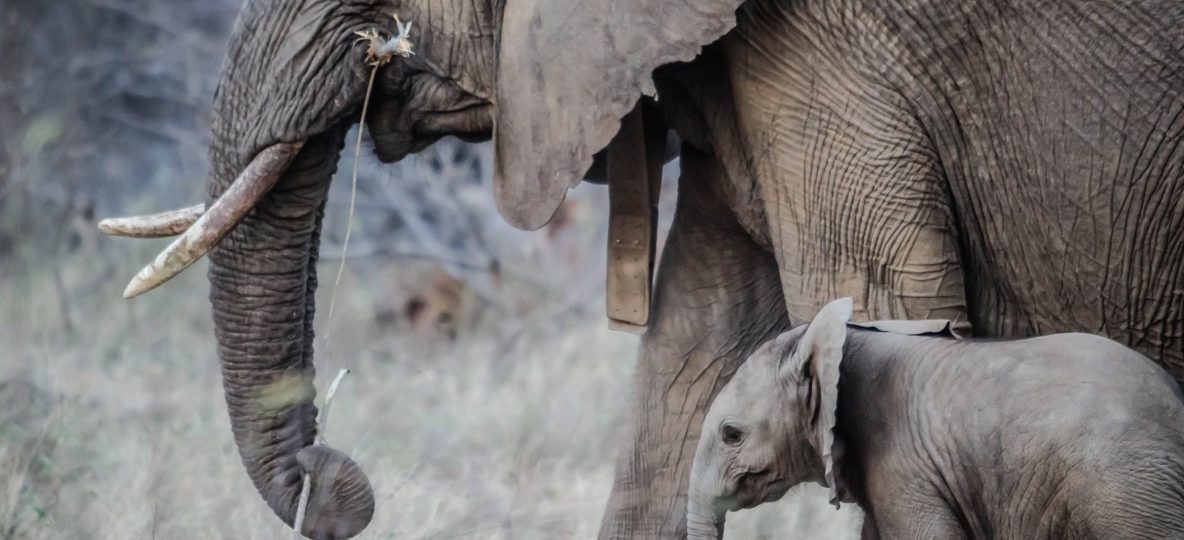
Founded in 1977 by Daphne Sheldrick, the David Sheldrick Wildlife Trust runs the world’s most successful orphan elephant rescue and rehabilitation program. Its nursery sits inside Nairobi National Park, roughly 15 km from the city center and about a 30-minute drive from most Nairobi hotels.
The nursery opens to the public for one hour daily, from 11:00am to 12:00pm, at USD 10 per adult (indicative rate, paid in cash at the gate). During this window, keepers bottle-feed milk to orphaned elephant calves and answer questions about each animal’s rescue story. The Trust also runs anti-poaching and veterinary units across Tsavo, a fact worth mentioning to guests who plan to continue on to Tsavo East or West later in their trip.
AFEW Giraffe Centre: Reticulated and Rothschild’s Giraffe Protection
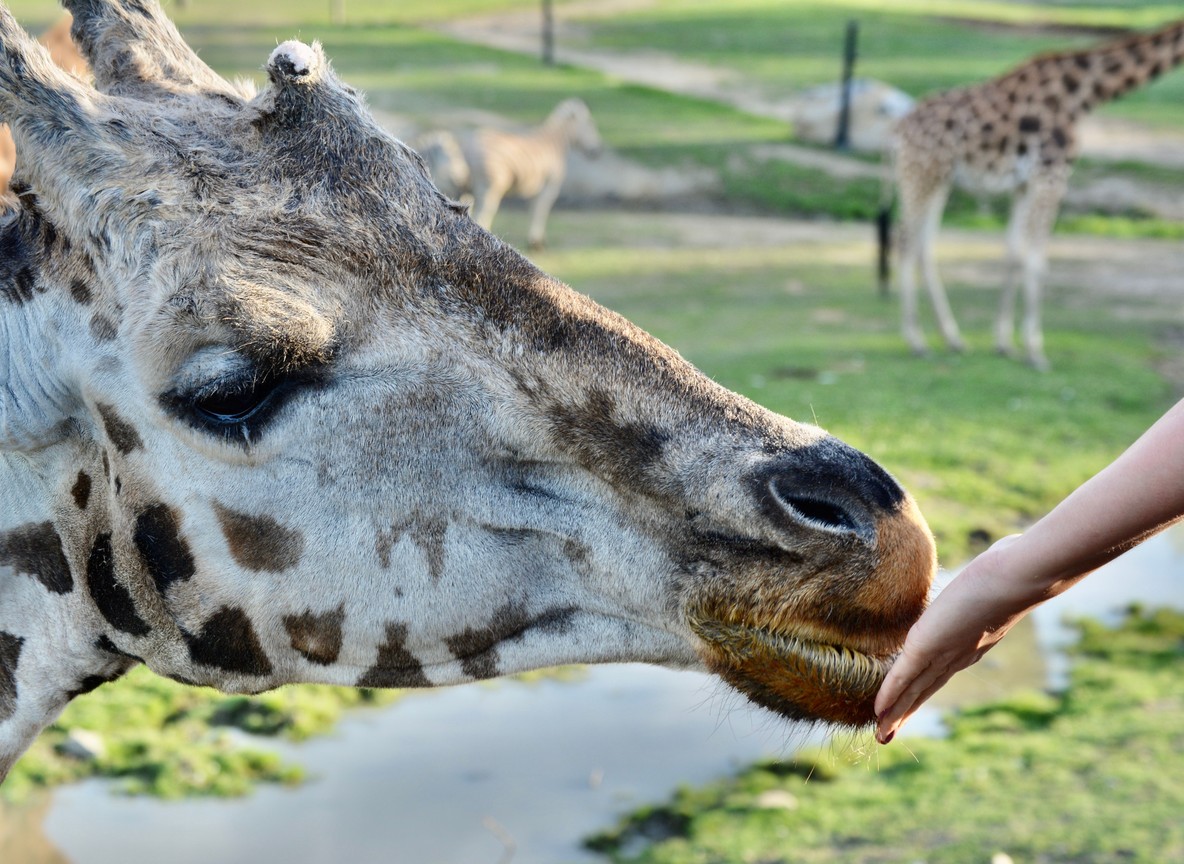
The African Fund for Endangered Wildlife runs the Giraffe Centre in Nairobi’s Karen suburb, about 20 km from the city center and a 35-40 minute drive. Established in 1979, the center breeds and protects endangered Rothschild’s giraffe, a subspecies once down to fewer than 300 individuals in the wild.
Entry costs USD 15 for non-resident adults (indicative rate) and includes hand-feeding giraffes from an elevated platform. The center funds conservation education programs reaching over 150,000 Kenyan schoolchildren a year, making it one of the country’s longest-running conservation education organizations.
Ol Pejeta Conservancy: Rhino and Big Cat Sanctuary in Laikipia
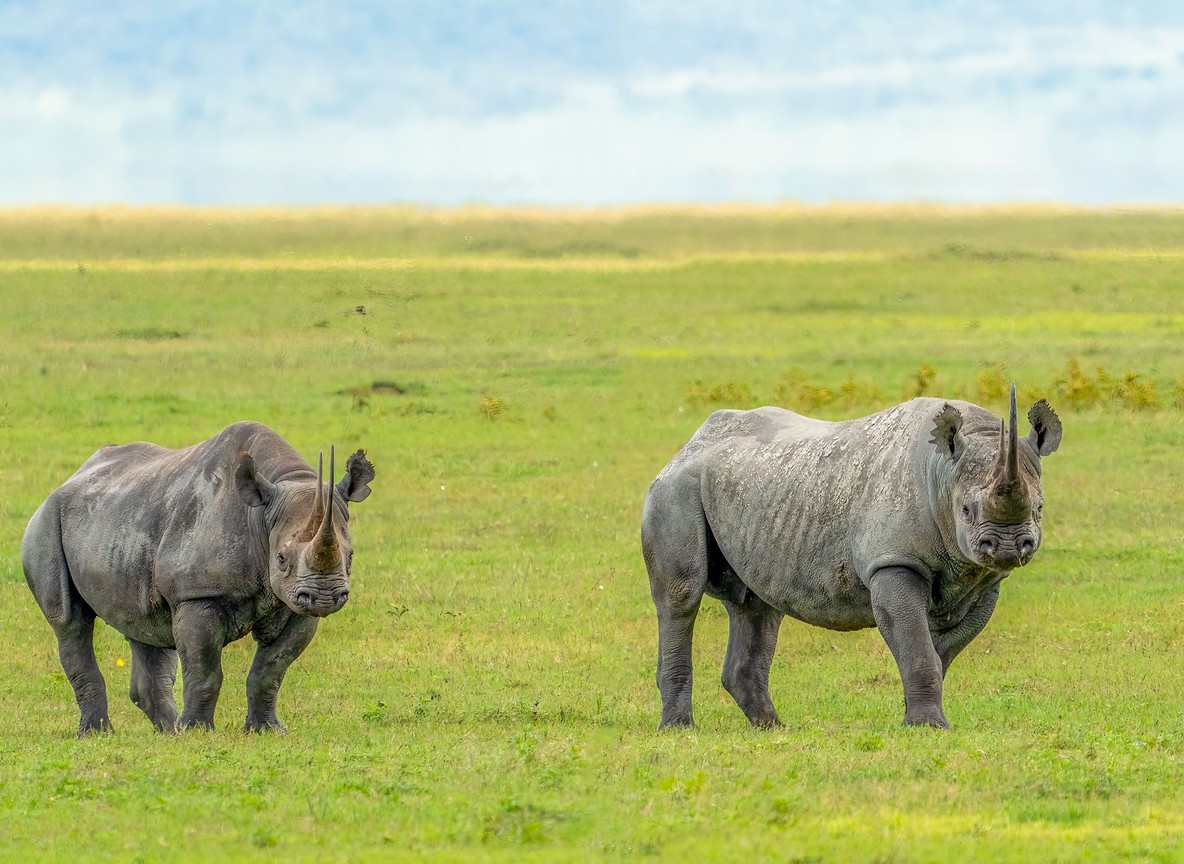
Ol Pejeta Conservancy covers 364 square kilometers in Laikipia County, roughly 200 km and a 4 to 5-hour drive north of Nairobi, or a 45-minute flight into Nanyuki airstrip followed by a 30-minute transfer. It is the largest black rhino sanctuary in East Africa, home to over 140 black and southern white rhinos, and hosts Najin and Fatu, the last two northern white rhinos on Earth.
Conservancy fees run USD 90 per day for non-resident adults (indicative rate, subject to conservancy review), which fund a 24-hour ranger and canine anti-poaching unit. Ol Pejeta also runs a chimpanzee sanctuary for animals rescued from the illegal pet trade, the only place in Kenya where chimpanzees can be seen.
Northern Rangelands Trust: Community-Led Conservation at Scale
The Northern Rangelands Trust (NRT) coordinates 43 community conservancies across northern Kenya, covering roughly 44,000 square kilometers of rangeland, including Namunyak and Sera in Samburu County. Founded in 2004, NRT’s model puts conservancy land management directly in the hands of local pastoralist communities, with tourism revenue and grazing plans set by community boards rather than a central authority.
NRT-affiliated conservancies protect the last viable population of the endangered Grevy’s zebra, of which fewer than 3,000 remain in the wild, almost all in Samburu and Laikipia rangelands.
Mara Elephant Project and Big Life Foundation: Frontline Anti-Poaching
Mara Elephant Project, founded in 2011, runs ranger and aerial monitoring units across the Masai Mara ecosystem, focused on reducing human-elephant conflict as farming expands toward migration corridors. Big Life Foundation, founded in 2010, operates across the Amboseli-Kilimanjaro ecosystem straddling the Kenya-Tanzania border, running one of the region’s largest ranger networks with over 300 rangers and 40 outposts.
Neither organization runs a standard public visitor center, but both partner with camps and conservancies in their operating areas, so a stay at a Mara or Amboseli conservancy camp often includes a direct briefing from their field teams. Trunktrails Safaris arranges these briefings as part of longer tours and safaris itineraries in the Mara and Amboseli ecosystems, since guests rarely know these ranger networks exist until they hear from the teams directly.
Mount Kenya Trust and Kenya Wildlife Trust: Highland and Grassland Protection
Mount Kenya Trust, founded in 1996, protects the forest and moorland habitats around Mount Kenya National Park, roughly 175 km and a 3 to 3.5-hour drive north of Nairobi. Its rangers track elephants moving through the Mount Kenya-Meru corridor and manage a bamboo forest patrol network to curb illegal logging.
Kenya Wildlife Trust, based partly in Nairobi and partly in the Mara ecosystem, funds veterinary care for injured wildlife across multiple conservancies and coordinates the Mara Predator Conservation Programme, which has tracked over 300 individual lions since it began. Both organizations rely on donations and partner bookings rather than standalone visitor centers, so a Trunktrails Safaris guide is often the easiest way to connect with their field projects directly.
Comparing the Key Organizations
| Organization | Location | Distance/Time from Nairobi | Visitor Fee (Indicative) | Founded |
|---|---|---|---|---|
| Kenya Wildlife Service | Langata Road, Nairobi | 10 km, 20-30 min drive | Included in park entry (USD 43-90/day, park-dependent) | 1990 |
| David Sheldrick Wildlife Trust | Nairobi National Park | 15 km, 30 min drive | USD 10/adult, 11am-12pm daily | 1977 |
| AFEW Giraffe Centre | Karen, Nairobi | 20 km, 35-40 min drive | USD 15/adult | 1979 |
| Ol Pejeta Conservancy | Laikipia County | 200 km, 4-5 hr drive or 45-min flight to Nanyuki | USD 90/day (non-resident) | 1988 (as conservancy) |
| Northern Rangelands Trust | Samburu and northern counties | 320-350 km, 6-7 hr drive to Samburu conservancies | Bundled into conservancy bed-night fees | 2004 |
| Big Life Foundation | Amboseli-Kilimanjaro ecosystem | 240 km, 4-5 hr drive | No standalone fee, camp-partnered | 2010 |
Fees and hours change with organizational reviews, so treat the figures above as planning ranges rather than fixed rates.
Why These Organizations Matter for Your Trip
Visiting a conservation organization is not a side activity bolted onto a wildlife trip. It explains the numbers behind the sightings, why a black rhino at Ol Pejeta has an armed escort, why an elephant calf at Sheldrick lost its mother to a poisoned waterhole, or why a Samburu conservancy ranger knows a Grevy’s zebra by name. That context changes how a guest experiences the rest of the tours and safaris itinerary that follows.
For photography and conservation-focused travelers especially, a stop at one of these organizations early in a trip builds the species knowledge that makes later sightings in the Mara, Amboseli, or Laikipia far more rewarding. 📸
The Trunktrails Advantage
Trunktrails Safaris is a Kenyan-owned tours and safaris operator, and we build conservation organization visits into itineraries rather than treating them as an optional add-on. We know which Nairobi stops pair well in a single morning, which conservancies brief guests directly through their own ranger teams, and which fees are bundled into a camp stay versus paid separately at the gate.
Our guides work directly with Ol Pejeta, Sheldrick Trust, and Northern Rangelands Trust conservancy partners to arrange visits that go beyond a standard drive-through. As a Kenyan-owned operator, Trunktrails Safaris also channels tours and safaris bookings toward conservancies where community-led conservation depends on tourism revenue arriving consistently and fairly. 🌍
Build a Conservation-Focused Kenya Itinerary
The organizations above protect the very wildlife a Kenya safari is built around, from Nairobi’s elephant nursery to Laikipia’s last northern white rhinos. Seeing their work firsthand adds a layer to a trip that a standard game drive alone cannot.
Reach out to our tours and safaris team and tell us which organizations you would like to include. We will build an itinerary around Nairobi’s conservation stops, Laikipia’s rhino sanctuaries, or Samburu’s community conservancies, whichever fits your route.
Further reading
More safari planning resources
- Nairobi to Maasai Mara route guide from Valley Safaris
- Amboseli National Park guide on Touring Insights
- Big Five safari collection on FindMySafari
- Ol Pejeta and Sweetwaters safari package from Valley Safaris
WhatsApp: +254 113 208888 Email: info@trunktrailssafaris.com Website: trunktrailssafaris.com