
How Masai Mara Safari Camps Prepare for Migration Season
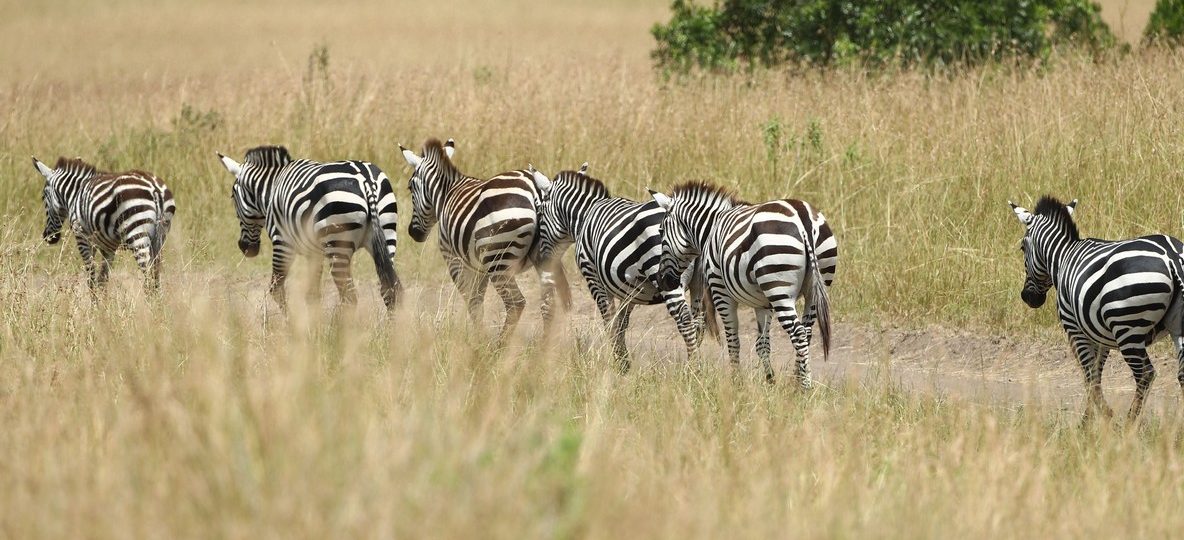
Migration season camp preparation starts months before a single wildebeest reaches the Mara River, and the camps that get it right are the reason a Masai Mara safari during the Great Migration runs smoothly instead of feeling like chaos. Between roughly 1.5 million wildebeest and 200,000 zebra move through the region between July and October, and every camp along their route has to be ready for the crowds, the logistics, and the animals themselves. Trunktrails Safaris works with camps across the reserve and its surrounding conservancies, and this guide breaks down exactly what that preparation looks like behind the scenes.
What Migration Season Actually Means in the Masai Mara
The Great Migration is not a single event. Herds start entering the Masai Mara National Reserve and its neighboring conservancies from Tanzania’s Serengeti around July, with peak river crossing activity typically falling between August and September, before the herds begin drifting back south in October and November. The Masai Mara National Reserve covers roughly 1,510 square kilometers, while the patchwork of more than 14 private conservancies around it adds over 1,400 square kilometers of additional grazing land the herds also pass through.
That six-month window of unpredictable animal movement is exactly why migration season camp preparation is such a specific discipline. Camps cannot simply open their doors and hope the wildebeest show up near their location. They have to plan for herds that might cross the Mara River at Lookout Hill one week and near Purungat Bridge the next.
The Numbers Behind Migration Season
Here is the concrete detail that shapes every camp’s preparation schedule.
| Detail | Figure |
|---|---|
| Peak migration window | Late July through September |
| Estimated wildebeest crossing | Approx. 1.5 million |
| Estimated zebra accompanying the herd | Approx. 200,000 |
| Masai Mara National Reserve size | Approx. 1,510 km2 |
| Combined private conservancy area | Approx. 1,400+ km2 across 14+ conservancies |
| Distance from Nairobi | Approx. 270 km by road |
| Drive time from Nairobi | 5-6 hours via Narok town |
| Flight time from Wilson Airport | Approx. 45 minutes to Keekorok, Musiara, or Ol Kiombo airstrips |
| Reserve entry fee (indicative, non-resident) | Roughly USD 80-100 per person per 24 hours |
| Conservancy conservation fee (indicative) | Roughly USD 50-100 per person per night, usually bundled into camp rates |
Fee figures are indicative ranges only, based on current published rates from reserve and conservancy authorities. Confirm exact figures with Trunktrails Safaris at the time of booking, since pricing is revised periodically.
Staffing Up Months Before the First Herd Arrives
Migration season camp preparation begins with people, not tents. Camps like Governors’ Camp in Musiara and Naboisho Camp in Naboisho Conservancy start recruiting and training extra guides, spotters, and hospitality staff as early as the first quarter of the year, well before the July arrival window. Guide teams are usually the first to expand, since experienced trackers are the difference between guests seeing a crossing and guests missing one entirely.
Housekeeping, kitchen, and maintenance teams also grow during this window. Camps that run at a reduced staff count during the quieter green season need those extra hands trained and in place before the first migration-season guests check in, not scrambling to onboard people once the reserve fills up.
How Camps Track the Herds Before Guests Arrive
No camp waits until a guest asks where the herds are. Guides and camp managers across the reserve and conservancies share daily radio updates on herd movement, grazing patterns, and river crossing points near the Mara River and its tributaries. Many camps also send scouting vehicles out at dawn specifically to locate herds before breakfast game drives begin.
This tracking network matters because the migration does not follow a fixed route. A camp near Talek Gate might have exceptional sightings for two weeks, then see herds shift toward the Mara Triangle in the reserve’s western section. Camps that invest in migration season camp preparation build relationships with neighboring camps and conservancy rangers specifically so guests get accurate, current information rather than guesswork.
Reserve Camps vs Conservancy Camps: How Preparation Differs
Where a camp sits changes what its preparation looks like.
| Factor | Reserve-Based Camps | Conservancy-Based Camps |
|---|---|---|
| Example camps | Governors’ Camp (Musiara), Mara Serena Safari Lodge | Kicheche Mara Camp (Mara North), Mara Plains Camp (Ol Kinyei) |
| Vehicle cap per sighting | Not enforced; crowding common at peak crossings | Typically capped at 5-6 vehicles, enforced by conservancy rules |
| Off-road tracking | Not permitted | Permitted, allowing closer positioning ahead of crossings |
| Guide-to-vehicle ratio during peak | Expanded but still competing with outside operators | Expanded and easier to manage within a closed guest pool |
| Access gates | Sekenani, Oloolaimutia, Talek, Musiara | Private conservancy access points, fewer daily vehicles |
| Booking lead time recommended | 6-9 months ahead for peak dates | 9-12 months ahead, since bed counts are capped |
Reserve camps focus their preparation on managing volume, since gate traffic through Sekenani and Talek climbs sharply in August and September. Conservancy camps like Mara Plains Camp and Kicheche Mara Camp focus more on maintaining the low-density experience guests are paying for, which means capping bookings early rather than adding more tents.
Restocking Kitchens, Vehicles, and Water Systems
Peak season also means peak consumption. Camps stock up on food supplies, fuel, and spare vehicle parts well ahead of the season, since roads into the reserve and conservancies can be difficult to navigate once the short rains begin in November. Water storage and backup power systems get serviced in June, ahead of the July surge in guest numbers.
Vehicle fleets get particular attention. A camp running a handful of Land Cruisers during the quiet season typically pulls additional vehicles out of storage or brings in extra units, since a breakdown during a river crossing means a guest misses the single moment they traveled thousands of kilometers to see.
Why Booking Windows Open So Early
Camps do not wait for July to sell migration season beds. Properties across both the reserve and conservancies, including Angama Mara on the Oloololo Escarpment and Cottars 1920s Safari Camp in Olderkesi Conservancy, often see their peak-season inventory booked out nine to twelve months in advance. That is a direct result of migration season camp preparation working backward from guest demand: camps need firm numbers early to plan staffing, vehicle allocation, and supply orders correctly.
This is one of the most practical reasons travelers should start planning early. A camp that looks available in May for a September stay may simply have last-minute cancellations, not genuine open inventory.
What Migration Season Camp Preparation Means for Your Trip
None of this is behind-the-scenes trivia. It directly shapes what you should ask before booking any of the tours and safaris built around the Great Migration. Ask a camp when it expanded its guide team for the season, how it tracks herd movement day to day, and whether its vehicle cap is enforced or just a suggestion. Camps that answer these questions clearly, with specific detail about their preparation, are usually the ones that deliver on the crossing sightings guests actually travel for.
It also affects pacing. Because reserve camps and conservancy camps prepare differently, many travelers get the strongest overall trip by splitting their stay, spending part of the visit inside the reserve near Musiara or the Mara Triangle for volume, and part of it in a conservancy like Mara North or Ol Kinyei for a quieter, lower-density stretch. Trunktrails Safaris builds many of its tours and safaris around exactly that split, since it gives travelers the benefit of both preparation styles instead of picking only one.
Weather is another factor camps plan around. The peak migration months of August and September fall within the dry season, with minimal rainfall and daytime temperatures typically in the low-to-mid 20s Celsius, which is part of why camps schedule major maintenance and road grading for June, before both the crowds and the herds arrive in force.
The Trunktrails Advantage
Trunktrails Safaris is a Kenyan-owned operator with direct relationships across camps in both the Masai Mara National Reserve and its surrounding conservancies. Because we work closely with camp managers year-round, we know which properties are still finalizing migration season camp preparation and which have already locked their peak-season calendars, so we can steer you toward real availability instead of a waitlist.
We also match your priorities to the right side of the reserve-versus-conservancy decision. If witnessing a river crossing is the top priority, we route you toward reserve-adjacent camps near Musiara or the Mara Triangle. If you want a quieter, lower-vehicle-count experience during peak season, we place you with a conservancy camp like Naboisho Camp or Mara Plains Camp instead. Every itinerary from Trunktrails Safaris comes with current, verified camp rates, so you always know what your tours and safaris actually cost before committing.
Ready to Book Before the Camps Fill Up?
Migration season camp preparation moves fast, and the best camps on both sides of the Masai Mara lock their peak dates far earlier than most travelers expect. Do not wait until July to start planning a trip built around July through September crossings.
Further reading
- Maasai Mara Wildlife Conservancies Association
- African Wildlife Foundation
- Magical Kenya (Kenya Tourism Board)
More safari planning resources
- Wildebeest migration route map from Valley Safaris
- Mara River crossing guide on Touring Insights
- Great Migration safari collection on FindMySafari
- Best time to visit Kenya month-by-month map from Valley Safaris
Message Trunktrails Safaris on WhatsApp at +254 113 208888, email info@trunktrailssafaris.com, or visit trunktrailssafaris.com today. Tell us your travel dates and what you most want to see, and we will match you with camps that are genuinely ready for migration season, not scrambling to catch up. 🦓🌍

