Samburu Warriors Guard Kenya’s Endangered Grevy’s Zebra 🦓
Samburu grevy zebra conservation is one of the most community-driven wildlife recovery stories in Kenya. In the dry hills around Samburu National Reserve, young Samburu men who once herded cattle and goats now walk the same ground as trained scouts, counting stripes and recording sightings of the world’s most endangered zebra species. Their work, alongside the Grevy’s Zebra Trust, has helped pull this species back from the edge in one of the few places on earth where it still survives in real numbers.
For travelers who want their tours and safaris to mean something beyond a photograph, this story is worth knowing before you go. Trunktrails Safaris takes guests into Samburu specifically because this recovery effort is visible on the ground, not hidden behind a research fence. Understanding it changes how you look at every zebra you see there.
Why Grevy’s Zebra Is Kenya’s Rarest Stripe
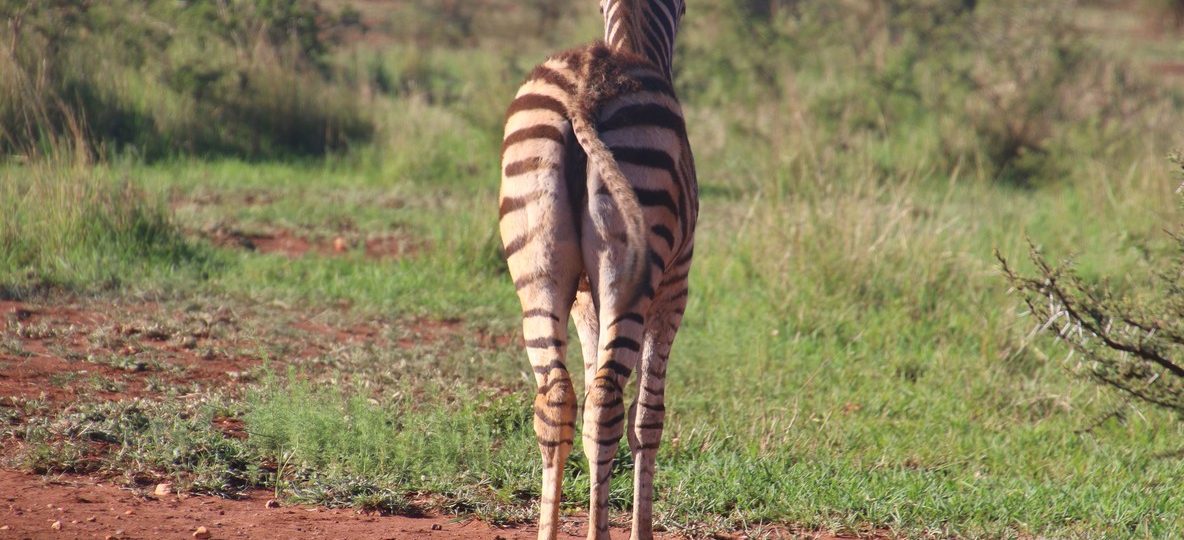
Grevy’s zebra (Equus grevyi) is the largest and most endangered of the world’s three zebra species, easily told apart from the common plains zebra by its narrower stripes, larger rounded ears, and white belly with no stripes underneath. Where plains zebras live in tight family herds, Grevy’s zebras form loose, shifting groups and range much further from water, which made them harder to protect once their numbers began to fall.
The decline was severe. The global Grevy’s zebra population dropped from an estimated 15,000 individuals in the 1970s to roughly 2,000 today, a loss of more than 80 percent driven by drought, competition with livestock for grazing and water, disease, and habitat loss. The species is currently classified as Endangered by the IUCN. Kenya holds the vast majority of the surviving wild population, and northern Kenya, including Samburu National Reserve and the community conservancies around it, is the species’ last major stronghold.
Foal survival is the number that conservationists watch most closely. A Grevy’s zebra mare carries her foal for roughly 13 months and typically gives birth to a single foal every two years, a slow reproduction rate that leaves the species with little room to recover from a bad drought year. When rangeland dries out and mares struggle to produce enough milk, foal mortality can spike sharply within a single season, which is why year-round monitoring matters more for this species than for faster-breeding wildlife.
The Warriors Behind the Recovery
The most distinctive part of Samburu grevy zebra conservation is who is doing it. The Grevy’s Zebra Trust, founded in 2007, trains local Samburu men, many of them former livestock herders known locally as morans or warriors, as Grevy’s Zebra Scouts. These scouts walk transects on foot or by motorbike across community land, identifying individual zebras by their unique stripe patterns, recording births and deaths, and flagging animals in poor condition or in conflict with grazing livestock.
This model works because Samburu warriors already know this terrain better than anyone. They grew up tracking livestock across the same dry-season grazing corridors that Grevy’s zebra depend on, so turning that skill toward conservation was a natural fit rather than an imported idea. The scouts report to community conservancy teams and researchers, building one of the longest-running individual identification datasets for any wild zebra population in Africa.
- Foot patrols and stripe-ID monitoring track individual zebras across huge home ranges that camera traps alone cannot cover.
- Community grazing coordination helps reduce direct competition between livestock and zebra herds during drought.
- Foal survival monitoring flags young zebras at risk from predation, disease, or separation from their mothers.
- Water point management in partnership with conservancies keeps critical water sources open to wildlife, not just cattle.
Samburu National Reserve: Where the Special Five Live
Samburu National Reserve sits along the Ewaso Ng’iro River in northern Kenya, roughly 345 km north of Nairobi, a drive of about 5 to 6 hours or a 1-hour scheduled flight into Samburu Airstrip. The reserve itself covers about 165 km2, small compared to Masai Mara or Tsavo, but its location in Kenya’s arid north gives it a completely different cast of wildlife.
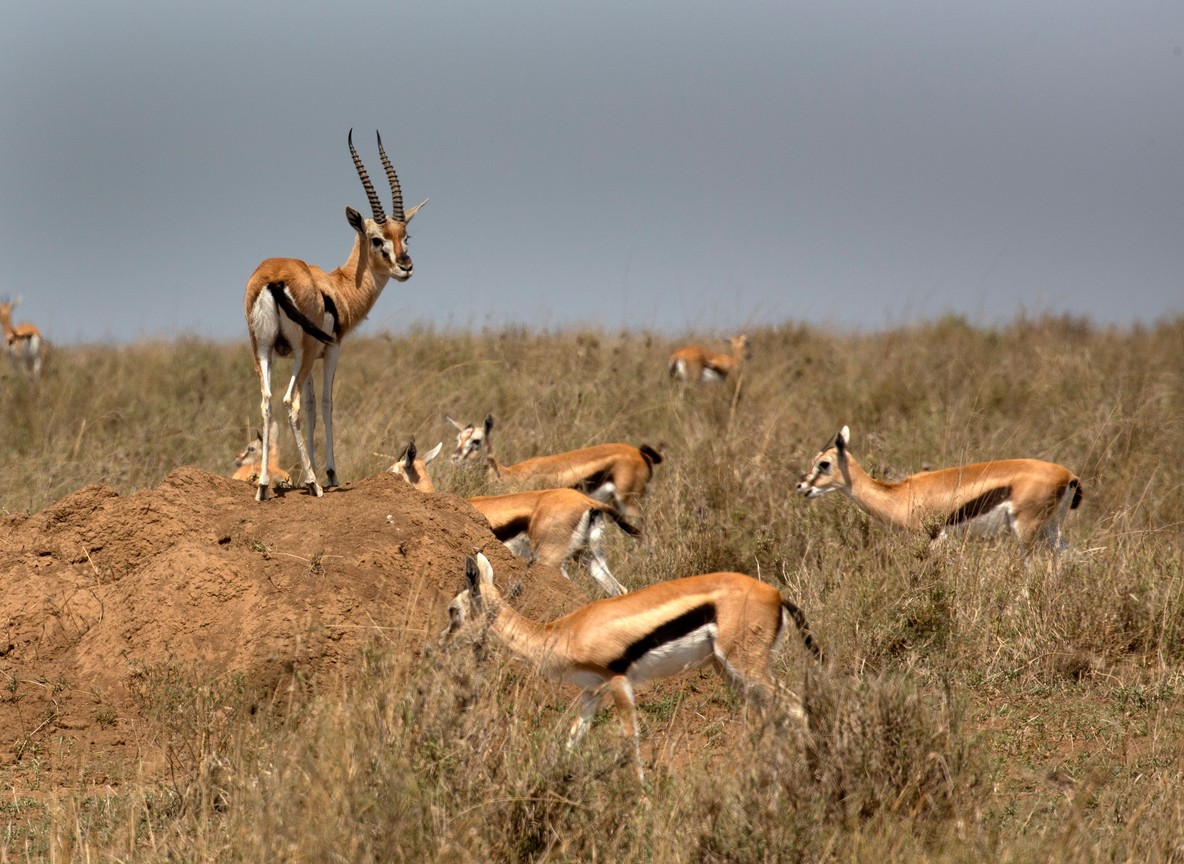
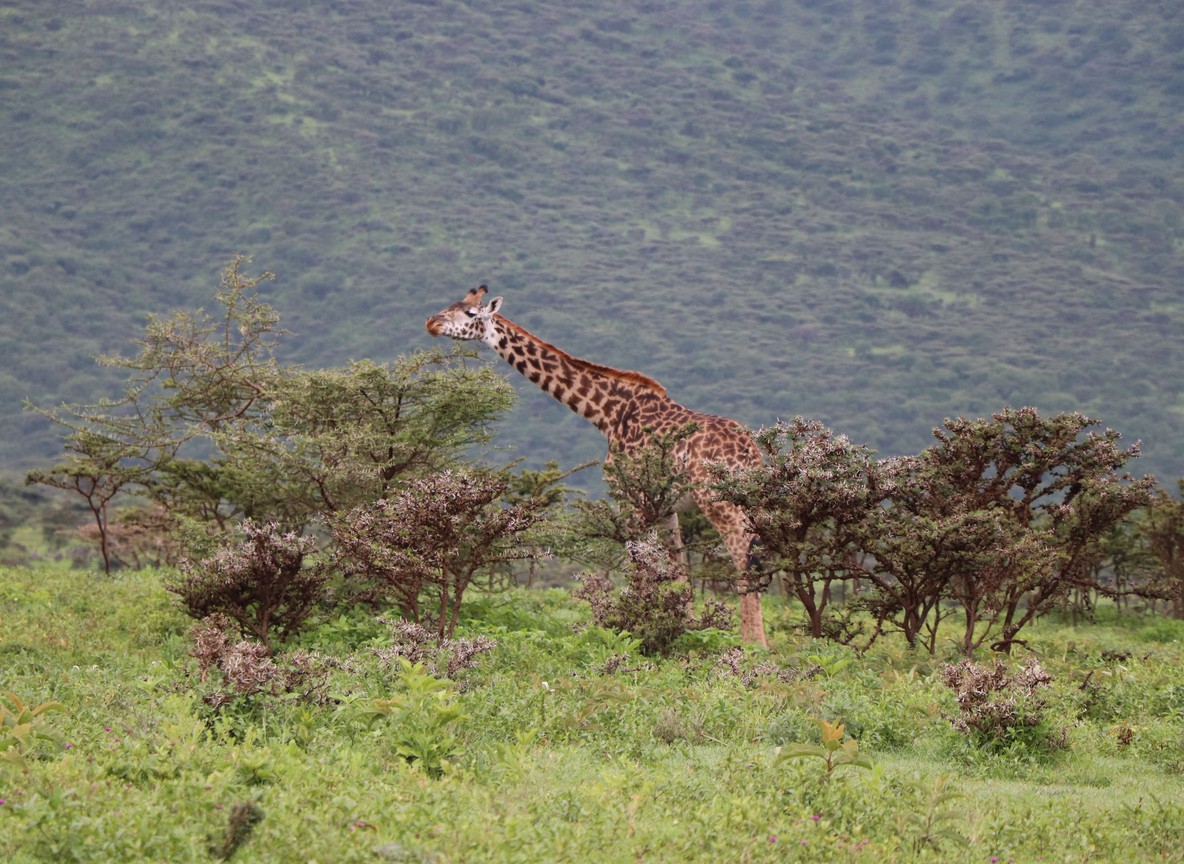
This is where Kenya’s “Special Five” live: Grevy’s zebra, reticulated giraffe, Somali ostrich, gerenuk, and beisa oryx, all species adapted to semi-arid country and rarely seen together anywhere else in Kenya. The Ewaso Ng’iro River is the lifeline of the reserve, drawing elephants, lions, and leopards to its banks even in the driest months, which makes Samburu one of the most reliable dry-season wildlife destinations in the country.
Samburu vs Masai Mara: A Different Kind of Safari
Travelers weighing Samburu against Kenya’s more famous reserves should understand it is not a competing version of the same experience. It is a genuinely different one.
| Feature | Samburu National Reserve | Masai Mara National Reserve |
|---|---|---|
| Distance from Nairobi | 345 km (5-6 hr drive or 1 hr flight) | 270 km (5-6 hr drive or 45 min flight) |
| Reserve size | 165 km2 | 1,510 km2 |
| Entry fee (indicative, USD) | 70 pp per day | 100 (Jan-Jun) / 200 (Jul-Dec) pp per day |
| Signature wildlife | Grevy’s zebra, reticulated giraffe, gerenuk (Special Five) | Wildebeest migration, dense lion prides |
| Crowd levels | Low, few vehicles per sighting | High during migration season |
| Best for | Rare species, cultural access, quieter game drives | Big cat density, river crossings |
Prices above are indicative ranges only and vary by season and operator, so always confirm current rates before booking. Samburu’s smaller size and lower visitor numbers mean sightings feel unhurried, which matters when you are watching a species as skittish and wide-ranging as Grevy’s zebra.
How Your Safari Supports the Scouts
Every conservation fee and camp levy paid inside Samburu National Reserve and its surrounding community conservancies helps fund exactly the kind of foot patrol work the Grevy’s Zebra Scouts carry out daily. Community conservancies bordering the reserve, including areas managed under the Northern Rangelands Trust, rely on tourism revenue to pay scout salaries, fuel motorbikes for patrols, and maintain water points that keep zebras away from conflict zones during drought.
This is a rare case where the traveler’s entry fee has a direct, traceable line to the person doing the conservation work. A Grevy’s zebra scout is not an abstract line item in an annual report. He is a named individual, often from the same village hosting your camp, walking transects that let researchers know whether this species is recovering or slipping backward. Choosing tours and safaris that explain this connection turns a game drive into something closer to a stake in the outcome.
The Trunktrails Advantage
Trunktrails Safaris is a Kenyan-owned operator, and Samburu is one of the destinations where our guiding philosophy matters most. We do not treat Grevy’s zebra as a checklist species. We treat the conservation story around it as part of what you came to see.
| What We Provide | What It Means for You |
|---|---|
| Local, Kenyan-owned guiding team | On-the-ground relationships with Samburu community conservancies |
| Special Five focused itineraries | Dedicated time for Grevy’s zebra, gerenuk, and reticulated giraffe, not rushed past |
| Conservation context briefings | You understand the scout system before you spot your first zebra |
| Community conservancy stays | Your fees flow directly toward local patrol and monitoring work |
| Small-group game drives | Quieter approaches suited to a genuinely shy, wide-ranging species |
Every trip Trunktrails Safaris runs into Samburu National Reserve puts revenue behind the warriors doing this work, and our guides make sure you leave understanding why that matters, not just what you photographed. 🌍
See Kenya’s Rarest Zebra Where the Recovery Is Happening
Fewer than 2,000 Grevy’s zebra remain on this planet, and most of the ones you will ever see in the wild live in and around Samburu National Reserve, protected in part by warriors who grew up on this same land. That is not a story you get from a photograph alone.
Further reading
More safari planning resources
- Map of Samburu from Valley Safaris
- Samburu National Reserve guide on Touring Insights
- Samburu destination guide on FindMySafari
- Kenya national parks map from Valley Safaris
Message Trunktrails Safaris on WhatsApp at +254 113 208888, email info@trunktrailssafaris.com, or visit trunktrailssafaris.com to plan tours and safaris to Samburu that put you face to face with the Special Five and support the community conservation work protecting them. 📸