Is the Masai Mara Too Crowded? What Travelers Should Know in 2026
Have you seen a photo online of thirty safari vehicles parked bumper to bumper at a Mara River crossing? If so, you have already asked yourself the question: is the Masai Mara too crowded to be worth the trip in 2026? The honest answer is that parts of it can be. That crowding hits at specific times, in specific places. The rest of the ecosystem almost never feels crowded at all. Trunktrails Safaris runs trips into both the crowded corners and the quiet ones every month. This guide breaks down exactly where the congestion happens, when it peaks, and how to book around it.
Overcrowding in the Mara is a real, documented problem. But it is concentrated in a small fraction of the ecosystem during a narrow window of the year. Understanding that geography is what separates a frustrating safari from a genuinely great one. It is also the first thing we plan around when we build tours and safaris for travelers heading to this part of Kenya.
Where the Crowding Actually Happens
The Masai Mara National Reserve covers roughly 1,510 square kilometers in southwestern Kenya, managed by the Narok County Government. That sounds like a lot of space. But during peak Great Migration season, most vehicles converge on the same handful of crossing points. The busiest spots sit near Sand River, Musiara Marsh, and stretches inside the Mara Triangle. Wildlife tour operators and conservation observers have repeatedly documented more than 100 vehicles gathered around a single active crossing during the busiest weeks of August and September. That scene has become one of the most shared and most criticized images in African safari tourism.
That congestion is almost entirely a reserve phenomenon. The 14-plus private conservancies bordering the reserve cover a combined area of more than 1,400 square kilometers of former Maasai group ranch land. They operate under lease agreements that cap bed numbers and enforce a strict limit of around 5 vehicles per wildlife sighting. Picture the same August morning. The reserve is gridlocked, but drive through Mara North Conservancy or Naboisho Conservancy instead, and you can watch a pride of lions with two other vehicles instead of twenty.
When the Mara Is Most Crowded
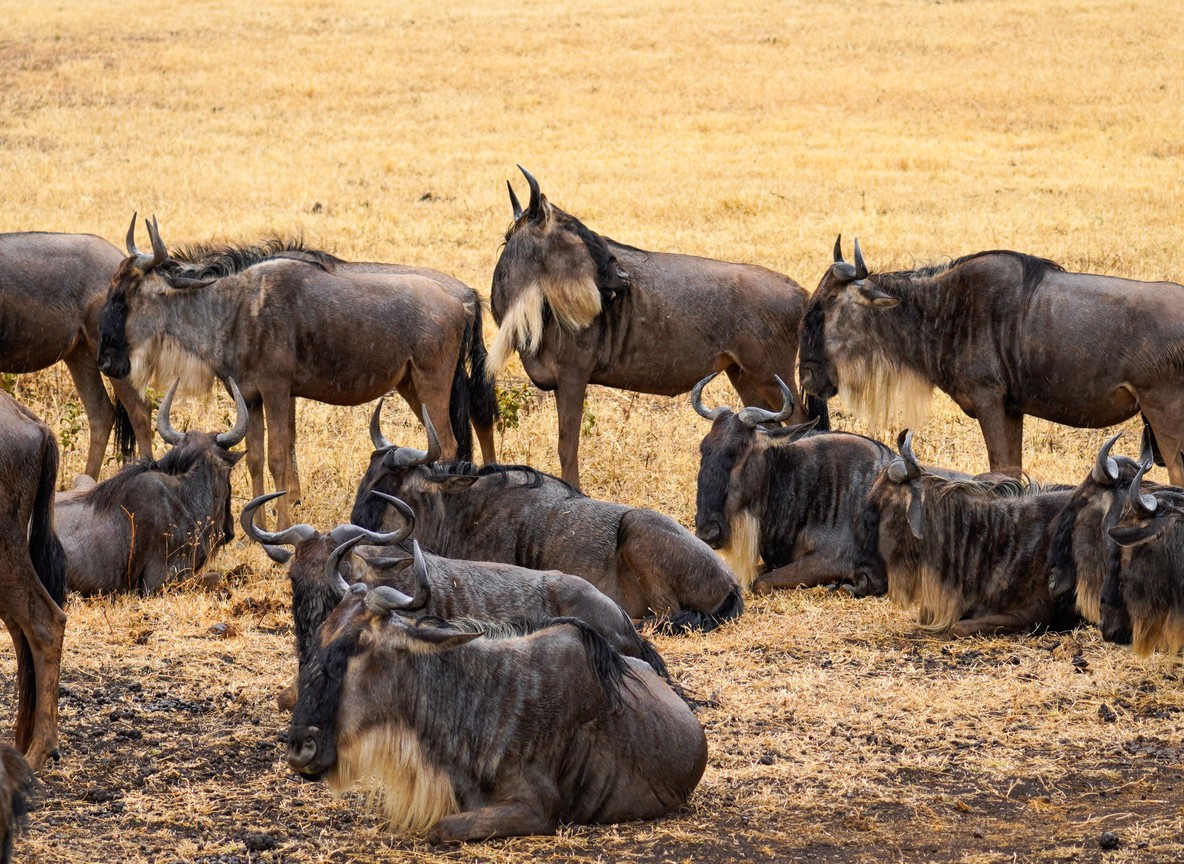
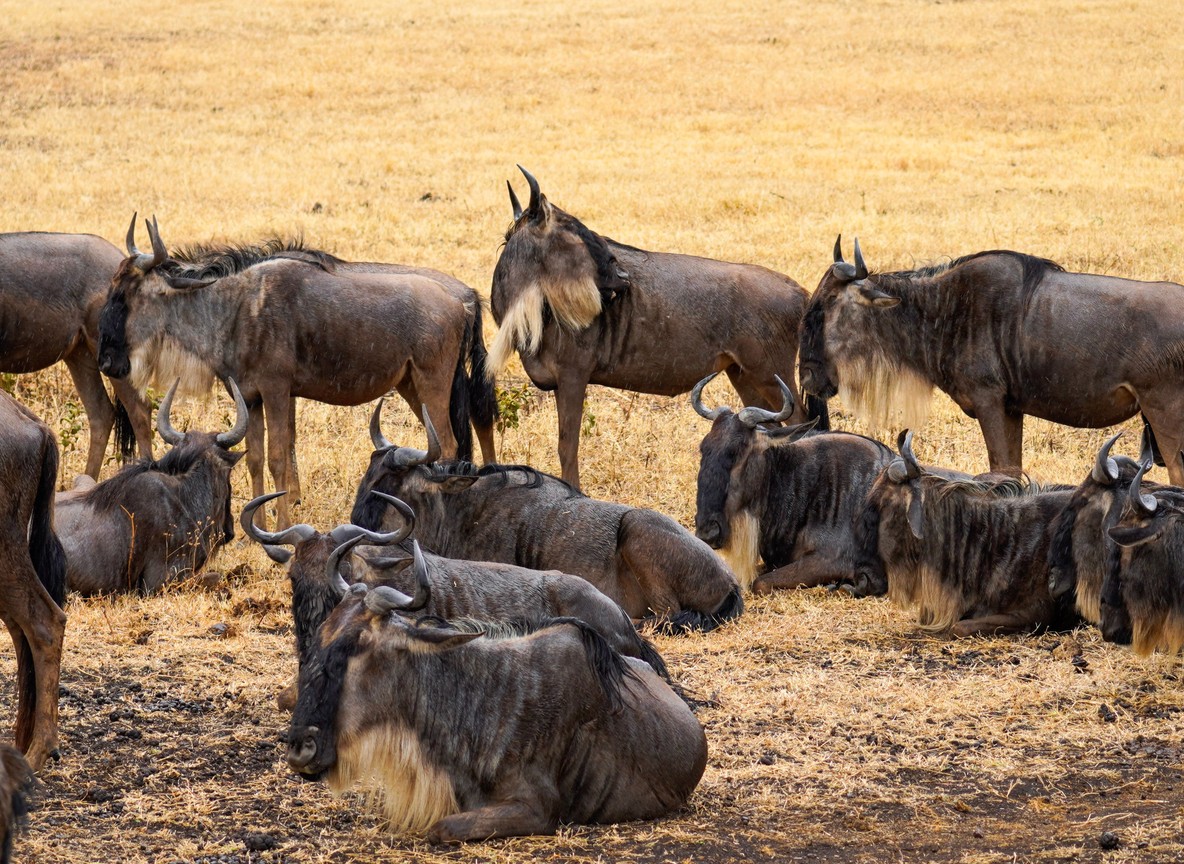
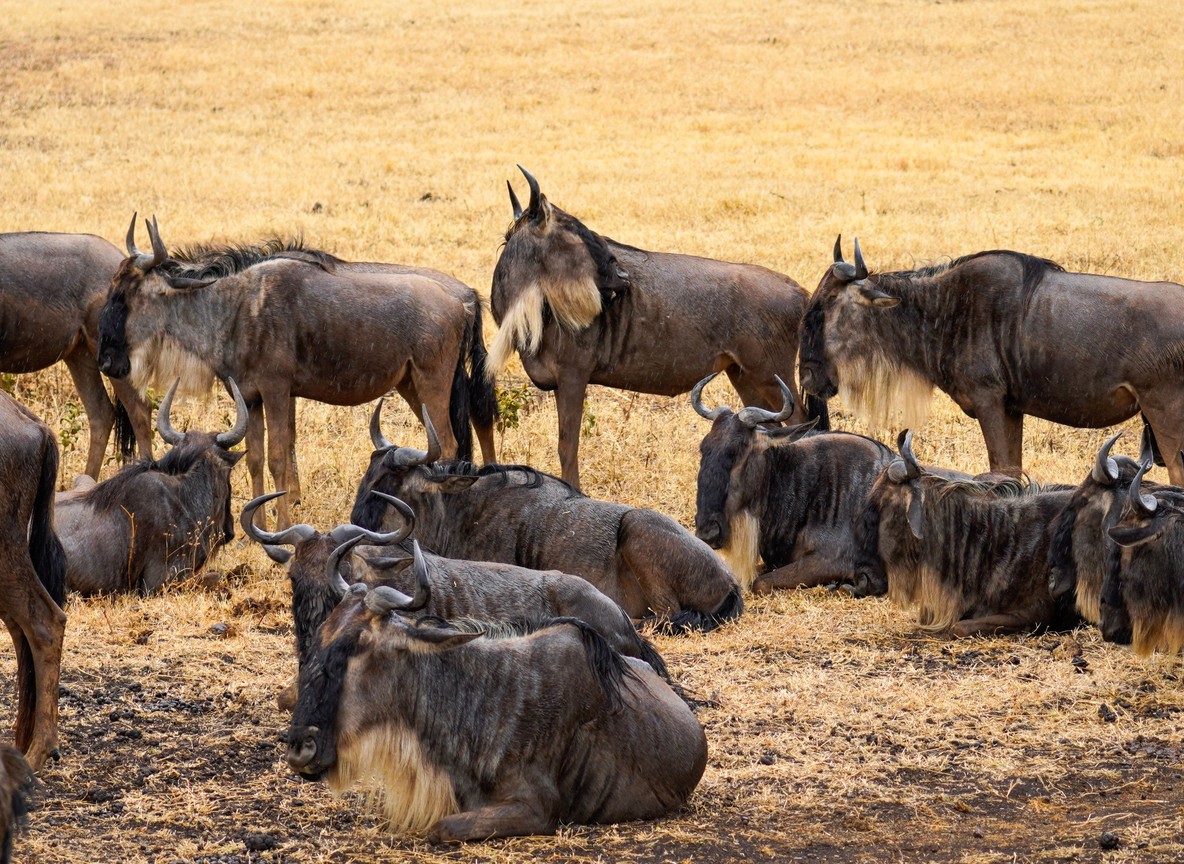
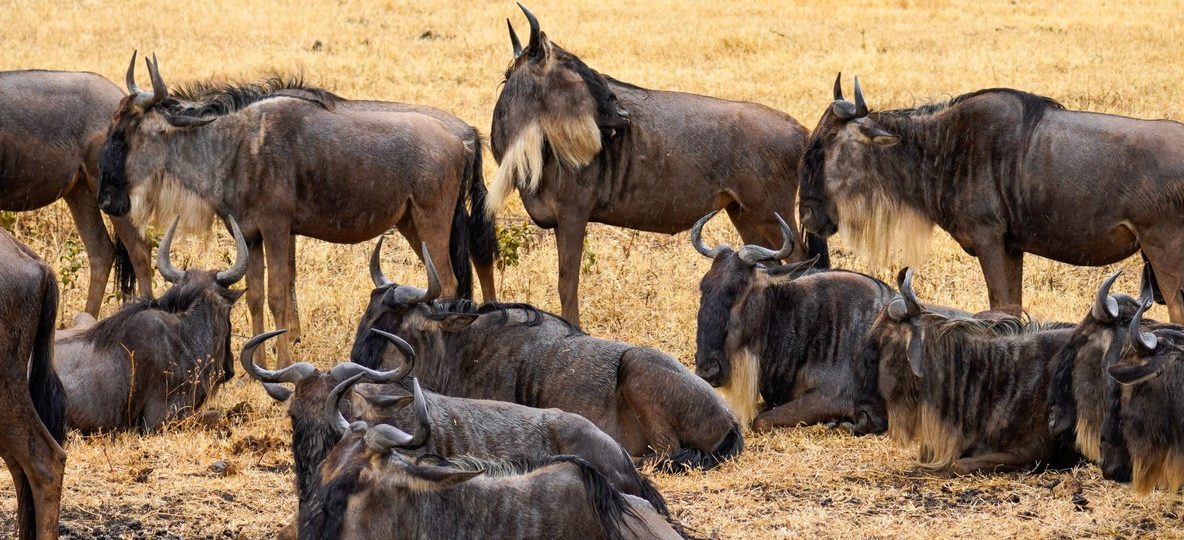
Crowding tracks the Great Migration almost exactly. Wildebeest and zebra herds cross from Tanzania’s Serengeti into the Mara between roughly July and October, chasing fresh grass. River crossings during this window pull the highest vehicle density of the year. August and September are the two hardest months to avoid a crowd at a marquee crossing point.
Outside that window, visitor numbers drop sharply. The reserve empties out considerably from November through March, and again from April through June before the long rains ease. Wildlife viewing still stays strong year-round. The Mara holds resident lion, leopard, elephant, and buffalo populations independent of the migration.
Masai Mara Crowding: The Facts Block
| Factor | Peak Migration (Jul-Sep) | Shoulder Months (Feb-Mar, Nov) | Green Season (Apr-Jun) |
|---|---|---|---|
| Reserve size | 1,510 km2 (Masai Mara National Reserve) | Same | Same |
| Combined conservancy area | 1,400+ km2 across 14+ conservancies | Same | Same |
| Vehicles per sighting, reserve | 20-100+ at popular crossings | 3-10 typical | 1-5 typical |
| Vehicles per sighting, conservancies | Capped at ~5 by lease agreement | Capped at ~5 | Capped at ~5 |
| Reserve entry fee (non-resident, indicative) | ~$100/adult/day | ~$80-90/adult/day | ~$70-80/adult/day |
| Conservancy conservation fee (indicative) | ~$70-100/person/night, on top of camp rate | ~$60-90/person/night | ~$50-80/person/night |
| Distance from Nairobi (road) | ~270 km via Narok, 5-6 hrs each way | Same | Same |
| Flight time from Wilson Airport | ~40-45 minutes to Mara airstrips | Same | Same |
Fees and prices are indicative ranges only and vary by camp, season, and county pricing updates. Always confirm current rates with Trunktrails Safaris before booking.
Reserve vs Conservancy: What Actually Changes the Crowd Math
The reserve is managed as a single public entity, entered through fixed gates including Sekenani Gate, Oloolaimutia Gate, Talek Gate, and Musiara Gate. Any licensed vehicle with a valid ticket can enter and drive to any sighting. That open-access model is exactly what produces the vehicle pile-ups you see in viral photos, because nothing limits how many vehicles converge on one animal.
Conservancies work differently. Only guests staying at camps with a lease stake in that specific conservancy can enter. That puts a hard ceiling on total vehicle numbers, no matter how popular a sighting becomes. Camps in Mara North, Olare Motorogi, and Ol Kinyei Conservancy also allow off-road driving and night game drives, both banned inside the national reserve. That spreads guests across a wider area instead of funneling them toward the same tracks.
The Mara Triangle sits between these two models. This western sector of the reserve is managed separately by the nonprofit Mara Conservancy rather than Narok County. It sees noticeably lower vehicle density than the reserve’s eastern side near Talek, even during peak migration, thanks to tighter enforcement of vehicle numbers at crossings.
Six Ways to Avoid Masai Mara Overcrowding
- Book a conservancy stay instead of a reserve-only camp. The 5-vehicle cap is the single biggest lever you control.
- Travel in the shoulder months. Late June, November, and February through March deliver strong wildlife viewing with a fraction of the vehicle traffic.
- Choose the Mara Triangle over the eastern reserve if you want reserve access without the worst of the crossing crowds.
- Ask your operator about camp location, not just star rating. A camp near Talek Gate sees far more day-tripper traffic than one deep inside a conservancy.
- Prioritize dawn game drives. Vehicle density at any sighting builds through the late morning as day-trip vehicles arrive.
- Consider a fly-in itinerary to a conservancy airstrip, which skips the road traffic near the main gates entirely during peak season.
Is It Still Worth Visiting the Masai Mara?
Yes. The crowding narrative is accurate for a narrow slice of time and place, but it should not be the deciding factor against a trip. The Mara remains one of the most reliable wildlife-viewing landscapes on the planet, with resident predator populations that make a safari worthwhile in any month. The crowding problem is a booking and routing problem, not a reason to skip the destination. An operator who understands that difference can build two completely different trips to the same ecosystem, one for the reserve’s eastern gates in August, and one for a quiet conservancy camp in February.
Where to Stay for a Lower-Crowd Masai Mara Safari
Camp location inside or outside the reserve boundary matters as much as the month you travel. A handful of real examples show the range:
- Mahali Mzuri, inside Olare Motorogi Conservancy, keeps guest numbers low through the conservancy’s own bed-to-acreage ratio. Off-road tracking is allowed on sightings.
- Kicheche Mara Camp, in Mara North Conservancy, sits roughly 45 minutes from the nearest reserve gate. That distance keeps day-trip traffic away.
- Porini Lion Camp, in Ol Kinyei Conservancy, runs night game drives, which are not permitted inside the national reserve. That adds a wildlife-viewing window with almost no other vehicles around.
- Governors’ Camp, near Musiara Gate inside the reserve itself, delivers some of the closest access to the Mara River crossings. It also carries the highest exposure to crossing-point congestion during August and September.
- Mara Serena Safari Lodge, inside the Mara Triangle, benefits from the Mara Conservancy’s tighter vehicle enforcement compared with the reserve’s eastern side.
None of these is a wrong choice. A camp near Musiara or Talek puts you closer to the drama of a crossing, crowds included. Choosing a conservancy camp instead trades some of that immediacy for guaranteed low vehicle counts and activities the reserve does not allow.
The Trunktrails Advantage
Knowing that conservancies exist is one thing. Knowing which conservancy, which camp, and which month actually delivers a crowd-free sighting is another. That is where Trunktrails Safaris does the work most travelers cannot do from a search engine.
Trunktrails Safaris is a native Kenyan-owned operator based in Nairobi. We route every Masai Mara itinerary with vehicle density in mind, not just star ratings. Here is what that means for you:
- Honest crowd forecasting. We tell you upfront which weeks and gates to avoid, rather than letting you find out after you have booked.
- Direct conservancy relationships. We work with camps across Mara North, Naboisho, and Ol Kinyei with real lease access, not resold inventory.
- Routing built around light and traffic, not convenience. Dawn drives, off-road tracking where permitted, and gate choices that keep you away from the worst congestion.
- Direct WhatsApp access to our Nairobi team, 24/7, with no call centre and no third-party booking platform in between.
Our tours and safaris cover both classic reserve safaris and conservancy-based trips across the greater Mara ecosystem. We will tell you honestly which one fits your travel dates. 🦁
Further reading
More safari planning resources
- Interactive Maasai Mara map from Valley Safaris
- Maasai Mara National Reserve guide on Touring Insights
- Masai Mara destination guide on FindMySafari
- Best time to visit Kenya month-by-month map from Valley Safaris
Ready to Plan a Masai Mara Safari Without the Crowds?
You now know where the congestion actually happens, when it peaks, and which conservancies keep vehicle numbers capped by design.
WhatsApp Trunktrails Safaris with your travel dates and group size. We will build a Masai Mara itinerary around the quiet corners of the ecosystem, not the ones you have already seen in a crowded viral photo. That is part of our wider tours and safaris across Kenya. 🌍
WhatsApp: +254 113 208888 Email: info@trunktrailssafaris.com Website: https://trunktrailssafaris.com