
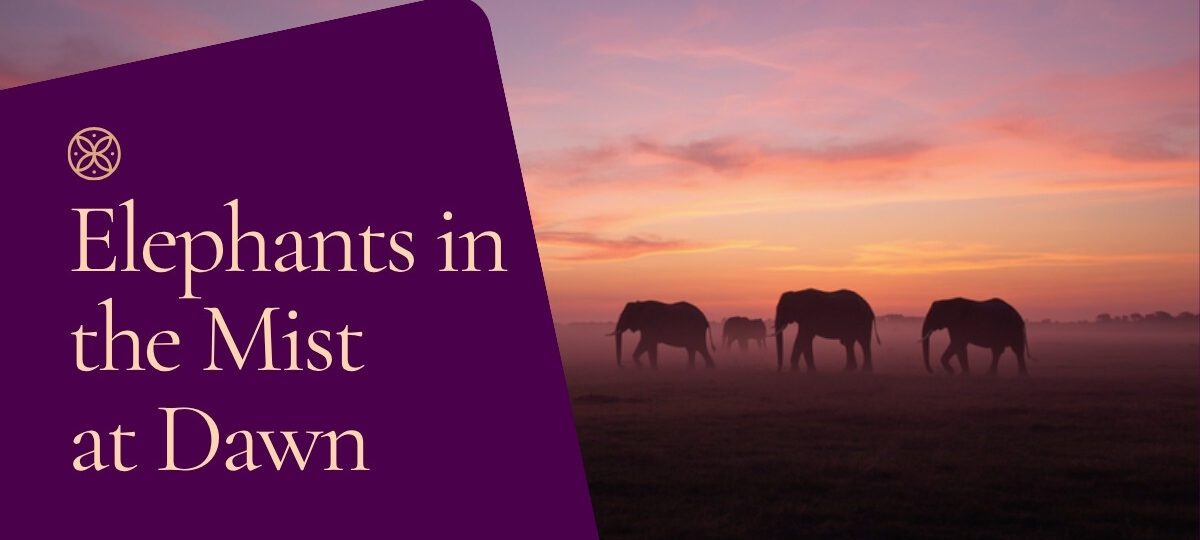
Amboseli Dawn Wildlife vs Afternoon Wildlife
Amboseli dawn wildlife vs afternoon wildlife is a practical safari-planning question because Amboseli changes character across the day. The same park can feel crisp, cool, and mountain-led at sunrise, then warmer, more relaxed, and more swamp-focused in the afternoon. Neither window is useless. They simply reward different priorities.
Amboseli.org’s activity guide describes morning drives as strong for cooler temperatures, active predators, and Kilimanjaro views, while afternoon drives are framed around golden light, elephants at the swamps, and dramatic sunsets. That is one of the clearest official summaries of how the park behaves across the day.
The useful conclusion is simple: dawn and afternoon are both good, but they are good for different reasons.
The Short Answer
Choose dawn if you care most about:
- Kilimanjaro views
- cooler air
- predator activity
- clean early light
Choose afternoon if you care most about:
- warmer golden light
- elephants gathering near swamps
- a more relaxed, less rushed wildlife mood
- dramatic late-day atmosphere
The best Amboseli safari usually uses both.
Why Dawn Feels So Special in Amboseli
Dawn is when the park often feels most iconic.
Why:
- the air is cooler and clearer
- Kilimanjaro is most likely to show before cloud builds
- wildlife movement is often more active
- the low light can make the landscape feel sharper and more dramatic
This is why Trunktrails Safaris treats dawn drives as the most important drive window when:
- the mountain matters
- photography matters
- predators are a serious interest
Why Afternoon Still Matters
Afternoon game drives are not just the second-best option.
They are often strong for:
- elephants near swamps
- warm color and softer late-day atmosphere
- less pressure than the must-start-early logic of dawn
- long, satisfying final drives that close the safari day well
Many travellers end up loving Amboseli afternoons because the pace often feels easier while the park still looks beautiful.
Dawn vs Afternoon for Kilimanjaro
This is one of the easiest parts of the comparison.
Dawn wins.
Amboseli.org explicitly notes that the clearest mountain views usually come at dawn and just after sunrise, before clouds hide the summit.
That means:
- if Kilimanjaro is a priority, dawn is non-negotiable
- afternoon mountain photography is much less reliable
This is why a lodge with efficient early departure matters so much.
Dawn vs Afternoon for Elephants
This is more balanced.
Dawn can be excellent for:
- moving elephant families
- cool early activity
- cleaner compositions
Afternoon can be excellent for:
- swamp-centered elephant scenes
- relaxed feeding and drinking behavior
- warmer, more cinematic light
So for elephants, both windows can be very good. The difference is the style of sighting rather than whether sightings happen at all.
Dawn vs Afternoon for Predators
If predators are a major priority, dawn usually wins.
Why:
- temperatures are lower
- activity is often stronger
- cats and hyenas can still be moving from the night
Afternoon can still work, but it tends to be less consistently predator-led than early morning.
This is why Trunktrails Safaris often advises predator-minded guests not to miss their sunrise drives in Amboseli.
Dawn vs Afternoon for Birding
Birding is often strongest in the morning, especially for:
- active song and movement
- cooler conditions
- wetland activity before the day warms
Afternoons can still be rewarding, especially around water, but birders usually value the dawn window more.
Dawn vs Afternoon for Photography
This depends on what kind of image you want.
Dawn is best for:
- mountain frames
- crisp low-angle light
- cool-toned atmosphere
- silhouettes and first-light drama
Afternoon is best for:
- warm golden light
- swamp reflections late in the day
- softer, more relaxed elephant scenes
- sunset mood
Neither is universally better. They just create different photographs.
Dawn vs Afternoon for First-Time Travellers
First-time travellers usually benefit from both.
Why:
- dawn gives the iconic high-value start
- afternoon gives a second, easier rhythm that often feels more relaxed
That balance is one reason 2-night and 3-night Amboseli safaris work so well. Guests can experience the park in more than one visual mood.
Dawn vs Afternoon for Short 2-Night Trips
On a short trip, Trunktrails Safaris usually prioritizes:
- at least one full dawn drive
- at least one full afternoon drive
That combination gives the best quick understanding of what Amboseli actually is.
If a guest has to choose only one, the answer depends on priority:
- Kilimanjaro and predators: dawn
- elephant atmosphere and warm light: afternoon
Dawn vs Afternoon for Families and First-Time Guests
Families and first-time travellers often benefit from dawn because the park feels exciting quickly and the cool start helps with energy. But they also often appreciate afternoons because the pace is less intense and the wildlife can be enjoyed without the pressure of an ultra-early start.
That is why Trunktrails Safaris often structures beginner-friendly tours and safaris around:
- at least one serious dawn drive
- at least one slower, more scenic afternoon drive
This gives the guest both the iconic and the comfortable version of Amboseli.
Which Window Is Better on a Cloudy Day-
If the sky is heavy and the mountain is unlikely to appear, afternoon can become relatively more attractive because:
- the loss of dawn mountain value matters less
- warm late-day color may still improve the park’s look
- elephants around swamps can remain very rewarding
That does not make dawn weak. It just changes the comparison slightly when Kilimanjaro is no longer the central factor.
Which Window Is Better for Short-Stay Photographers-
For photographers on a short trip, dawn still usually has the edge because it gives the best chance at combining wildlife with clean light and mountain potential. But afternoon remains important because it can recover the day with warm color, easier elephant scenes, and a more forgiving pace if the morning did not produce the hoped-for frame.
That is why Trunktrails Safaris almost never builds a photo-minded Amboseli safari around only one daily window.
Quick Comparison: Amboseli Dawn Wildlife vs Afternoon Wildlife
| Factor | Dawn | Afternoon |
|---|---|---|
| Kilimanjaro views | Strongest | Weaker |
| Predator activity | Stronger | Moderate |
| Elephant mood | Strong | Strong |
| Warm golden light | Moderate | Strong |
| Birding | Stronger | Moderate |
| Relaxed safari feel | Moderate | Strong |
Dawn vs Afternoon Drives: What Actually Changes
In Amboseli the mountain sets the clock. Kilimanjaro is clearest at first light and usually clouds over by mid-morning, while elephant herds stream toward the swamps through the afternoon.
| Factor | Dawn drive (~6-9am) | Afternoon drive (~4-6:30pm) |
|---|---|---|
| Kilimanjaro visibility | Best (clear) | Often clouded |
| Predator activity | Highest | Moderate |
| Elephants at the swamps | Building | Peak |
| Light | Soft and low | Golden, dusty |
| Temperature | Cool | Warm |
A single overnight gives you one of each window; two nights lets you work both properly, which is why serious photographers rarely day-trip Amboseli.
The Trunktrails View
At Trunktrails Safaris, we usually treat dawn as the higher-priority drive and afternoon as the more atmosphere-rich drive.
That is why the best Amboseli safaris do not ask you to choose only one. They combine both and let the park show two different personalities.
Final Decision Rule
Choose dawn if the mountain or predators matter most.
Choose afternoon if elephants, golden light, and late-day atmosphere matter most.
Choose both if you want the smartest version of an Amboseli safari.
Further reading
Ready to Plan Your Kenya Safari- Talk to Trunktrails Safaris
Trunktrails Safaris designs tailor-made tours and safaris for every traveller and every budget. If you are planning how to structure game drives in Amboseli, we can help match the right lodge, trip length, and drive rhythm to the wildlife experience you want most.
WhatsApp: +254 113 208888 Email: info@trunktrailssafaris.com Website: https://trunktrailssafaris.com