Amboseli Calves and Baby Animals Season Guide
Amboseli calves and baby animals season guide is important because many travellers want a softer, more family-centered version of safari rather than only the sharpest dry-season wildlife visibility. In Amboseli, young animals are not limited to one single dramatic calving event the way some migration systems are framed, but greener periods often make family groups and young wildlife feel far more visible, fresh, and emotionally rich.
Amboseli.org’s planning guide states that November and March to May bring lush landscapes, birdwatching strength, and baby animals. The same seasonal guidance also points to January to March as good for photographers who want greener backdrops. That is enough to establish the core pattern: if your safari priority is calves, young wildlife, and softer family scenes, the greener or post-rain parts of the calendar become especially attractive.
The useful answer is not one perfect week. It is one useful type of season.
The Short Answer
If you want the strongest chance of seeing calves and young wildlife in Amboseli, focus on:
- November to March
- and the greener parts of the year more broadly
Why:
- the landscape is fresher
- family groups often feel more active and visually rich
- young animals stand out more in softer ecological conditions
That does not mean dry season has no calves. It means greener periods usually make the experience feel fuller.
Why Greener Periods Matter for Baby Animals
Greener periods are attractive for baby-animal safaris because:
- the park feels more alive
- forage is better
- family groups can look calmer and more settled
- photography becomes softer and more colorful
This matters especially in Amboseli because the park’s elephant families are already such a core part of the destination’s identity. Add calves to that, and the emotional impact rises quickly.
Elephant Calves: The Heart of the Guide
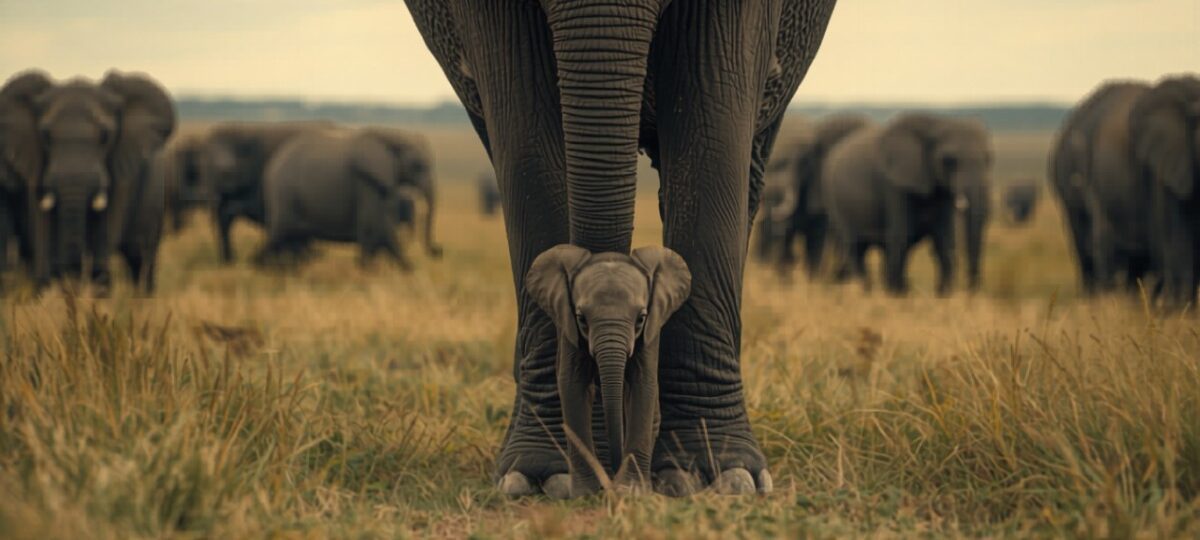
Elephant calves are usually the most important young-animal draw in Amboseli.
Why:
- elephants are the signature species
- family herds are visible and behavior-rich
- young calves create instantly memorable safari scenes
This is why Trunktrails Safaris often treats baby-animal expectations in Amboseli as elephant-first, even though the broader wildlife also matters.
Beyond Elephants: Other Young Wildlife
Amboseli’s greener months can also be rewarding for:
- zebra foals
- young wildebeest
- juvenile antelope
- general family-group dynamics across plains species
This may not have the same global reputation as the Mara migration calving narrative, but it still gives a very satisfying softer-season safari.
Best Months for Baby Animals in Amboseli
The safest broad answer is:
- November to March
Why:
- short rains and the following greener conditions refresh the ecosystem
- January to March often still gives attractive green-season photography
- family scenes feel richer than in the hardest dry-season months
March to May can also bring baby-animal appeal, but practical travel conditions may be more variable because of rain.
Best Months for Calf Photography
If the goal is photography, the strongest months are often:
- January
- February
- November
Why:
- greener backdrops
- softer light
- less harsh dry-season atmosphere
- family-group scenes that feel more tender and layered
These months are especially good for guests who want emotional wildlife imagery rather than maximum dry-season starkness.
Dry Season vs Greener Season for Young Wildlife
Dry season can still show calves, but the overall safari feel is different.
Dry season gives:
- clearer visibility
- more predictable wildlife concentration
Greener periods give:
- more softness
- richer family atmosphere
- stronger visual sense of renewal
That is why baby-animal safaris often lean greener even when general wildlife safaris lean drier.
Are Baby Animals Guaranteed-
No, and this matters.
Amboseli is not a fixed-date calving spectacle park. The right expectation is:
- young animals are more likely to feel visible and meaningful in greener periods
- exact sightings depend on the normal variability of wild systems
This is the honest way to set expectations without flattening the park into a false seasonal promise.
Is a Baby-Animal Safari Better for Families-
Often yes.
Families tend to respond strongly to:
That can make greener-period tours and safaris in Amboseli especially appealing for parents traveling with children.
Is a Baby-Animal Safari Better for Photographers-
For some photographers, absolutely.
It is especially strong for those who want:
- emotion
- storytelling
- green backdrops
- family behavior rather than only spectacle
For photographers chasing dust, silhouettes, and the harsh iconic dry look, the answer may be different. But for tenderness and life-cycle imagery, greener periods are usually better.
Best Safari Structure for Calves and Young Wildlife
The best setup usually includes:
- at least two nights
- drives that prioritize family-herd areas and swamps
- flexible expectations across different species
This is why Trunktrails Safaris often shapes these safaris around:
- elephant family viewing
- slower observation
- photographic patience
The guest is not just trying to see more animals. They are trying to see a more emotionally resonant version of the park.
Common Mistake Travellers Make
The biggest mistake is expecting a single sharp calving season in the way some migration systems are marketed elsewhere in Kenya.
In Amboseli, the better approach is:
- choose greener months
- focus on family herds
- let the young-wildlife theme enrich the safari rather than trying to make it a rigid checklist
That produces better expectations and usually a better trip.
Is a Baby-Animal Safari Better for First-Time Travellers?
Often yes, because calves and young wildlife make the park feel emotionally immediate. For many first-time guests, a softer greener-season safari with elephant calves and young plains animals creates stronger memory value than a harsher dry-season trip built only around visibility.
Quick Amboseli Calves and Baby Animals Guide
| Priority | Best Timing |
|---|---|
| Elephant calves and family scenes | November to March |
| Greener baby-animal photography | January to March |
| Easier travel with some young wildlife appeal | November and January to February |
| Maximum dry-season visibility | June to October, but less baby-animal mood |
When to See Calves and Babies in Amboseli
Most plains animals time their births to the rains, when fresh grass gives mothers and newborns the best odds. That makes the green months the calving season.
| Period | What is born |
|---|---|
| Mar-May (long rains) | Peak births: wildebeest, zebra and gazelle calves |
| Nov-Dec (short rains) | Second birth pulse with the green flush |
| Jun-Oct (dry) | Young growing up; elephants breed year-round |
Predators follow the calves, so the calving months also bring some of the year’s best lion and cheetah action on the plains.
The Trunktrails View
At Trunktrails Safaris, we usually recommend greener Amboseli months for travellers who want:
- elephant calves
- softer family scenes
- emotionally rich wildlife photography
That is one of the most appealing versions of the park, especially for families and gentle wildlife-focused safaris.
Final Decision Rule
If your main wildlife dream is babies, calves, and family behavior, lean toward the greener part of the Amboseli calendar.
If your main dream is maximum visibility and the driest classic safari look, the dry season may still suit you better.
Further reading
Ready to Plan Your Kenya Safari? Talk to Trunktrails Safaris
Trunktrails Safaris designs tailor-made tours and safaris for every traveller and every budget. If you want an Amboseli safari focused on calves and baby animals, we can match the right season, lodge, and safari rhythm to the softer wildlife experience you want most.
WhatsApp: +254 113 208888 Email: info@trunktrailssafaris.com Website: https://trunktrailssafaris.com