
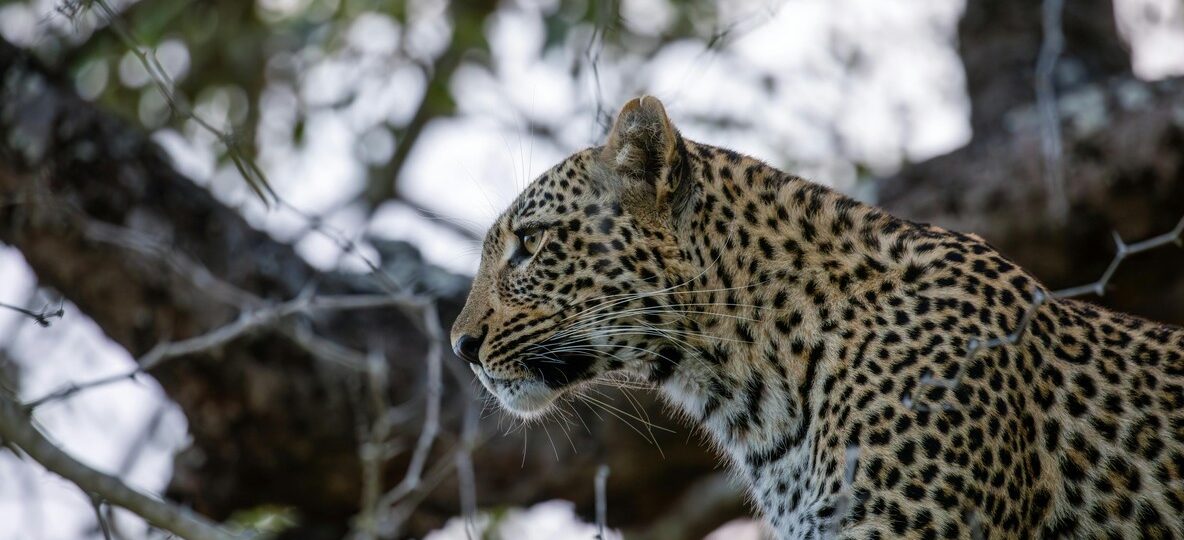
Where to See Leopards in Kenya: Best Parks and Timing 🐆
You hear the baboons first. A sharp, percussive alarm call from the fever trees above the riverbank. Then silence. Your guide already knows what it means before you do. He cuts the engine, raises a finger, and points to a horizontal shape four metres up in a sausage tree — all spotted rosettes and absolute stillness.
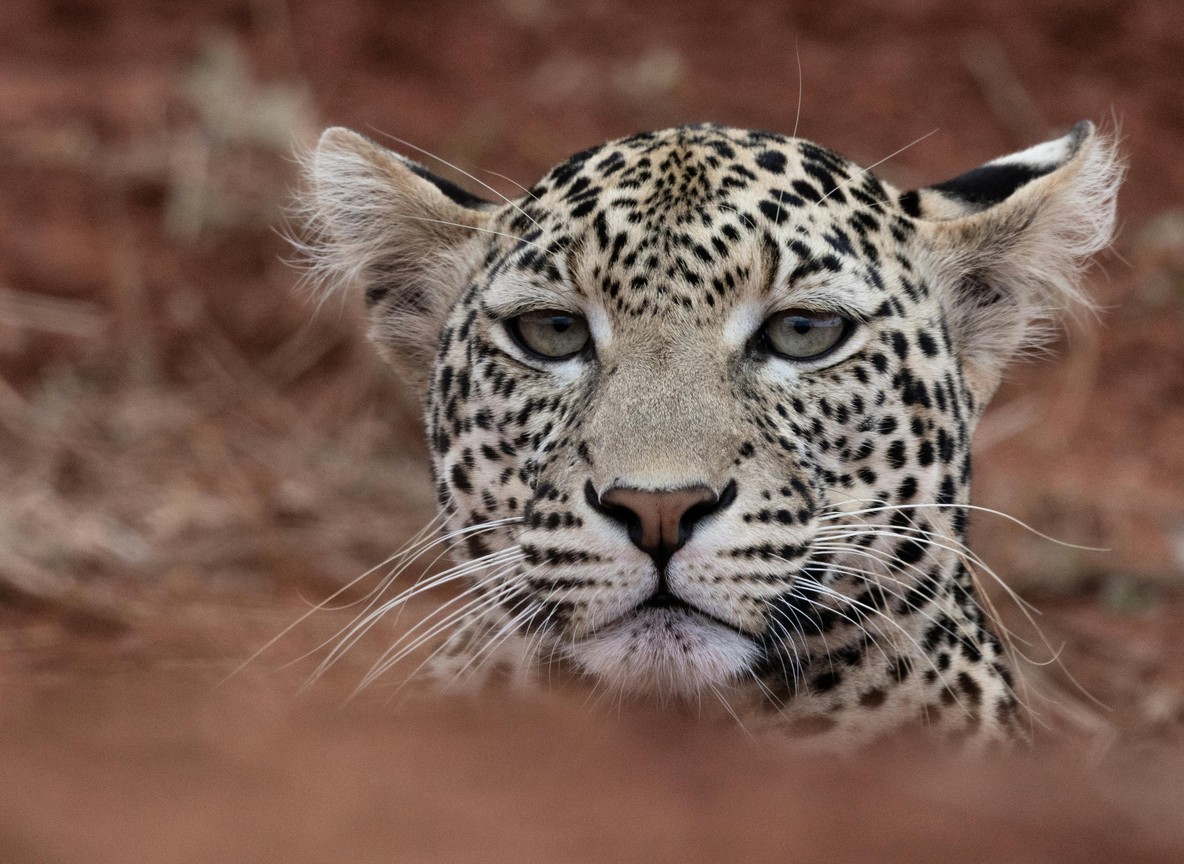
That is what finding a leopard in Kenya feels like. Not luck — the right park, the right time of day, and a guide who reads the bush the way you read words on a page.
This guide covers exactly where to see leopards in Kenya, which parks and conservancies give you the best odds, and when to go. If you are planning a wildlife photography safari or a dedicated big cat trip, start here.
Why Leopards Are Kenya’s Hardest Big Cat to Find
The lion announces itself. The cheetah hunts in open grassland at midday. The leopard does neither.
Panthera pardus is classified as Vulnerable on the IUCN Red List, and Kenya holds one of Africa’s healthiest remaining populations — but healthy does not mean easy. Leopards are solitary, nocturnal by preference, and built for invisibility. Their rosette patterning dissolves against bark and broken shadow. They spend most of the day wedged into a fork sixty feet up, watching everything below with no intention of being seen.
This is exactly why a specialist guide matters on any kenya wildlife safaris trip focused on big cats. Leopards leave a readable story in the landscape: alarm calls from vervet monkeys and baboons, scrape marks on tree trunks, cached kills hoisted into the canopy, pugmarks in soft soil near water. The guide sees the story. You see the leopard.
Leopard Gorge, Masai Mara: Kenya’s Most Reliable Leopard Zone 🌅
If you have one destination for finding out where to see leopards in Kenya, the Masai Mara’s leopard gorge masai mara zone is it. The rocky escarpment along the Mara River’s tributary drainage — particularly the stretch locals call Leopard Gorge — holds a near-resident population of female leopards and their sub-adult offspring.
The terrain explains the density. Broken kopje country, fig trees rooted in rock fissures, and the constant movement of impala, reedbuck, and warthog below the escarpment create ideal hunting conditions. Females here have territories small enough that a skilled guide can predict likely resting spots by time of day.
Best approach for Leopard Gorge sightings:
- Game drives at 06:00 are the most productive. Leopards finishing nocturnal hunts are moving toward daytime rest sites.
- The late afternoon window from 16:30 to 18:30 is the second peak as animals become active before dark.
- Avoid midday searching — a sleeping leopard at noon is nearly impossible to spot.
- In the Mara conservancies (Naboisho, Olare Motorogi, Mara North), strict vehicle limits mean you are not competing with thirty other Land Cruisers at a sighting.
The leopard valley masai mara zone on the western edge near the Tanzanian border also holds resident animals. Less visited, consistently productive — especially for those staying in private conservancy camps.
Samburu National Reserve: Leopards in Northern Kenya
Samburu operates on different rhythms than the Mara. The Ewaso Nyiro River cuts through a dry, rocky landscape of doum palms and acacia scrub. Leopards here hunt the riverine fringe — thick enough for cover, open enough to move along.
The light in Samburu is sharper and the vegetation sparser than the Mara. When you find an animal here, it is often fully visible. Sightings of leopards carrying prey are more frequent in this open ecosystem than in denser landscapes.
The dry seasons (January to February and July to October) concentrate wildlife along the Ewaso Nyiro, which concentrates leopard activity proportionally. Early morning drives along the southern riverbank are consistently productive. Night game drives, available from some private lodges just outside the reserve boundary, offer the highest encounter rates overall.
Samburu also holds the gerenuk, reticulated giraffe, Grevy’s zebra, and Beisa oryx — the Northern Specials — making it a strong anchor for any kenya wildlife safaris itinerary combining leopard and species photography.
Laikipia Plateau: Home of the Black Leopard 📸
In 2019, researchers published the first scientifically documented evidence of a melanistic (black) leopard living in Kenya, confirmed through camera trap images from Laikipia County. That finding changed how the world thinks about where to see leopards in Kenya.
The black leopard laikipia kenya confirmation turned the plateau into a priority destination for serious wildlife photographers. Melanistic leopards are not a separate species — they are spotted leopards whose rosettes are visible only in strong lateral light, carrying a genetic variation also found in Asian black panthers.
Laikipia separates itself from the Mara and Samburu through foot-based tracking. Several conservancies permit guided walking safaris with trained rangers: reading spoor, identifying scrape marks, moving silently through terrain no vehicle can access. Top properties include Ol Pejeta Conservancy, Lewa Wildlife Conservancy, and Borana (linked to Lewa, semi-arid terrain preferred by resident leopards).
Lake Nakuru and Meru: Two Underrated Options
Lake Nakuru is mostly visited for flamingos and rhinos. Most guests leave surprised by the leopards. The park’s compact 188 square kilometres concentrates a resident population into a tight space. The fever tree forest fringing the northern shoreline holds multiple resident females. Leopards here are well-habituated to vehicles, producing close approaches without behavioural disruption. A half-day detour from Naivasha or a standalone overnight — it pairs cleanly with a Mara circuit as a Nairobi pre-stop.
Meru National Park offers a different proposition: leopard sightings without crowd pressure. The park covers 870 square kilometres with far fewer vehicles per square kilometre than the Mara. The Tana River tributaries running through the southeastern section hold resident populations. Guides here rely on alarm call triangulation — reading bird and primate responses to locate resting animals before they are visible. Meru’s leopards are less habituated and harder to find. When you do find one, the encounter carries more weight.
Park-by-Park Leopard Comparison
| Park or Conservancy | Leopard Density | Best Months | Sighting Odds | Specialist Activity |
|---|---|---|---|---|
| Masai Mara (Leopard Gorge) | Very High | July-October, Jan-Feb | High | Night drives (conservancies) |
| Mara Conservancies (Naboisho, Olare) | High | Year-round | High | Walking, night drives |
| Samburu National Reserve | High | Jan-Feb, Jul-Oct | Moderate-High | Riverine dawn drives |
| Laikipia (Lewa, Ol Pejeta, Borana) | Moderate | Year-round | Moderate | Walking, night drives, camera traps |
| Lake Nakuru | Moderate | Year-round | Moderate | Vehicle drives |
| Meru National Park | Moderate | Jun-Oct | Low-Moderate | Guided bush walks |
Best Time of Day for Leopard Sightings
Leopards are crepuscular at minimum and nocturnal by preference. That creates a predictable rhythm you can plan around.
Dawn (06:00-08:30): Prime time. Leopards finishing nocturnal hunts, moving toward rest sites, sometimes still on a kill. The cool air and low horizontal light also give the best photography conditions.
Mid-morning (08:30-11:00): Activity drops sharply. Animals are in trees or dense cover. Alarm-call scanning is your main tool.
Late afternoon (16:30-18:30): Second peak. Leopards begin stirring before dark and moving toward hunting terrain.
Night (19:00-05:00): Peak activity, inaccessible in national parks. Private conservancies in Laikipia, Mara North, and Samburu offer night drives. If photography is your primary goal, accommodation that permits night drives is essential — not a luxury.
The Trunktrails Advantage
Trunktrails Safaris is a native Kenyan-owned operator, -certified and, with guide teams embedded across every ecosystem on this list. That means priority camp allocation in private Mara conservancies with night-drive access, direct relationships with Laikipia conservancy guides tracking the black leopard population, and real-time itinerary adjustments based on morning sighting reports.
When you book leopard-focused tours and safaris with Trunktrails Safaris, you get a tailor-made circuit built around your photography goals and your timeline — not a fixed group itinerary. Our tours and safaris cover all budget tiers, from a three-day Nakuru and Mara combination to a twelve-day Laikipia, Samburu, and Mara circuit with walking safaris and night drives included.
Every Trunktrails Safaris booking contributes 5% to conservation in the parks and conservancies we work with — including camera trap programmes for the Laikipia melanistic leopard and anti-poaching patrols in Meru. No middlemen. 24/7 direct operator support. The guide who picks you up knows where the leopard was spotted that morning.
Frequently Asked Questions
What is the best park in Kenya to see leopards? The Masai Mara, particularly the Leopard Gorge area, gives the most consistently reliable leopard sightings in Kenya. For a more exclusive experience, the private conservancies of Laikipia offer walking safaris and night drives not available inside national parks.
When is the best time to see leopards in Kenya? The dry seasons — January to February and July to October — concentrate prey and make leopard movements more predictable. Dawn game drives between 06:00 and 08:30 give the highest sighting rates throughout the year.
Can you see the black leopard in Kenya? Yes. The melanistic leopard was scientifically confirmed in Laikipia County in 2019. Sightings require dedicated multi-night stays in conservancies with active camera trap monitoring. Contact Trunktrails Safaris at info@trunktrailssafaris.com to plan a Laikipia itinerary with black leopard focus.
Further reading
More safari planning resources
- Ol Pejeta and Sweetwaters safari package from Valley Safaris
- Big Five safari parks guide on Touring Insights
- Big Five safari collection on FindMySafari
- Map of Samburu from Valley Safaris
Do Trunktrails Safaris tours and safaris include leopard-specific game drives? Yes. Our leopard-focused tours and safaris are built around the right ecosystems, timing windows, and guide expertise for reliable sightings. We design dedicated big cat itineraries or integrate leopard-priority camps into a wider Kenya circuit. WhatsApp +254 113 208888 to start planning.
What gear do I need for leopard photography in Kenya? A 300-500mm telephoto lens, gimbal head or bean bag, and a body with strong high-ISO performance for dawn and dusk low-light windows. Neutral, non-reflective clothing. Leave the silver cooler bag at home — it catches light and unsettles animals.
Are leopards endangered in Kenya? The African leopard is classified as Vulnerable by the IUCN, with declining populations across much of its range. Kenya’s conservancy system — especially in Laikipia and the Mara ecosystem — provides some of the continent’s strongest remaining habitat protection for the species.
Plan Your Leopard Safari with Trunktrails Safaris 🌍
You now know where to see leopards in Kenya, when to go, and what separates a reliable sighting from a day of empty scanning. The next step is a conversation.
Trunktrails Safaris builds leopard-focused itineraries across the Masai Mara, Samburu, Laikipia, Nakuru, and Meru. Whether you want a three-day park visit or a two-week big cat circuit, we design around your goals.
Contact us to start planning:
- WhatsApp: +254 113 208888
- Email: info@trunktrailssafaris.com
- Website: https://trunktrailssafaris.com
The baboons will keep making noise. Our guides know exactly what it means.
Related reading: Kenya Safari Animals Guide | Masai Mara Complete Guide | Wildlife Tours Kenya