Solio Rhino Orphanage Kenya: Where Rescued Rhino Calves Get a Second Chance
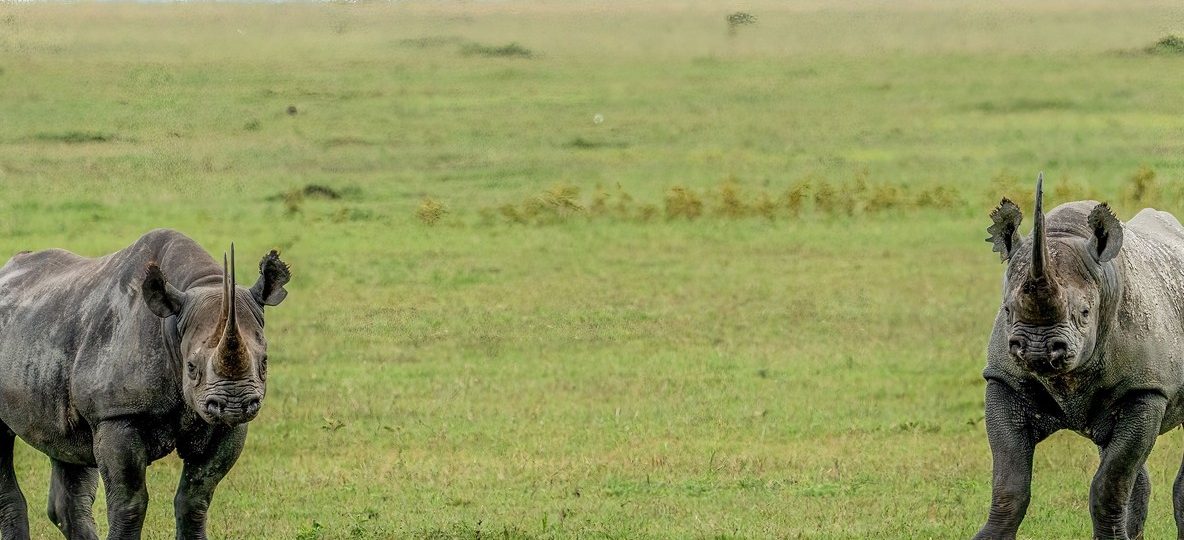
Solio Rhino Orphanage Kenya sits inside Solio Game Reserve, a 7,100-hectare private sanctuary between the Aberdare Range and Mount Kenya that has been protecting rhinos since 1970. It is the newest chapter in a much older story. Solio was Africa’s first private rhino sanctuary, and for more than fifty years it has bred, guarded, and quietly restocked rhino populations across Kenya. In 2023, that mission grew a new arm when a stranded white rhino calf named Njamba became the first resident of the reserve’s dedicated orphanage. Trunktrails Safaris has been tracking this story closely, because it turns a Laikipia-adjacent rhino sanctuary into one of the most meaningful conservation stops on a Kenya itinerary.
This guide explains how Solio Game Reserve became Kenya’s most important rhino nursery, how the orphanage rescues and hand-rears calves like Njamba, and how travelers booking tours and safaris in the Nyeri and Laikipia region can visit responsibly.
What Is Solio Rhino Orphanage Kenya?
Solio Rhino Orphanage Kenya is the calf-rescue and hand-rearing program run inside Solio Game Reserve, a private conservancy roughly 22 km north of Nyeri town. The orphanage was established in 2023 after rangers pulled a young white rhino calf out of a river on the property. She had been separated from her mother and would almost certainly have drowned without intervention. Rangers named her Njamba, meaning “hero” in Swahili, and she became the founding resident of Solio’s new orphan-care facility.
The orphanage exists because Solio already had the infrastructure that rescued calves need: round-the-clock ranger patrols, veterinary support, and more than five decades of experience keeping young rhinos alive in a protected landscape. Conservation partner Baby Rhino Rescue now works alongside Solio’s own team to fund milk formula, veterinary care, and eventual rewilding for calves that arrive orphaned, injured, or abandoned.
History of Solio Game Reserve: Kenya’s First Rhino Sanctuary
Solio Game Reserve was founded in 1970, when rancher Courtland Parfet fenced off a section of his cattle ranch and moved in the first five black rhinos from Kiboko in southeastern Kenya. It was the first time anyone in the country had set aside private land specifically to protect rhinos, at a moment when the need was becoming urgent. Kenya’s black rhino population had fallen from roughly 18,000 animals in the late 1960s to fewer than 1,500 by 1980, and it kept falling to around 400 by 1990 as poaching for the horn trade accelerated across the country.
Solio’s fenced, intensively guarded model proved the turnaround point. The reserve was expanded to its present size of roughly 19,000 acres (about 77 km2) by 1991, and its rhino population grew steadily under close ranger protection. Solio has since bred and translocated more than 145 rhinos to restock other protected areas, including Nairobi National Park, Lake Nakuru National Park, Meru National Park, and Ol Pejeta Conservancy. Very few sanctuaries anywhere in Africa can claim that scale of breeding success.
How Rescued Rhino Calves Get a Second Chance
Solio’s orphan-care tradition did not start in 2023. It goes back to Rufus, the first orphaned rhino ever successfully hand-reared in Kenya, rescued in the early 1960s. Rufus was followed by other hand-raised orphans, including Reudi, Stub, Stroppie, and Pushmi, several of which were later translocated to Solio Ranch. Reudi in particular grew into a prominent breeding bull who helped drive the sanctuary’s early population growth, proof that hand-reared calves can go on to shape a wild population rather than simply survive within it.
That legacy continued in 2010, when a black rhino calf lost her mother to a suspected poaching attack on Solio Ranch. Rescued at just six months old, she was hand-raised by the David Sheldrick Wildlife Trust and named Solio after the reserve where she was born. She has since been released into Nairobi National Park, where she now lives wild and has given birth to a calf of her own, a full-circle outcome that conservationists rarely get to see documented so clearly.
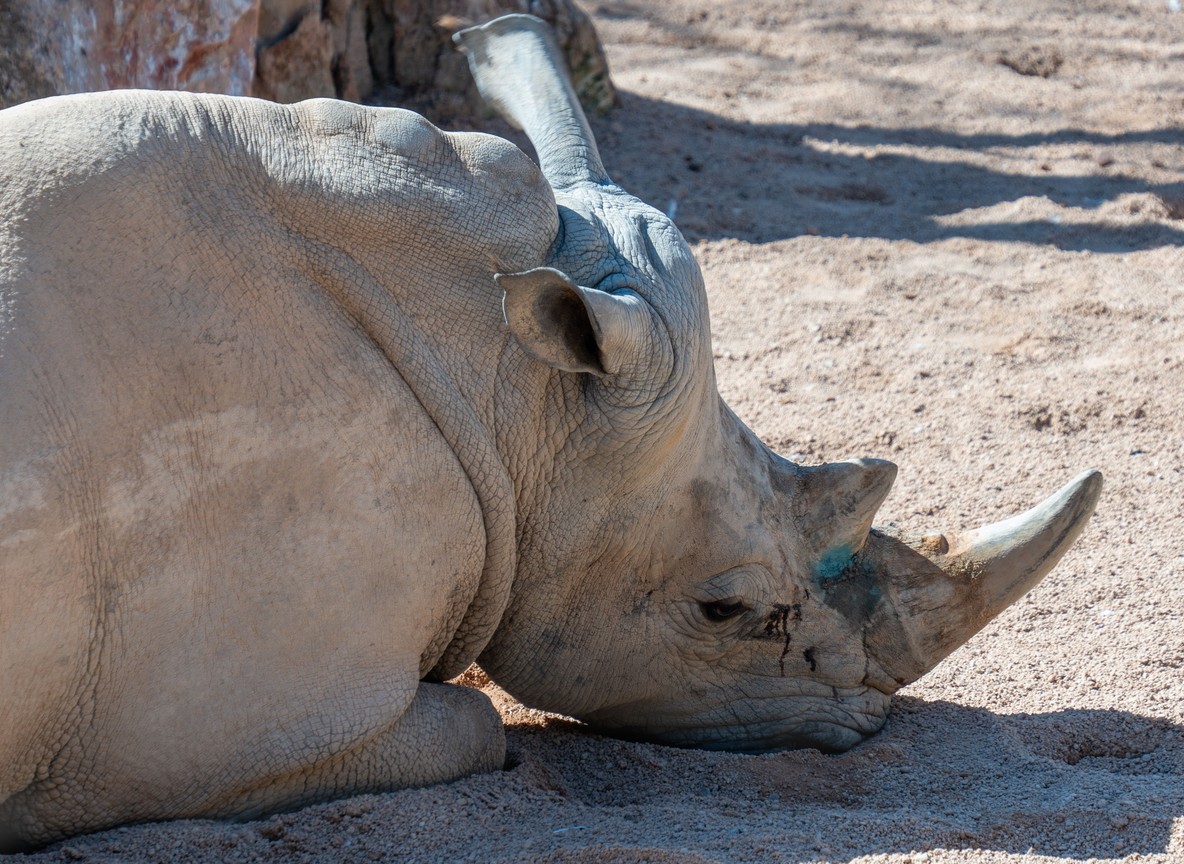
Njamba’s rescue in 2023 formalized this decades-long practice into a dedicated orphanage. Calves that arrive too young to survive alone are bottle-fed a specialized milk formula around the clock, monitored by veterinary staff, and gradually introduced to other rhinos and natural browse as they grow. The goal at every stage is rewilding, not permanent captivity. Solio’s rangers aim to reintroduce hand-reared calves into the reserve’s free-ranging rhino population once they are old enough to hold their own, following the same path Reudi and Solio walked before them.
Solio vs Ol Pejeta vs Lewa: Comparing Kenya’s Rhino Sanctuaries
Solio is not the only rhino stronghold in the Mount Kenya and Laikipia region, but its age, size, and orphan program set it apart from its better-known neighbors.
| Detail | Solio Game Reserve | Ol Pejeta Conservancy | Lewa Wildlife Conservancy |
|---|---|---|---|
| Established as rhino sanctuary | 1970 (Africa’s first private rhino sanctuary) | 1988 (rhino sanctuary within conservancy) | 1983 |
| Reserve size | Approx. 77 km2 (19,000 acres) | Approx. 364 km2 | Approx. 250 km2 |
| Rhino species present | Black rhino and white rhino | Black rhino, white rhino, last two northern white rhino | Black rhino and white rhino |
| Dedicated calf orphanage | Yes, established 2023 (Njamba) | No dedicated orphanage; veterinary unit for injured rhino | No dedicated orphanage |
| Rhino bred and translocated | 145+ rhinos relocated to other Kenyan parks since 1970 | Large donor population for northern Kenya reserves | Founder population for multiple conservancies |
| Access | Private, arranged through Solio Lodge or partner operators | Open access, public and private vehicles with conservancy entry | Open access, arranged through conservancy or partner camps |
Best Time to Visit Solio Rhino Sanctuary
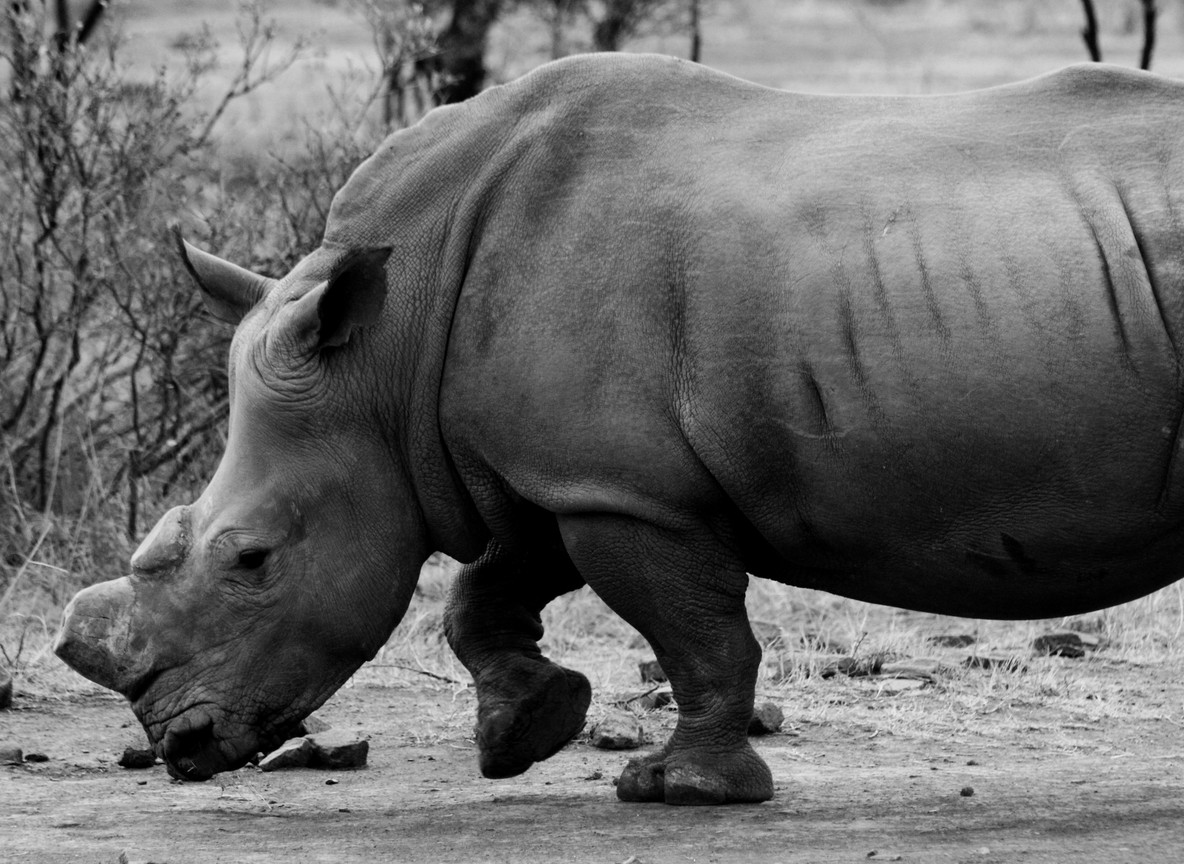
Solio’s rhino sightings hold up well year-round because the reserve is small, fenced, and intensively monitored, so guides usually know roughly where each rhino group was last seen. The dry months from June through October and again in January and February offer the clearest visibility, since thinner grass cover makes it easier to spot rhino calves moving alongside their mothers or, in the orphanage’s case, alongside their ranger caregivers.
Morning game drives, typically starting around 6:30 a.m., catch rhinos at their most active before the day heats up. Because Solio is privately managed rather than a public national park, visits are arranged in advance through Solio Lodge or a partner safari operator rather than as a self-drive stop.
Where to Stay Near Solio
Solio Lodge sits inside the reserve itself, giving guests direct access to rhino tracking and, when permitted, orphanage viewing without a long transfer. For travelers combining Solio with the wider Aberdare and Mount Kenya region, the Aberdare Country Club and the Fairmont Mount Kenya Safari Club near Nanyuki both make convenient bases, roughly an hour to ninety minutes from the reserve gate by road. Guests staying in Laikipia proper, including camps near Lewa Wildlife Conservancy and Ol Pejeta Conservancy, can typically add Solio as a half-day or full-day excursion rather than a separate multi-night stop.
Solio Rhino Orphanage Quick Facts
| Detail | Figure |
|---|---|
| Nairobi to Solio Game Reserve (road) | Approx. 180 km, 3-4 hours |
| Nanyuki to Solio Game Reserve (road) | Approx. 45 km, 1-1.5 hours |
| Nairobi (Wilson Airport) to Nanyuki (flight) | Approx. 35-40 minutes, then road transfer |
| Charter flight direct to Solio airstrip | Approx. 10 minutes by road from airstrip to Solio Lodge |
| Solio Game Reserve size | Approx. 77 km2 (19,000 acres) |
| Rhinos bred and translocated since 1970 | 145+ rhinos to Kenyan parks and conservancies |
| Non-resident adult conservation fee (indicative) | Approx. USD 92 per person per day |
| Non-resident child conservation fee (indicative) | Approx. USD 45 per child per day |
| Kenyan citizen adult fee (indicative) | Approx. KES 2,600 per person per day |
| Orphanage established | 2023 (first resident: Njamba, white rhino calf) |
Fees above are indicative ranges that change with season and operator, so always confirm current rates before booking.
The Trunktrails Advantage
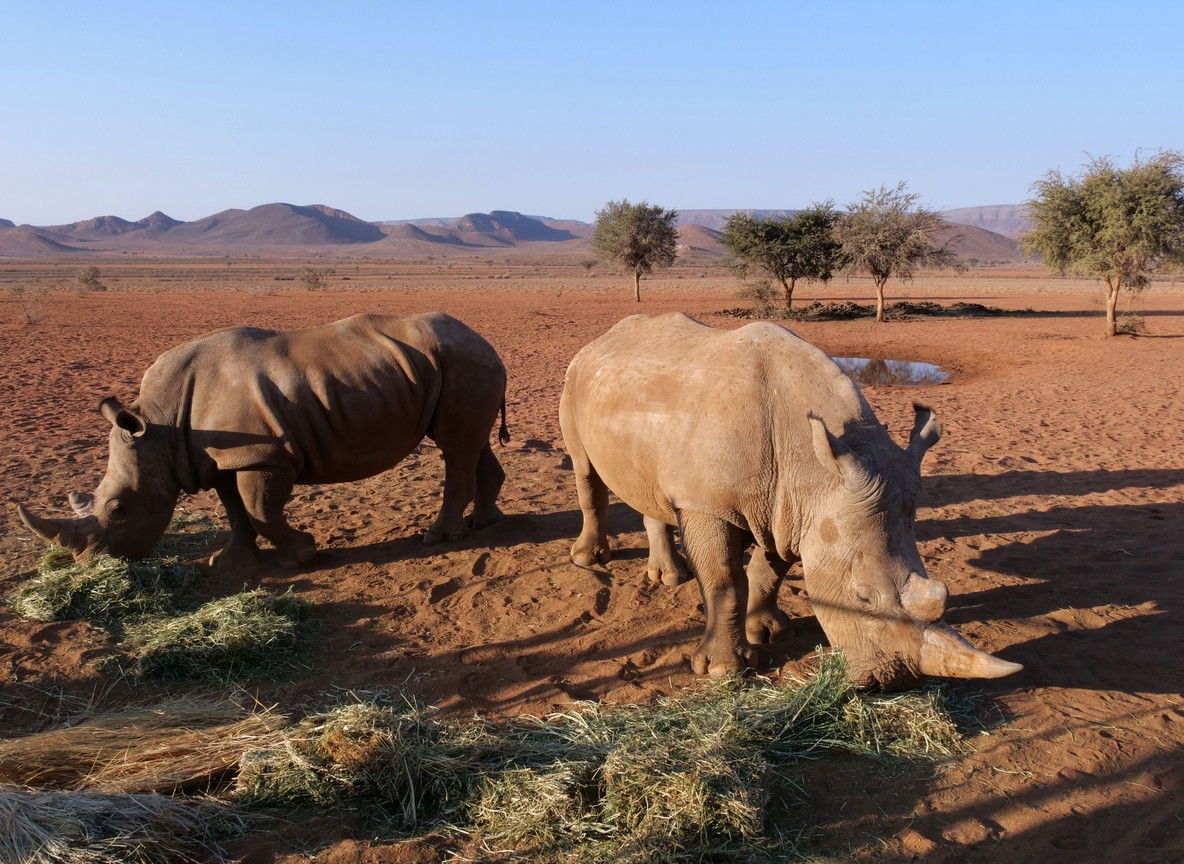
Trunktrails Safaris arranges Solio visits the way the reserve itself operates, quietly, carefully, and with respect for animals that are still recovering. We coordinate directly with Solio Lodge and partner operators so that guests booking tours and safaris with us get advance clearance for rhino tracking and, when the orphanage team allows it, a respectful view of how rescued calves like Njamba are cared for.
Because Solio sits between two of our most requested regions, the Aberdares and Laikipia, our guides regularly build it into multi-day itineraries rather than treating it as an afterthought. Every Trunktrails Safaris rhino itinerary includes a briefing on the conservation history behind the sighting, because guests consistently tell us that understanding how a rhino calf found its second chance matters as much as seeing it in person. Our tours and safaris are built for travelers who want their trip to support real conservation outcomes, not just a checklist sighting. 🦏
Plan Your Solio Rhino Sanctuary Visit
Further reading
More safari planning resources
- Ol Pejeta and Sweetwaters safari package from Valley Safaris
- Best time to visit Kenya on Touring Insights
- Big Five safari collection on FindMySafari
- Nairobi to Maasai Mara route guide from Valley Safaris
If Njamba’s story moved you, or you simply want to see where Kenya’s rhino recovery began, Trunktrails Safaris can build the route. Message us on WhatsApp at +254 113 208888 or email info@trunktrailssafaris.com to arrange a visit to Solio Rhino Orphanage Kenya as part of your tours and safaris through the Aberdare and Laikipia region. Visit trunktrailssafaris.com to see the camps and conservancies we work with directly. 🌍