
Tsavo’s Elephants Are Running Out of Water: Inside Kenya’s 2026 Drought Crisis
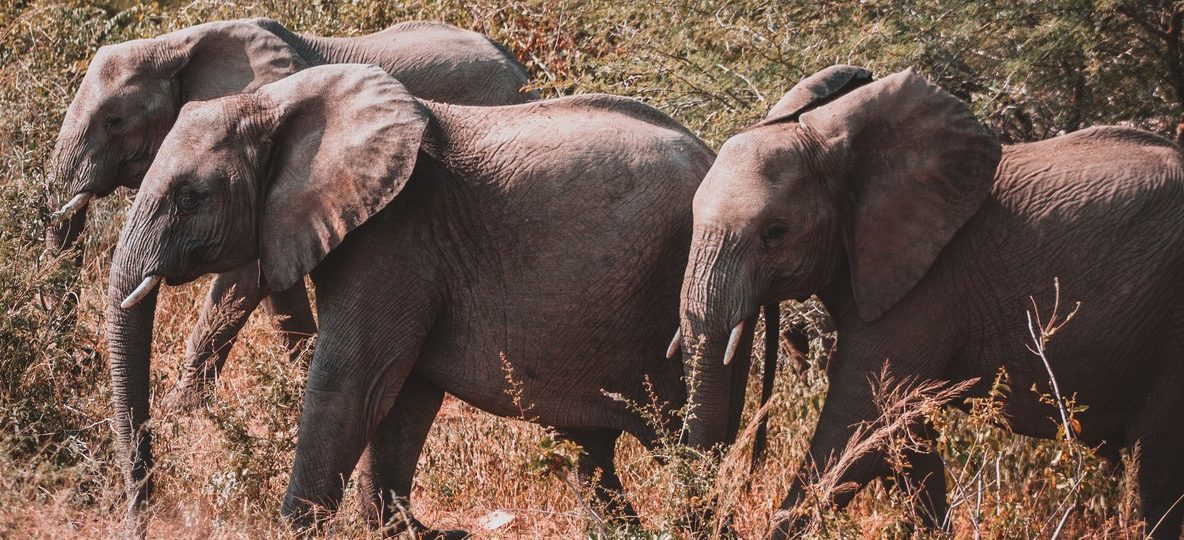
The rivers that keep Tsavo alive are shrinking. Across Kenya’s largest protected wilderness, waterholes that normally hold through the dry months are cracking into mud plates, and the elephants that depend on them are walking further and further each day to find a drink. This is the reality behind Kenya’s 2026 drought crisis, and it is playing out in real time across Tsavo East and Tsavo West National Parks. 🐘
Trunktrails Safaris has operated tours and safaris across this landscape for years, and we believe travelers deserve the full picture, not a sanitized one. This is what is actually happening to Tsavo’s elephants, what the numbers say, who is responding, and what it means if you are planning a safari to this part of Kenya in 2026.
Tsavo at a Glance: The Facts
| Fact | Detail |
|---|---|
| Combined size | Tsavo East (13,747 km2) + Tsavo West (9,065 km2) = 22,812 km2 |
| Comparable to | Roughly the size of Israel, one of the largest protected areas on earth |
| Distance from Nairobi | 333 km via Mombasa Road (approx. 4.5-5 hour drive) |
| Distance from Mombasa | 200 km via Mombasa Road (approx. 3 hour drive) |
| Main gates | Voi Gate, Manyani Gate, Buchuma Gate (Tsavo East); Mtito Andei Gate, Chyulu Gate (Tsavo West) |
| Key rivers | Galana River and Voi River (both seasonal in drought years) |
| Reliable water source | Mzima Springs, Tsavo West (approx. 227 million litres a day, fed by the Chyulu Hills) |
| Park fee (non-resident, indicative) | USD 52-60 per adult per day |
| Elephant population, Tsavo Conservation Area | Approx. 14,500-15,000 (KWS census range) |
| Conservation presence | Kenya Wildlife Service (KWS) and Sheldrick Wildlife Trust (Voi and Ithumba units) |
What Is Actually Happening to Tsavo’s Water
Tsavo’s ecosystem was built around seasonal scarcity. The Galana River and the Voi River have always shrunk during the dry months, and elephants have always adapted by moving toward permanent sources. What is different in 2026 is the scale and the timing. Rains that would normally recharge the Galana and top up smaller waterholes like Aruba Dam and the pans around Mudanda Rock have arrived late and light for consecutive seasons, and the ground has not had time to recover.
Mzima Springs, fed by underground rivers from the volcanic Chyulu Hills roughly 48 km away, remains the one dependable exception. It has never run dry in living memory, and it is one of the reasons Tsavo West holds wildlife through the harshest months. But Mzima cannot serve the entire ecosystem. Elephants ranging across Tsavo East, far from Chyulu-fed sources, are the ones bearing the worst of the water shortage.
Rangers describe waterholes that once held water year-round now reduced to cracked mud by July, weeks earlier than in a typical dry season. Elephants are walking longer distances between water points, which burns energy reserves they cannot easily replace when forage is also thin. Calves and older elephants are the most exposed, since they cannot cover long distances as efficiently as healthy adults. 🌍
Access to Tsavo has not changed even as the landscape has. Voi Airstrip and Kilaguni Airstrip still connect the park to Nairobi’s Wilson Airport in under an hour by light aircraft, and both the Nairobi-Mombasa highway and the parallel Standard Gauge Railway pass within a few kilometres of Voi town, making it one of the easiest large parks in Kenya to reach for travelers who want to see the drought response firsthand.
Why Tsavo’s Elephants Are Especially Vulnerable
Tsavo holds one of Kenya’s largest single elephant populations, and that scale is part of the problem during drought. A concentrated population competing for a shrinking number of water points puts pressure on every remaining source, and it puts elephants into closer, more frequent contact with each other and with livestock pushed into the park from surrounding community lands during dry spells.
An adult elephant needs roughly 150-200 litres of water a day just to maintain normal function, more when temperatures climb. When the nearest reliable source is a half-day’s walk rather than a short one, the math turns against the herd. Matriarchs make the call on which water source to trust and how far to travel, and in a landscape this large, a wrong read on a drying pan can cost the group days of wasted movement.
What History Tells Us: The 2021-2022 Drought
Kenya’s last severe drought cycle, spanning 2021 into early 2022, gives a sober preview of what is at stake. The Kenya Wildlife Service reported that the drought killed 205 elephants nationally over that period, alongside 512 wildebeest, 51 buffalo, 12 giraffes, and 381 zebras, with Tsavo, Amboseli, and Laikipia among the hardest-hit landscapes. Those losses were concentrated in the animals least able to travel far for water: young calves and elderly matriarchs.
That precedent is why conservationists are treating the current dry conditions as an emergency rather than a routine dry season. The infrastructure built after 2022, boreholes, water trucking routes, and expanded ranger monitoring, is now being tested again.
Who Is Responding
The Kenya Wildlife Service and partner conservation organizations are running an active drought response across Tsavo. Water is being trucked to key points where natural sources have failed, and boreholes drilled after the 2021-2022 drought are being pumped at higher volumes to keep pans topped up in the driest sectors of Tsavo East.
The Sheldrick Wildlife Trust, which runs its Voi Reintegration Unit and Ithumba Reintegration Unit inside Tsavo, has widened its aerial monitoring and ground patrols to identify elephants in distress early, particularly orphaned calves that have not yet learned reliable water routes from a matriarch. Their teams work directly with KWS rangers on emergency water delivery and, where necessary, veterinary intervention for animals too weak to reach help on their own.
| Response Measure | Who Leads It | What It Does |
|---|---|---|
| Water trucking to dry sectors | Kenya Wildlife Service | Delivers water to points where rivers and pans have failed |
| Borehole pumping | KWS with county support | Keeps priority waterholes active through peak dry months |
| Aerial and ground monitoring | Sheldrick Wildlife Trust | Identifies distressed elephants, especially orphaned calves |
| Veterinary response | KWS Vet Unit + Sheldrick Wildlife Trust | Treats weakened or injured elephants found during patrols |
| Community livestock corridors | KWS + local conservancies | Reduces water-point conflict between wildlife and herders |
What This Means If You Are Planning a Safari
A drought changes the rhythm of a safari in Tsavo, and honestly, it can make for extraordinary wildlife viewing at the water points that remain. Elephants, buffalo, and predators concentrate around Mzima Springs, Aruba Dam, and the Voi River’s remaining pools in a way that rarely happens in a wet year. Camps near these points, including Ashnil Aruba Lodge, Voi Safari Lodge, and Kilaguni Serena Safari Lodge near Mzima, tend to offer some of the most reliable sightings of the year during dry conditions.
That said, this is not a moment for indifference. Responsible safari travel during a drought means choosing camps and operators that actively support water and ranger infrastructure, keeping a respectful distance from stressed animals at water points, and avoiding any pressure on guides to push vehicles too close for a photo. A tired, thirsty elephant does not need an audience crowding its one reliable drink of the day. 📸
How Responsible Travelers Can Help
- Book with operators who reinvest locally. Ask how your safari fee supports ranger patrols, water infrastructure, or community conservancies bordering Tsavo.
- Consider a direct contribution to the Sheldrick Wildlife Trust, which funds water delivery and veterinary response inside Tsavo year-round, not only during declared emergencies.
- Travel in the dry season with the right mindset. Water-point congregations make for unforgettable sightings, but patience and distance matter more than ever.
- Ask your guide what they are seeing on the ground. Rangers and guides working Tsavo daily often have the most current read on which sectors are struggling and which are recovering.
- Choose tours and safaris that build in a conservation stop. A short visit to the Sheldrick Wildlife Trust units at Voi or Ithumba puts your safari fee directly toward the elephants you came to see.
The Trunktrails Advantage
Trunktrails Safaris has run tours and safaris into Tsavo East and Tsavo West long enough to know the difference between a normal dry season and a genuine crisis, and we do not dress up the second as the first. Our guides work directly with rangers and camp managers on the ground, so our clients get an honest read on where wildlife is concentrated, which water points are holding, and how to view a stressed ecosystem with the respect it deserves.
We build our Tsavo itineraries around camps and conservancies that put money back into ranger operations and water infrastructure, because a safari that ignores the health of the land it sells is not one we want to offer. When you travel with Trunktrails Safaris, your visit contributes to the same conservation network working to get Tsavo’s elephants through this drought. 🦒
Plan Your Tsavo Safari with Trunktrails Safaris
Kenya’s 2026 drought is a real and unfolding story, and seeing Tsavo now, with the right operator and the right guides, means witnessing one of Africa’s toughest landscapes and the animals fighting to survive it. ✨
Further reading
More safari planning resources
- Map of Tsavo from Valley Safaris
- Tsavo complete guide on Touring Insights
- Tsavo destination guide on FindMySafari
- Best time to visit Kenya month-by-month map from Valley Safaris
Ready to plan a Tsavo safari that respects what is happening on the ground?
Contact Trunktrails Safaris:
- WhatsApp: +254 113 208888
- Email: info@trunktrailssafaris.com
- Website: trunktrailssafaris.com
- Kenyan-Owned | Nairobi-Based Tours and Safaris Operator

